Malaysia
-Singapore RTS Link: A Delay in Transit, A Lesson in Execution
The delay in the Johor Bahru-Singapore RTS Link highlights the execution gap between ambitious infrastructure plans and the complex reality of delivering them, a persistent theme across ASEAN.
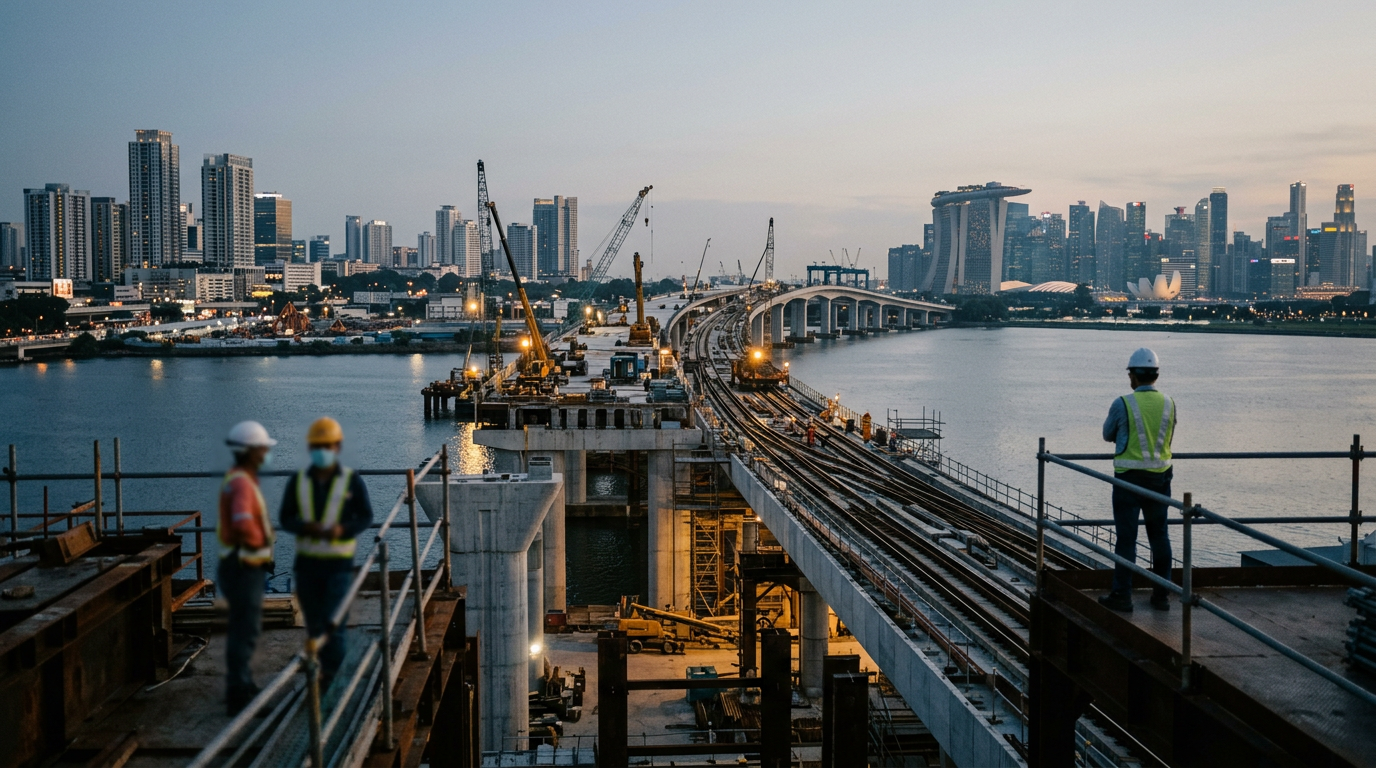
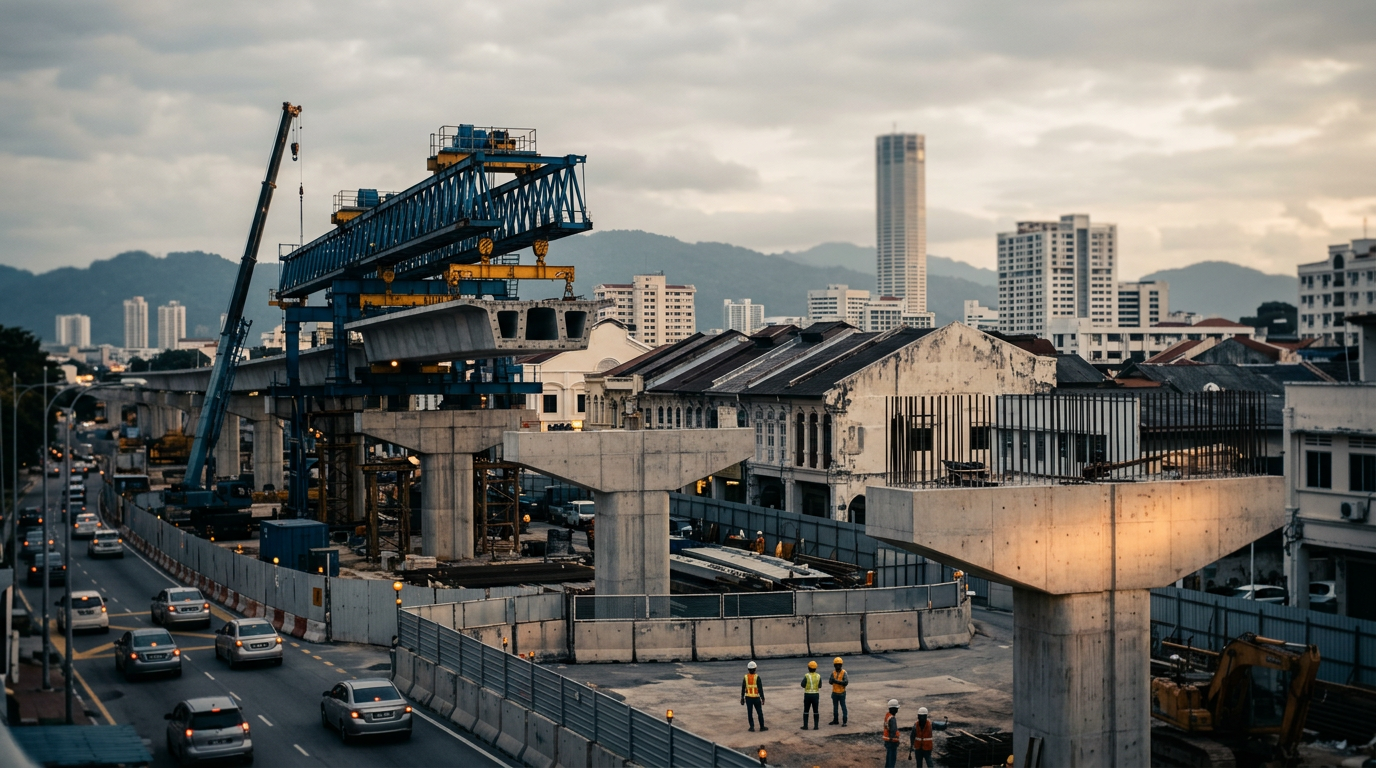
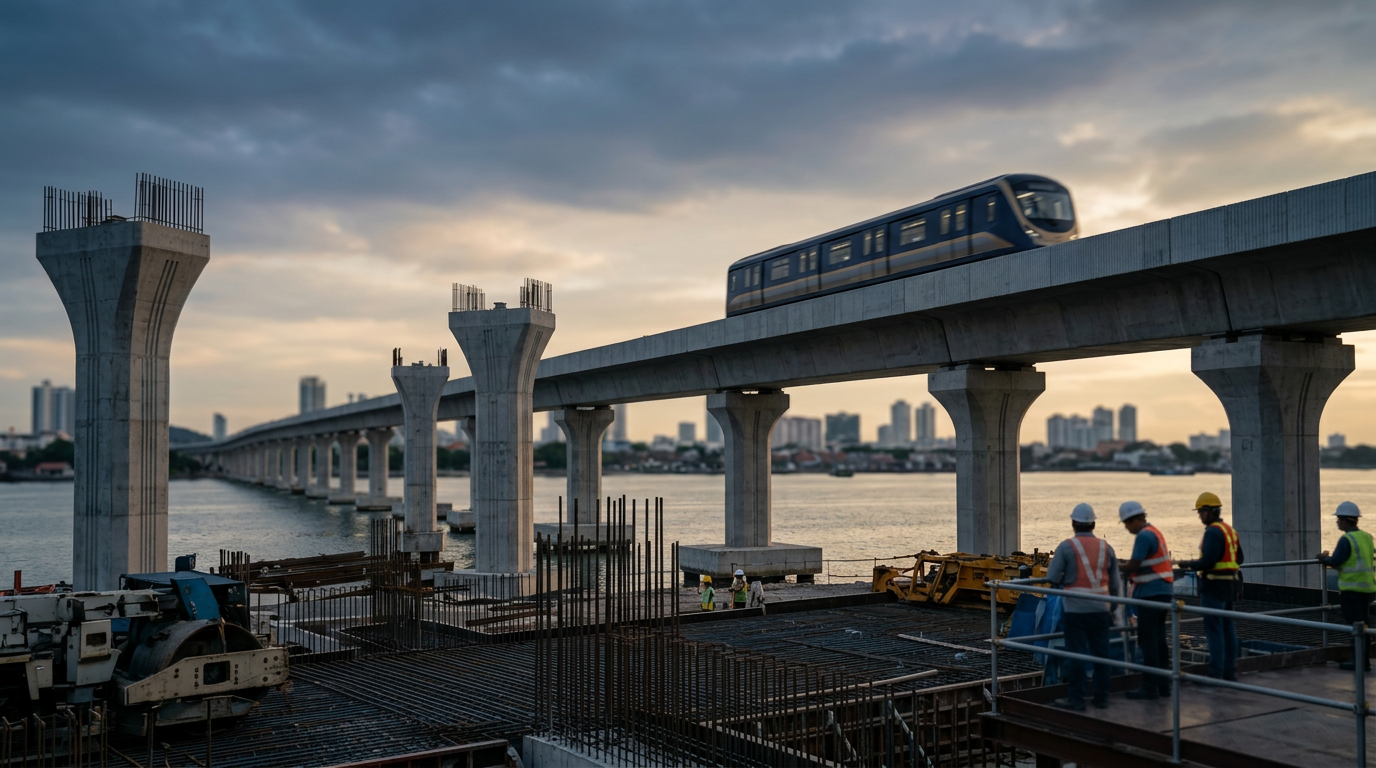
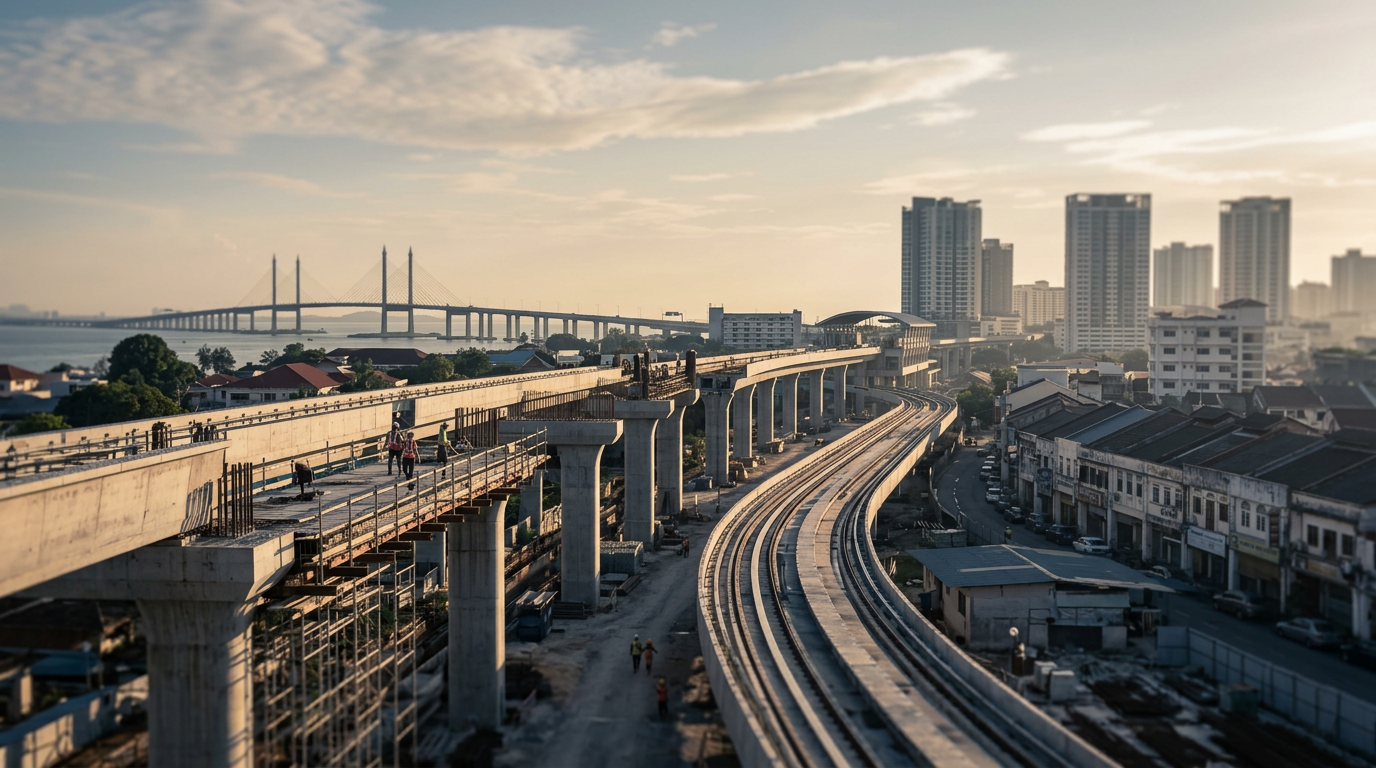
A recent announcement confirmed that the Johor Bahru-Singapore RTS Link passenger service, a key connector for one of Southeast Asia's busiest land borders, will be delayed to February 2027. According to a report from CNA, the postponement is necessary to accommodate extended testing, safety certification, and regulatory approvals for the cross-border rail service. This setback highlights a recurring theme in regional development: the immense difficulty of translating ambitious blueprints into operational infrastructure.
Institutions and Infrastructure
The RTS Link is more than a transit project; it is a strategic initiative designed to strengthen the economic and social integration of Singapore and Malaysia's southern state of Johor. By facilitating a smoother flow of people, the link is expected to enhance the attractiveness of the Johor Bahru region for investment and talent, particularly in the new Johor-Singapore Special Economic Zone (JS-SEZ).
The delay, attributed to the intricate process of testing and gaining regulatory alignment, underscores the institutional friction inherent in cross-border projects. While both governments show strong political will, the execution depends on harmonizing two different sets of national standards, safety protocols, and legal frameworks. This is the slow, grinding work of institution-building that must accompany any major capital investment. Without it, even the most visionary projects remain on paper.
From Announcement to Operation
The delay illustrates a core concept from the book ASEAN Rising: the gap between announcement and realization. While foreign direct investment (FDI) pledges and infrastructure MOUs generate positive headlines, the actual delivery is far more complex. The book notes that "realised flows depend on the slower work of land, permits, power and talent reaching the ground." In the case of the RTS Link, the "slower work" involves not just physical construction but also the meticulous process of ensuring the system is safe, reliable, and legally sound from day one.
This challenge is not unique to Malaysia or Singapore. Across ASEAN, countries are racing to build out their infrastructure to attract investment and move up the value chain. However, capital follows execution. Investors, workers, and companies make decisions based on what is operational, not what is promised. The RTS delay is a reminder that while the vision for an integrated economic zone is powerful, its success hinges on the concrete, operational reality of its supporting infrastructure.
The Talent and Trust Dimension
Cross-border projects also depend heavily on talent and trust. The RTS Link requires a specialized workforce for its construction, and an even more specialized one for its operation and maintenance. Ensuring that the right skills are in place, and that teams from both countries can work together seamlessly, is a significant undertaking.
Furthermore, public and investor trust is built on predictability and delivery. While delays are common in large-scale projects, how they are managed and communicated is important. Transparently addressing the need for extended testing and certification can help maintain confidence that the ultimate goal is a safe and high-quality system. This builds the long-term trust necessary for the JS-SEZ to flourish, as businesses need to be confident that the foundational infrastructure will be in place.
What to watch: Observers should monitor the progress of the RTS Link's testing and commissioning phase, as this will be a direct indicator of the project