Malaysia
's Data Centre Boom Tests Its Foundations
Malaysia's economic outlook is resilient, with data centres as a growth driver. Yet the slower work of land, permits, power, and talent will determine if announced FDI translates to realised flows on the ground.
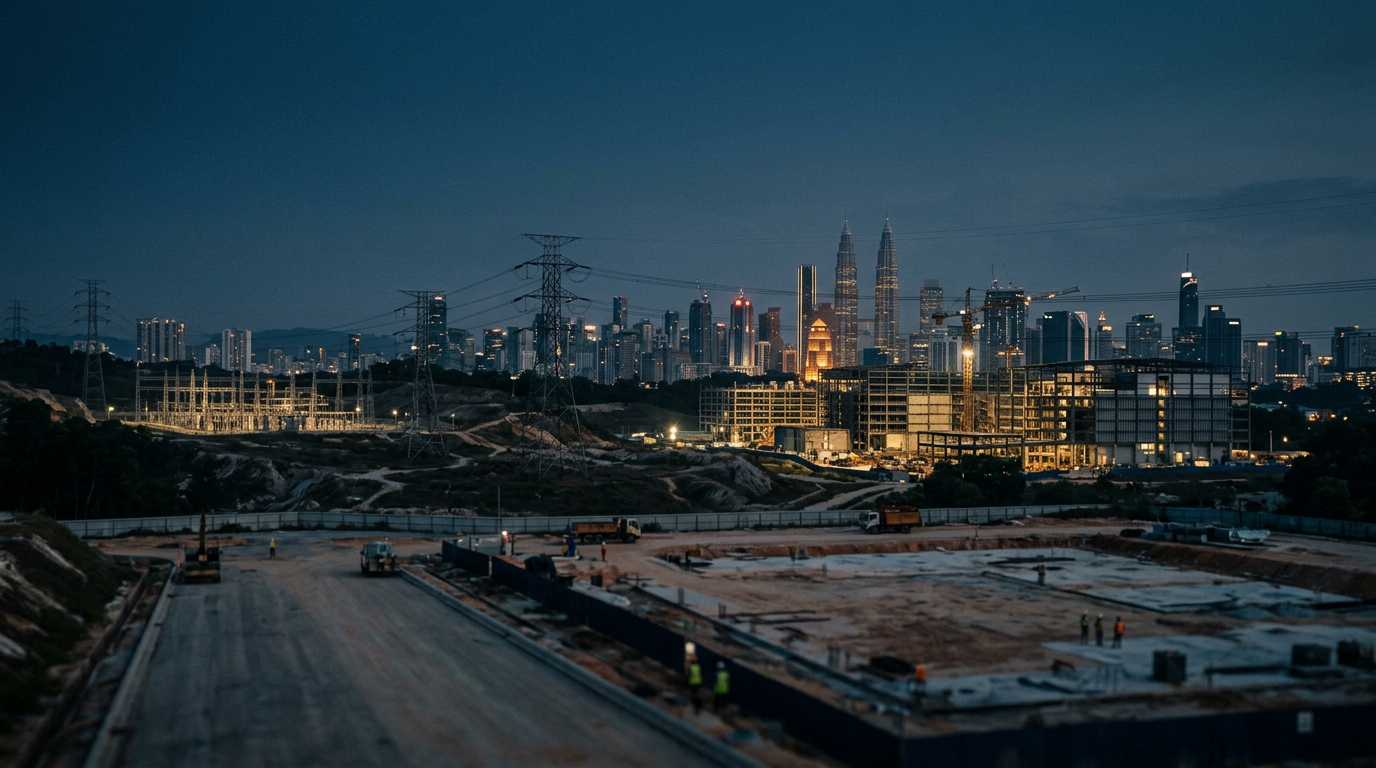
S&P Global Ratings has affirmed Malaysia's resilient economic outlook, citing manufacturing, infrastructure, and a fast-growing data centre sector as key drivers. As reported by Malay Mail, this growth is attracting substantial foreign direct investment. While the headline announcements are positive, the ultimate economic impact will depend on Malaysia's ability to execute complex projects on the ground, a theme that resonates across the region.
From Announcement to Reality
Foreign investment pledges are an important signal of investor confidence. However, as "ASEAN Rising" notes, the journey from an announced project to a fully operational facility is long and complex. The book observes that "realised flows depend on the slower work of land, permits, power and talent reaching the ground." In Malaysia, the surge in data centre demand puts this dynamic into sharp focus. These facilities are not just digital assets; they are large-scale industrial and real estate projects that consume immense amounts of energy and require a very specific set of skills to operate.
International tech giants and data centre operators have announced billions of dollars in investment for new facilities, particularly in Johor and the Klang Valley. These announcements often generate positive media coverage and boost market sentiment. The test for Malaysia's institutions, from federal investment agencies to local councils, is to translate this wave of interest into tangible economic activity by efficiently managing the underlying requirements of these complex projects.
The Infrastructure Imperative
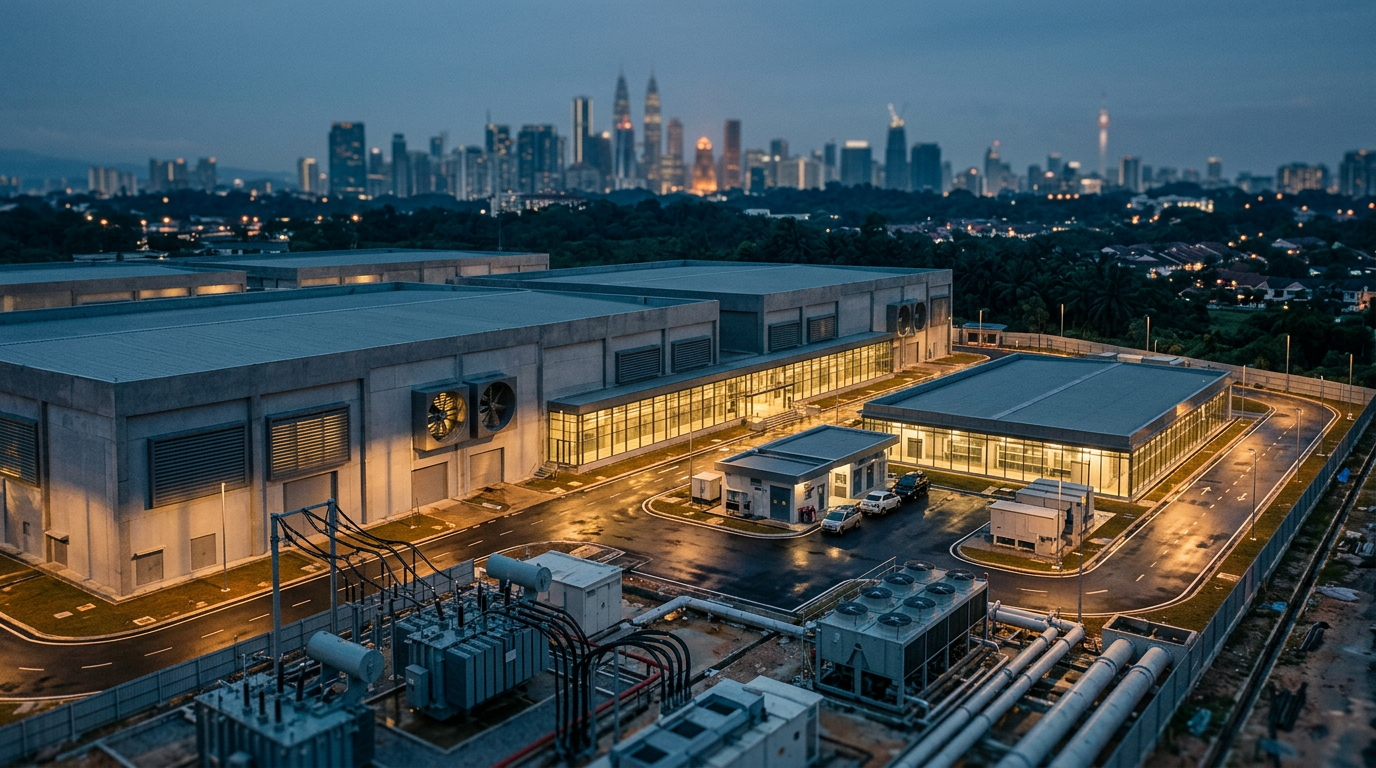
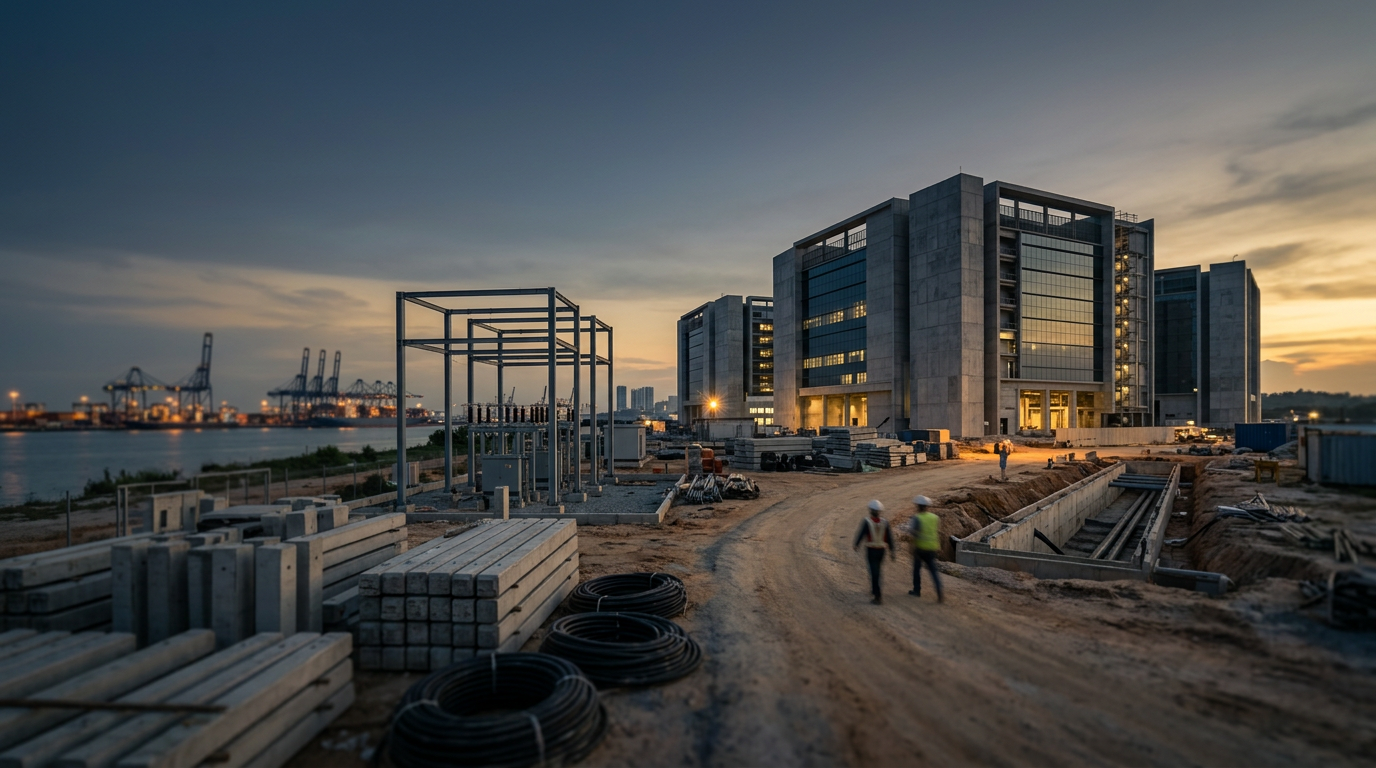
Data centres are infrastructure-heavy investments. Their viability hinges on the availability of three critical inputs: land, power, and connectivity. Securing large, properly zoned land parcels with clear title is the first hurdle. Next, these power-hungry facilities require massive and, above all, reliable electricity supply. Tenaga Nasional Berhad, the state-owned utility, is central to this equation, tasked with expanding grid capacity to meet a demand that is forecast to grow exponentially.
The Malaysian government has taken steps to streamline the process for data centre development, recognising its strategic importance. This includes efforts to coordinate between the Malaysian Investment Development Authority (MIDA) and utility providers. The success of these initiatives will be measured by the speed and predictability of getting new facilities connected to the grid. Any delays or uncertainty in power availability can stall a project, deferring the expected job creation and economic spillover effects.
The Talent Bottleneck
The third factor is human capital. A data centre requires a specialized workforce, including technicians, network engineers, and cybersecurity experts. While Malaysia has a well-regarded technical education system, the sheer scale and speed of the data centre boom risks creating a talent bottleneck. Competition for experienced professionals is already intense across Southeast Asia. To sustain growth, Malaysia must ensure its domestic talent pipeline can meet the specific needs of these high-tech facilities.
This involves close collaboration between industry, universities, and technical and vocational education and training (TVET) institutions. Curricula must be aligned with the evolving demands of the digital economy. Without a sufficient supply of local talent, companies may need to rely on expatriate staff, increasing operational costs and limiting the economic benefits for the broader population. The long-term success of Malaysia's digital hub ambitions depends as much on its educational institutions as it does on its power plants and industrial parks.
What to watch
Investors will be monitoring the execution of Malaysia's national energy and industrial master plans for signs of tangible progress in upgrading the grid and streamlining regulations. The ability of the country's education system to produce graduates with skills tailored to the data centre industry will be a key indicator of its capacity to move up the value chain. How Malaysia manages the intricate coordination of land, power, and talent will determine whether its current investment boom translates into sustainable, long-term growth.