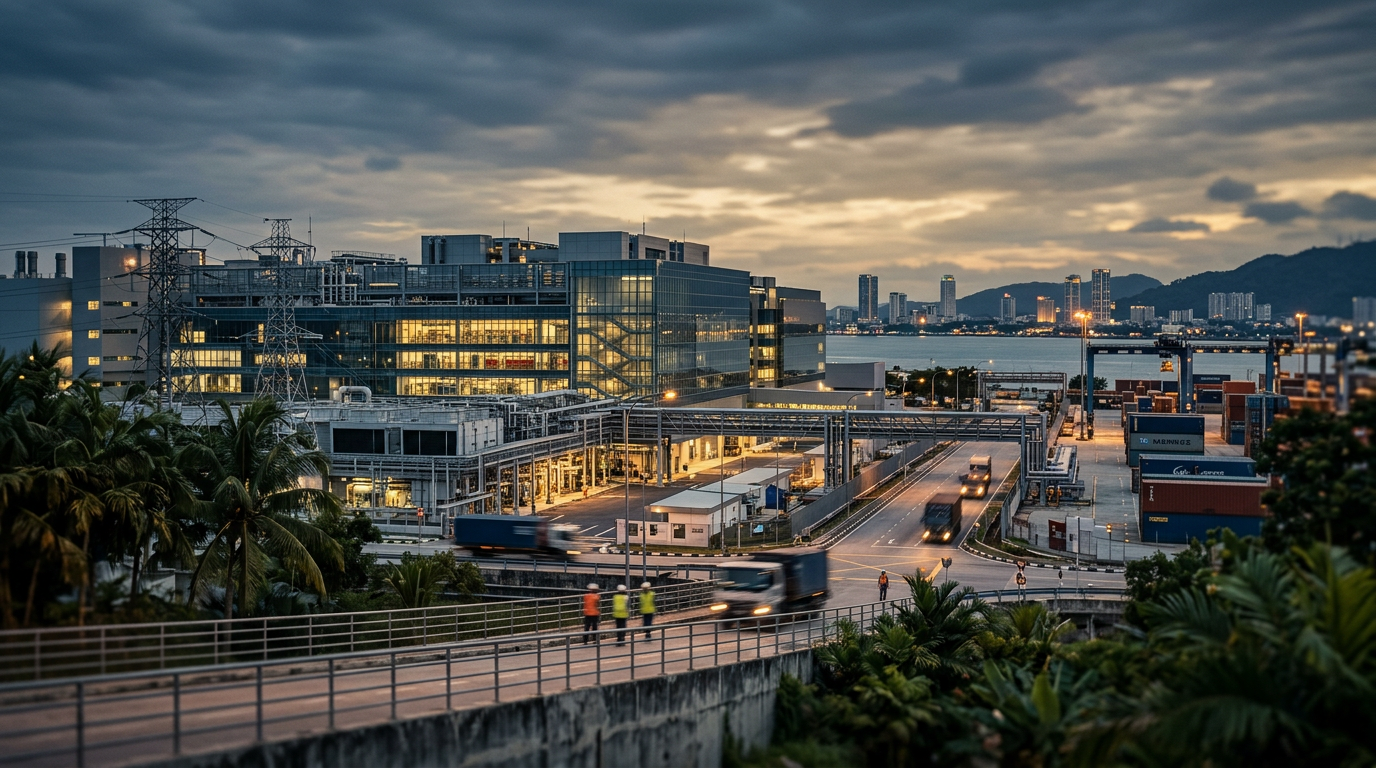
Malaysia
Malaysia's Semiconductor Ambitions and the China Question
Malaysia has long been a quiet giant in the global semiconductor industry, but its ambition is growing. As it seeks to move up the value chain, it must navigate its deep economic ties with China while managing strategic dependencies.
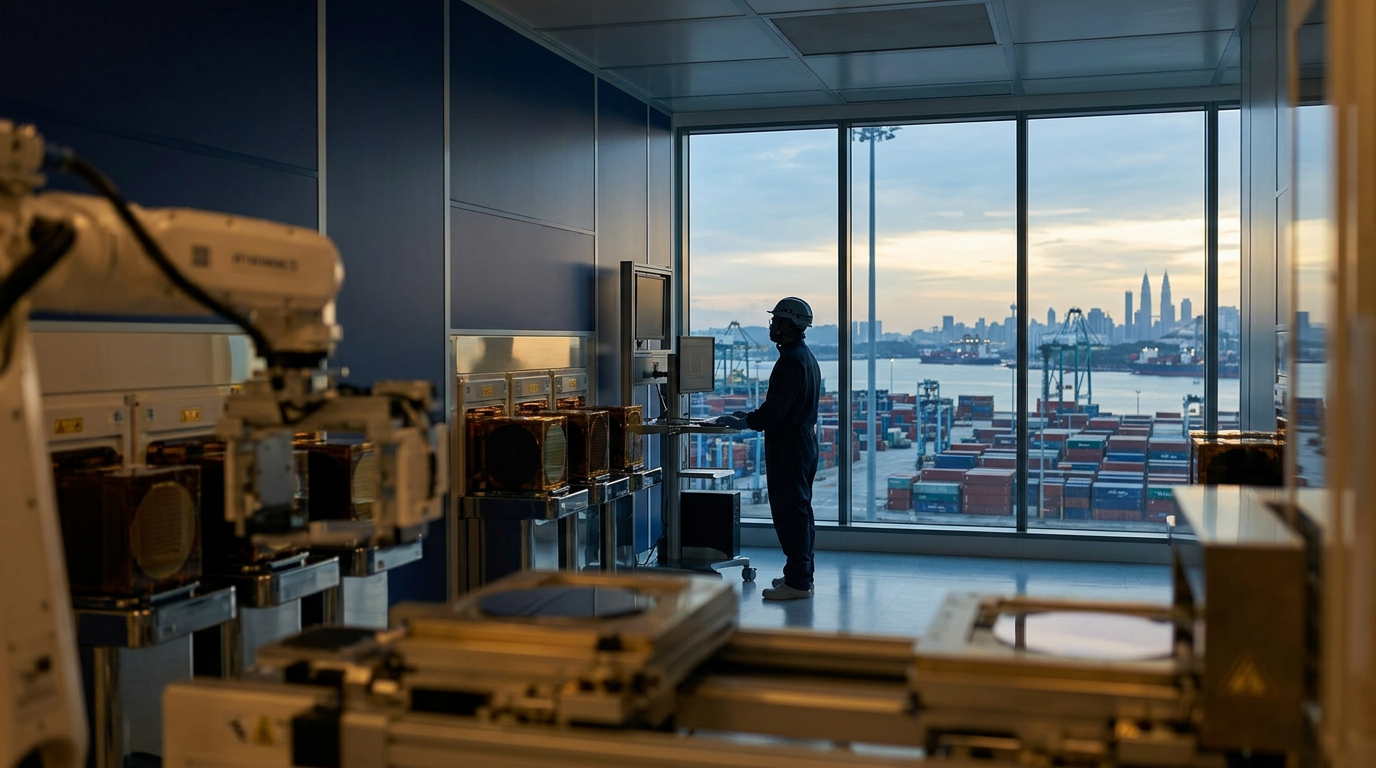
Malaysia is making a concerted push to elevate its role in the global semiconductor industry, aiming to transition from a critical but often overlooked assembly and testing hub to a leader in higher-value activities like chip design. As reported by malaymail.com, the government is backing a national strategy to attract investment and build capabilities, signaling a significant ambition to become a true semiconductor powerhouse.
This move is not just about industrial upgrading; it is a strategic response to a shifting global landscape. For decades, Malaysia has been an integral part of the intricate supply chains that power the world's electronics. Now, as geopolitical tensions place a premium on supply chain resilience, Malaysia's established infrastructure and skilled workforce present a clear advantage. The national strategy aims to capitalize on this by attracting leading global firms and fostering homegrown champions, moving beyond the traditional outsourced semiconductor assembly and testing (OSAT) segment that has long been its specialty.
Institutions and Capital
Executing this vision requires more than just ambition; it demands robust institutions and substantial capital. The Malaysian government's initiative signals a clear institutional commitment. By creating a dedicated national strategy, it provides a framework for coordinating investment, streamlining regulations, and aligning various government agencies toward a common goal. This institutional focus is designed to make Malaysia a more predictable and attractive destination for the massive capital inflows required for semiconductor fabrication and design.
Foreign investment will be necessary, but so will domestic capital. Venture capital and private equity have a role to play in nurturing local startups that can fill niches in the supply chain, from design services to specialized equipment. The government's role is to de-risk these investments, perhaps through co-investment funds or tax incentives. The success of this strategy will depend on the ability of Malaysian institutions to efficiently channel both foreign and domestic capital into productive, long-term projects that build a self-sustaining ecosystem.
Talent and Infrastructure
At the heart of any high-tech industry is talent. While Malaysia has a deep pool of experienced technicians and engineers, moving up to design and advanced manufacturing requires a new set of skills. The government and industry must collaborate on education and training programs to cultivate a workforce capable of innovation, not just execution. This means strengthening university engineering programs, funding research and development, and creating pathways for Malaysian talent working abroad to return home.
Infrastructure is another core component. While Malaysia's industrial parks and logistics networks are well-regarded, advanced semiconductor manufacturing has specific needs, including uninterrupted power, ultrapure water, and high-speed data connectivity. Continued investment in world-class infrastructure is non-negotiable. This ensures that a newly established fabrication plant or design center can operate at peak efficiency from day one, reinforcing the country's reputation for reliability and quality.
Trust and the China Factor
As Malaysia builds its semiconductor capacity, it must navigate a complex geopolitical environment, particularly concerning its relationship with China. The semiconductor industry is at the center of US-China strategic competition, and Malaysia is deeply integrated with both economies. As the book "ASEAN Rising" notes, deep trade with China is a structural reality for the region. The core issue is "how to manage dependency without losing optionality."
For Malaysia, this means building trust with all its partners. For Western firms looking to de-risk their supply chains, Malaysia offers a stable and reliable location outside of China. Simultaneously, Malaysia's economic health is tied to China, its largest trading partner. Balancing these relationships requires careful diplomacy. Malaysia must demonstrate that its ecosystem is secure and that intellectual property is protected, while also maintaining its position as a neutral and open economy. This balancing act is perhaps the most delicate part of its semiconductor strategy, as it seeks to be a trusted partner to all, in a world that is increasingly demanding that nations choose a side. What to watch
Observe how Malaysia balances its industrial policy with its foreign policy. The key indicators of success will be the specific types of investment it attracts-whether in leading-edge design and fabrication or simply more of the same assembly work-and its ability to secure its position as a trusted, neutral node in the high-stakes global technology supply chain. The allocation of national budget resources to talent development and R&D will also show the seriousness of its long-term commitment.