Malaysia
Penang LRT Signals a Test for Malaysian Institutions
The new LRT Mutiara Line in Penang is a case study in the Malaysian state's capacity to deliver complex infrastructure projects. While the project promises to alleviate traffic and boost the local economy, its execution will be a clear indicator of institutional strength and.

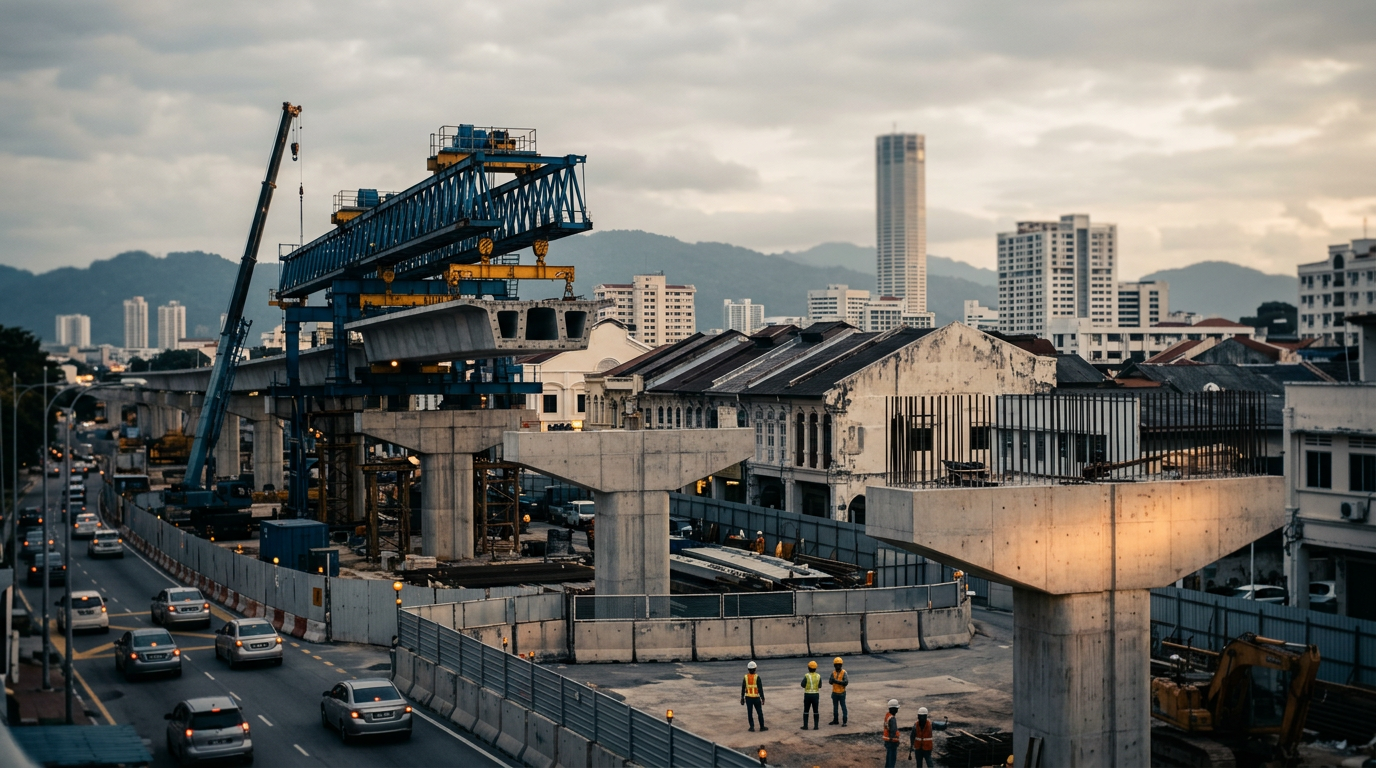
A recent announcement of partial lane closures on Jalan Sultan Azlan Shah in George Town marks a tangible step in the construction of the LRT Mutiara Line, according to Bernama. This stage of the project, managed by MRT Corp, will test Malaysia's institutional capacity to deliver large-scale infrastructure with minimal disruption.
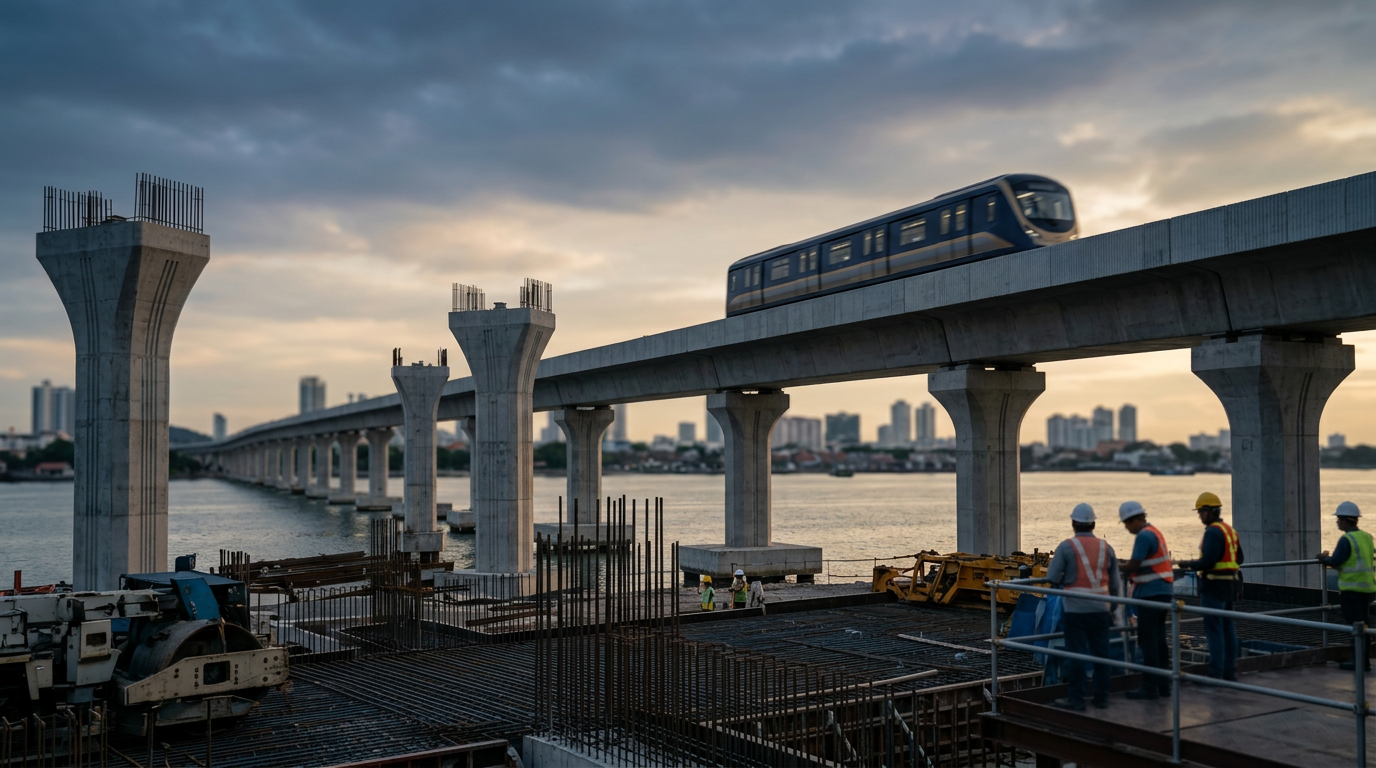
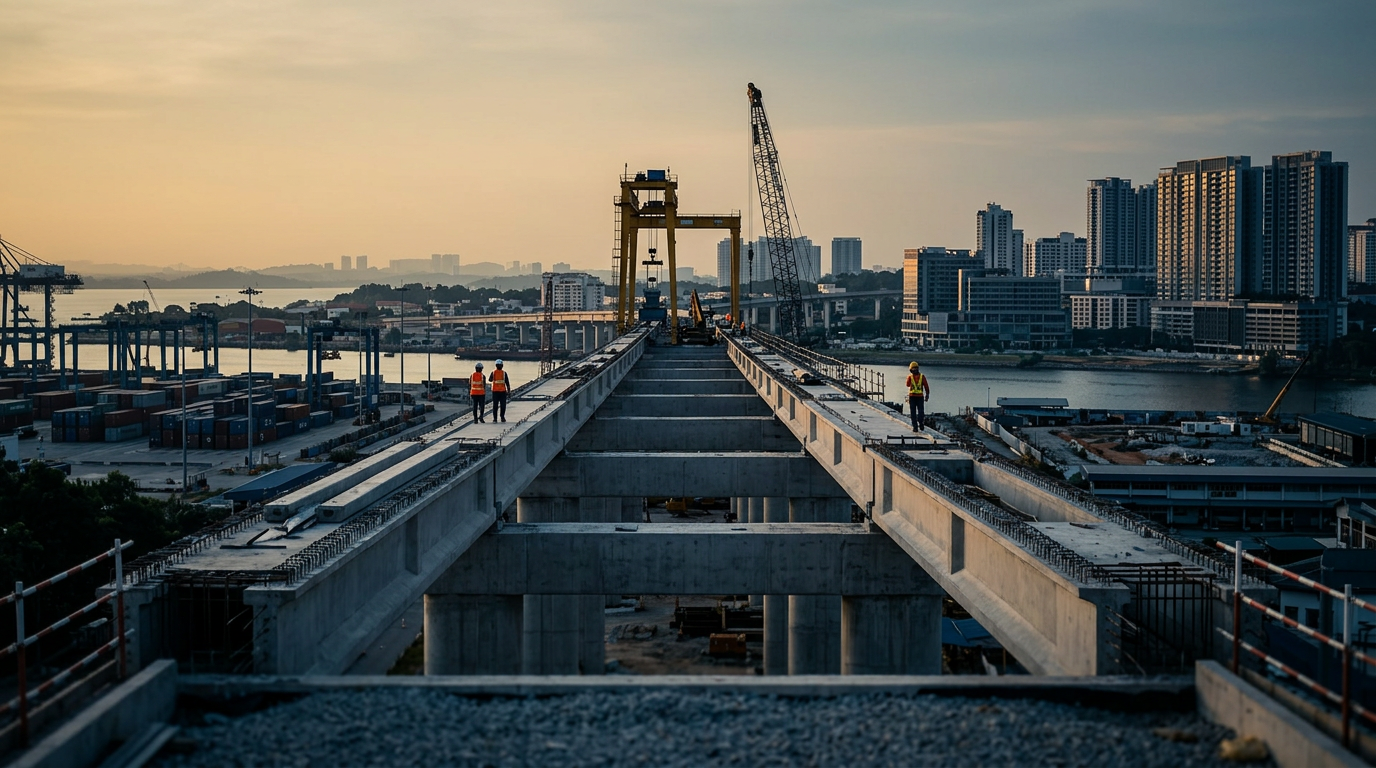
While the immediate impact is traffic diversion, the larger project is a significant undertaking for Penang. The LRT line is intended to support the island's economic growth, connect key industrial areas with residential zones, and improve daily life for commuters. The successful execution of such projects is a powerful signal of a country's capabilities.
Execution as a Signal
Modern infrastructure projects are more than just concrete and steel; they are complex logistical challenges that test the limits of a state's execution capacity. The ability to manage traffic disruptions, coordinate multiple contractors, and keep the public informed is a direct reflection of institutional strength. As the book "ASEAN Rising" notes, reliability in execution is a form of competitive advantage for nations.
The Penang LRT project is a case in point. Managing the lane closures on a major thoroughfare like Jalan Sultan Azlan Shah requires careful planning and public communication. The goal is not just to build a train line, but to do so while maintaining public trust and minimizing economic friction. A project that proceeds on schedule and within budget demonstrates a high level of state capacity, which in turn builds confidence among investors and citizens alike. "Infrastructure that arrives on time signals more than infrastructure that is merely announced."
The Wider Economic Impact
The economic stakes for the Mutiara Line are substantial. Penang has long been a hub for manufacturing and technology, but its continued growth is constrained by traffic congestion. Improved public transportation can alleviate this bottleneck, making the state more attractive for talent and investment. The line will connect the airport to key industrial parks and the planned Silicon Island development, integrating the state's economic geography more effectively.
The project also represents a significant capital investment. The financing and management of this capital are themselves a test of Malaysia's institutions. Transparent procurement, effective oversight, and fiscal discipline are necessary to ensure that the project delivers value for money. A well-executed project can create a positive feedback loop, justifying the initial investment and paving the way for future infrastructure development. It demonstrates that the state can be a reliable partner in long-term economic planning.
What to watch
The progress of the LRT Mutiara Line over the coming months will be a practical measure of Malaysia's institutional health. Observers should watch how project managers handle the inevitable construction challenges, how transparently they communicate with the public about disruptions and delays, and how effectively they coordinate the various state and private-sector actors involved. The ultimate success of the project will not be measured just by its completion, but by the efficiency and reliability of the process itself, offering a clear signal about the country's capacity for future growth.