Malaysia
-Singapore Transit: A Tale of Two Systems
The latest delay to the Johor Bahru-Singapore RTS Link, a project meant to boost connectivity, illustrates the gap between project announcements and on-the-ground execution.

A key transport link between Malaysia and Singapore faces another delay. The Johor Bahru-Singapore Rapid Transit System (RTS) Link passenger service, originally scheduled for completion by the end of 2026, is now expected to commence only in February 2027. According to a report from CNA, the postponement is due to additional time required for testing, safety certification, and regulatory approvals. The delay highlights the persistent friction in turning ambitious infrastructure plans into operational reality, a central theme of regional development.
The Last Mile Problem in Infrastructure
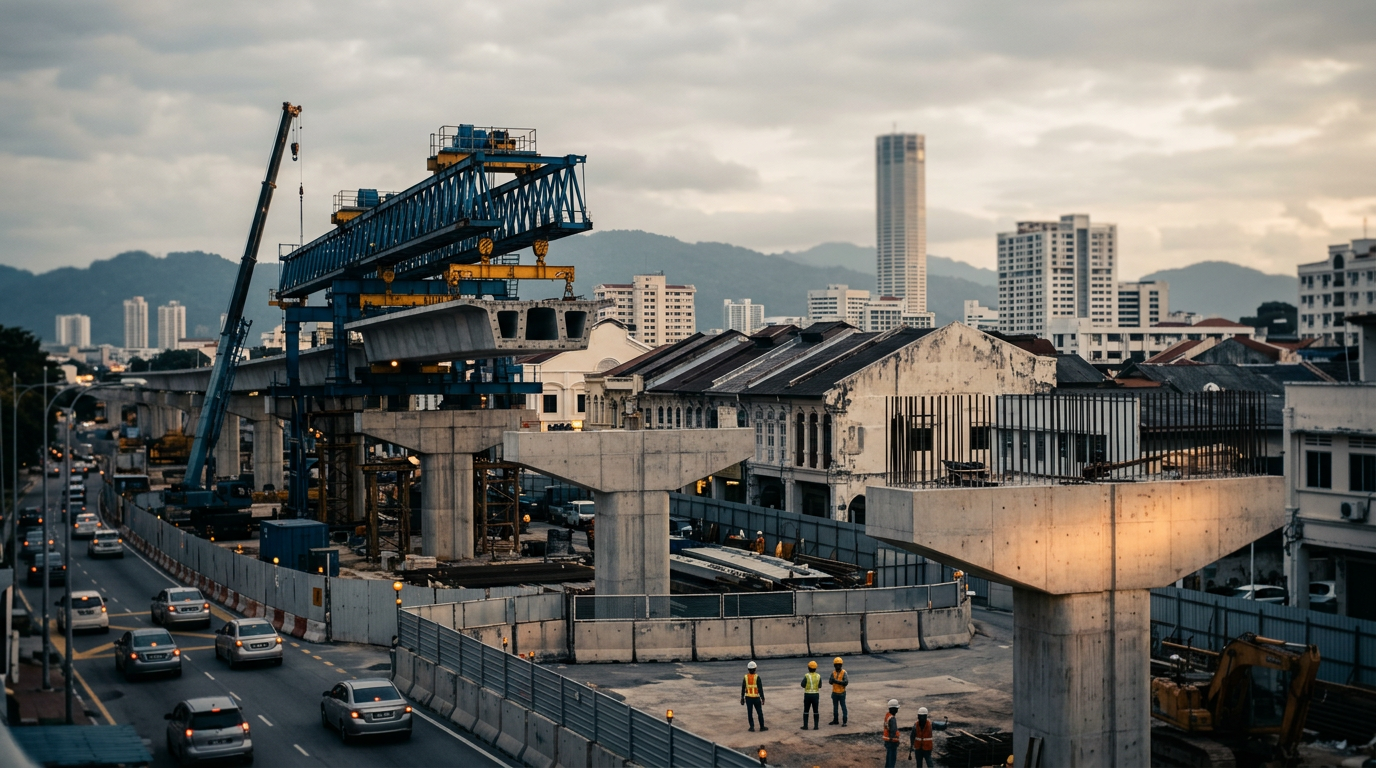
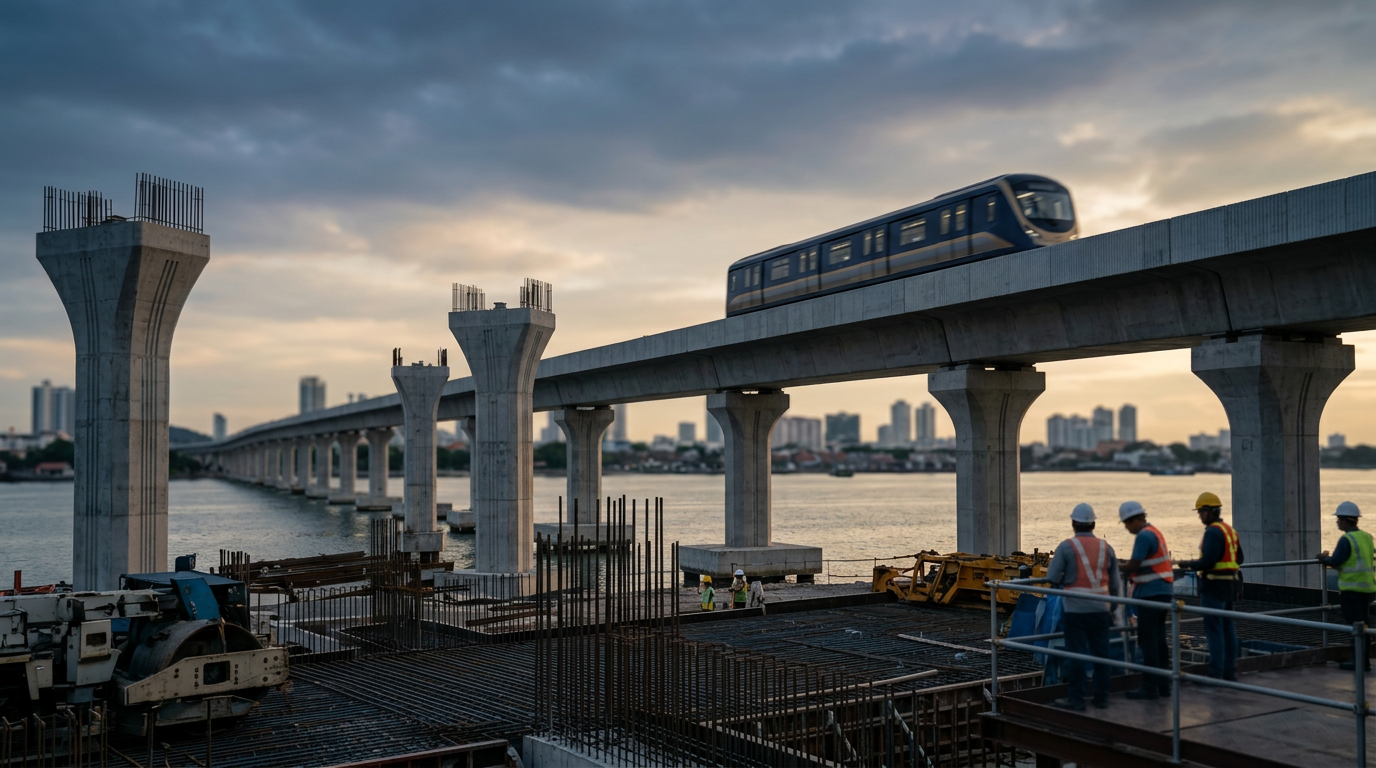
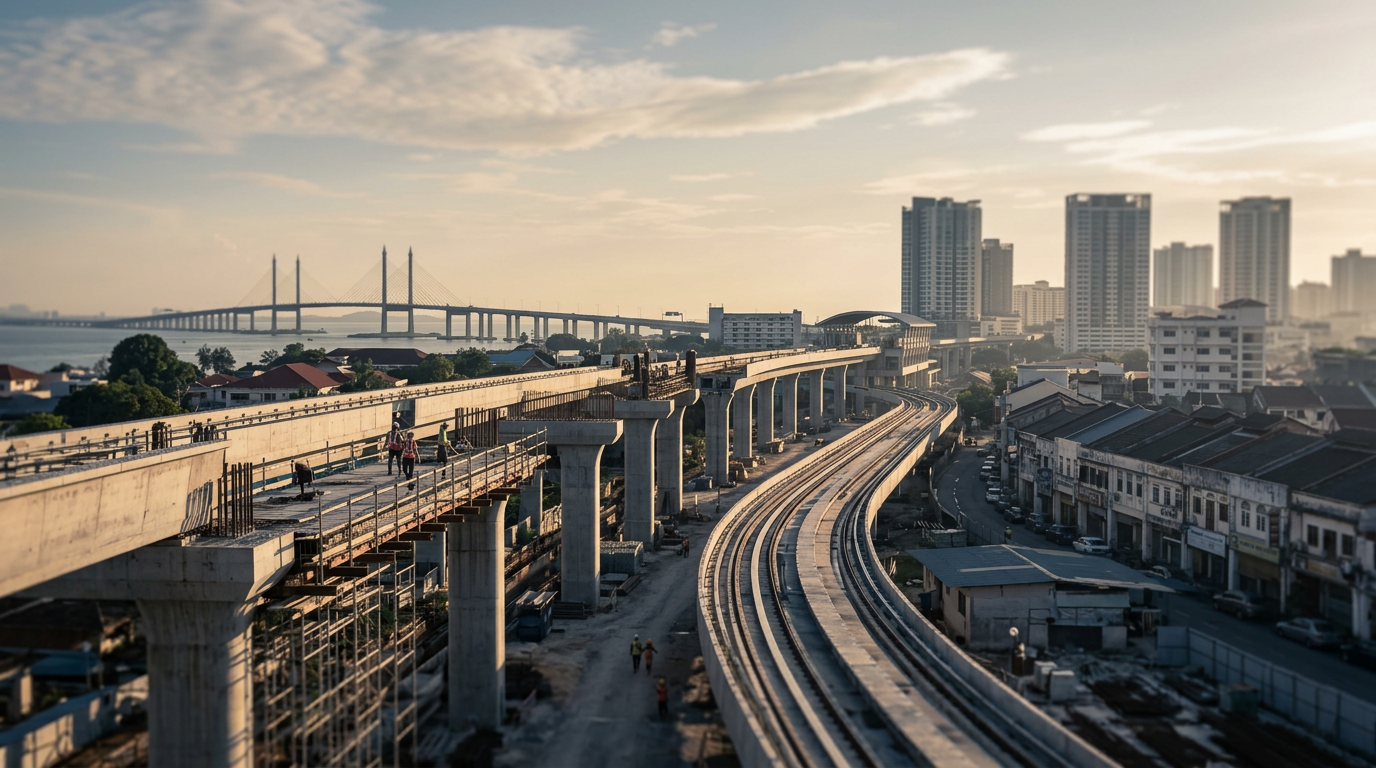
The RTS Link is a relatively short, 4km cross-border rail line. The project's stated goal is to ease the chronic congestion on the Causeway, one of the world's busiest land border crossings. Once operational, it is expected to carry up to 10,000 passengers per hour in each direction, significantly improving the flow of people and, by extension, economic activity between Singapore and Malaysia's southern state of Johor. The project is managed by two different infrastructure companies, one from each country, responsible for the civil works within their respective territories. The recent delay is attributed to the systems-level work that follows construction, including the complex process of integrating and certifying two national regulatory frameworks for a single, seamless service. This points to the less-visible, institutional challenges that often arise in the final stages of large-scale infrastructure projects. While concrete and steel represent tangible progress, the final hurdles are often matters of process, standards, and legal agreement. This is a common pattern in cross-border projects where aligning distinct regulatory and operational systems can prove as difficult as the physical construction itself.
From Ambition to Execution
The gap between high-level agreements and ground-level execution is a recurring theme in Southeast Asia's development story. While FDI announcements and project inaugurations generate positive headlines, their ultimate economic impact depends on navigating the intricate details of implementation. As the book ASEAN Rising notes in its analysis of large-scale investment, "Realised flows depend on the slower work of land, permits, power and talent reaching the ground." In the case of the RTS, the initial bilateral agreements and construction milestones were the visible part of the equation. The current delay, stemming from testing and regulatory needs, exemplifies the "slower work" that is essential for a project to become operational and safe. It serves as a reminder that institutional capacity and execution are just as important as the initial capital investment. The success of the RTS Link will not be measured by its completion, but by its ability to operate efficiently and reliably, which depends entirely on resolving these final-stage institutional and regulatory details.
What to watch
Beyond the new target date, the key indicator to watch will be how efficiently the two operating companies and national regulators manage the joint testing and commissioning process. Future statements on milestones related to system integration, trial runs, and the issuance of final safety certifications will provide more insight into the project's actual state of readiness. The handling of these final steps will serve as a case study for the management of future cross-border infrastructure projects in the region.