Malaysia
's Electricity Market: A Test of Institutional Reliability
Soaring spot electricity prices in Malaysia are a test for its institutions. The stability of the grid and household bills depends on more than just announcements; it requires a usable state and infrastructure that arrives on time.
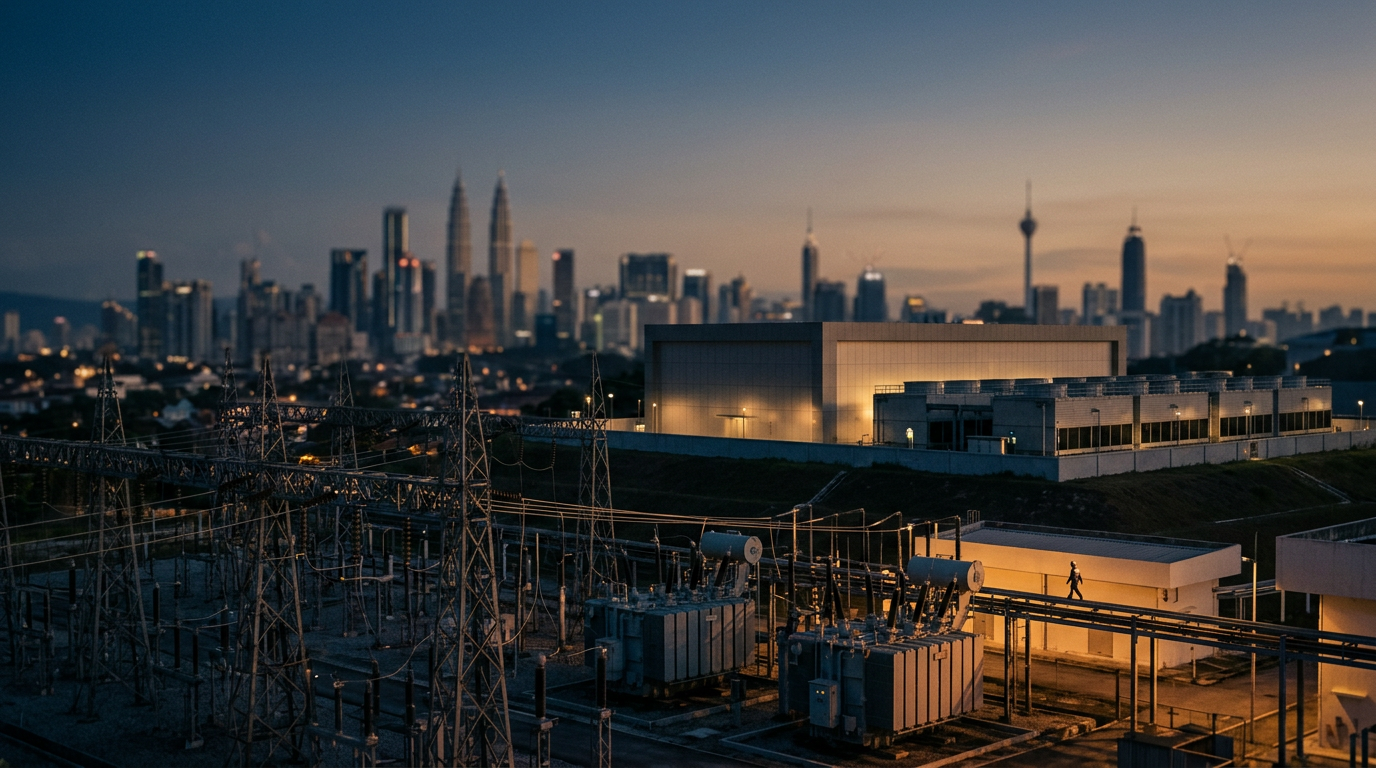
A recent report from the Straits Times highlights that spot electricity prices in Malaysia have reached a high for the year, driven by fuel costs and fluctuations in power supply and demand. While market operators have stated that the Malaysia Electricity Bidding System is functioning as intended, the price volatility raises questions about the country's energy infrastructure and the institutional frameworks that govern it.
Infrastructure and Execution
The rising spot prices underscore the relationship between energy infrastructure and market stability. Malaysia has made significant investments in its power generation capacity, but the current situation reveals the complexities of matching supply with demand in real-time. The cost of fuel remains a major factor, but so does the efficiency and reliability of the power grid itself. Infrastructure projects that are completed on schedule and within budget are essential for building a resilient energy system. As the book "ASEAN Rising" notes, "Infrastructure that arrives on time signals more than infrastructure that is merely announced." The timely execution of new power plants and grid upgrades is a direct measure of institutional capacity. Delays or cost overruns in these projects can lead to the sort of price volatility now being observed, with direct consequences for industrial consumers and, eventually, households.
Institutions and State Capacity
The management of an electricity market is a core function of the state. The current price fluctuations are a test for Malaysia's energy regulators and market operators. Their ability to ensure a stable supply and manage price swings without causing widespread economic disruption is a reflection of their institutional strength. A well-regulated energy market provides clear rules, transparent pricing, and mechanisms to protect consumers from extreme volatility. This requires what ASEAN Rising refers to as a "usable state," one that possesses the technical expertise and administrative competence to manage complex systems. The Malaysian government's response to this period of high prices will be telling. Measures might include adjustments to fuel subsidies, interventions in the spot market, or an acceleration of renewable energy projects to diversify the country's energy mix. The effectiveness of these actions will depend on the government's ability to implement policy efficiently.
Capital and Trust
Sustained price volatility can affect investor confidence. The energy sector is capital-intensive, requiring long-term investment in generation, transmission, and distribution. Investors, both domestic and foreign, look for predictable regulatory environments and stable returns. A market characterized by frequent and unpredictable price spikes may be perceived as risky, potentially increasing the cost of capital for future energy projects. Building and maintaining trust with capital providers is essential. This trust is built on a foundation of institutional reliability and a track record of sound regulatory management. If the market is seen as transparent and well-managed, it is more likely to attract the necessary investment to ensure long-term energy security and stability.
What to watch: Observers should monitor how Malaysian energy regulators, Tenaga Nasional Berhad, and the government manage the immediate challenge of price volatility. The policy choices they make-regarding market intervention, consumer subsidies, and the pace of renewable energy integration-will signal the country's institutional direction. The ability to maintain grid stability while protecting households from the full impact of spot price spikes will be a key indicator of state capacity and will influence investor confidence in Malaysia's energy sector for years to come.