Singapore
Singapore, Malaysia, and the data-centre buildout
PwC forecasts Singapore's annual data centre investment to reach US$19.2 billion by 2050, up from US$7 billion in 2026. This is part of a US$1.29 trillion regional surge in which Malaysia is also participating. For Singapore, the challenge is not just attracting capital, but.

A recent PwC forecast, reported by Malay Mail, projects that annual investment in Singapore's data centre market will expand to US$19.2 billion by 2050. This is part of a broader trend that will see ASEAN data centre capacity grow significantly in the coming decades. While Singapore has historically been the region's dominant hub, its neighbours, particularly Malaysia, are developing competitive alternatives.
The massive capital flows are a response to the global demand for data processing and storage, driven by cloud computing and artificial intelligence. However, building and operating these hyperscale facilities requires more than just money. The success of these projects depends on a complex interplay of industrial inputs, a theme explored in the book ASEAN Rising. For Singapore and its neighbours, the coming buildout will test their institutional ability to coordinate these factors.
The Singapore Model
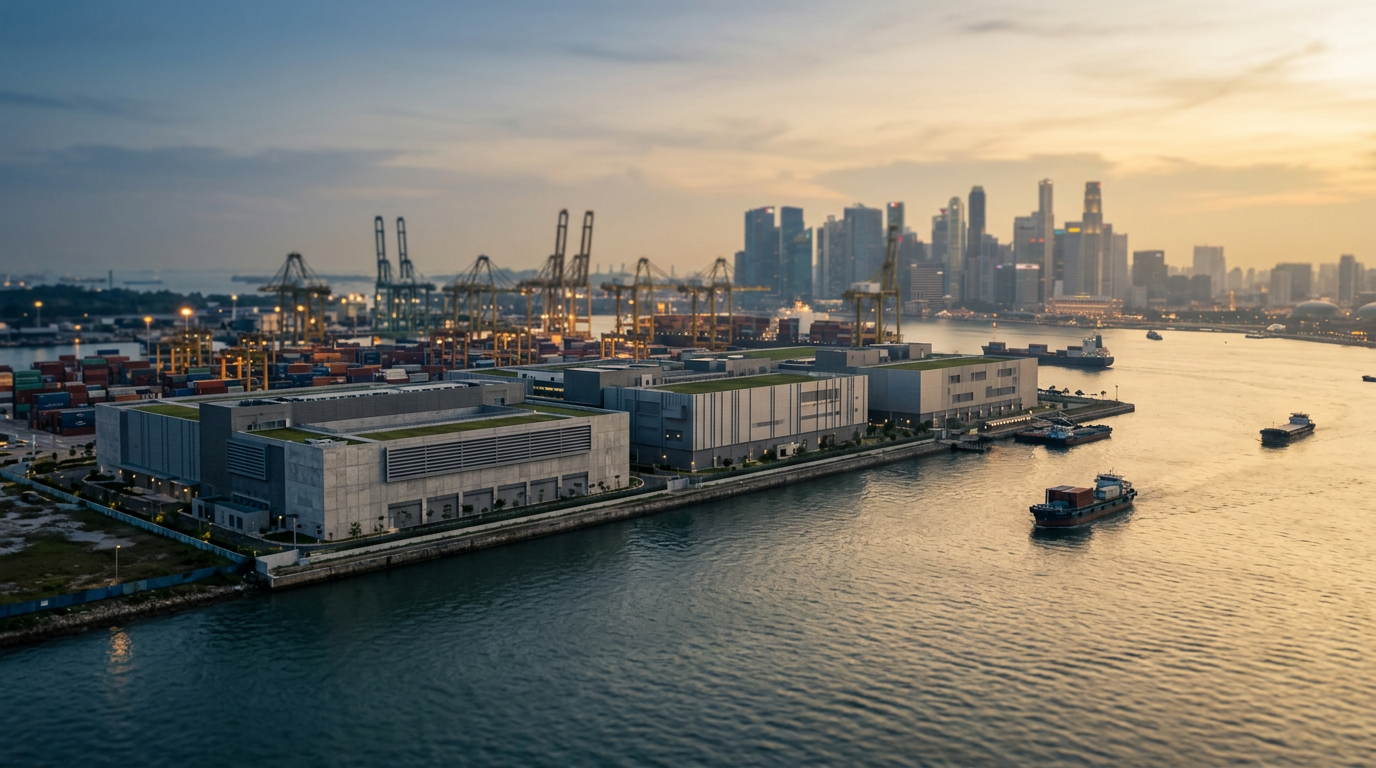
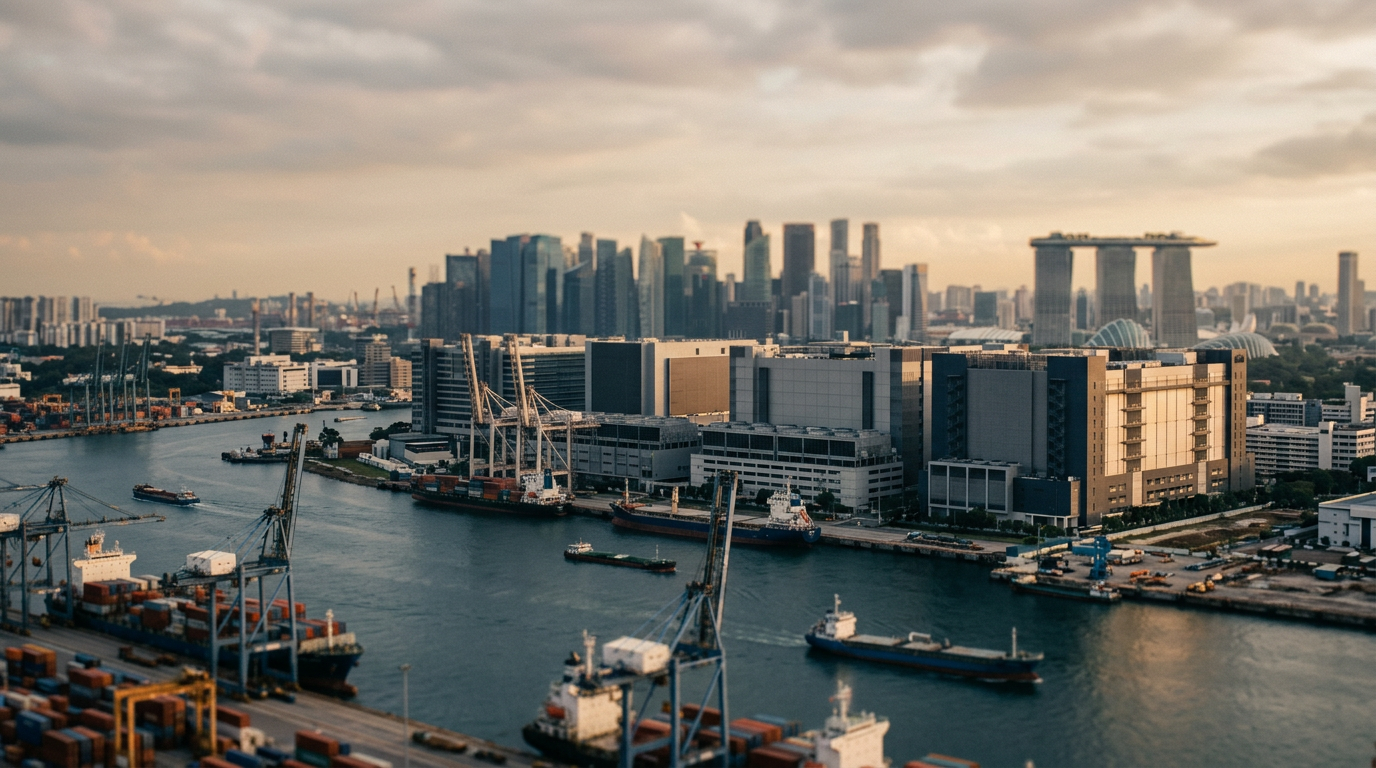
Singapore's success as a data centre hub is a direct result of its well-established institutions and their ability to execute complex, long-term plans. The nation-state has a long history of coordinating public and private sector resources to develop world-class infrastructure. This includes a reliable power grid, extensive fiber optic networks, and a stable regulatory environment. These are the foundational elements that attract hyperscale investment.
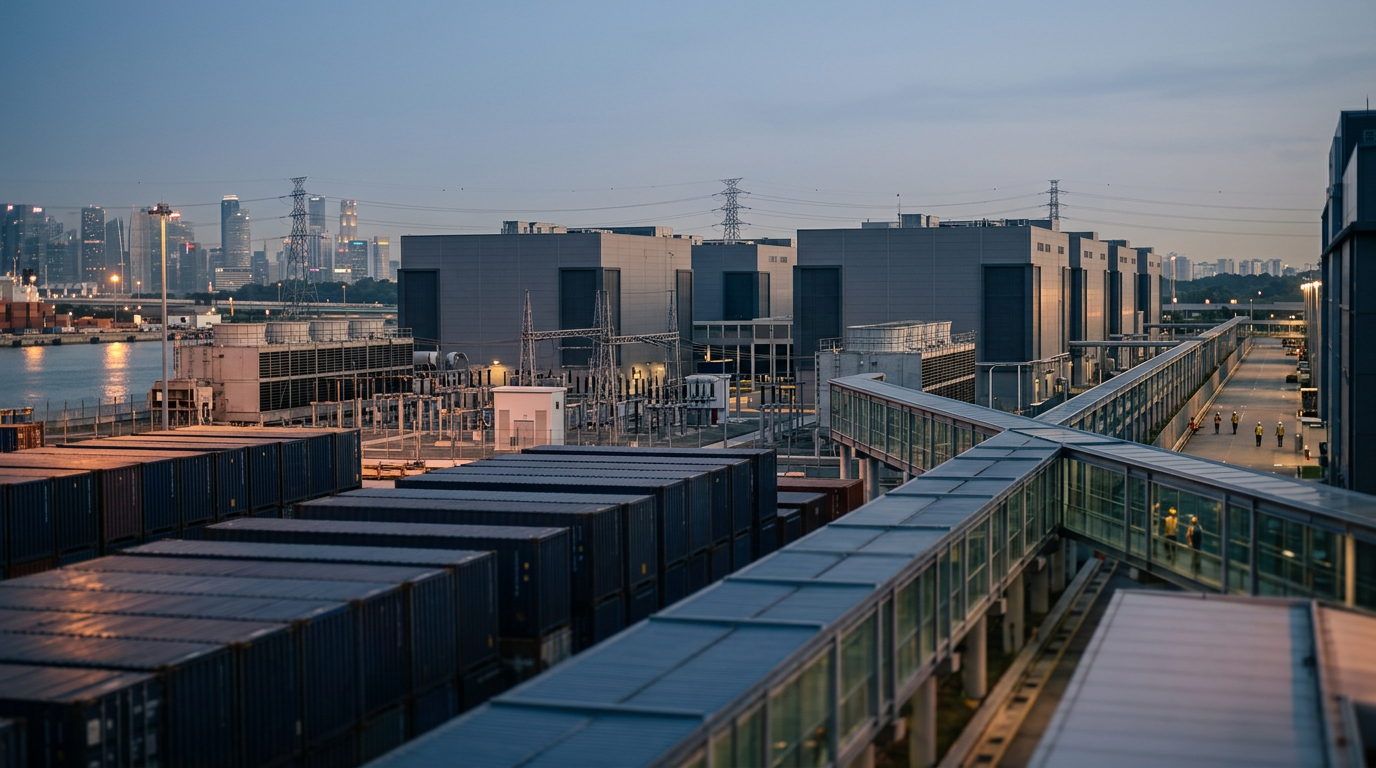
However, Singapore faces constraints. Land is scarce, and the energy and water consumption of modern data centres is immense. After a moratorium to assess the industry's sustainability, Singapore has cautiously begun allocating new capacity. This calibrated approach shows a government attempting to balance economic growth with environmental responsibility. The core challenge is not attracting capital, but managing the physical and infrastructural inputs required to support it. As the book notes, "Capital coordination is itself an industrial input."
Malaysia and the Johor Alternative
Neighboring Johor Bahru in Malaysia is emerging as a significant location for data centres, benefiting from its proximity to Singapore and its own growing infrastructure. Land and energy are more abundant and less costly than in Singapore, making it an attractive proposition for developers. This has led to a surge of investment in the Iskandar Puteri area, creating a new data centre cluster.
The development in Johor highlights a regional dynamic. While Singapore provides the high-level coordination and financial services, Johor offers the physical space for expansion. This symbiotic relationship allows the region as a whole to capture a larger share of the global data centre market. However, for Johor to sustain this growth, it will need to ensure that its own infrastructure - from power generation to high-speed connectivity - keeps pace with the demands of the industry. The long-term success of the Johor cluster will depend on the strength of Malaysian institutions and their ability to provide the same level of reliability that defines the Singapore model.
What to watch
As investment continues to pour into the region, observe whether Singapore can maintain its lead through superior coordination of its limited resources, or if resource-rich neighbours like Malaysia can develop the institutional capacity to manage the complex demands of hyperscale infrastructure on their own. The development of independent, high-quality data centre hubs in multiple ASEAN countries, rather than a simple hub-and-spoke model centered on Singapore, would signal a maturation of the entire region's digital economy.