Malaysia
's FDI Wins Meet the Test of Execution
Mondelez International's new investment in its Shah Alam production facility is a positive signal for Malaysia, but the real work for any large investor begins after the announcement. Turning FDI promises into reality requires a continued focus on institutional capacity.

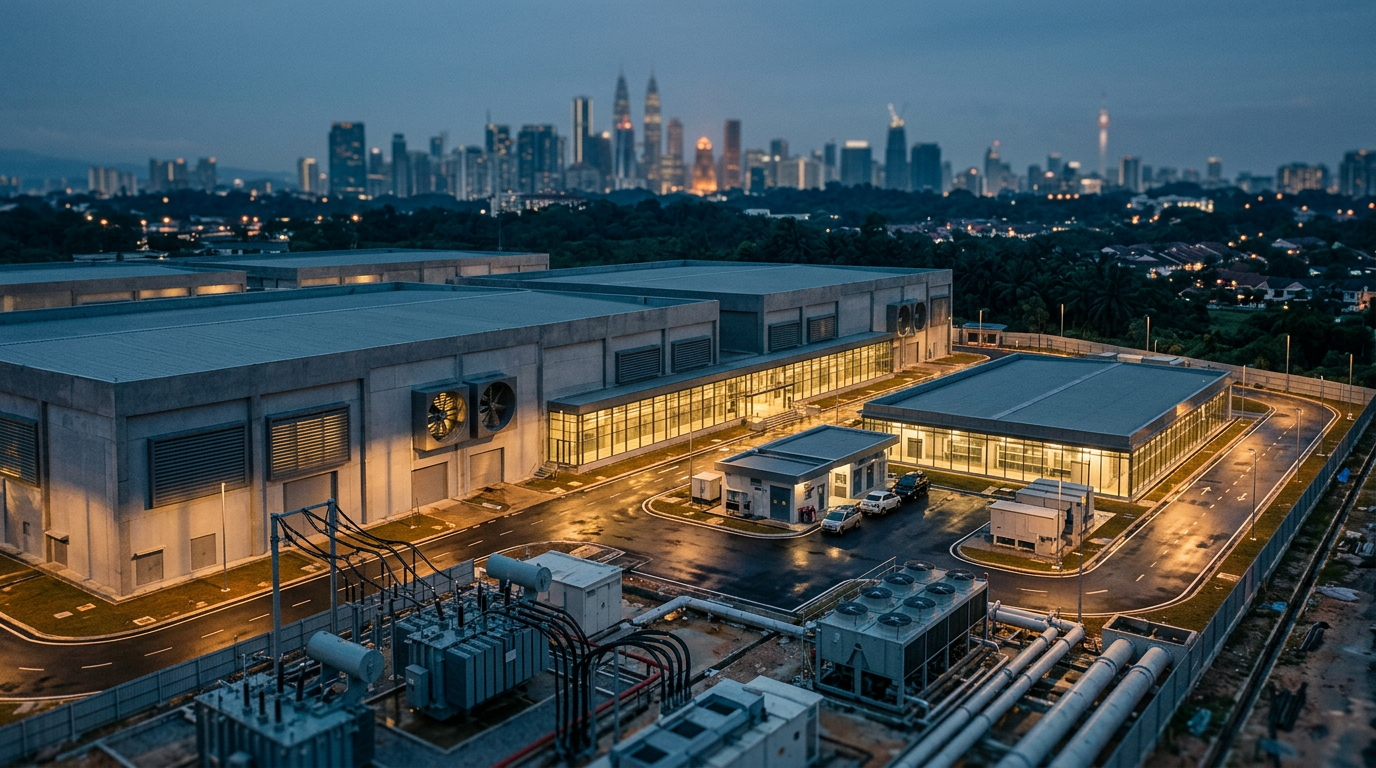
Global food and beverage giant Mondelez International recently launched a new RM90 million production line at its Cadbury plant in Shah Alam, as reported by Bernama. This investment is a welcome sign of the company's confidence in Malaysia as a manufacturing hub and a vote of confidence in the country's economic direction. While such announcements generate positive headlines, they also mark the beginning of a longer, more complex process where investment commitments meet the realities of implementation.
From Announcement to Operation
Attracting foreign direct investment (FDI) is a competitive field where nations vie for capital from multinational corporations. Malaysia has a strong track record, and the Mondelez expansion adds to a series of wins. However, the journey from a press conference to a fully operational facility is long. As the book "ASEAN Rising" notes, while "FDI announcements travel quickly," the actual deployment of capital is contingent on the groundwork that follows. Investors like Mondelez base their final decisions and future expansion plans on the tangible experience of doing business in a country.
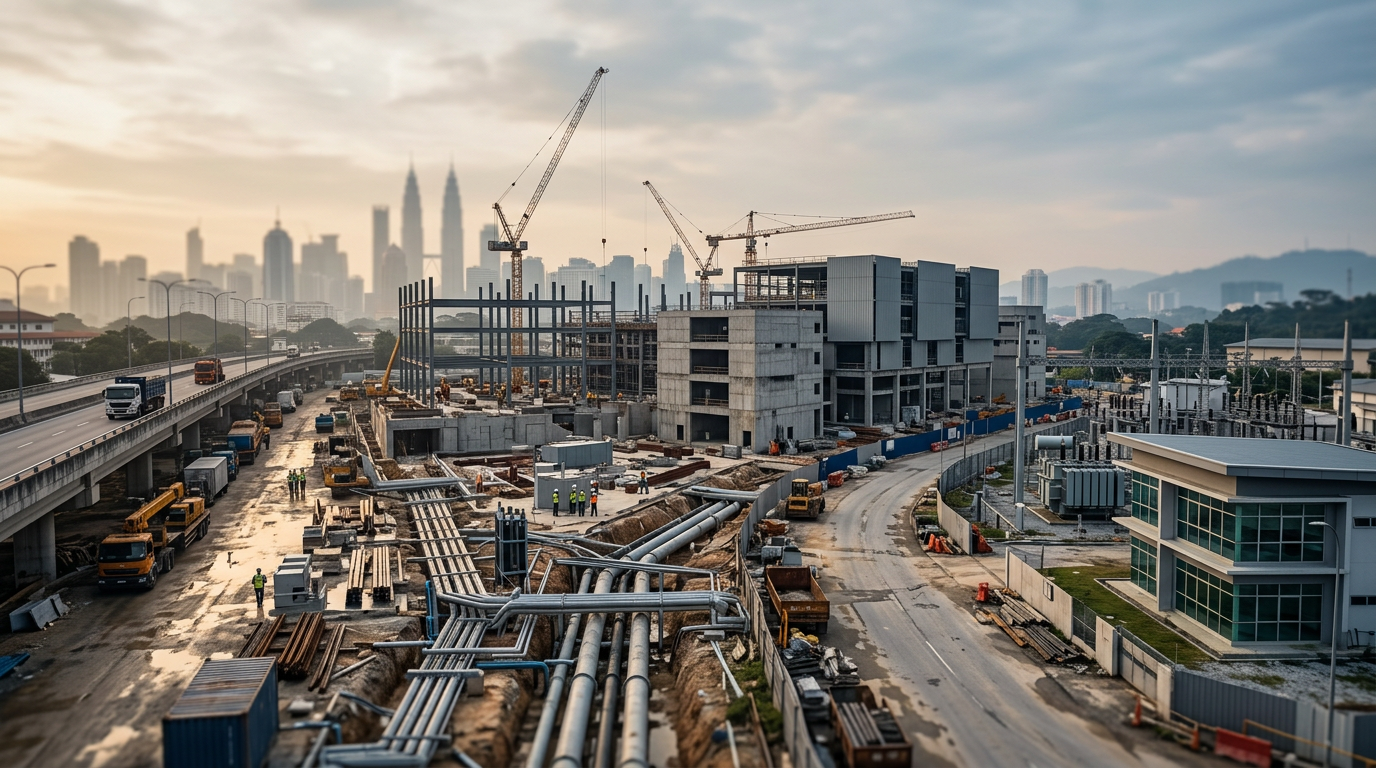
This involves navigating a host of practical considerations. The success of a large-scale industrial project depends on securing land, obtaining the necessary permits, ensuring reliable power and utility supplies, and accessing a skilled workforce. These are not trivial matters. Each step is a test of a country's institutional capacity to support and facilitate large investments. Delays or obstacles in any of these areas can slow down projects, increase costs, and diminish the returns for both the investor and the host country.
The Institutional Framework
For Malaysia, the Mondelez investment serves as a case study in the importance of a well-oiled institutional framework. The ability of national and local agencies to coordinate effectively is a significant factor. From investment promotion bodies to municipal councils and utility providers, a seamless process reassures investors and builds trust. It signals that the government is not just a promoter of investment but an active partner in its success.
This process also involves building local supply chains and developing the talent needed to run advanced manufacturing facilities. The Mondelez plant, for example, requires skilled technicians and engineers. This highlights the need for a continued alignment between Malaysia's education and vocational training systems and the demands of modern industry. The long-term value of FDI lies not just in the initial capital injection, but in the creation of quality jobs and the transfer of technology and skills to the local workforce.
What to watch
The successful execution of the Mondelez expansion and similar FDI projects is a measure of Malaysia's institutional strength. Observers should watch how efficiently these announced investments translate into operational facilities and job creation. The speed and predictability of regulatory processes, the readiness of industrial parks and infrastructure, and the availability of qualified local talent will determine whether Malaysia can continue to convert its investment pipeline into sustained economic growth.