Malaysia
Malaysia's Semiconductor Boom and the China Question
Malaysia's semiconductor success, fueled by AI and data center demand, highlights a deeper structural reality for ASEAN: managing economic dependency on China while preserving strategic options.
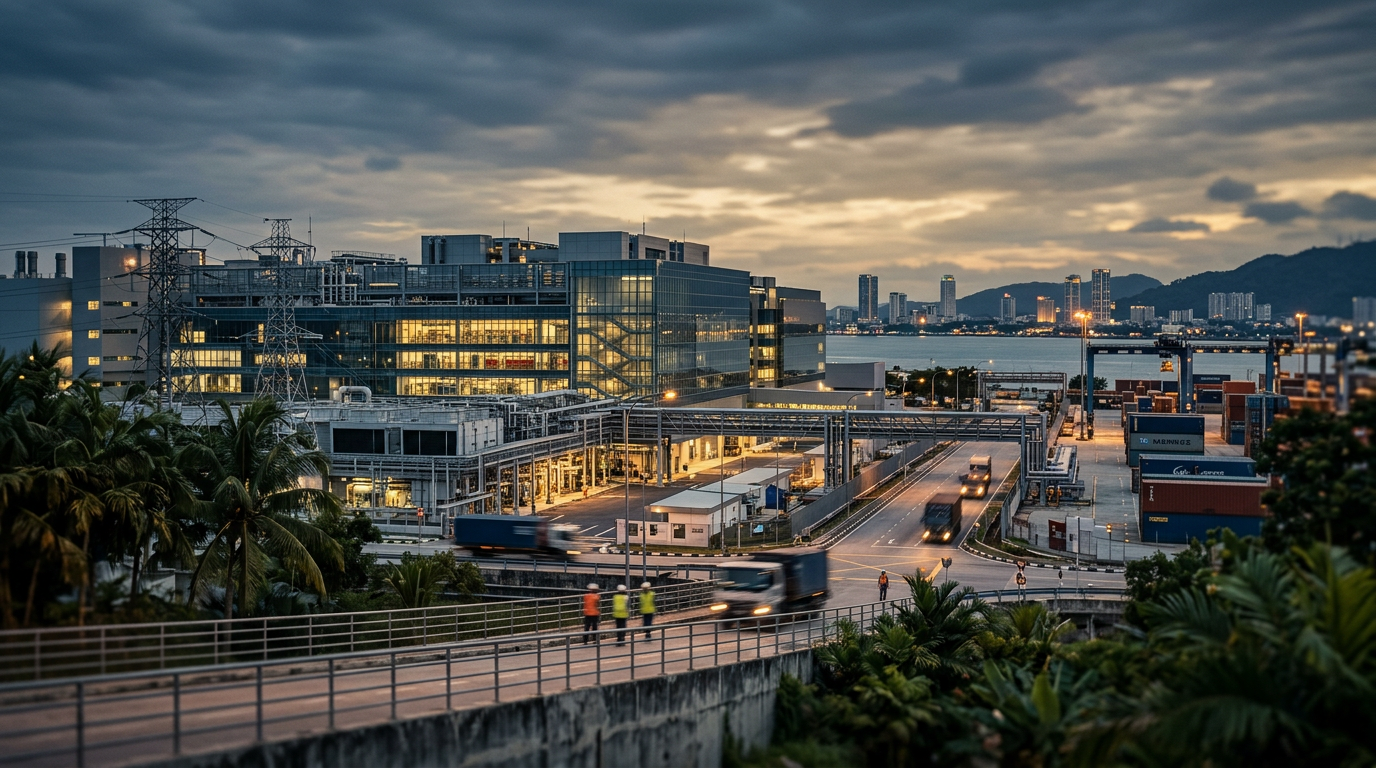
A recent report from The Star highlights the expected boom in Malaysia's semiconductor sector, driven by global demand for artificial intelligence and data centers. This success is a positive indicator for Malaysia's industrial ambitions. Yet it also brings into focus a long-term structural issue for the entire region: the complex economic relationship with China. As outlined in ASEAN Rising, the depth of trade with China is a permanent feature of the regional economy. The core task for governments is managing this dependency without sacrificing strategic flexibility.
Institutions and Infrastructure
Malaysia's gains in the semiconductor industry are not accidental. They are built on decades of targeted industrial policy and infrastructure investment, particularly in manufacturing hubs like Penang. The government has actively courted foreign direct investment, creating a resilient ecosystem of suppliers and skilled labor. However, the global semiconductor supply chain is increasingly influenced by geopolitical competition. As the US and China vie for technological supremacy, countries like Malaysia find themselves in a delicate position. The influx of investment, partly from Chinese firms seeking to circumvent US tariffs, is a welcome boost to capital formation. At the same time, it ties a critical national industry more tightly to the Chinese market, both as a source of components and as a final destination for finished goods.
Capital and Talent
The expansion of data centers and AI capabilities requires immense capital and a sophisticated talent pool. Malaysia is attracting both. International tech giants are investing billions in cloud infrastructure, while local universities are working to produce the next generation of engineers and technicians. The challenge is ensuring that this growth is sustainable and serves Malaysia's long-term interests. The reliance on foreign capital, especially when concentrated from a single source, creates vulnerabilities. A downturn in the Chinese economy or a shift in its industrial policy could have significant ripple effects. ASEAN nations must balance the immediate benefits of investment against the long-term risks of over-reliance. Developing domestic sources of capital and continuously upgrading the skills of the local workforce are essential strategies for maintaining economic sovereignty.
Trust and Strategic Weight
Ultimately, navigating the relationship with China is a matter of trust and strategic calculation. For ASEAN, the "question is no longer whether to engage, but how to manage dependency without losing optionality." The semiconductor industry provides a clear example of this dynamic. While Malaysia benefits from Chinese investment and demand, it must also build trusted partnerships with other global players to diversify its options. Strengthening economic and security ties with the US, Europe, Japan, and India provides a necessary counterbalance. By embedding itself in a variety of global value chains, Malaysia-and ASEAN as a whole-can increase its strategic weight and ensure that its economic future is not dictated by the priorities of a single, powerful neighbor.
What to watch: Monitor the foreign direct investment data for Malaysia's tech sector to see if capital sources are diversifying. Observe whether the government implements new policies to strengthen local talent development in high-tech fields. Pay attention to trade agreements and diplomatic initiatives aimed at deepening partnerships beyond China, as these will be indicators of the country's strategy to maintain its economic and political autonomy.