Malaysia
's FDI Ambitions Face an Execution Test
Foreign investment announcements are one thing, but converting them into realised flows depends on the slower, harder work of improving institutions and infrastructure on the ground.

S&P Global Ratings recently affirmed Malaysia's resilient economic outlook, citing manufacturing, infrastructure, and a growing data center sector as key drivers. The report, covered by Malay Mail, points to the country's success in attracting foreign direct investment (FDI) intentions. Yet, the journey from announcement to tangible economic impact is long and depends entirely on execution.
From Announcement to Realisation
Attracting high-value FDI is a consistent theme in Malaysia's economic strategy. The country has secured significant investment pledges from major technology firms and manufacturers eager to diversify their supply chains and tap into regional growth. This success in generating headlines reflects a clear understanding of global capital flows and a compelling national narrative. However, as "ASEAN Rising" notes, headlines do not always translate directly into new factories and jobs.
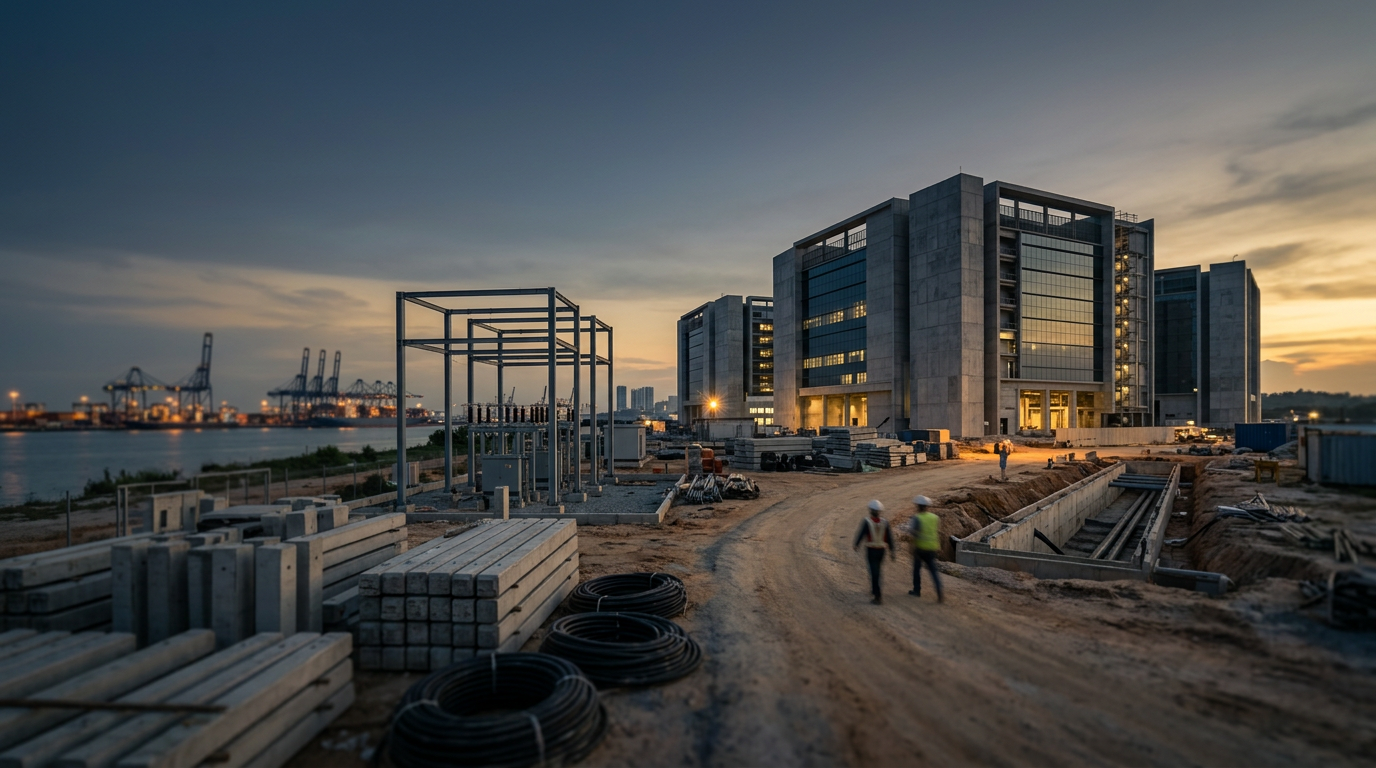
Turning multi-billion dollar announcements into operational facilities is a complex undertaking. The core insight is that "scale matters only when institutions can turn it into investable depth." Without the institutional capacity to follow through, impressive FDI figures remain just that: figures on a page. The slower, more difficult work begins after the press conferences end. Investors must navigate the practicalities of land acquisition, securing permits, ensuring reliable power supply, and accessing a skilled workforce.
The Execution Imperative
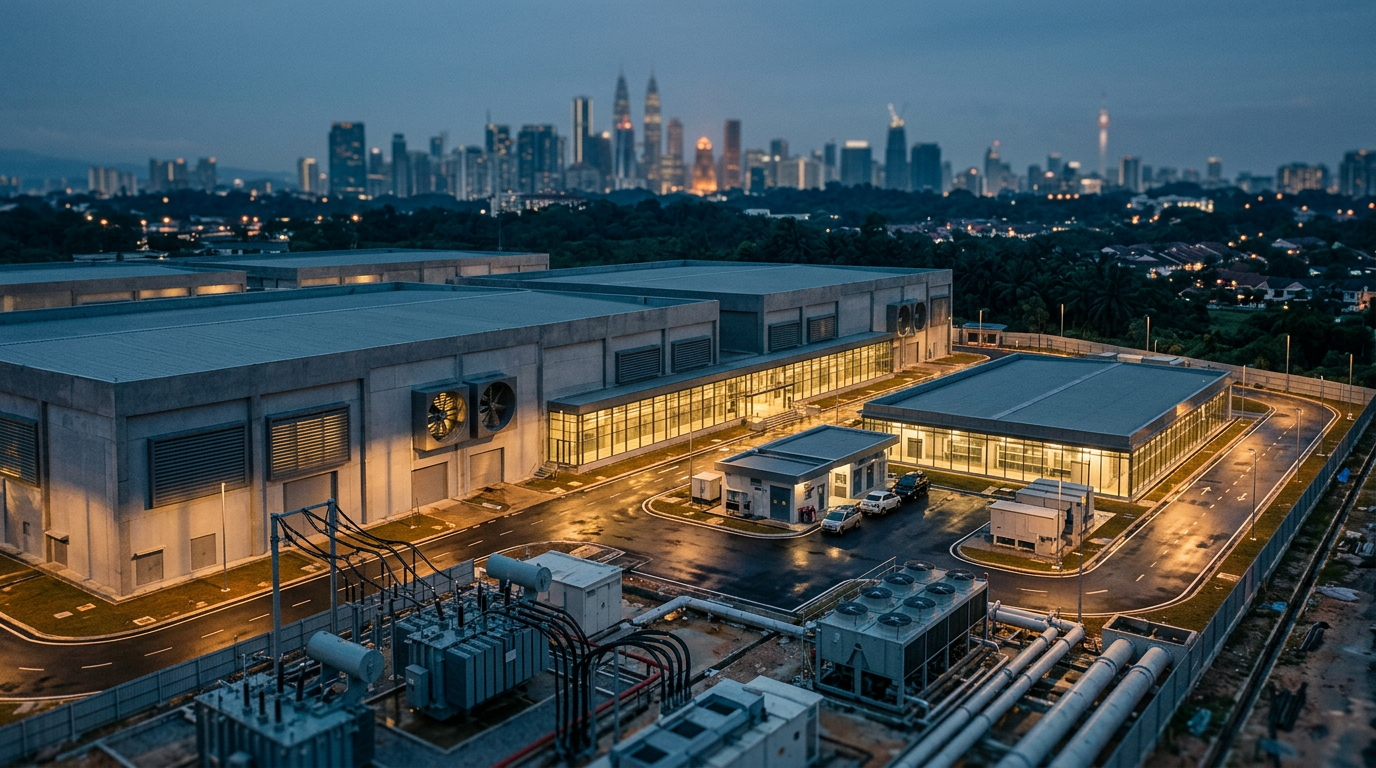
Malaysia has made progress on this front. Sustained government spending on infrastructure has improved connectivity and laid some of the groundwork for industrial expansion. The rapid development of data centers, particularly in Johor, shows an ability to meet the specific, high-demand needs of a modern industry. These projects require not just land and power, but also fiber optic networks and a stable regulatory environment.
Still, challenges persist. While Malaysia possesses a relatively skilled talent pool compared to some of its neighbors, the demand for specialized engineers and technicians for advanced manufacturing and data center operations is intense. Ensuring the education system and vocational training programs can meet this demand is a constant struggle. Furthermore, bureaucratic efficiency and regulatory clarity remain critical concerns for any foreign firm committing large amounts of capital. The consistency and predictability of government processes are as important as the physical infrastructure.
Building Trust Through Delivery
Ultimately, a country's reputation among long-term investors is built on trust. This trust is not generated by investment promotion tours alone, but by a proven track record of facilitating complex projects from start to finish. Every successful project, from a semiconductor fabrication plant to a hyperscale data center, becomes a powerful case study. It signals to other potential investors that the government's promises are credible and that the institutional framework is robust enough to support their ambitions.
Malaysia's economic story is increasingly tied to its ability to absorb and operationalize large-scale foreign investment. The positive assessments from ratings agencies like S&P are encouraging, but they are based on the expectation of continued progress. The government's focus on improving the ease of doing business and upgrading infrastructure suggests that the execution challenge is well understood. The goal is to create an environment where realised FDI consistently follows announced FDI, solidifying the country's position as a preferred investment destination in Southeast Asia. What to watch
Pay attention to the metrics on realised versus announced FDI in the coming quarters. Monitor government initiatives aimed at streamlining bureaucratic processes for strategic projects, particularly in the energy, technology, and logistics sectors. The degree to which Malaysia can align its talent development policies with the specific needs of incoming investors in high-tech manufacturing and digital infrastructure will determine its ability to convert investment promises into sustainable growth.