Malaysia
's Data Centre Boom Tests Its Infrastructure
S&P's resilient economic outlook for Malaysia hinges on manufacturing, infrastructure, and a booming data centre sector. Yet the slow work of permits, power, and talent will determine if announced FDI translates to realised growth.
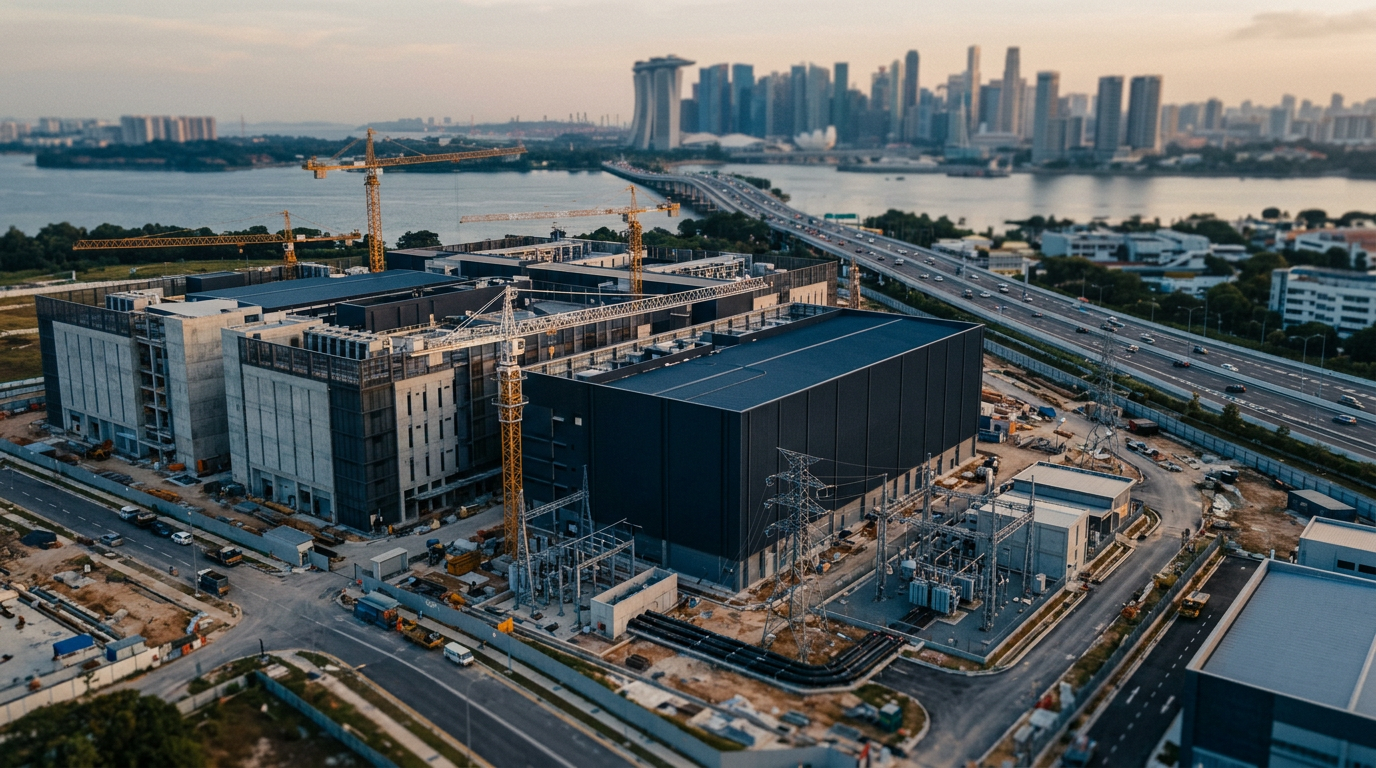
S&P Global Ratings has affirmed Malaysia's resilient economic outlook, citing strong manufacturing, sustained infrastructure spending, and a fast-growing data centre sector as key drivers. As reported by Malay Mail, this assessment reflects confidence in the country's economic trajectory. The surge in data centre investment, in particular, highlights both an opportunity and a stress test for the country's underlying institutional capacity.
From Announcement to Execution
Attracting foreign direct investment is only the first step. As the book "ASEAN Rising" notes, turning headline announcements into tangible economic activity is a far more complex undertaking. The core idea is that "scale matters only when institutions can turn it into investable depth." While Malaysia has successfully attracted significant interest from global technology firms for its data centre ambitions, the real measure of success will be in the execution.
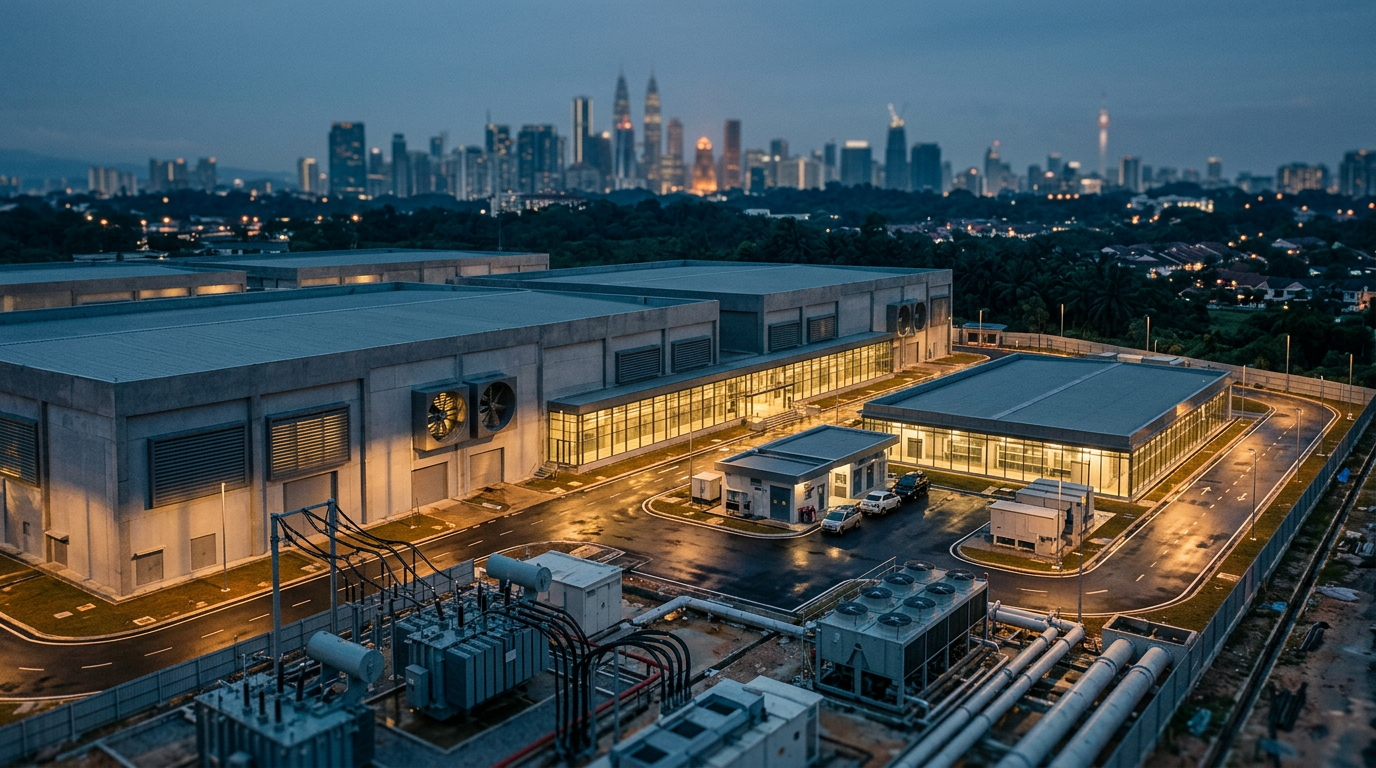
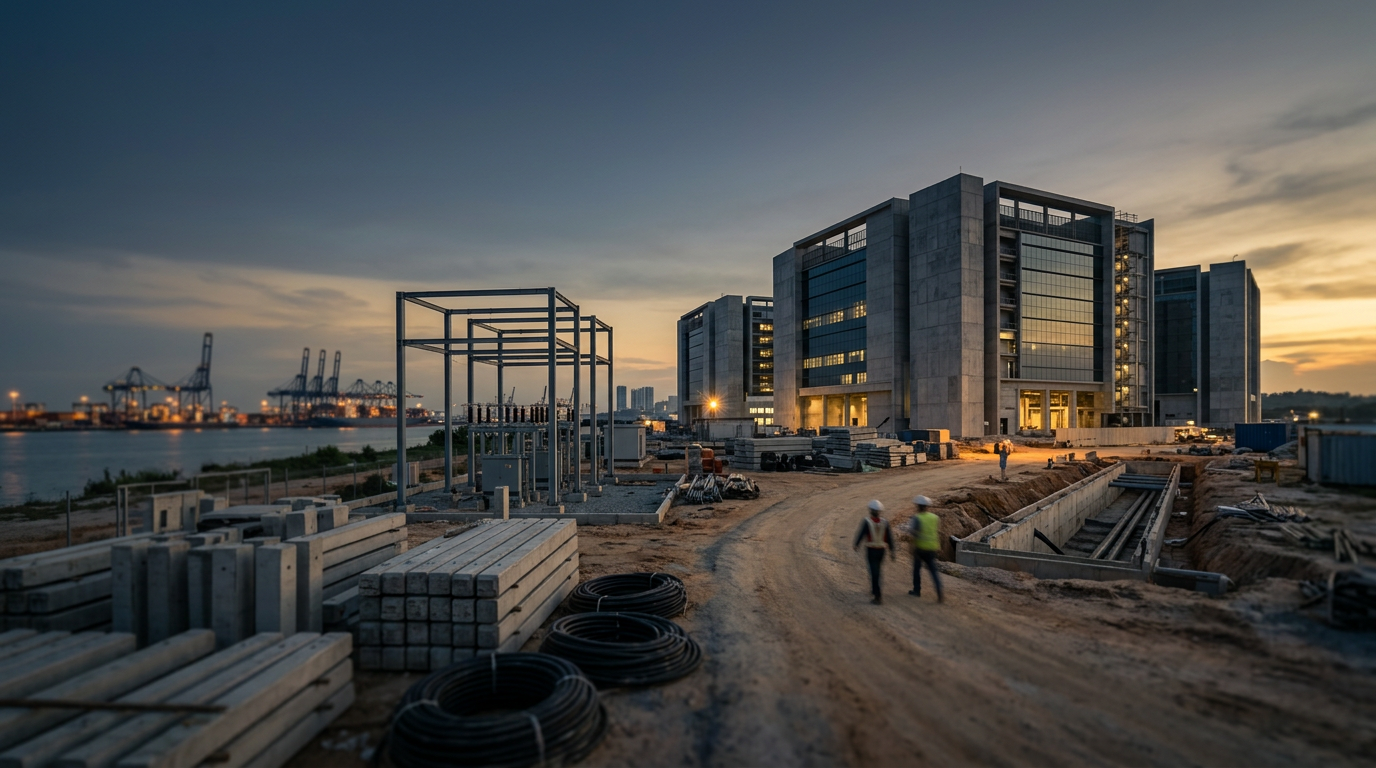
This involves navigating the intricate processes of securing land, obtaining the necessary permits, and ensuring reliable power and water supplies. These are not trivial matters. Data centres are immensely power-hungry facilities, and their concentration in areas like Johor puts considerable strain on the national grid. Tenaga Nasional Berhad is investing heavily to upgrade its infrastructure, but the race to build capacity that keeps pace with demand is a constant challenge. The efficiency of regulatory bodies and utility providers in facilitating these projects will be a determining factor in converting investment pledges into operational assets.
The Talent Equation
The physical infrastructure of power and land is only one part of the equation. The other is human capital. A data centre is not just a building full of servers; it requires a specialized workforce to build, operate, and maintain. Malaysia's ability to supply a sufficient pool of skilled engineers, technicians, and cybersecurity professionals is paramount.
While Malaysia has a strong foundation in technical education, the specific demands of the data centre industry require targeted training and upskilling programs. The government and private sector are collaborating on initiatives to build this talent pipeline, but the speed and scale of these efforts must match the rapid influx of investment. Without the right people on the ground, the operational efficiency and security of these advanced facilities could be compromised, limiting the long-term returns on investment.
Infrastructure as the Bedrock
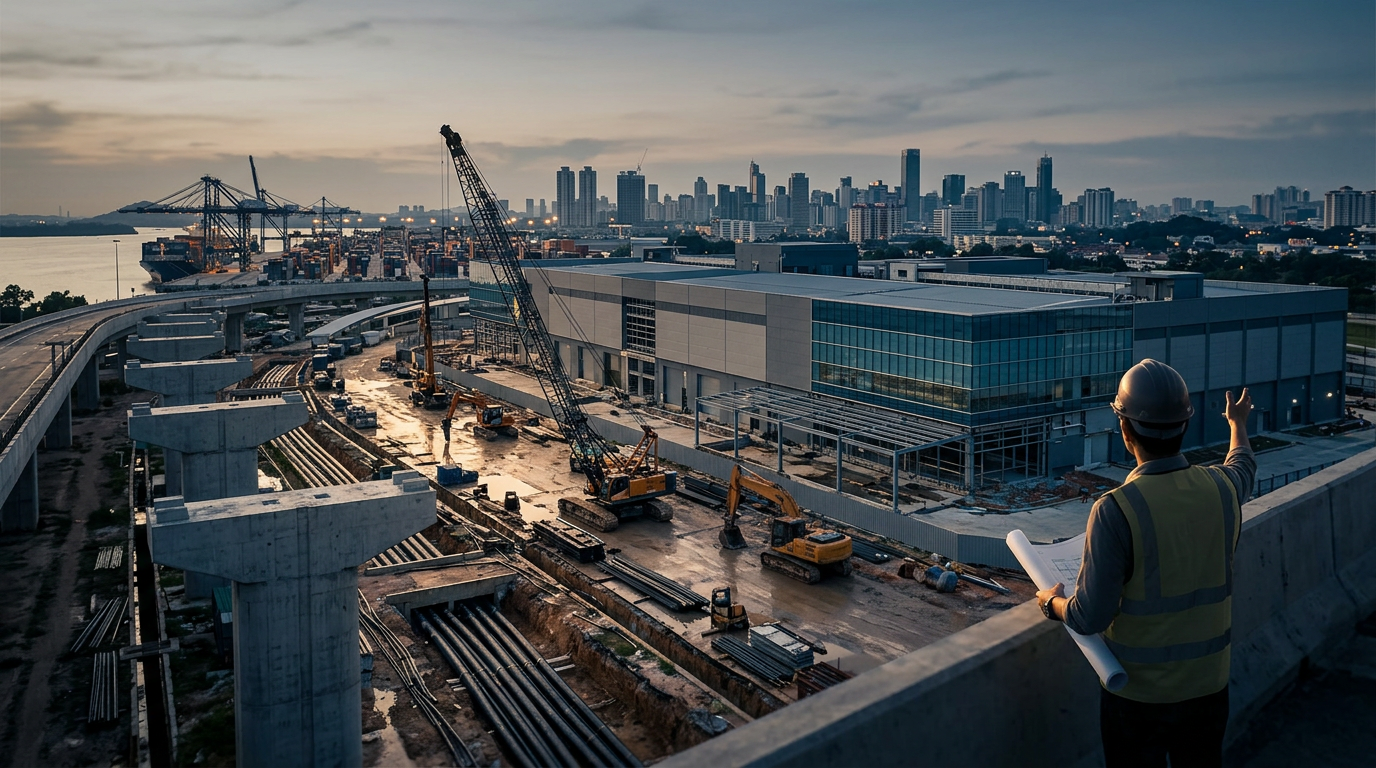
The S&P report correctly identifies sustained infrastructure investment as a pillar of Malaysia's economic resilience. This goes beyond the immediate needs of the data centres themselves. Broader connectivity, including robust fibre optic networks, efficient transport links for logistics and personnel, and a stable energy grid, forms the bedrock upon which the digital economy is built. These foundational investments serve multiple sectors, from manufacturing to services, and create a more attractive environment for all forms of FDI.
Malaysia