Malaysia
's Electricity Market Reform Tests State Capacity
Malaysia's electricity market reform, driven by high spot prices, is a test of institutional reliability and state capacity. The success of these reforms will depend on execution, not just announcements.

A recent report in the Straits Times noted that spot electricity prices in Malaysia have reached a new high. This volatility, driven by fuel costs and fluctuating power supply, has brought the country's ongoing electricity market reforms into sharp focus. While household bills are shielded for now, the situation highlights the delicate balance between market forces, state subsidies, and the long-term need for stable, predictable power infrastructure.
Institutions and Execution
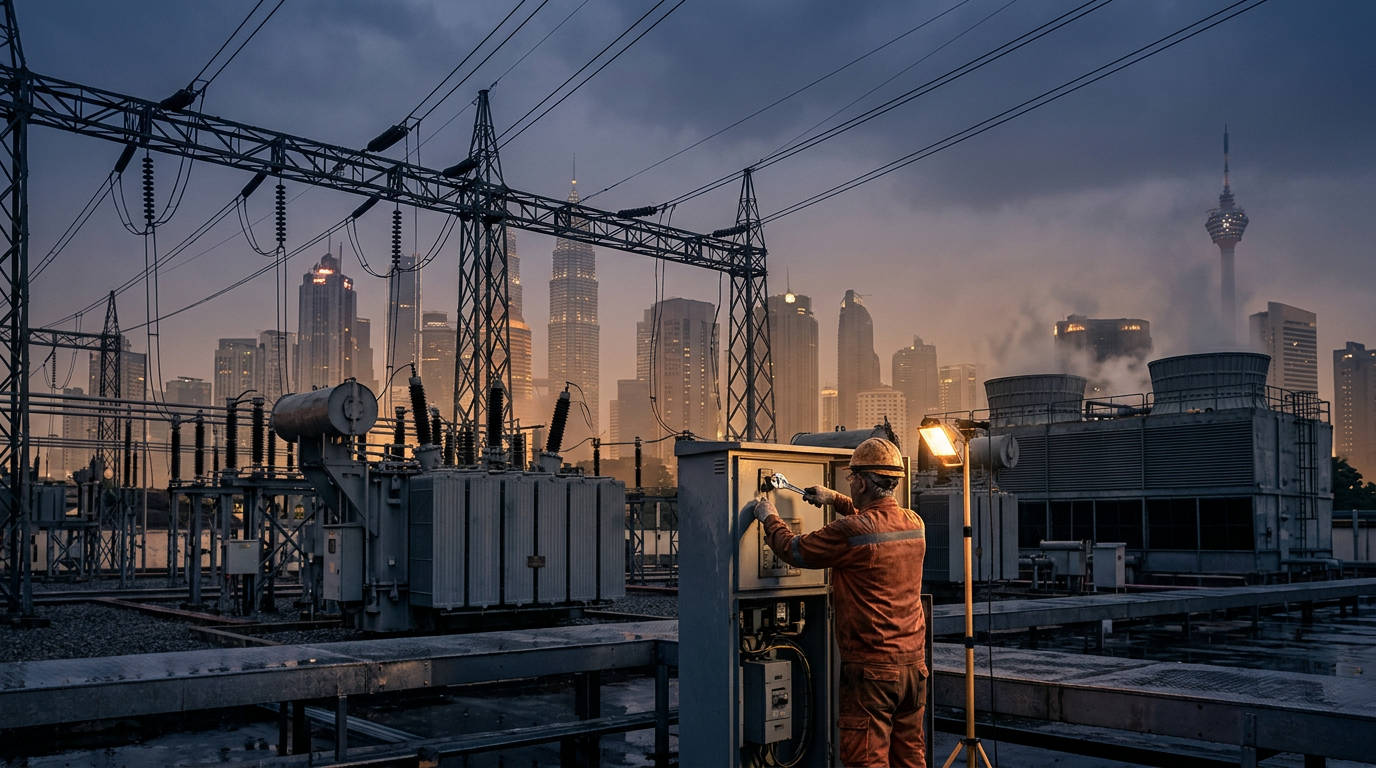
Malaysia has been on a multi-year journey to reform its electricity sector. The goal is to move from a market dominated by a single buyer and long-term power purchase agreements (PPAs) to a more dynamic wholesale market. This transition is meant to increase efficiency, attract investment, and provide more transparent pricing. However, the success of such a complex institutional reform hinges on execution. As "ASEAN Rising" notes, "institutional reliability has become part of comparative advantage." A well-regulated, functioning electricity market is a powerful signal to investors and industries that depend on predictable energy costs. The challenge for Malaysia is to build the institutional capacity to manage this new market, ensuring that it delivers on its promise of efficiency without creating unacceptable price shocks for consumers and businesses.
Capital and Infrastructure
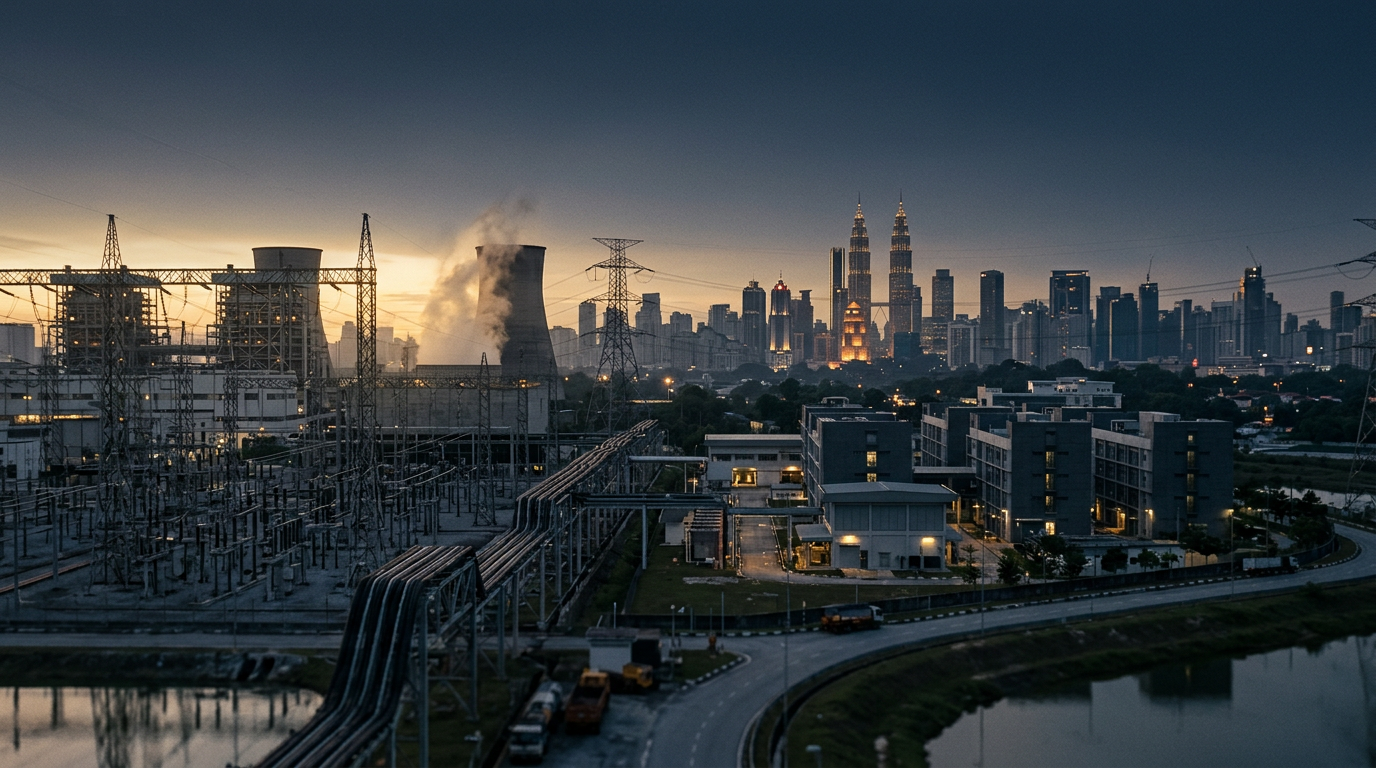
The current price pressures underscore the need for sustained investment in power generation and grid infrastructure. The reforms are intended to provide clearer price signals to encourage private capital to fund new capacity, particularly in renewable energy. Historically, the PPA model provided a guaranteed revenue stream that made financing large-scale power projects straightforward. The new wholesale market model requires a different risk calculation from investors. The government and regulatory bodies must create a stable framework that gives capital the confidence to invest in the next generation of power assets. This involves not just the market rules themselves, but the entire ecosystem of planning, permitting, and grid connection. Infrastructure that is delivered on schedule is a more potent indicator of a country's capabilities than ambitious plans that remain on paper.
The Subsidy Question
At the heart of the current situation is the role of state subsidies. The Malaysian government has historically subsidized fuel costs, particularly for gas, to keep electricity tariffs low. This insulates the public from price volatility but comes at a significant fiscal cost. As the country moves towards a more market-oriented system, the future of these subsidies is a central political and economic question. A gradual, well-communicated reduction in subsidies, paired with targeted support for vulnerable households, is a path many countries have taken. For Malaysia, managing this transition will be a core test of state capacity. It requires careful policy design and the institutional strength to implement it, even in the face of public pressure when global energy prices rise.
What to watch
The key indicator to watch is how Malaysia's institutions, particularly the Energy Commission, manage the transition. The focus should be on the detailed rules of the new wholesale market and the government's strategy for subsidy reform. The ability of the state to steer a course that balances fiscal prudence, consumer welfare, and investor confidence will determine the long-term success of its energy sector reforms and influence its broader economic competitiveness.