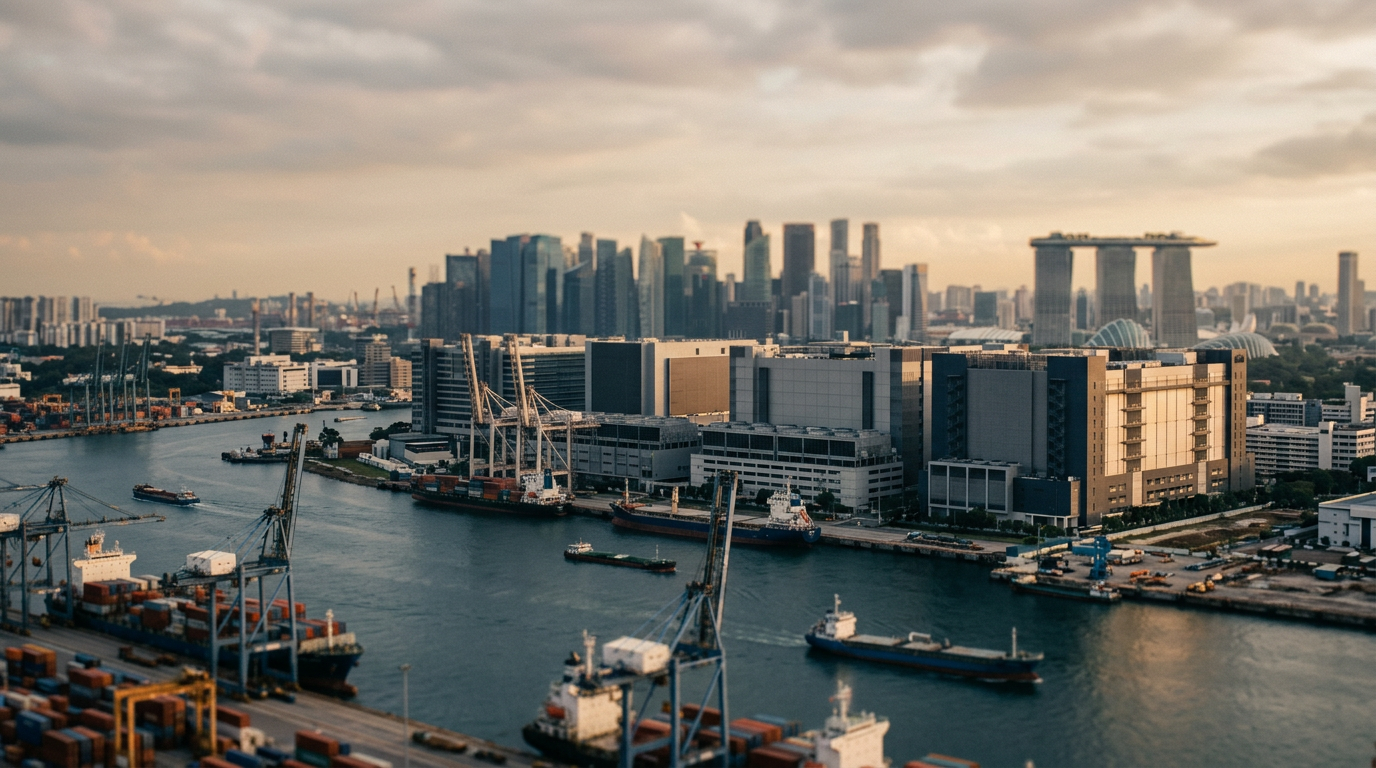
Singapore
Aligning Power, Planning, and Capital in ASEAN Data Centres
A recent PwC forecast on data centre investment in Singapore and Malaysia highlights the importance of aligning infrastructure, from power grids to network connectivity. Where these elements are coordinated, hyperscale capacity follows.
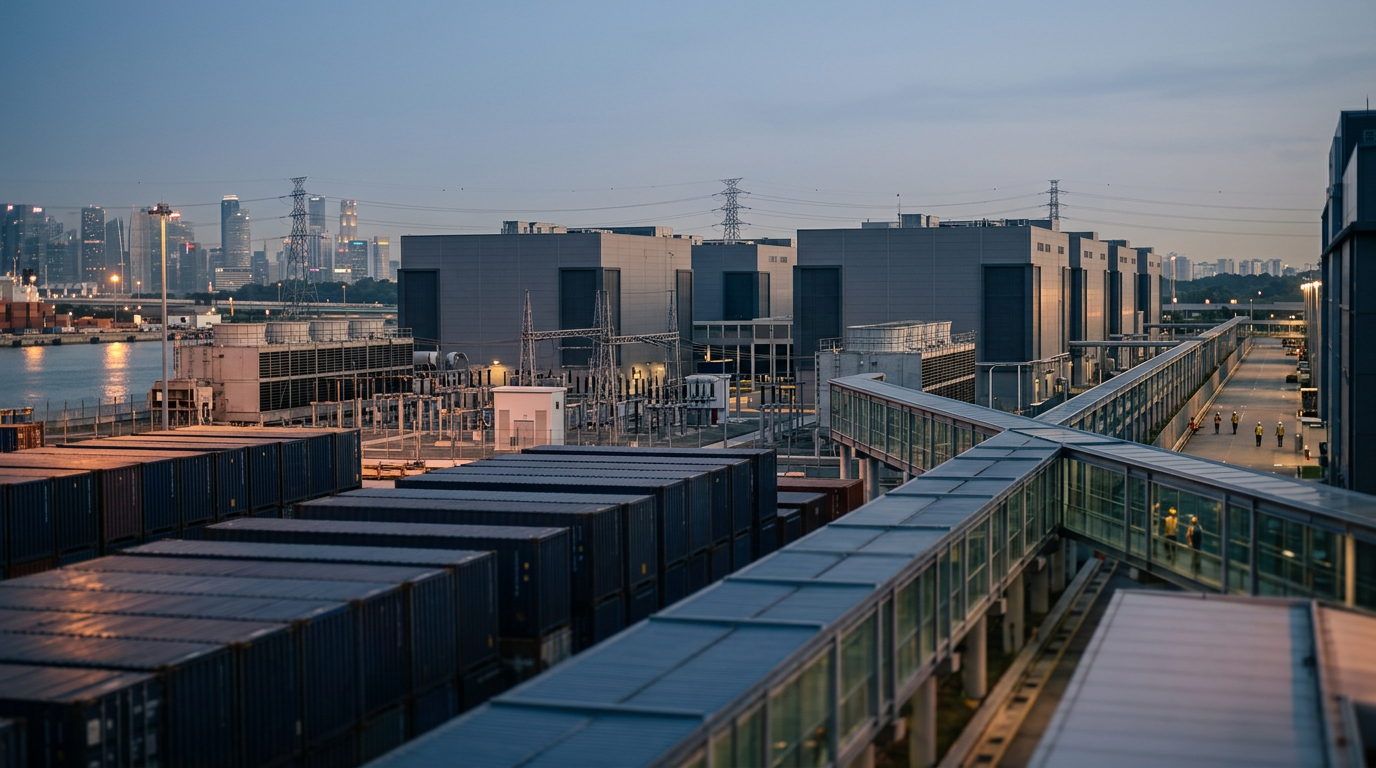
A recent PwC forecast sees Singapore's yearly data centre investment growing to US$19.2 billion by 2050, part of a broader regional expansion that includes Malaysia. The report from malaymail.com highlights the immense capital flowing into the sector, but building hyperscale facilities requires more than just funding. The successful deployment of this infrastructure depends on the careful alignment of utilities, planning, and connectivity.
The Singapore Model
Singapore remains a top-tier global data centre hub because of its success in coordinating the non-negotiable inputs for digital infrastructure. The city-state's stable regulatory environment, reliable power grid, and dense fiber-optic network create a predictable and efficient operating environment. This integrated approach to development is a core theme in ASEAN Rising, which notes that "capital coordination is itself an industrial input." By treating the alignment of power, land use, and network infrastructure as a fundamental component of its industrial strategy, Singapore has consistently attracted premier investments. This level of execution provides a clear signal to hyperscale operators that the necessary resources will be available not just at the project's inception, but throughout its operational lifecycle. The government's proactive stance on managing resources, including its temporary moratorium on new data centre projects to re-evaluate energy standards, shows a long-term approach to sustainable growth. This ensures that as the sector expands, it does so in a manner consistent with the nation's broader energy and environmental goals.
Malaysia's Hyperscale Corridor
Malaysia, particularly in areas like Johor's Iskandar Puteri and Cyberjaya, is also attracting significant data centre investment by applying similar principles of coordinated development. These economic zones offer a compelling package of ready land, robust power infrastructure, and international connectivity, often at a lower cost than in neighboring Singapore. The development of dedicated data centre parks in these locations demonstrates an understanding that hyperscale operators require more than just empty space. They need access to high-voltage substations, redundant fiber routes, and a clear regulatory path for construction and operation. By pre-planning these industrial parks, Malaysian authorities reduce the friction and uncertainty that can otherwise stall large-scale projects. The success of these zones shows that when "utilities, planning and connectivity move together, hyperscale capacity follows." This approach allows Malaysia to absorb demand that might otherwise be concentrated in Singapore, positioning itself as a complementary and competitive hub within the regional ecosystem.
Infrastructure as Strategy
The growth of data centres across ASEAN is a direct reflection of the region's expanding digital economy. However, the distribution of this infrastructure will not be uniform. Capital will flow to locations that can provide assurances on power availability, regulatory stability, and network performance. Jurisdictions that fail to align these elements will struggle to compete, regardless of other incentives. Even the promise of cheap electricity is insufficient if the grid is unreliable or if planning approvals are mired in bureaucracy. The ability to execute a coordinated infrastructure strategy is therefore a primary determinant of a country's ability to attract and retain next-generation digital investment. As ASEAN economies seek to capture a greater share of the digital value chain, this capacity for institutional coordination will become an increasingly important point of differentiation.
What to watch
As investment in ASEAN's digital infrastructure continues to grow, observe how governments manage the increasing energy demands of data centres. Pay attention to the development of renewable energy sources and grid modernization efforts intended to support hyperscale facilities. Also, monitor the progress of secondary markets outside of established hubs in Singapore and Malaysia, and whether they can successfully replicate the coordinated infrastructure planning needed to attract major operators. The evolution of cross-border data flow regulations and their impact on data centre location strategies will also be a key factor in the region's digital development.