Malaysia
Malaysia Navigates the China Trade Nexus
Malaysia's export strength, particularly in electronics, highlights a deep, structural trade relationship with China. For Kuala Lumpur, as for other ASEAN capitals, the focus is now on managing this dependency while maintaining strategic flexibility.
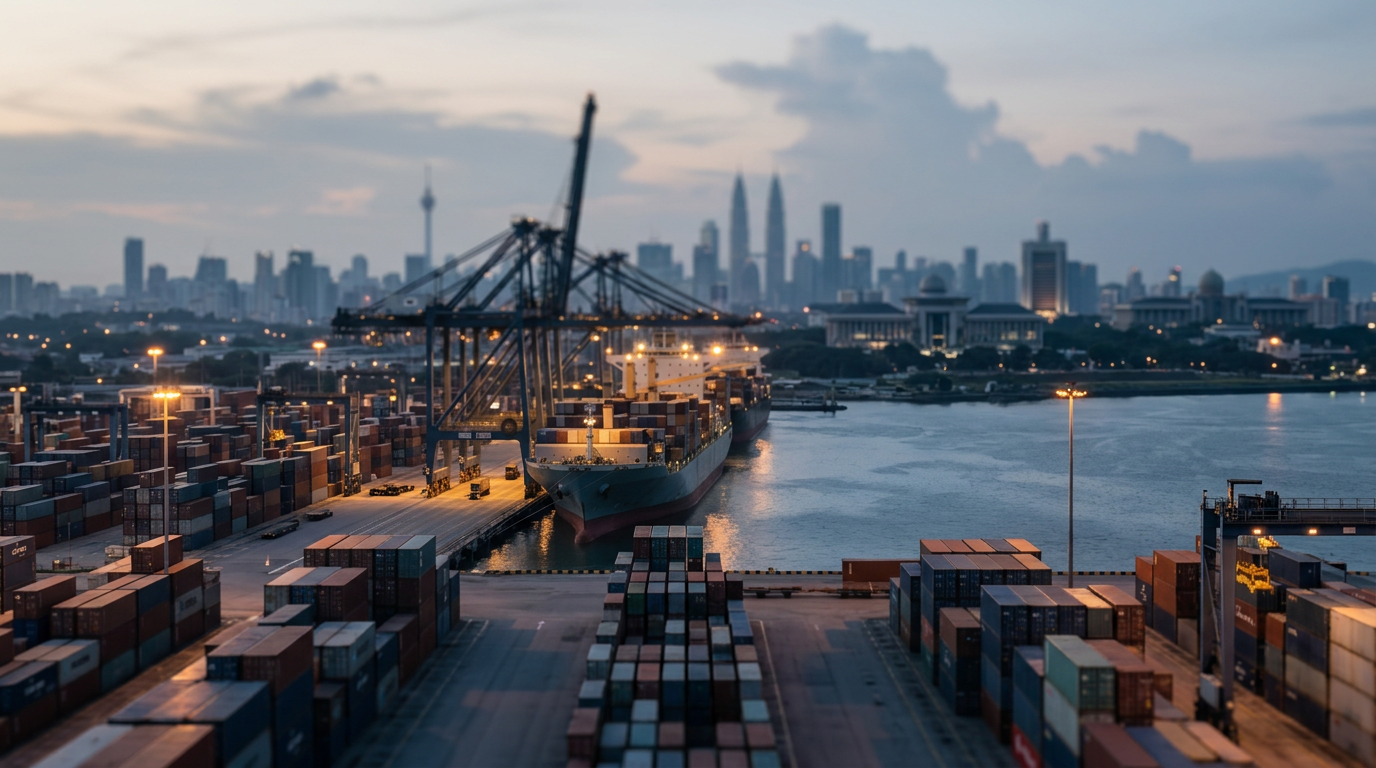
Malaysia's export performance is expected to remain firm after a strong showing in the first half of the year, according to a recent report in The Star. The electronics and electrical (E&E) sector, a significant contributor to this trend, is deeply integrated with regional supply chains that have their nucleus in China. This situation exemplifies a defining characteristic of modern ASEAN economies: navigating a complex and permanent trade relationship with their largest neighbor.
The Gravity of China Trade
The enduring strength in Malaysia's exports, especially in intermediate goods for the E&E sector, is not a passing phase. It reflects a deeper integration with China-centric manufacturing and assembly networks. As the book "ASEAN Rising" notes, for Southeast Asian nations, "trade depth with China is now a structural feature, not a cyclical one." The economic gravity of China pulls in components and raw materials from countries like Malaysia, which are then assembled into final products for global markets. This integration has been a powerful engine for growth, fueling industrialization and creating jobs across the region. However, it also creates a significant dependency, where disruptions or policy shifts in China can have immediate and substantial effects on its trading partners.
Institutions and Infrastructure
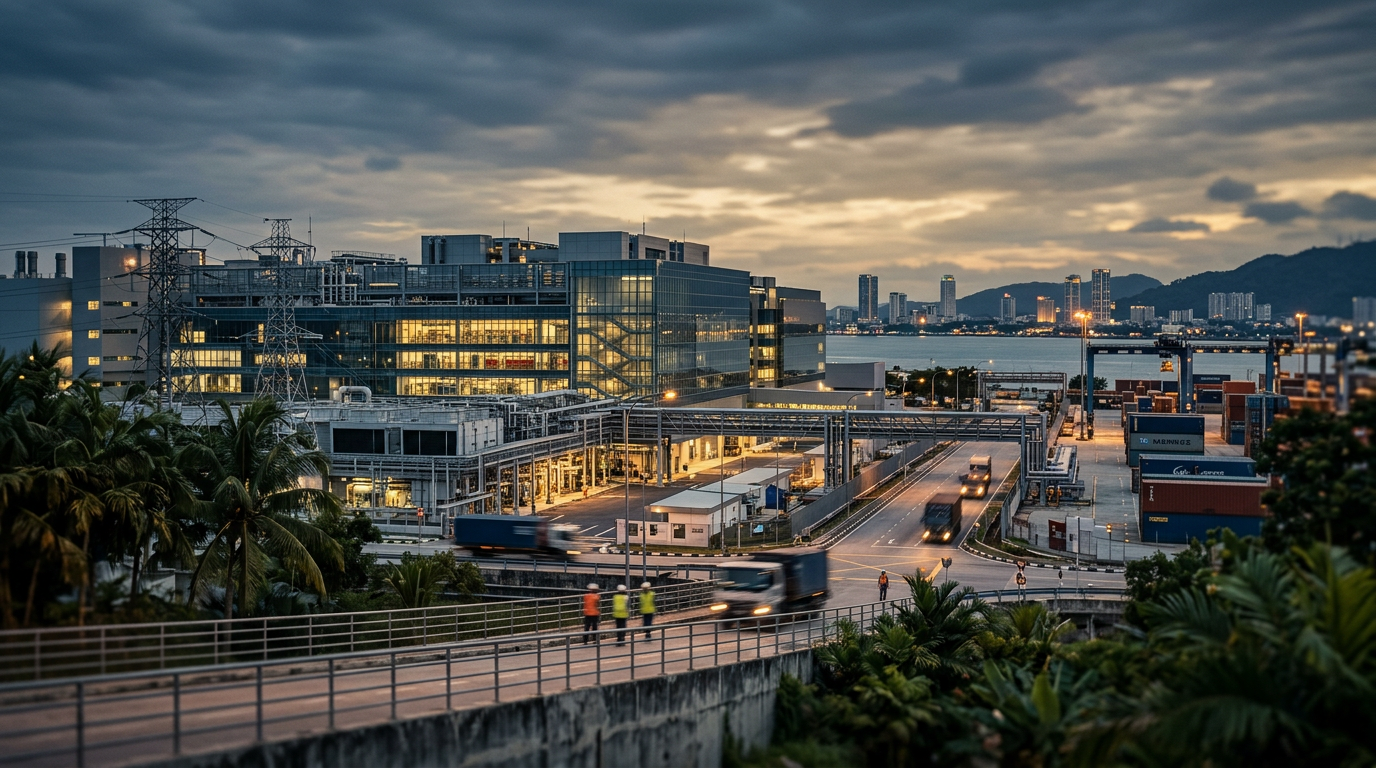
Malaysia has invested heavily in the institutional and physical infrastructure needed to support this trade. Industrial parks, logistics networks, and port facilities are all designed to facilitate the smooth flow of goods. This framework has been instrumental in attracting foreign investment and positioning Malaysia as a key node in global supply chains. The challenge for Malaysian institutions is to ensure that this infrastructure does not simply serve a one-way dependency. The focus is shifting toward upgrading capabilities, moving from the production of intermediate goods to higher-value activities. This requires a regulatory and educational environment that fosters innovation and strengthens local firms, allowing them to capture more value within these supply chains.
Managing Dependency
For Malaysia and its ASEAN peers, the core strategic task is managing this economic relationship. The question is no longer about choosing whether to trade with China, but about how to build a resilient economic strategy that is not wholly dependent on a single partner. This involves actively seeking diversification in export markets and investment sources, including strengthening intra-ASEAN trade and building stronger ties with other major economies. It also requires careful industrial policy to cultivate domestic champions in strategic sectors. The goal is to maintain economic optionality, ensuring that the benefits of deep engagement with China do not come at the cost of strategic autonomy or economic vulnerability.
What to watch
Observers should monitor how Malaysian policymakers adjust industrial and trade policies in the coming months. The key indicators of a successful strategy will be growth in exports to non-China markets, an increase in domestic value-add within the E&E sector, and the ability of Malaysian firms to move up the technology ladder. The government's approach to managing its deep-rooted economic ties with China, while simultaneously pursuing diversification, will be a defining feature of its economic statecraft.