Singapore
Singapore, Malaysia, and the data-centre buildout: not just about power
PwC projects a data-centre investment surge in Singapore and Malaysia. While power is a necessary input, it is not sufficient. Capital coordination across utilities, planning, and connectivity is what makes hyperscale capacity possible.
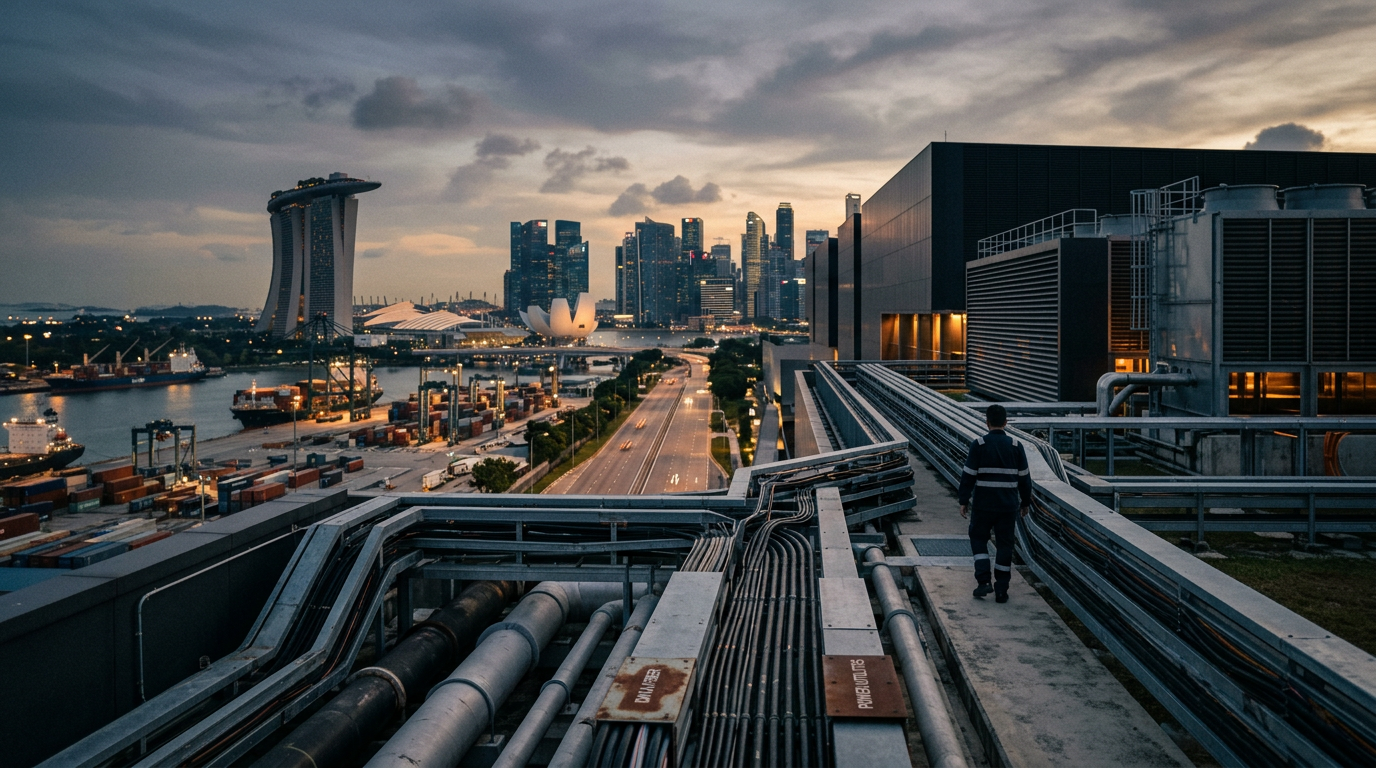
Singapore's data-centre investment is forecast to reach US$19.2 billion annually by 2050, part of a wider regional trend that includes Malaysia, according to a recent PwC analysis reported by malaymail.com. The report projects a steep climb from US$7 billion in 2026, signaling a sustained, multi-decade buildout of digital infrastructure across the region. While the headline figures are large, the underlying story is one of institutional capacity and intricate coordination.
Execution and Infrastructure
The successful buildout of data-centre capacity depends on more than securing land and a grid connection. As noted in ASEAN Rising, the alignment of utilities, urban planning, and digital connectivity is fundamental. Where these elements are synchronized, large-scale investment tends to follow. This is because "capital coordination is itself an industrial input." Singapore's historical success in attracting data-centre investment is a case study in this type of deep, cross-sectoral planning. The state's ability to deliver reliable power, water, and fibre connectivity in a coordinated way reduces project risk for investors and operators.
A Tale of Two Cities (and Grids)
Malaysia, particularly in Johor Bahru, has emerged as a significant location for data-centre development, often benefiting from spillover demand from Singapore. The country offers competitive advantages in land and energy costs. However, the PwC forecast suggests that Singapore will continue to command the lion's share of investment value. This is not simply a matter of incumbency. It reflects the institutional premium that comes from proven execution. A project's viability is not determined by cheap power alone. The entire ecosystem of support, from the regulatory environment to the availability of a skilled technical workforce, is part of the investment calculation.
The Talent Factor
Beyond physical infrastructure, the availability of talent is a determining factor for where high-value digital operations are located. Operating a modern hyperscale data centre requires a specialized workforce skilled in network engineering, cybersecurity, and facilities management. Both Singapore and Malaysia are investing in developing this talent pool, but the competition for experienced professionals is intense. As the physical infrastructure expands, the parallel development of human capital will shape the long-term distribution of the digital economy in the region.
What to watch: Observers should monitor not just the headline investment numbers but the underlying policy adjustments in both Singapore and Malaysia. Pay attention to changes in energy grid planning, government incentives for data-centre construction, and national talent development programs. The interplay of these factors will determine how the regional data-centre map evolves and which locations capture the most value.