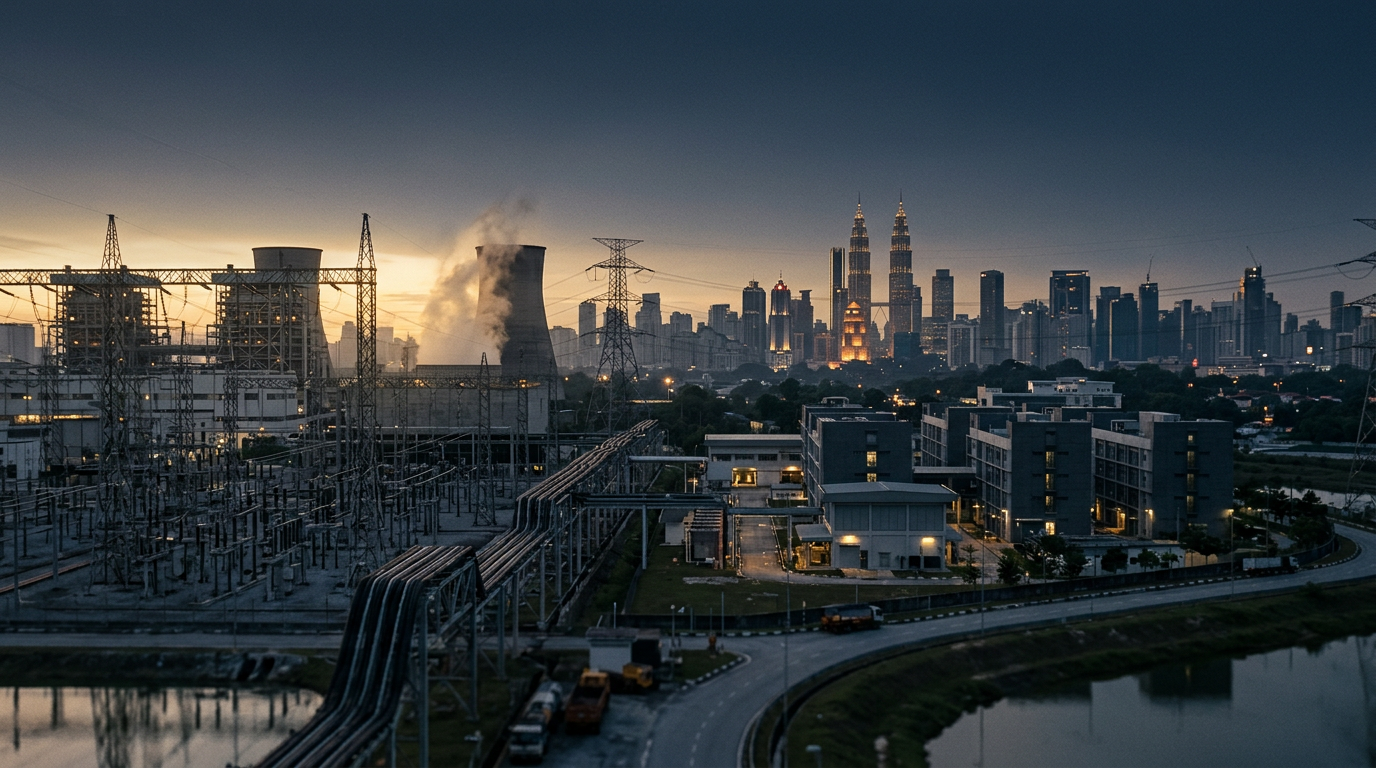
Malaysia
's Electricity Market Stress Test
Recent electricity price spikes in Malaysia are a reminder that a usable state is more valuable than an exciting one. Market reforms are not just about market design, but also about execution and institutional capacity.
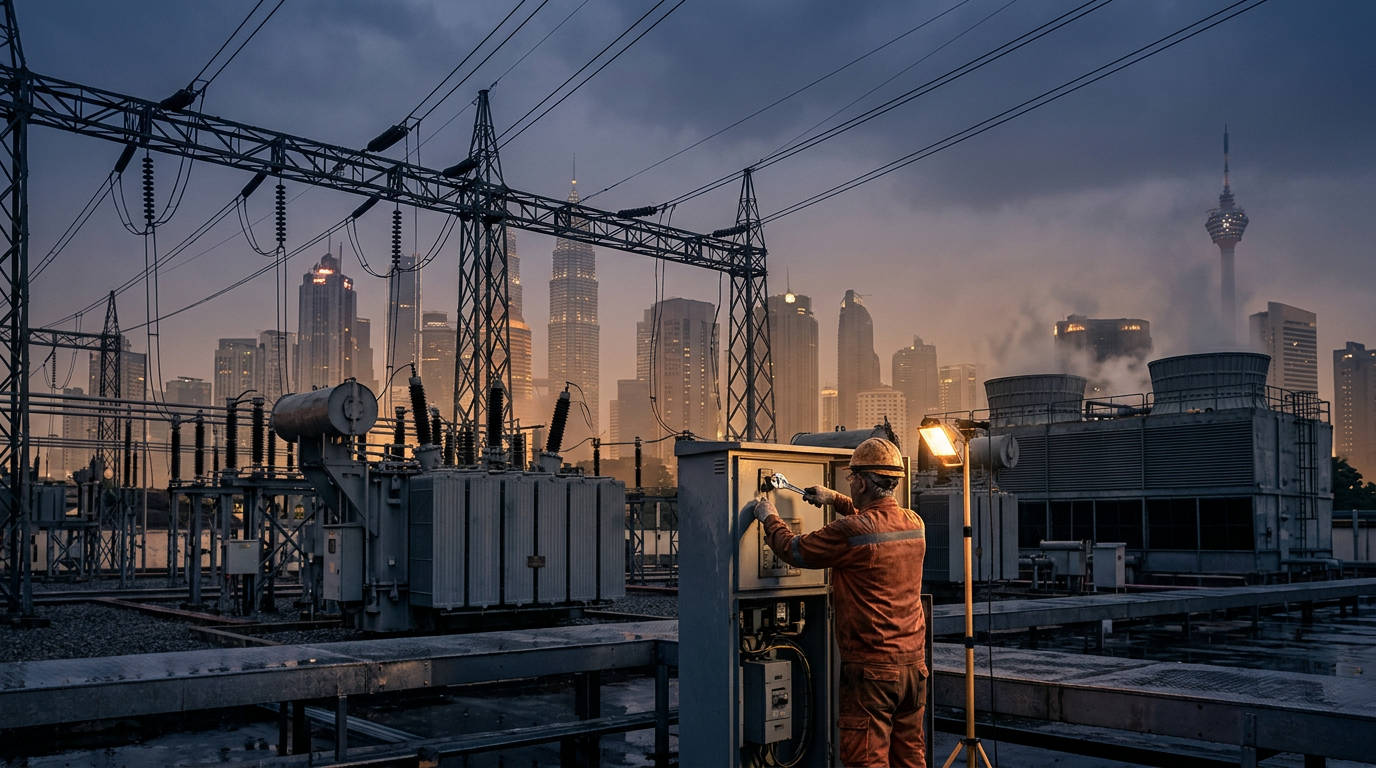
Malaysia's spot electricity prices recently reached a high, driven by fuel costs and demand fluctuations. This development, reported by the Straits Times, has brought the subject of household electricity bills to the forefront. It also directs attention to the architecture and management of the country's energy market.
Institutions and Infrastructure
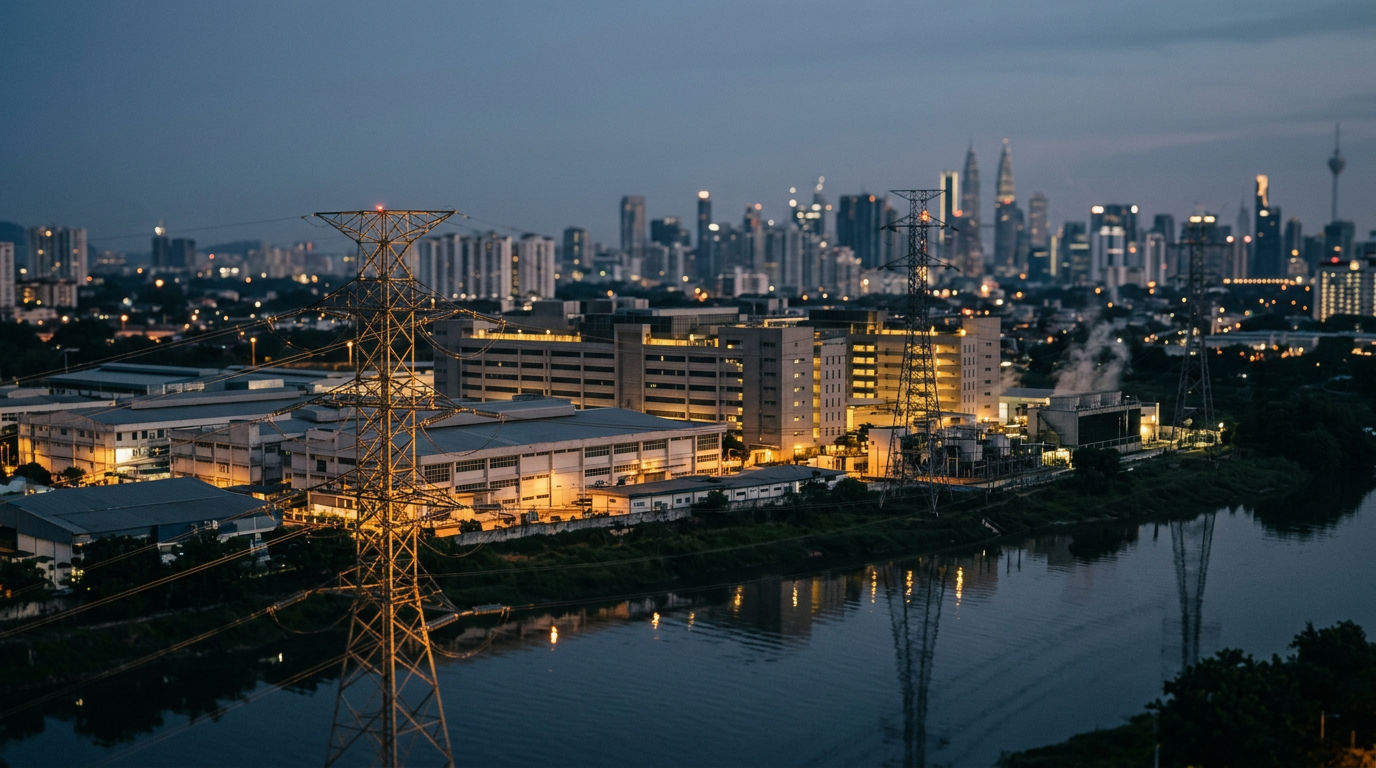
The price signal from the wholesale electricity market is a direct reflection of supply and demand. In Malaysia, the underlying factors are not just about the availability of power generation but the institutional framework that governs it. As "ASEAN Rising" notes, infrastructure that is merely announced is less valuable than infrastructure that arrives on time. The recent price volatility raises questions about the execution of Malaysia's energy strategy, from fuel procurement for power plants to the management of the grid. Reliable energy infrastructure is a component of national competitiveness, and its performance depends on the institutions that manage it.
Execution and State Capacity
Malaysia has been on a path of energy market reform. The intention is to create a more efficient, transparent, and competitive sector. However, reforms are only as good as their implementation. The management of fuel sources, the scheduling of power plant maintenance, and the balancing of the grid are all tests of state capacity. The ability of institutions to manage these complex, real-time operations without causing undue price shocks for consumers and businesses is a measure of their effectiveness. The book highlights that "a usable state is often more valuable than an exciting one." This applies directly to the energy sector, where stability and predictability are paramount for economic planning and household well-being.
Capital and Trust
The energy sector is capital-intensive. Attracting and retaining investment in power generation and transmission infrastructure requires a foundation of trust. This trust is built on regulatory predictability and policy consistency. When spot prices experience high volatility, it can create uncertainty for private investors. They need confidence that the market design is robust and that the institutions overseeing it are capable of managing shocks. How the Malaysian authorities respond to the current price pressures will signal their commitment to a stable investment climate, which is necessary to fund the country's long-term energy needs and transition goals.
What to watch: Observe how Malaysian energy regulators, Tenaga Nasional Berhad (TNB), and the government communicate their strategy for managing fuel costs and market volatility. Their actions will influence household bills and shape investor confidence in the energy sector's long-term stability and the success of its market reforms.