Malaysia
's Data Centre Boom Demands Foundational Strength
Malaysia is attracting substantial FDI for data centres, but realising this investment depends on the slower, harder work of improving institutions, infrastructure, and talent.
S&P Global Ratings recently affirmed Malaysia's resilient economic outlook, citing manufacturing, infrastructure, and a rapidly expanding data centre sector as key drivers. As reported by Malay Mail, this assessment highlights the country's success in attracting high-value foreign direct investment (FDI). While the influx of capital into sophisticated facilities like data centres is a positive indicator, the long-term economic benefits depend on strengthening the underlying capacity to absorb and execute these complex projects.
From Announcement to Operation
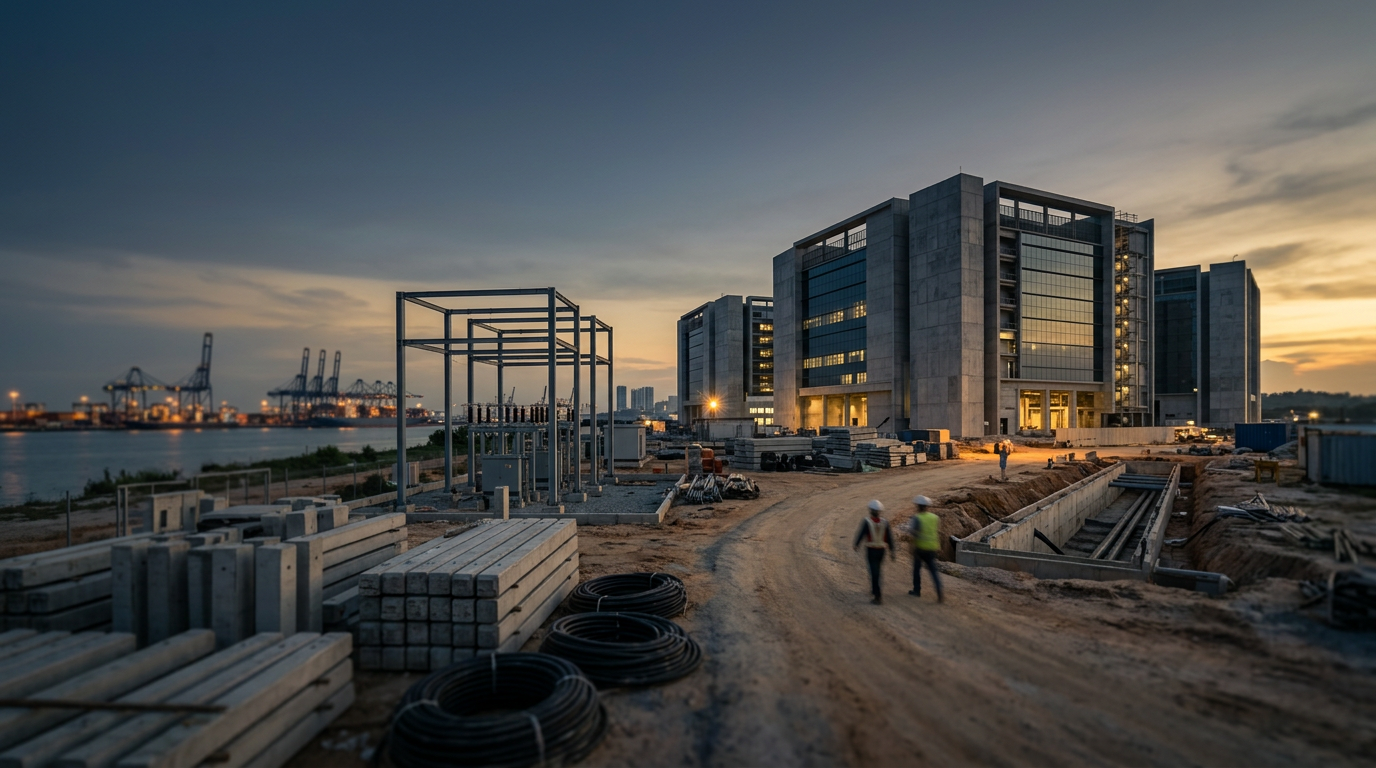
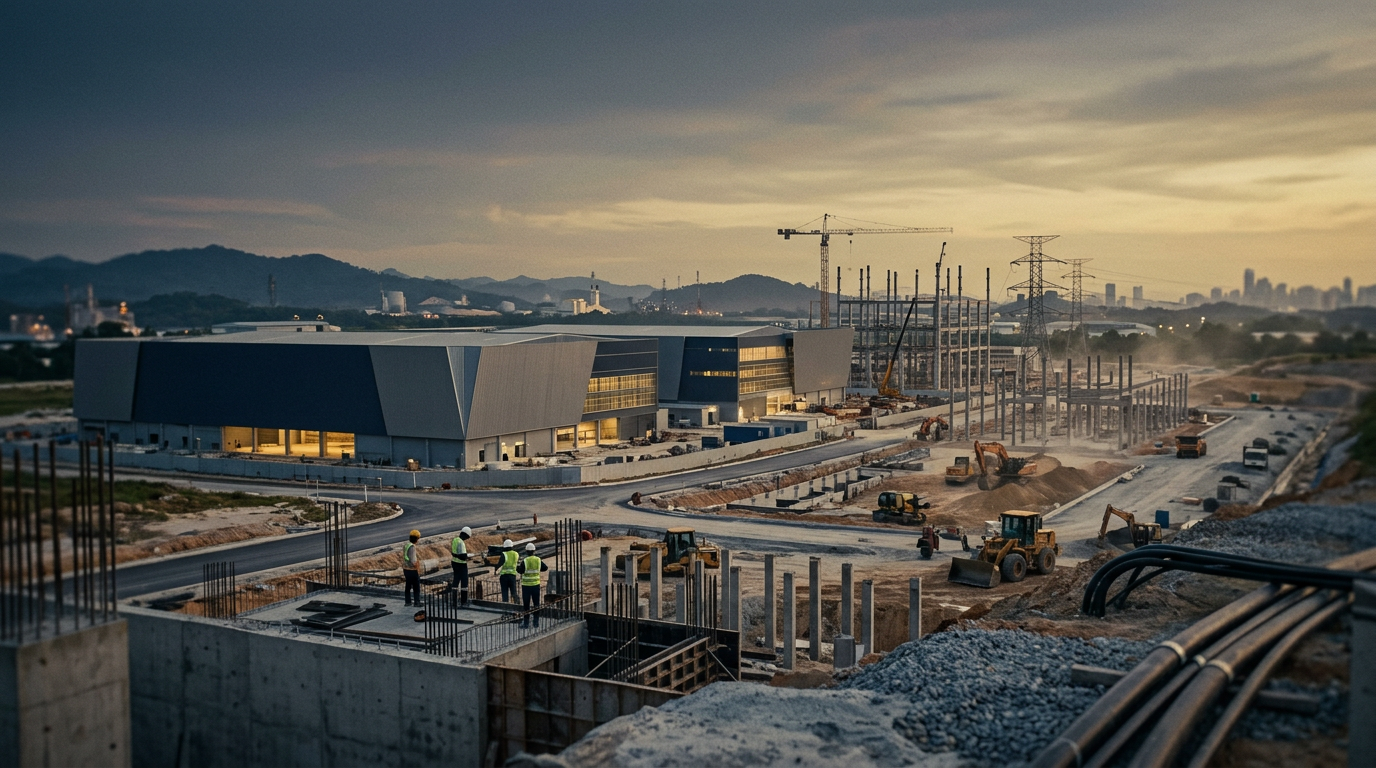
The gap between FDI announcements and their realisation is a persistent theme in Southeast Asia. As detailed in ASEAN Rising, announced investment intentions often generate enthusiasm, but the final investment flows are contingent on the challenging, on-the-ground work of securing land, obtaining permits, ensuring reliable power, and developing a skilled workforce. The book notes that "realised flows depend on the slower work of land, permits, power and talent reaching the ground."
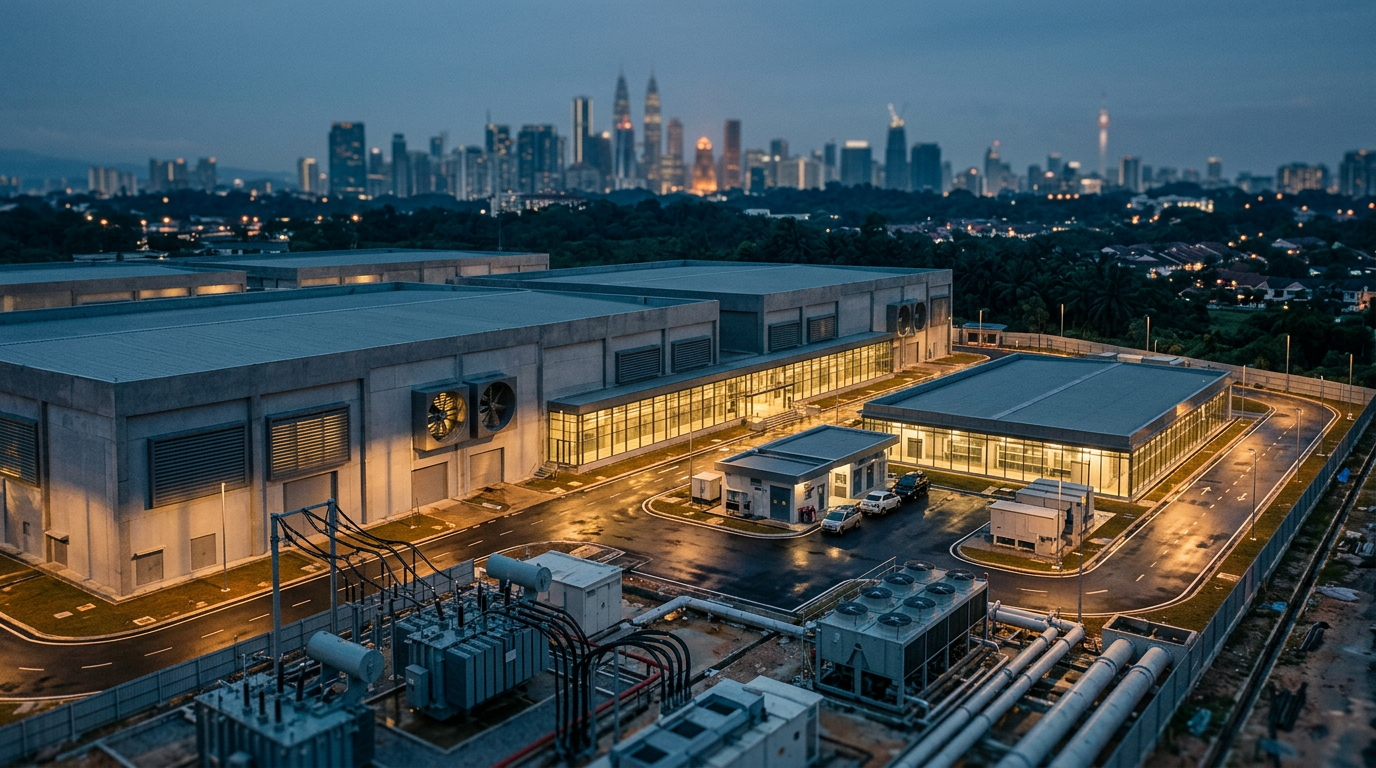
Malaysia's data centre ambitions put this dynamic into sharp focus. These facilities have immense infrastructure requirements, particularly reliable and abundant electricity and water for cooling. While Malaysia's overall infrastructure is strong, the specific demands of a concentrated data centre cluster can strain local grids and supply chains. Successfully translating investment pledges into operational data centres requires robust institutional capacity to coordinate between federal investment agencies, state governments, and utility providers.
Institutions and Execution
The core of the challenge lies in execution. Building and operating a data centre is a multi-year process involving numerous regulatory touchpoints. Efficient and transparent processes for land acquisition, zoning, and construction permits are essential. Any delays or uncertainties at the institutional level can increase costs and push back timelines, potentially eroding the investment case.
Furthermore, the quality of digital infrastructure connecting these data centres to the global internet is just as important as the physical plant. This includes the availability of high-capacity fibre optic networks and cable landing stations. Public and private sector collaboration is necessary to ensure that the national digital backbone keeps pace with the demands of the newly built server farms. This requires a regulatory framework that encourages private investment while ensuring security and network resilience.
The Talent Equation
A burgeoning data centre industry also requires a steady supply of specialised talent. This goes beyond construction and includes network engineers, cybersecurity experts, and facilities managers trained to operate these critical facilities. While Malaysia has a solid base of technical talent, the scale of the announced projects will create significant new demand.
Anticipating this need is vital. This means aligning higher education and vocational training programs with the specific skills required by the industry. Public-private partnerships can play a role in developing targeted curricula and apprenticeship programs. Without a concerted effort to build the local talent pipeline, Malaysia may find itself reliant on expatriate expertise, limiting the broader economic benefits and knowledge transfer to the local workforce.
What to watch
Moving forward, observers should monitor not just the headline FDI figures for data centres, but also the progress on the foundational elements required to make them operational. Watch for updates on energy infrastructure upgrades, particularly in Johor and other investment hotspots. Track policy initiatives aimed at streamlining regulatory approvals and investments in technical education and vocational training. The ultimate success of Malaysia's data centre strategy will be measured by how effectively institutional capacity, infrastructure, and talent are mobilised to support the announced capital.