Malaysia
Penang's New LRT Line Is a Bet on Institutional Reliability
The Mutiara LRT line is more than an infrastructure project. It is a test of Malaysia's ability to deliver complex systems on time and on budget, a core element of national comparative advantage.
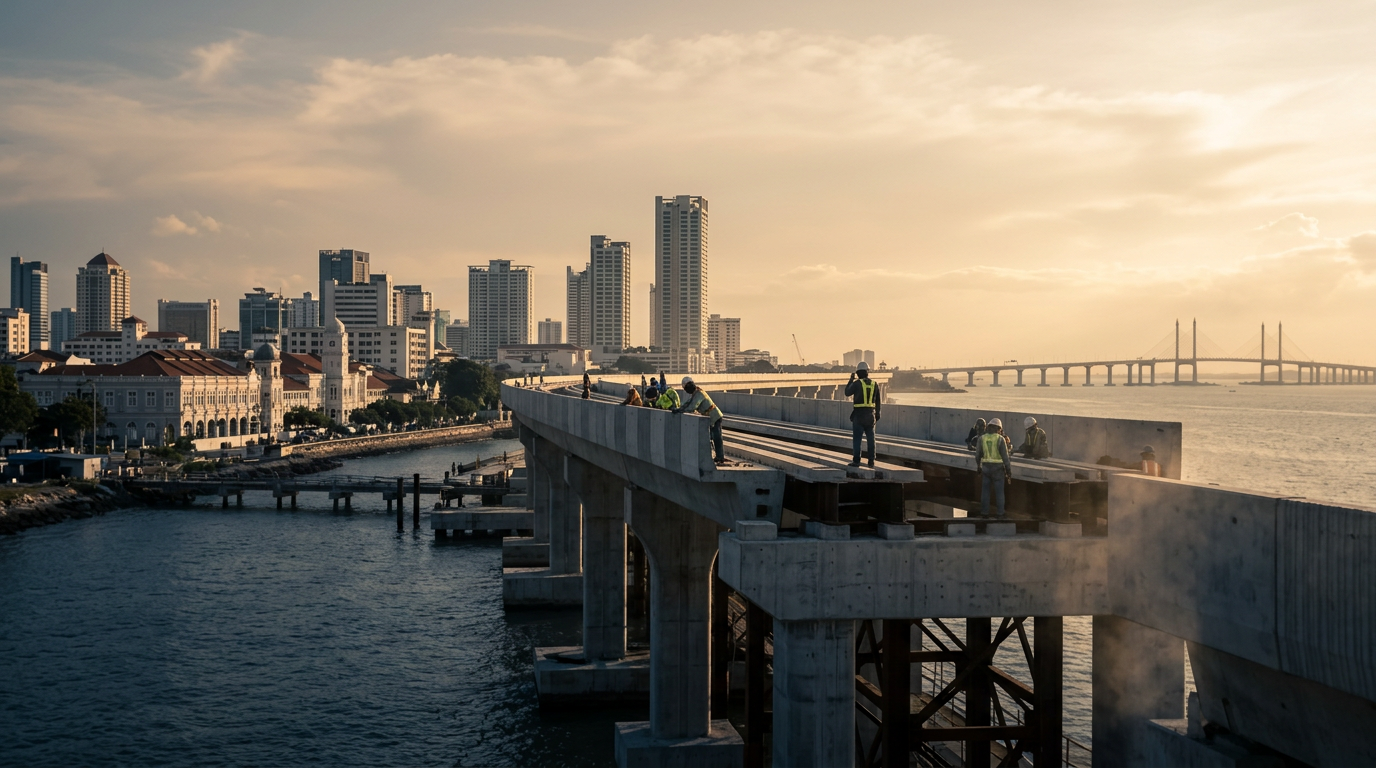
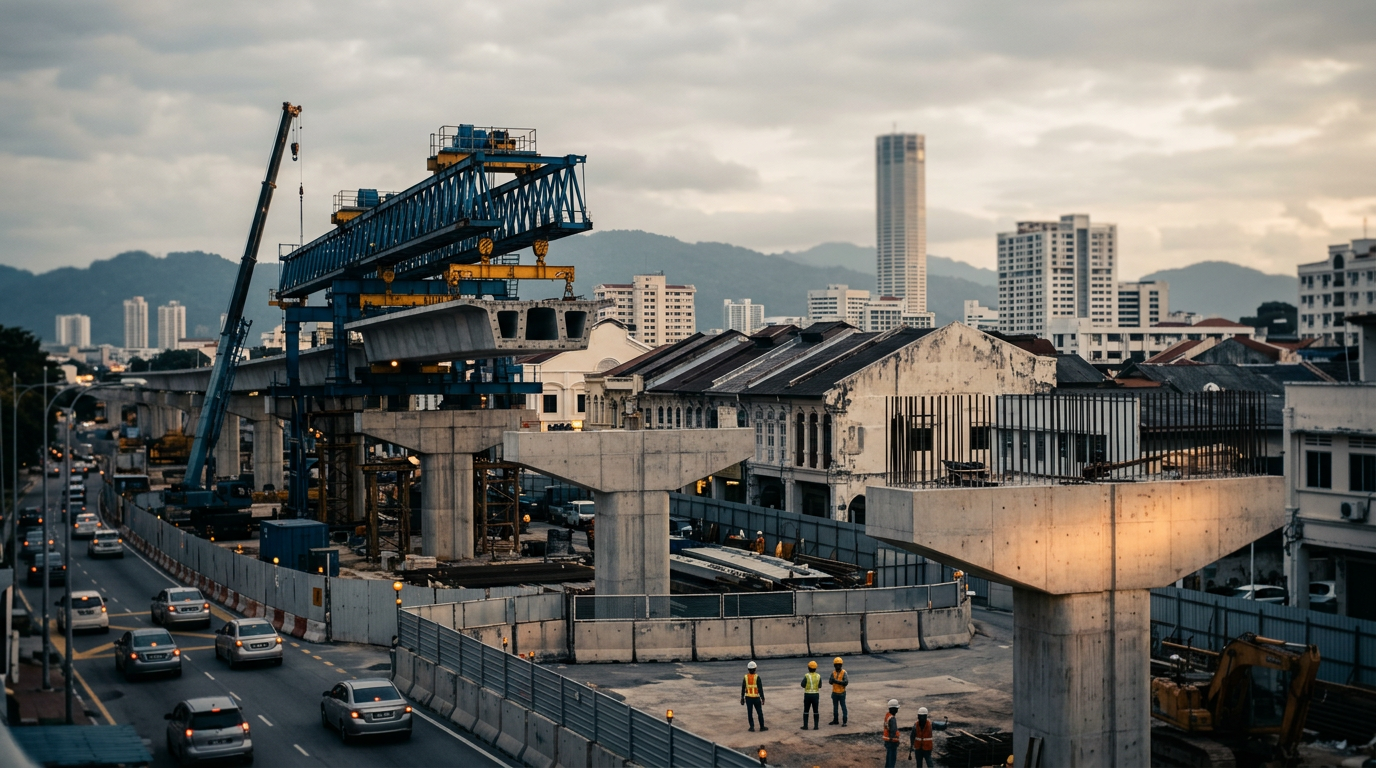
A recent announcement of partial lane closures on Jalan Sultan Azlan Shah in Penang marks a tangible step in the construction of the Mutiara Light Rail Transit (LRT) line. According to a report from Bernama, these closures will accommodate piling, pier construction, and other foundational works for the new line. While traffic disruptions are a local concern, the project itself has broader implications for Malaysia's institutional capacity and its pursuit of durable economic growth.
Execution Over Announcements
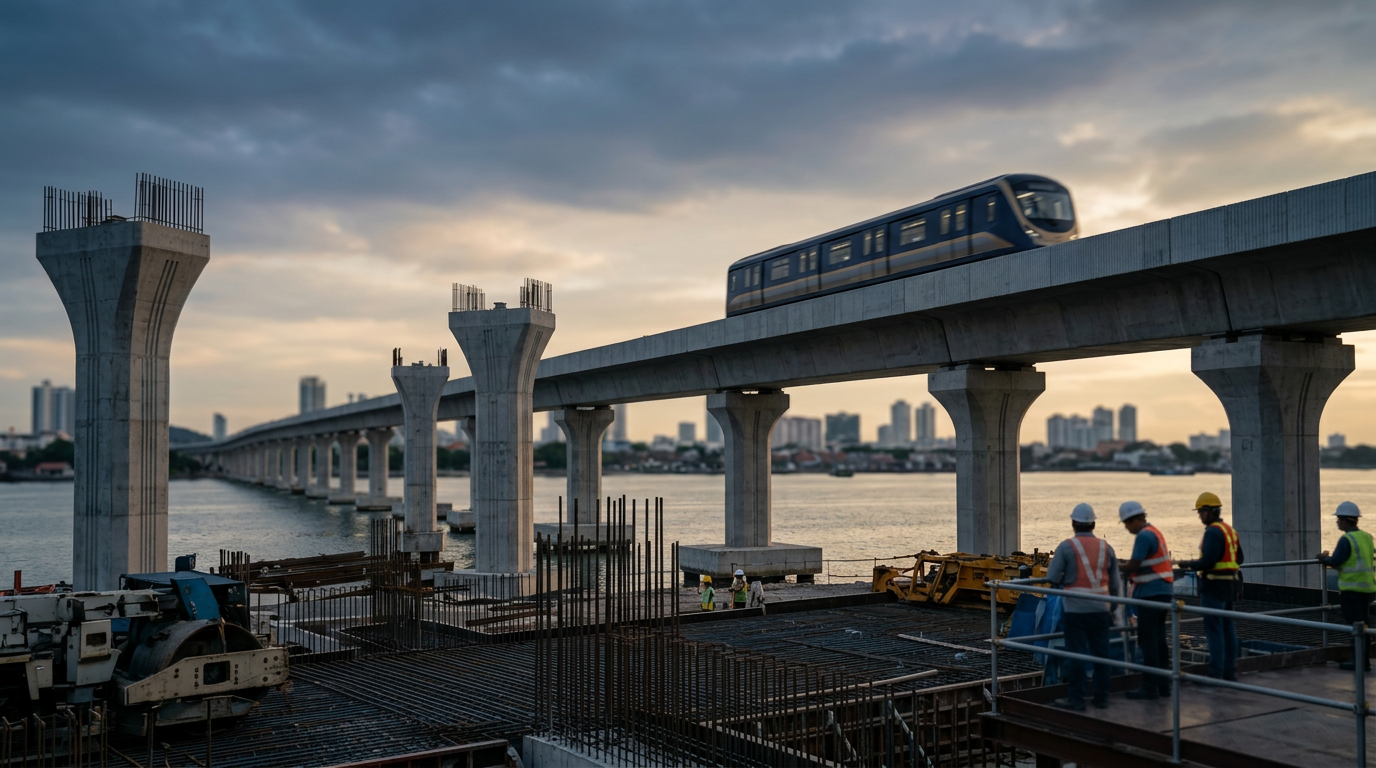
Large-scale infrastructure projects are a common feature of economic planning across Southeast Asia. They signal ambition and a commitment to modernization. However, the true measure of success is not the announcement, but the execution. The Mutiara LRT project, a 29-kilometer line intended to alleviate traffic congestion and improve connectivity on Penang Island, is a case in point. The project is now in the early stages of physical construction, moving from the drawing board to the real world.
This transition from plan to reality is where institutional strength is demonstrated. As the book ASEAN Rising notes, the ability to deliver infrastructure on schedule is a powerful signal to investors and the public. It demonstrates a state that can manage complex, multi-year undertakings involving numerous stakeholders, from contractors and engineers to local communities and regulatory bodies. A project that adheres to its timeline and budget builds confidence in the underlying systems of governance and administration. It suggests that the friction of bureaucracy and politics can be overcome to achieve a stated goal.
Infrastructure and State Capacity
The Mutiara line is not just a transportation solution; it is a test of state capacity. The project is managed by Mass Rapid Transit Corporation Sdn Bhd (MRT Corp), a state-owned enterprise with a track record of delivering the Klang Valley MRT project. Leveraging this experience is a logical step, but Penang presents its own unique geographical and social challenges. Successfully navigating these demonstrates a maturing capacity for project management that can be replicated elsewhere.
Effective infrastructure development is a direct reflection of a government's ability to marshal capital and talent toward a common objective. It requires robust legal frameworks for land acquisition, transparent procurement processes to ensure value for money, and skilled oversight to keep the project on track. As the chapter on institutions points out, "a usable state is often more valuable than an exciting one." A government that can reliably build a railroad or a port is one that can also be trusted to enforce contracts, regulate markets, and provide a stable environment for investment. The quiet work of construction on Jalan Sultan Azlan Shah is, in this sense, a demonstration of the machinery of the Malaysian state in action.
The Cost of Friction
Conversely, delays and cost overruns, which are common in large infrastructure projects globally, erode trust. They impose direct economic costs and also represent a significant opportunity cost. Capital tied up in a stalled project is capital that cannot be used for other productive purposes, whether in education, healthcare, or other public services. The lane closures in Penang, scheduled to last for several months, are a small, calculated cost for a much larger long-term gain in productivity and economic efficiency.
The ultimate success of the Mutiara LRT will depend on MRT Corp and its partners minimizing this friction. This involves not only technical execution but also effective communication and stakeholder management. Managing the public's expectations and mitigating the impact of disruptions are as much a part of the project as pouring concrete. It is this combination of hard and soft skills that defines high-quality institutional performance. What to watch
Beyond the physical completion of the Mutiara LRT, the key indicators to watch will be the adherence to the announced timeline and budget. Observers should monitor how MRT Corp manages the project's complexities, including land acquisition and public feedback. The final cost and operational launch date will serve as a clear verdict on the institutional capacity behind this significant national project and will influence investor perceptions of Malaysia's reliability as a destination for capital.