Malaysia
RTS Link Delay Highlights the Hard Work of ASEAN Connectivity
The delay in the Johor Bahru-Singapore RTS Link highlights a recurring theme in ASEAN infrastructure development: turning ambitious announcements into operational reality requires navigating a complex landscape of regulations, certifications, and cross-border cooperation.
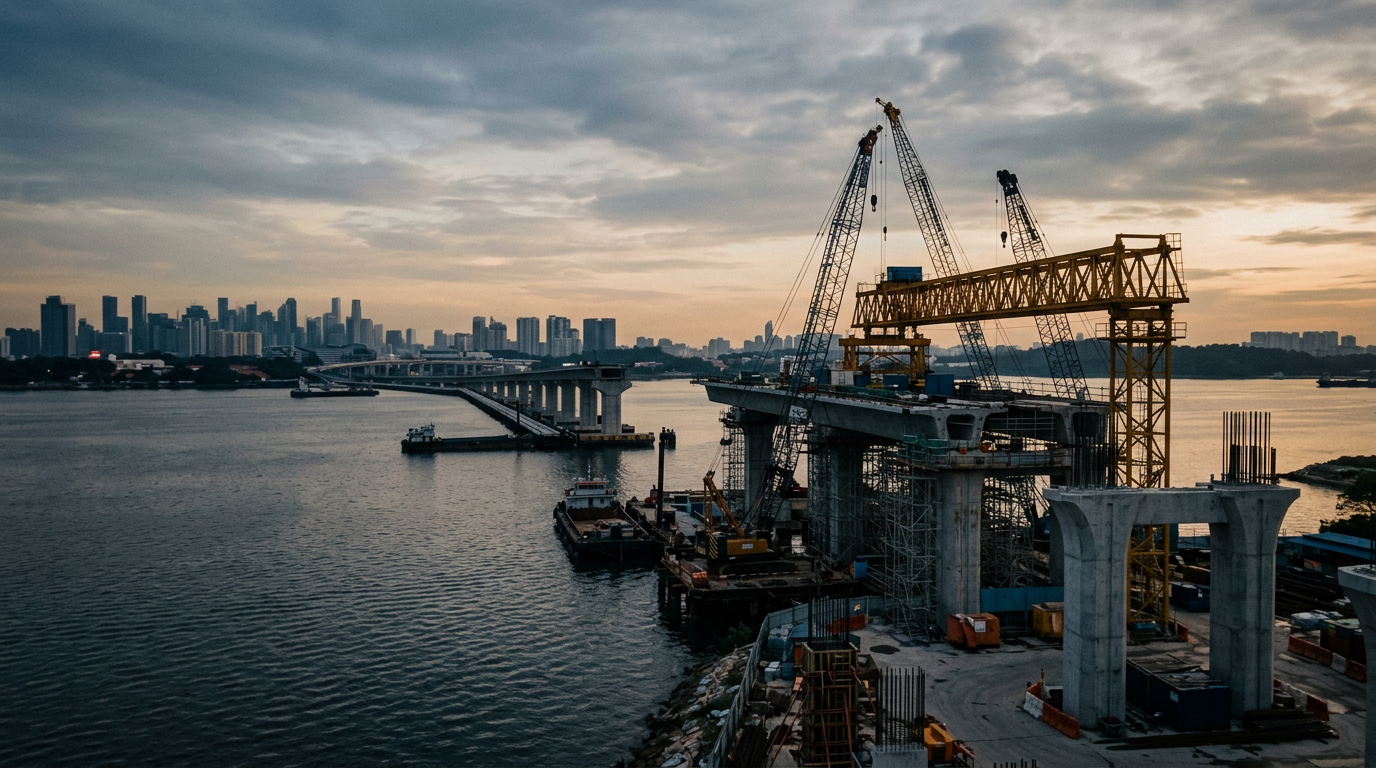
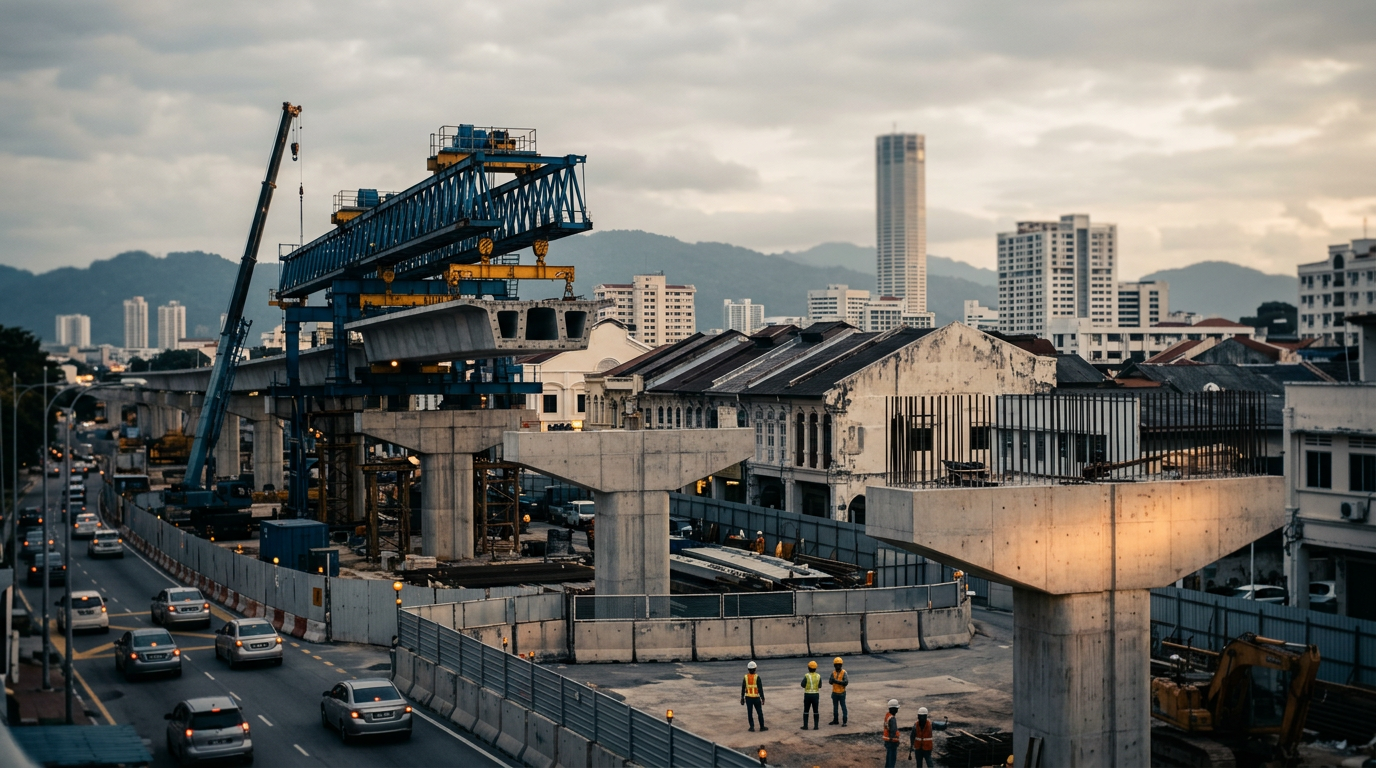
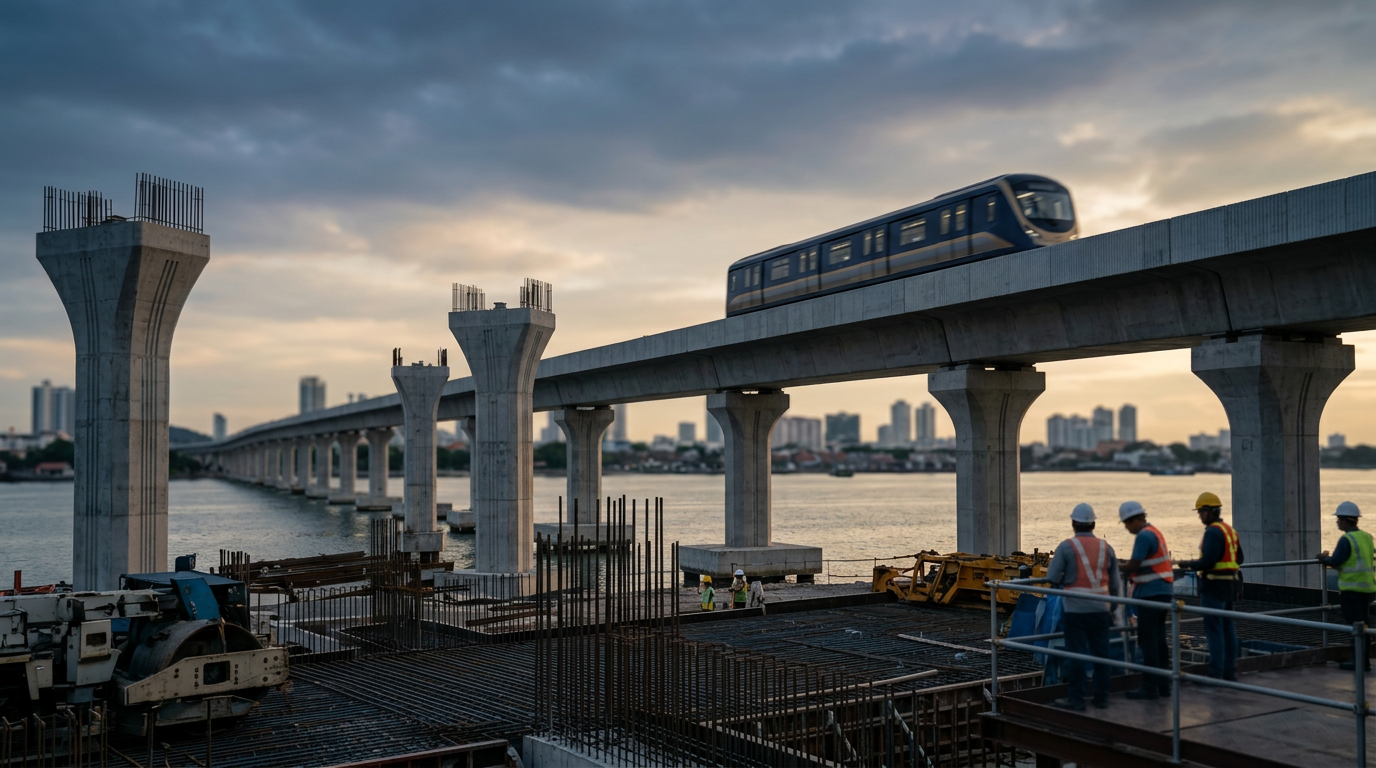
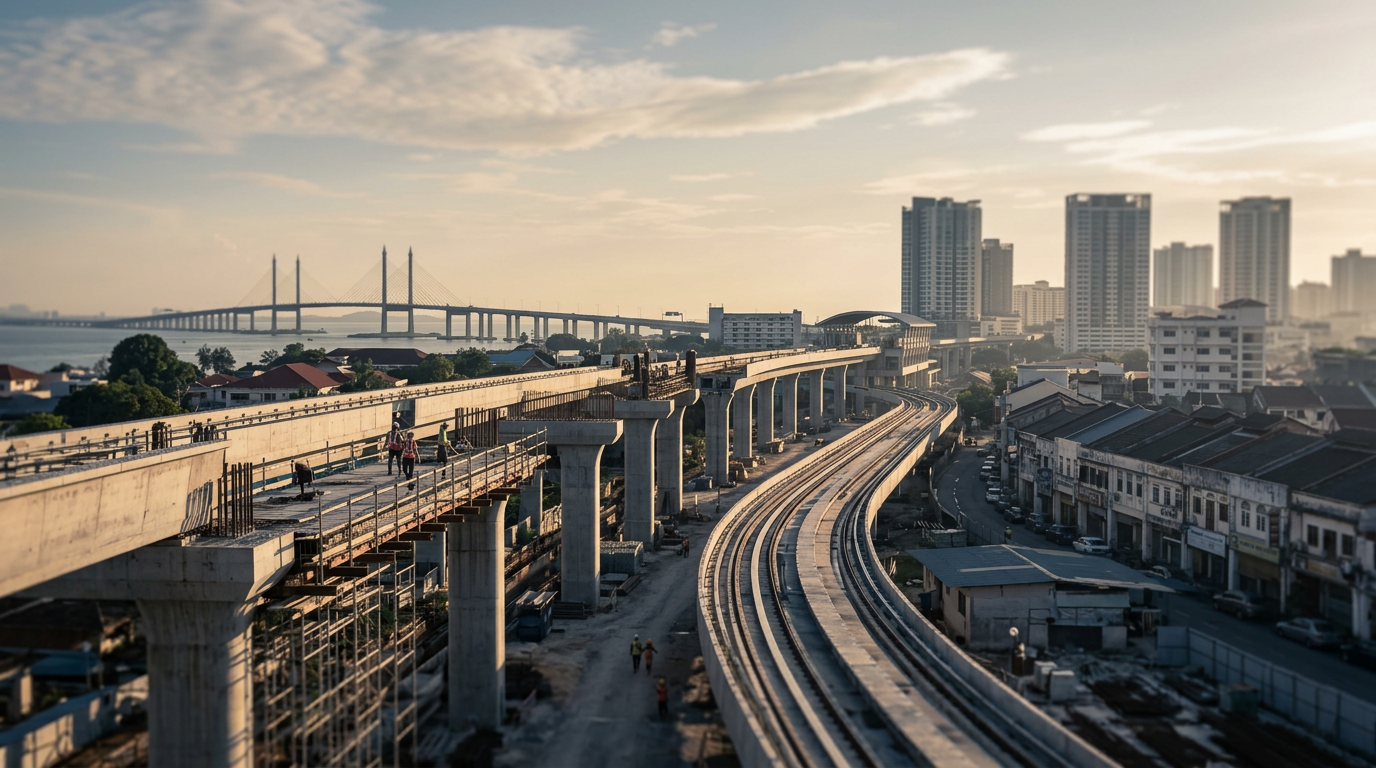
The recently announced delay of the Johor Bahru-Singapore Rapid Transit System (RTS) Link, pushing its start date to February 2027, offers a sober reminder of the complexities involved in executing large-scale infrastructure projects in Southeast Asia. According to a report from CNA, the postponement is necessary to accommodate comprehensive testing, safety certification, and regulatory approvals for the cross-border rail service. While delays on ambitious projects are not unusual, this instance puts a spotlight on the persistent gap between vision and execution that characterizes many infrastructure initiatives in the region.
Institutions and Execution
Grand pronouncements of new investments and projects generate positive headlines, but the actual work of turning plans into reality is far more challenging. As the book "ASEAN Rising" notes, "FDI announcements travel quickly. Realised flows depend on the slower work of land, permits, power and talent reaching the ground." The RTS Link is a case in point. The project is not just about laying tracks and building stations; it involves the harmonization of two different regulatory and legal frameworks, a task that requires robust institutional capacity and sustained political will on both sides of the border.
The RTS Link aims to significantly ease congestion on the Causeway, one of the world's busiest land borders. Its success depends on seamless integration of customs, immigration, and quarantine (CIQ) facilities. This requires deep, painstaking collaboration between multiple government agencies in both Malaysia and Singapore. The announced delay underscores the time required to ensure all systems are not only functional but also secure and efficient, meeting the stringent standards of both nations.
Capital and Infrastructure
The RTS Link, with its projected cost of billions, is a significant capital investment for both Malaysia and Singapore. Such projects are essential for the long-term economic integration of the Johor-Singapore corridor, a vital economic zone within ASEAN. The delay, while unfortunate, is a prudent measure to safeguard this investment and ensure the long-term viability and safety of the link. Rushing through the testing and commissioning phases could lead to operational issues, safety lapses, or public distrust, which would be far more damaging in the long run.
The physical infrastructure itself is only one part of the equation. The supporting infrastructure - including regulatory frameworks, safety protocols, and operational procedures - is equally important. The additional time allocated for the RTS Link will be used to fine-tune these critical soft infrastructure components, which are often overlooked in the initial planning stages but are essential for the smooth operation of any cross-border project. This process of institutional heavy lifting is where announced ambitions meet the test of reality.
What to watch
Moving ahead, observers should monitor the progress of the RTS Link's testing and commissioning phases. The ability of both Malaysian and Singaporean authorities to work through the complex regulatory and safety requirements will be a key indicator of their capacity for deep integration. The outcomes will offer valuable lessons for other cross-border infrastructure projects in ASEAN, demonstrating the institutional resilience and cooperative spirit required to build a truly connected region.