Singapore
Data Center Investment Tests ASEAN Integration
A recent PwC forecast for data center investment in Singapore and Malaysia is a concrete example of a theme from "ASEAN Rising": capital follows coordination. Where utilities, planning, and connectivity align, hyperscale capacity follows.
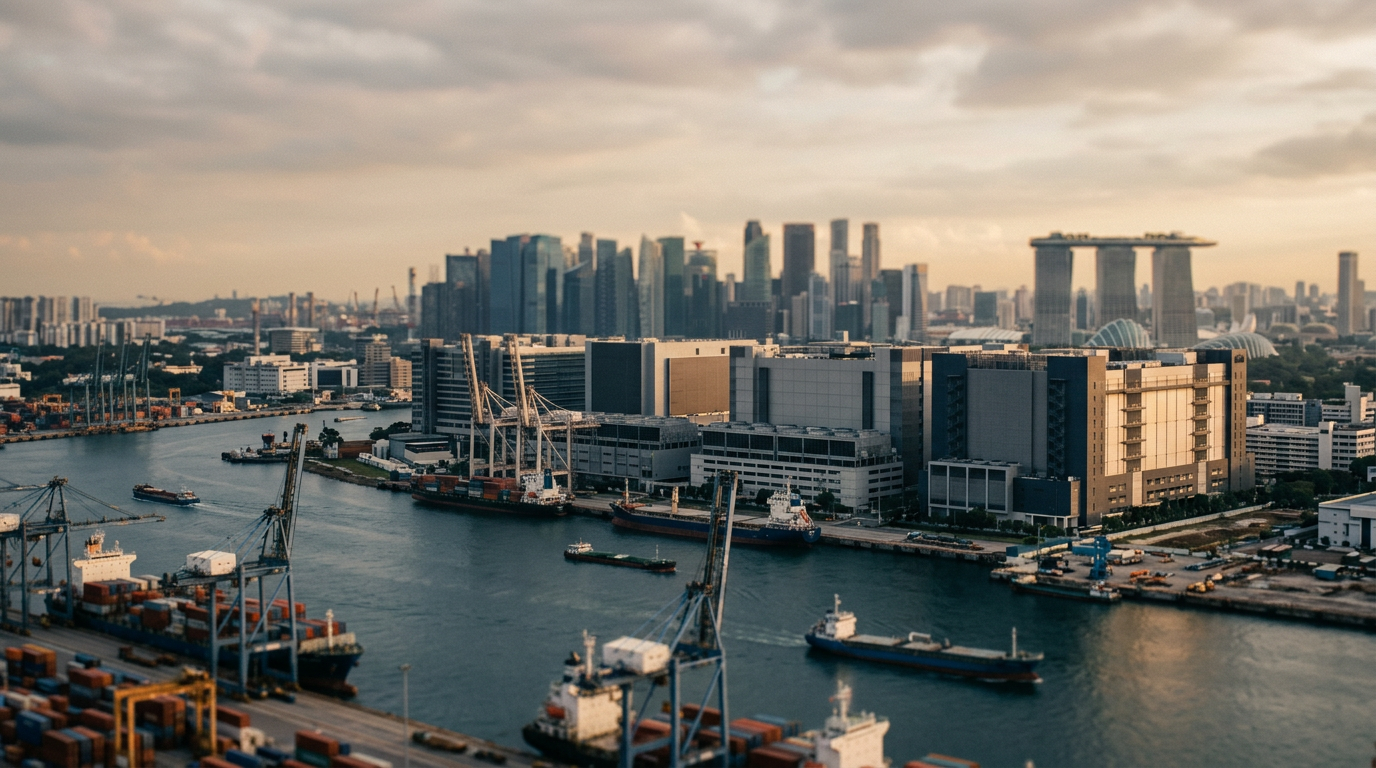
Singapore and Malaysia are set for a surge in data center investment, with annual spending projected to reach US$19.2 billion and a significant part of a regional US$1.29 trillion respectively by 2050. A PwC forecast reported by Malay Mail highlights the scale of capital flowing into the region's digital infrastructure. This trend is not merely about attracting capital; it is a real-world test of institutional capacity to deliver the complex coordination required for these hyperscale projects to succeed.
Coordination as an Input
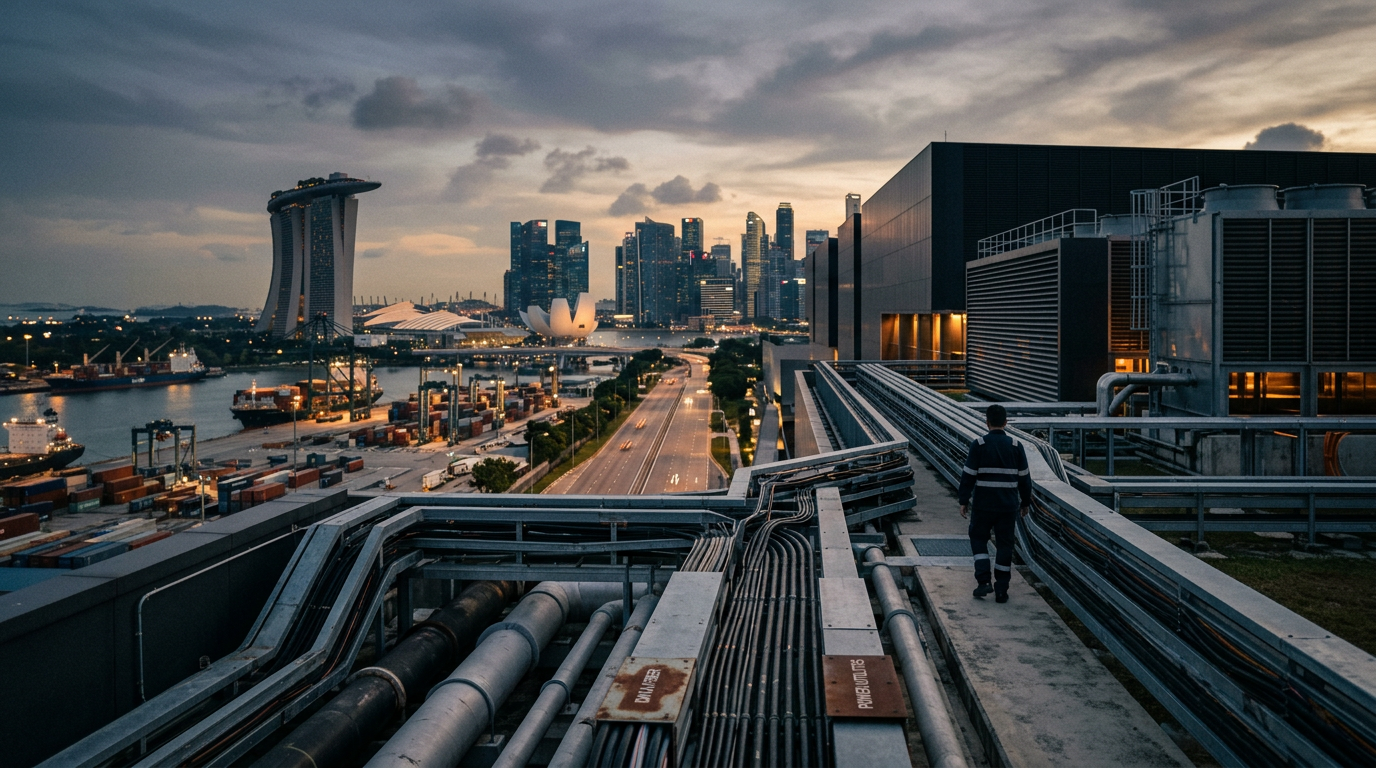
Modern data centers are more than just secure buildings with servers. They are massive consumers of power and water, and they require hyper-redundant connectivity to the global internet. The success of a data center project depends on the seamless integration of these elements. As detailed in "ASEAN Rising," the ability to align utilities, land use planning, and fiber optic cable routes is a critical factor for investors. In this sense, "capital coordination is itself an industrial input."
Singapore has historically excelled at this. Its integrated planning authorities and state-linked utility providers can de-risk projects for investors by ensuring that power, water, and connectivity are available when and where they are needed. This institutional capacity is a primary reason Singapore became the region's preeminent data center hub despite its high land and energy costs. The moratorium on new data center builds between 2019 and 2022 was a direct result of the strain these facilities placed on the national power grid, demonstrating the fine margins involved in balancing industrial policy with resource management.
Malaysia's Interconnected Play
Malaysia, particularly in the southern state of Johor, is now a major recipient of data center investment, often in partnership with Singaporean entities. This is not a zero-sum competition but a complementary expansion. Locating data centers in Johor, adjacent to Singapore, allows firms to leverage the island-state's connectivity and financial hub status while accessing Malaysia's more abundant land and energy resources. This "twin city" model works only because of the institutional and infrastructural links between the two countries.
The development of the Johor-Singapore Special Economic Zone (SEZ) aims to formalize and deepen this coordination. For the SEZ to fulfill its promise for the data center industry, it must streamline cross-border arrangements for power transmission, water sharing, and fiber optic network management. The success of these projects will hinge less on sheer financial investment and more on the execution of these complex, cross-border institutional agreements. The ability of both nations to coordinate on infrastructure and regulation will determine if the region can absorb the projected influx of capital effectively.
What to watch
Observers should monitor the practical implementation of the Johor-Singapore SEZ agreements, particularly concerning energy and water infrastructure. The pace and success of data center construction in Johor will be a leading indicator of the effectiveness of bilateral institution-building. How Singapore manages its own power budget in light of renewed data center growth, and how Malaysia connects its energy and industrial plans to its neighbor, will show whether this wave of investment solidifies a connected, cross-border economic zone or simply creates isolated industrial parks.