Malaysia
Penang LRT Signals Malaysia's Infrastructure Test
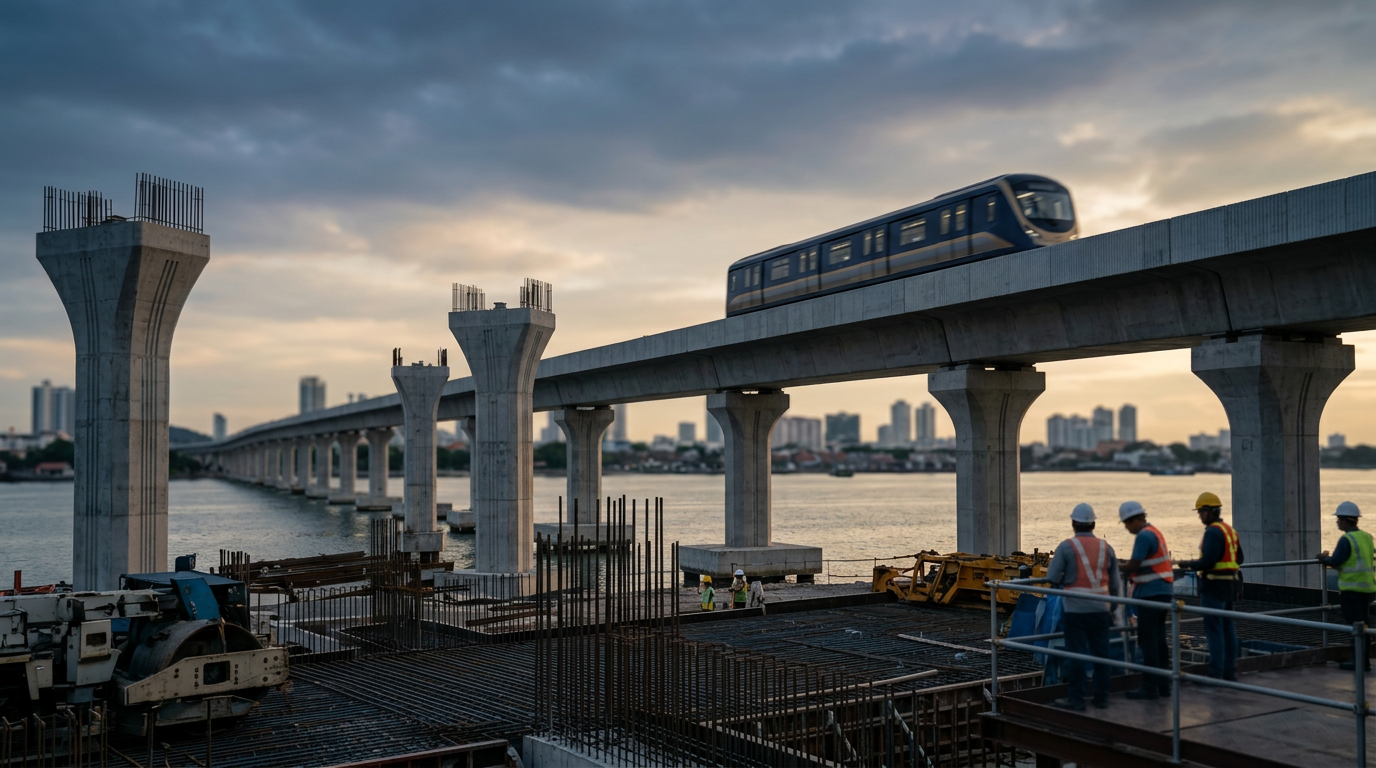
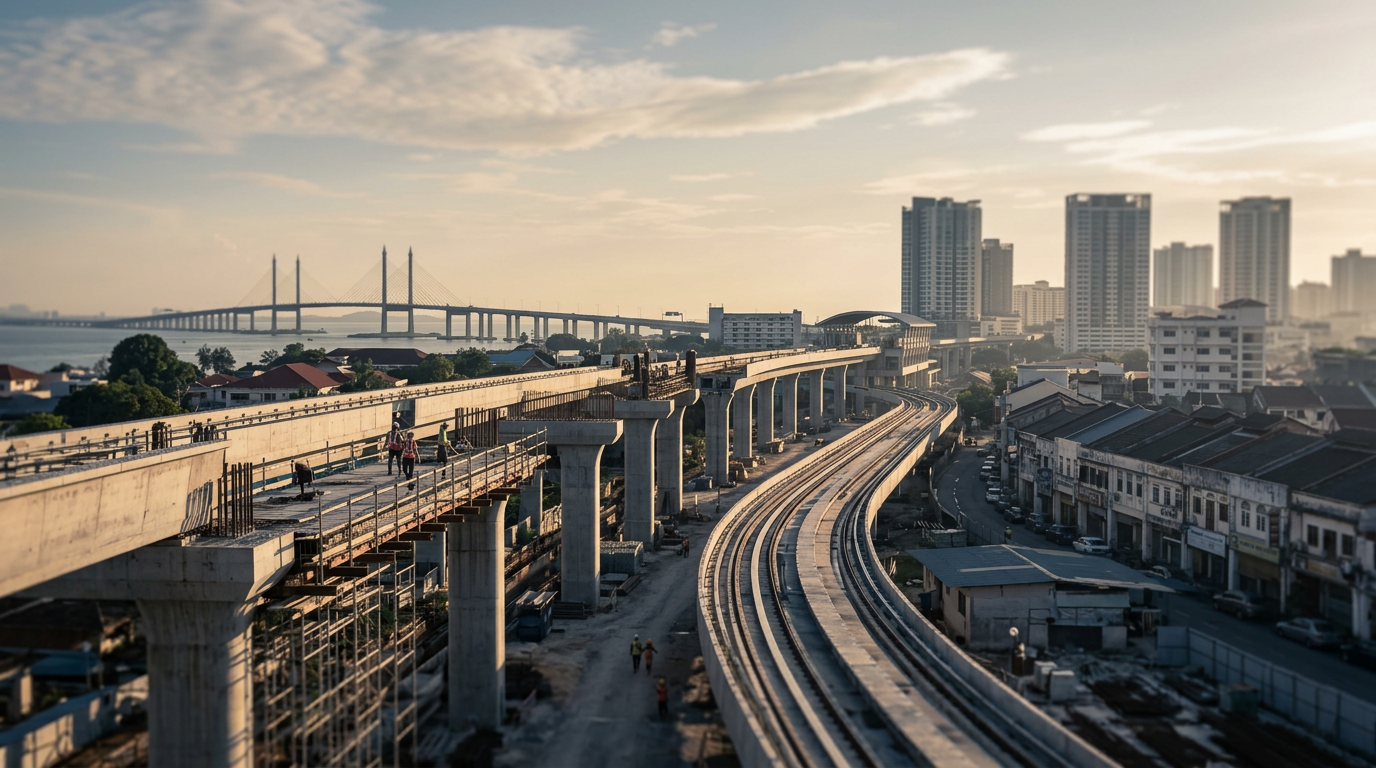
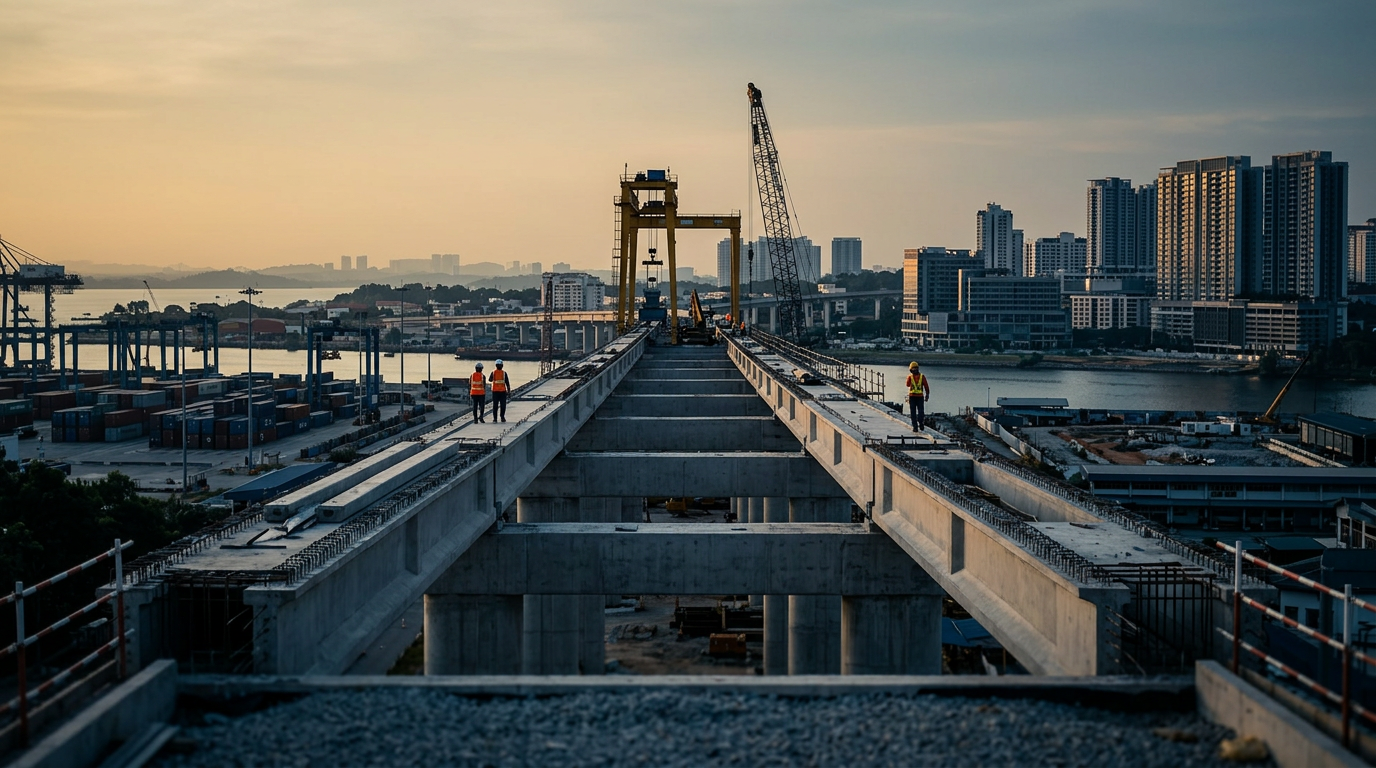
The partial lane closures on Jalan Sultan Azlan Shah in George Town for the LRT Mutiara Line are more than a local traffic story. They are a real-time test of Malaysia's institutional capacity to deliver complex infrastructure projects on schedule and on budget.
The Cost of Friction
Penang's economy is built on precision. As a hub for semiconductor and electronics manufacturing, the state's global competitiveness depends on the smooth, predictable flow of goods and people. The chronic traffic congestion on Penang Island, particularly along the north-south spine of Jalan Sultan Azlan Shah, introduces friction that threatens this model. Every delayed shipment and every minute an employee is stuck in traffic represents a small but accumulating cost. Over time, these costs can influence investment decisions and erode a location's competitive edge.
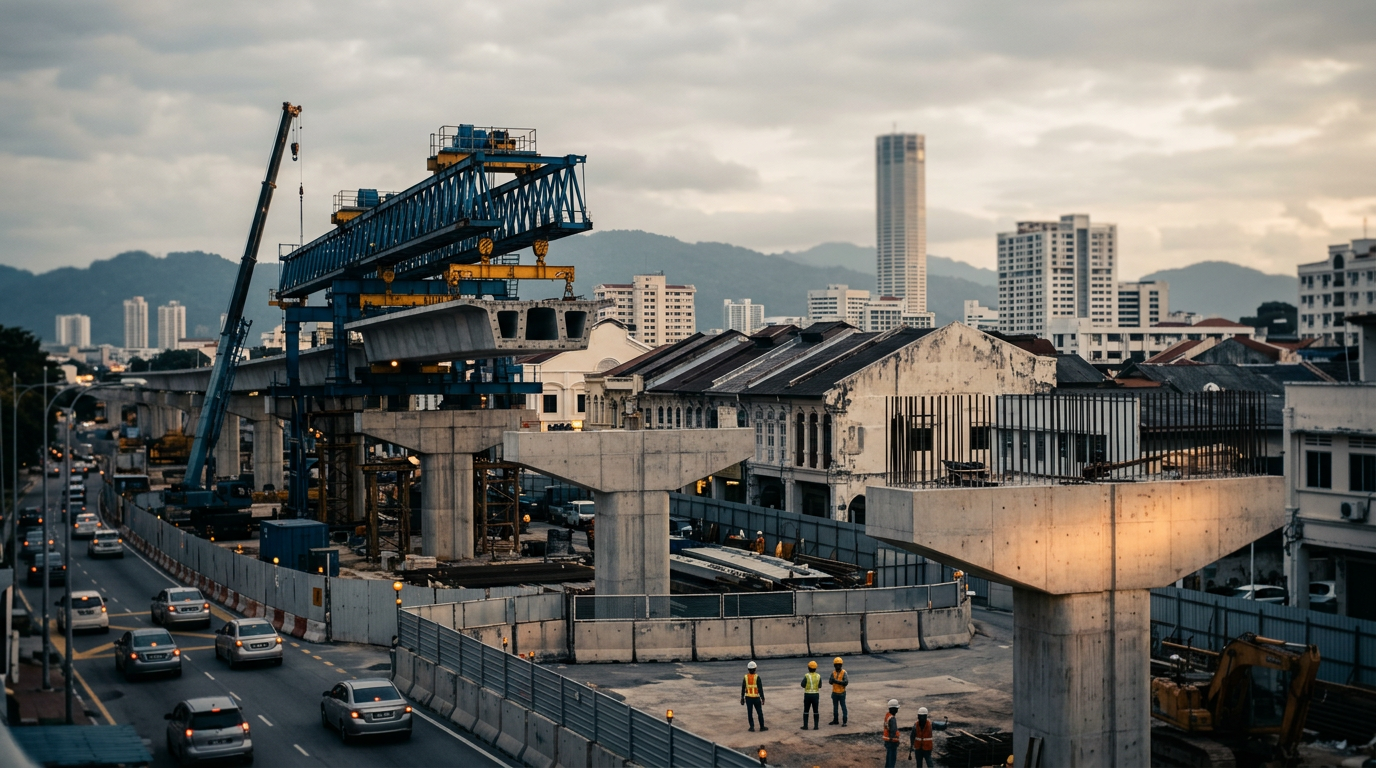
The LRT Mutiara Line is a direct response to this challenge. It aims to reduce the reliance on private vehicles and provide a more efficient transportation alternative. However, the project itself introduces a new, albeit temporary, form of friction. The lane closures, as announced by MRCB, create immediate inconvenience for commuters and businesses. The core test for project managers and the state is to manage this disruption effectively, keeping it within the planned schedule. Delays would not only prolong the local disruption but would also send a negative signal to investors about the state's ability to execute large-scale projects.
Institutions and Execution
Large infrastructure projects like the Penang LRT are complex undertakings that require more than just technical expertise and capital. They are a stern test of a country's institutional capacity. This includes the coordination between various government agencies at the federal and state levels, the management of private contractors, and the communication with the public. The success of the LRT Mutiara Line will depend on the seamless execution of each phase, from land acquisition and utility relocation to the management of traffic diversions and the final construction.
As the book "ASEAN Rising" notes, infrastructure that is merely announced has little value. The true measure of a state's capacity is its ability to deliver. The construction timeline, including the announced lane closures until November 2024, becomes a series of public commitments. Meeting these deadlines is a demonstration of institutional reliability. For Malaysia, and Penang specifically, delivering the LRT on schedule would reinforce its reputation as a location where complex plans are translated into reality. Conversely, significant delays could raise questions about the cost of doing business and the reliability of government commitments, factors that are carefully weighed in boardrooms.
What to watch: Observers should monitor the project's adherence to its stated timelines, particularly the duration of disruptions like the current lane closures. The government's and contractors' ability to manage public communication and mitigate local frustrations will also be indicative of their institutional strength. Any significant deviation from the announced schedule could signal deeper issues with project management and institutional coordination, affecting investor confidence in Malaysia's broader infrastructure ambitions.