Malaysia
-Singapore Connectivity: More Than Steel and Concrete
The delay in the Johor Bahru-Singapore RTS Link highlights a recurring theme in regional development: announcements are easy, but execution is hard. Realised investment depends on the slow work of institutions, talent, and trust.
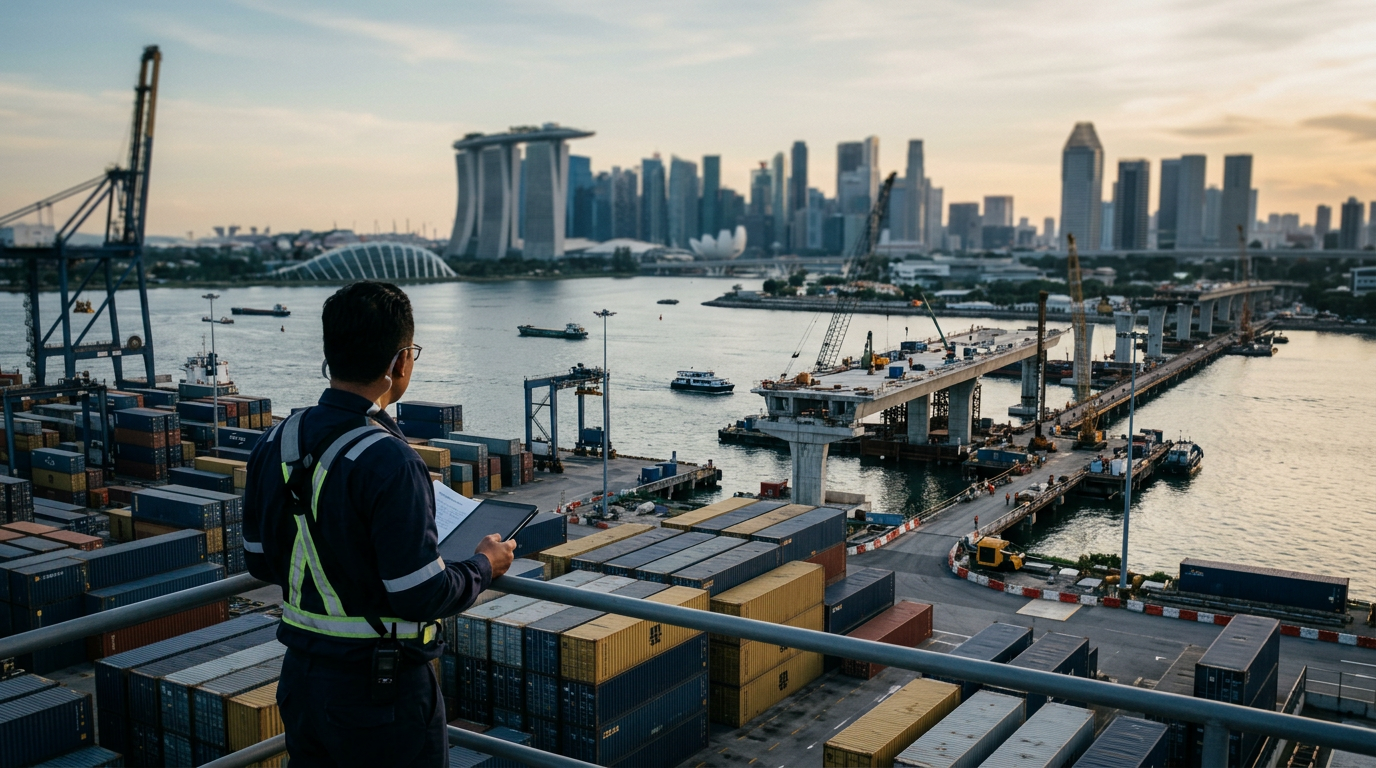
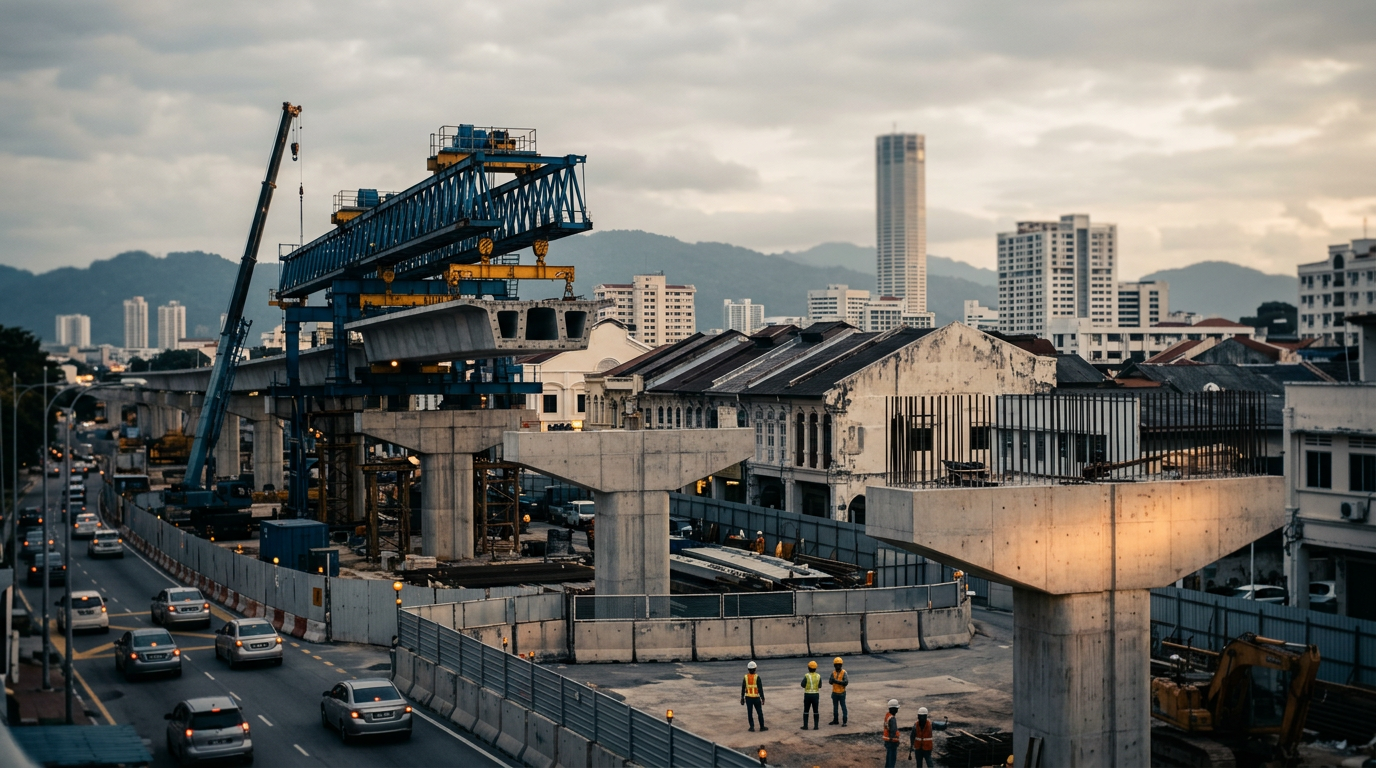
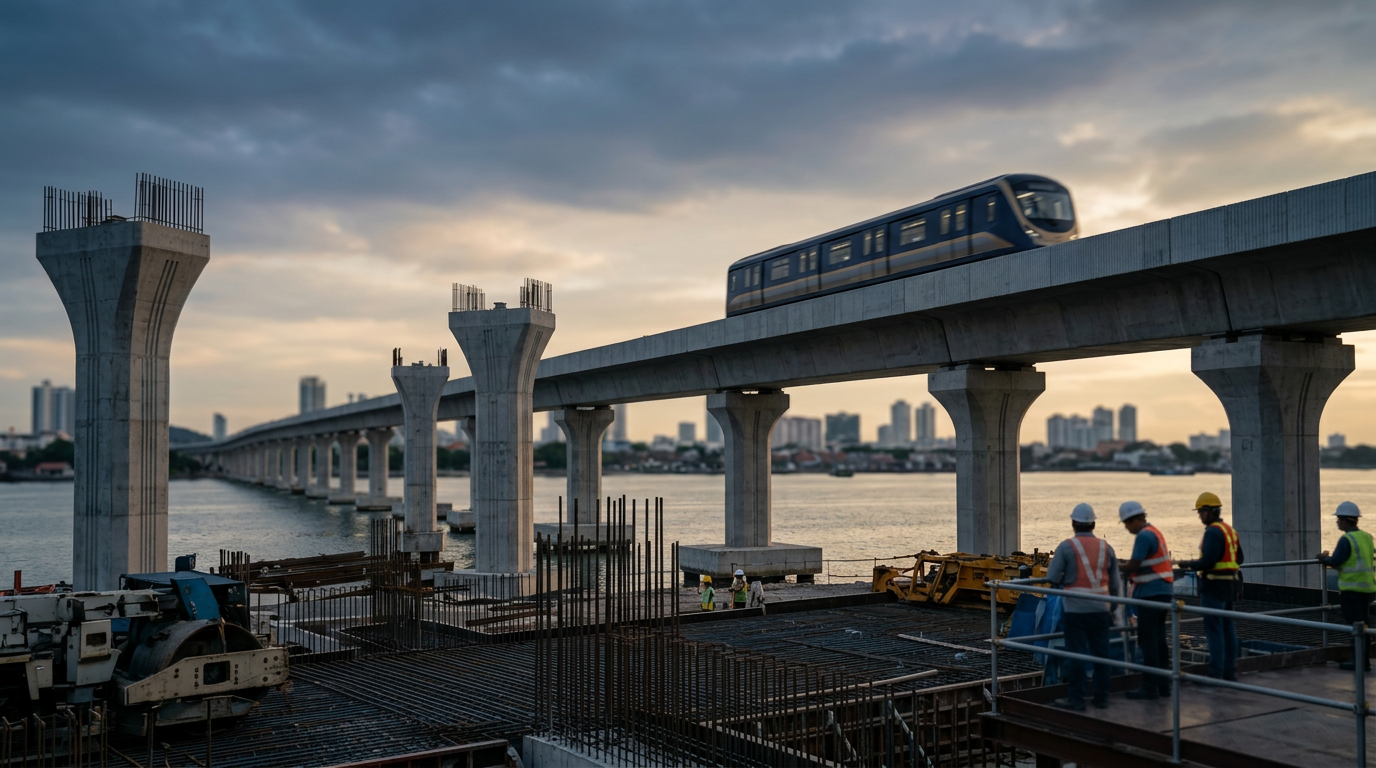
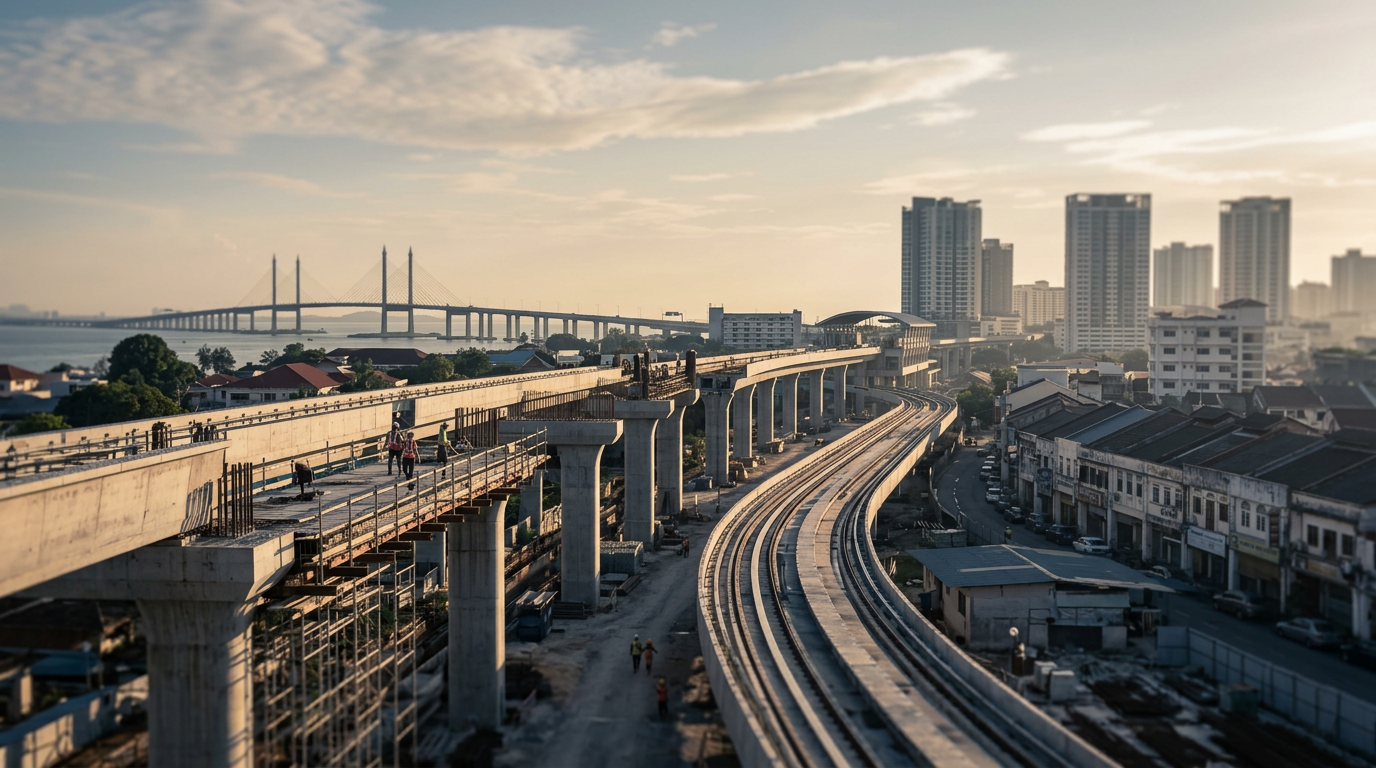
Delays to the planned Johor Bahru-Singapore Rapid Transit System (RTS) Link, pushing the start of passenger service to February 2027, highlight a persistent theme in regional infrastructure development. According to a report from CNA, the builders require more time for system testing and safety approvals. While a delay of a few months on a complex, cross-border project is not unusual, it serves as a reminder that turning ambitious plans into operational assets requires more than just political will and capital.
Institutions and Execution
The RTS Link is a case study in the complexities of bilateral projects. The initiative involves national governments, state-level authorities in Johor, and multiple private contractors. Coordinating these entities to ensure seamless execution is a significant undertaking. The current delay, attributed to the need for thorough testing and certification, shows a commendable focus on safety and operational integrity. It also shows that timelines are subject to the practical realities of regulatory processes. As the book "ASEAN Rising" notes, for large-scale projects to succeed, "FDI announcements travel quickly. Realised flows depend on the slower work of land, permits, power and talent reaching the ground." This project demonstrates that even with high-level backing, the institutional mechanics of approval and integration dictate the actual pace of progress.
Capital and Infrastructure
The RTS Link is a central component of the broader Johor-Singapore Special Economic Zone (SEZ). The success of this SEZ depends on the free and efficient movement of people and goods. The rail link is designed to carry up to 10,000 passengers per hour in each direction, which would significantly ease the chronic congestion at the existing Causeway. For investors, the SEZ's attractiveness is directly tied to the reliability of its core infrastructure. The delay, while minor in the grand scheme, injects a degree of uncertainty for businesses making long-term capital allocation decisions based on the SEZ's promised connectivity. The project's funding model, a public-private partnership, relies on revenue from ridership, which in turn depends on the growth of the economic zone it is meant to serve. The two are locked in a cycle of mutual dependence.
Talent and Trust
Ultimately, the RTS Link is about the movement of talent. It is designed for the thousands of Malaysians who commute to Singapore for work daily, and for Singaporeans to more easily access opportunities and leisure in Johor. The project's long-term value will be measured by how well it facilitates this human connection. Building and operating a cross-border rail line also requires deep institutional trust. The project has already weathered a change in Malaysian government and a temporary suspension in 2019. The ability of both nations to navigate these issues and continue moving forward reflects a foundational confidence in the mutual economic benefits. This trust is the intangible asset that underpins the entire endeavor.
What to watch
Beyond the revised opening date, the key indicators to watch will be the progress on integrating the RTS Link with local transport networks in both Johor Bahru and Singapore. Pay attention to how authorities manage the customs, immigration, and quarantine (CIQ) processes, as a streamlined, co-located system is essential to the link's value proposition. Finally, observe the flow of private investment into the surrounding SEZ, as this will be the ultimate measure of the project's success in stimulating economic growth.