Malaysia
's Electricity Market: A Test of Institutional Reliability
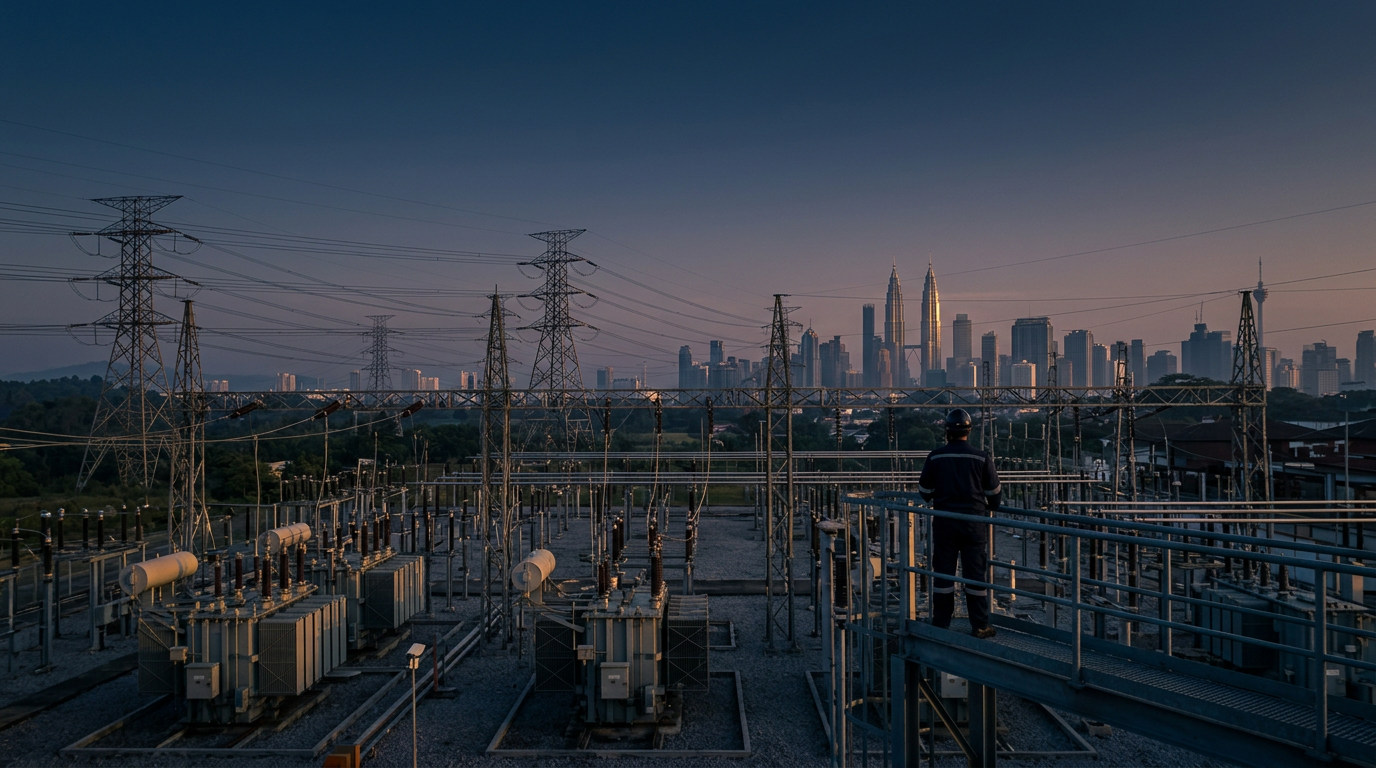
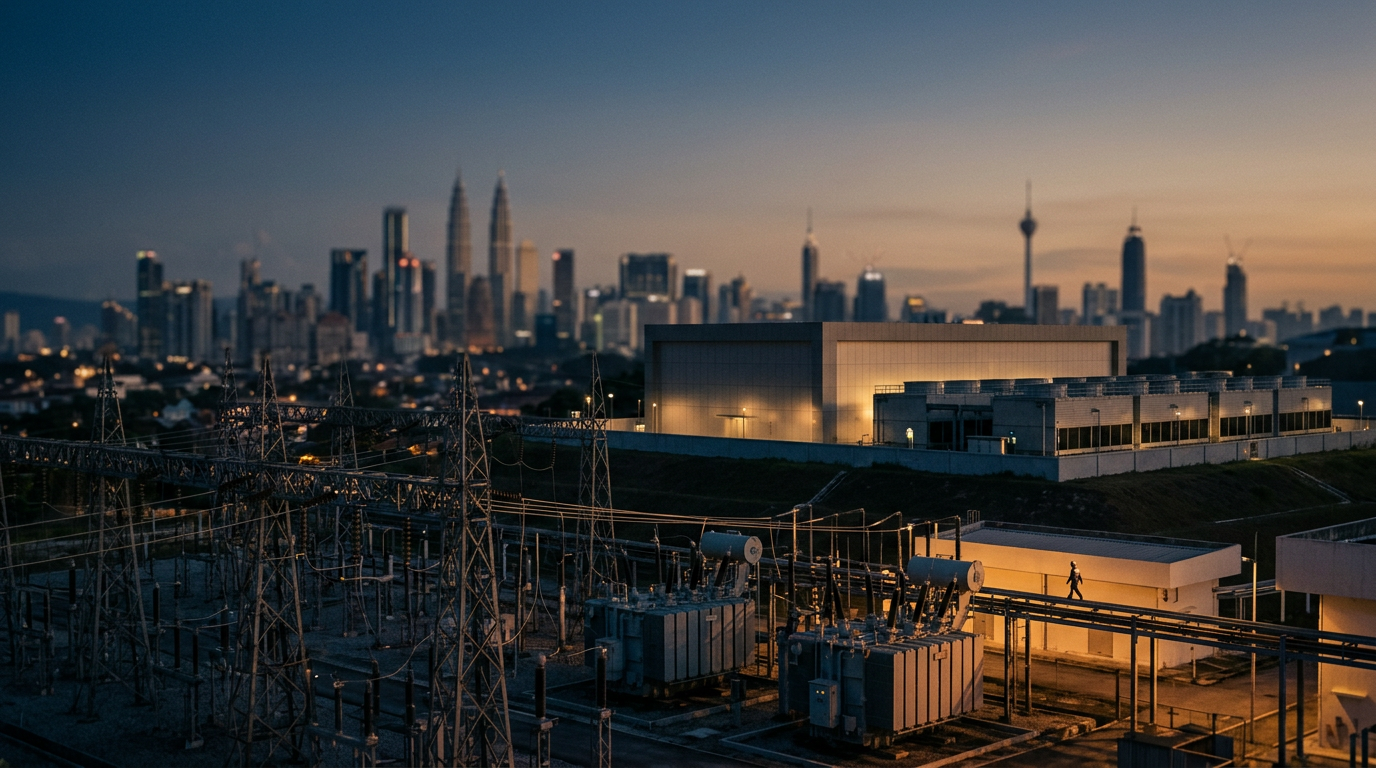
Rising spot electricity prices in Malaysia are not just a headline-they are a test of the country's energy institutions and their capacity to manage market-based systems while ensuring stable, long-term power supply.
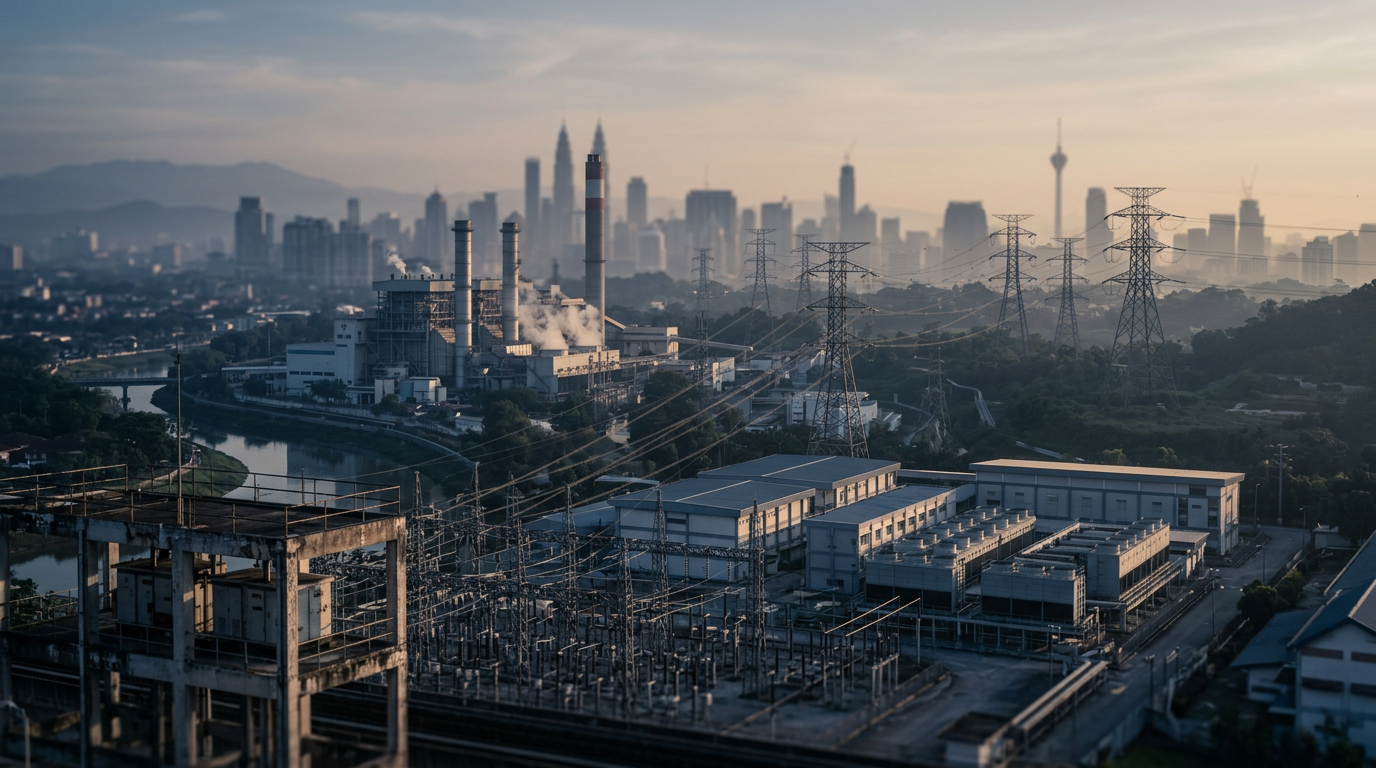
A recent report from The Straits Times highlights that spot electricity prices in Malaysia have reached a high for 2026, driven by fluctuating fuel costs and the dynamics of supply and demand. While household bills are the immediate concern for many, the situation points to a deeper question about the institutional framework governing the nation's power sector.
The Shift to Market Mechanisms
Malaysia has been progressively reforming its electricity sector, moving from a single-buyer model toward a more liberalized market. The introduction of the Malaysia Electricity Spot Market is a central part of this transition, intended to foster competition, enhance efficiency, and provide clearer price signals for both producers and consumers. The goal is to create a system where the market, rather than a single entity, dictates the price of electricity based on real-time conditions.
This shift, however, is not without its challenges. Market-based systems are inherently more volatile than centrally planned ones. Price fluctuations are a feature, not a bug, reflecting the immediate costs of fuel and the balance of power generation and consumption. For this system to succeed, it requires robust institutions capable of managing this volatility. This includes regulatory bodies that can ensure fair play, prevent market manipulation, and oversee a transparent and predictable pricing environment. The recent price spike is a live test of these mechanisms and their ability to function under pressure without causing undue shocks to the broader economy.
State Capacity and Infrastructure Investment
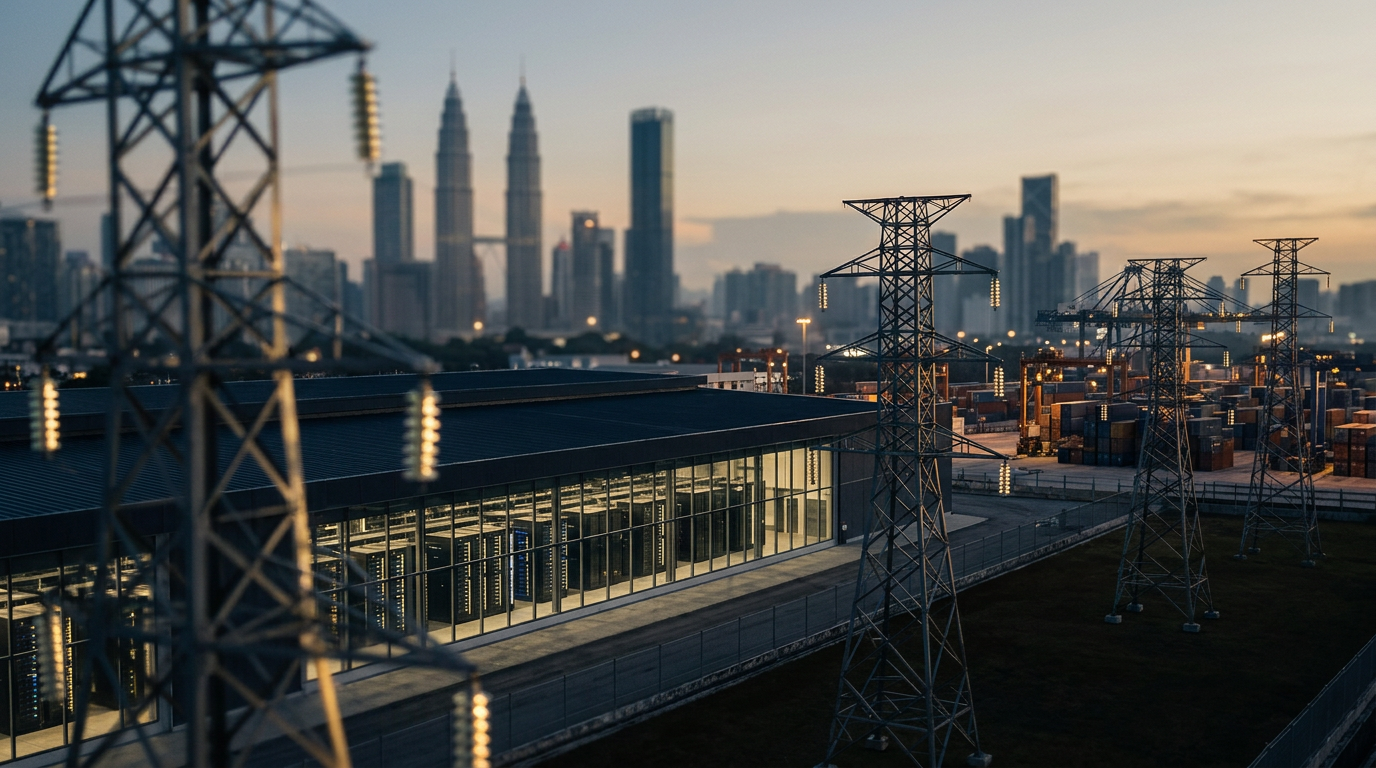
Effective market management is only one part of the equation. The other is ensuring sufficient and reliable generation capacity. As the book "ASEAN Rising" notes, infrastructure that is merely announced is less valuable than infrastructure that arrives on time. The reliability of the power grid and the adequacy of its supply are direct reflections of state capacity-the ability of the government and its related entities to plan, finance, and execute complex infrastructure projects.
For Malaysia, this means translating energy transition plans into tangible assets. The country has ambitious goals for renewable energy, aiming to increase its share in the national energy mix. Achieving this requires not just policy pronouncements but also the institutional capability to see these projects through from conception to operation. This involves streamlining regulations, securing financing, and building the physical infrastructure. The current price pressures underscore the importance of these long-term investments. A diversified and modern energy grid is less susceptible to price shocks from a single fuel source and is better equipped to meet the growing demands of the economy. The book argues that "institutional reliability has become part of comparative advantage," and in the energy sector, this means a state that can deliver on its infrastructure promises.
The Role of Trust
Ultimately, the success of Malaysia's electricity market reforms will depend on trust. Consumers must trust that the market is fair and that price movements are the result of legitimate market forces, not failures of oversight. Investors, both domestic and international, must trust that the regulatory environment is stable and that their long-term investments in power generation will be secure. This trust is built not through grand statements but through consistent and predictable execution.
When regulators communicate clearly about the reasons for price changes and the steps being taken to ensure long-term stability, they build confidence. When new power plants, particularly those using renewable sources, are completed on schedule, it signals competence. The recent price volatility is a critical moment for the institutions governing Malaysia's energy sector to demonstrate their effectiveness and reinforce the trust that is essential for a functioning market and a secure energy future.
What to watch
The immediate focus will be on how Malaysian regulators and energy authorities respond to the current spot price increases and communicate their strategy to the public. Observers should also track the progress of committed power generation projects, especially in the renewable sector, as their timely completion is the most important indicator of the country's ability to ensure a stable and affordable electricity supply for the long term. The handling of this period will signal much about the maturity of Malaysia's energy institutions.