Malaysia
's Infrastructure Test: Bridging Ambition and Execution
The delay of the Johor Bahru-Singapore RTS Link highlights the persistent gap between foreign direct investment announcements and the slower work of turning plans into reality on the ground.
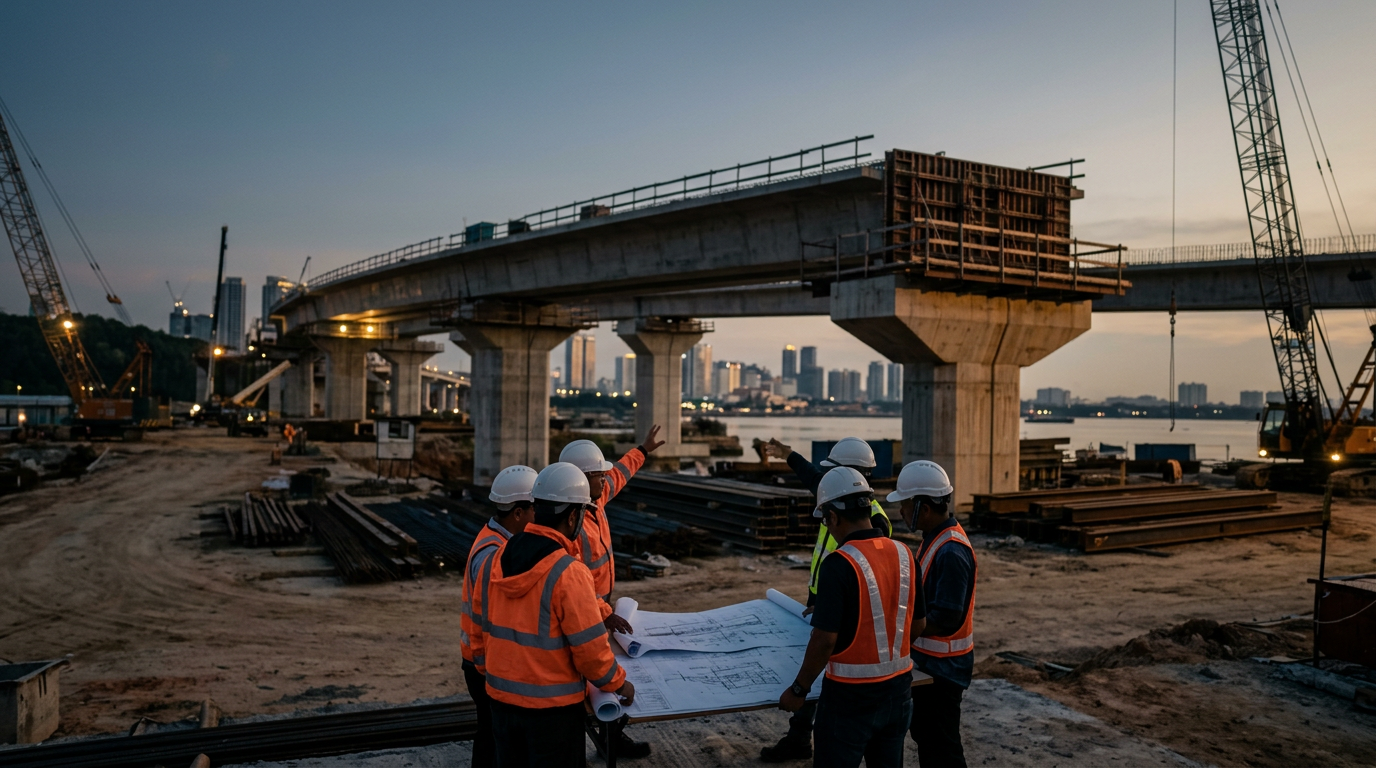
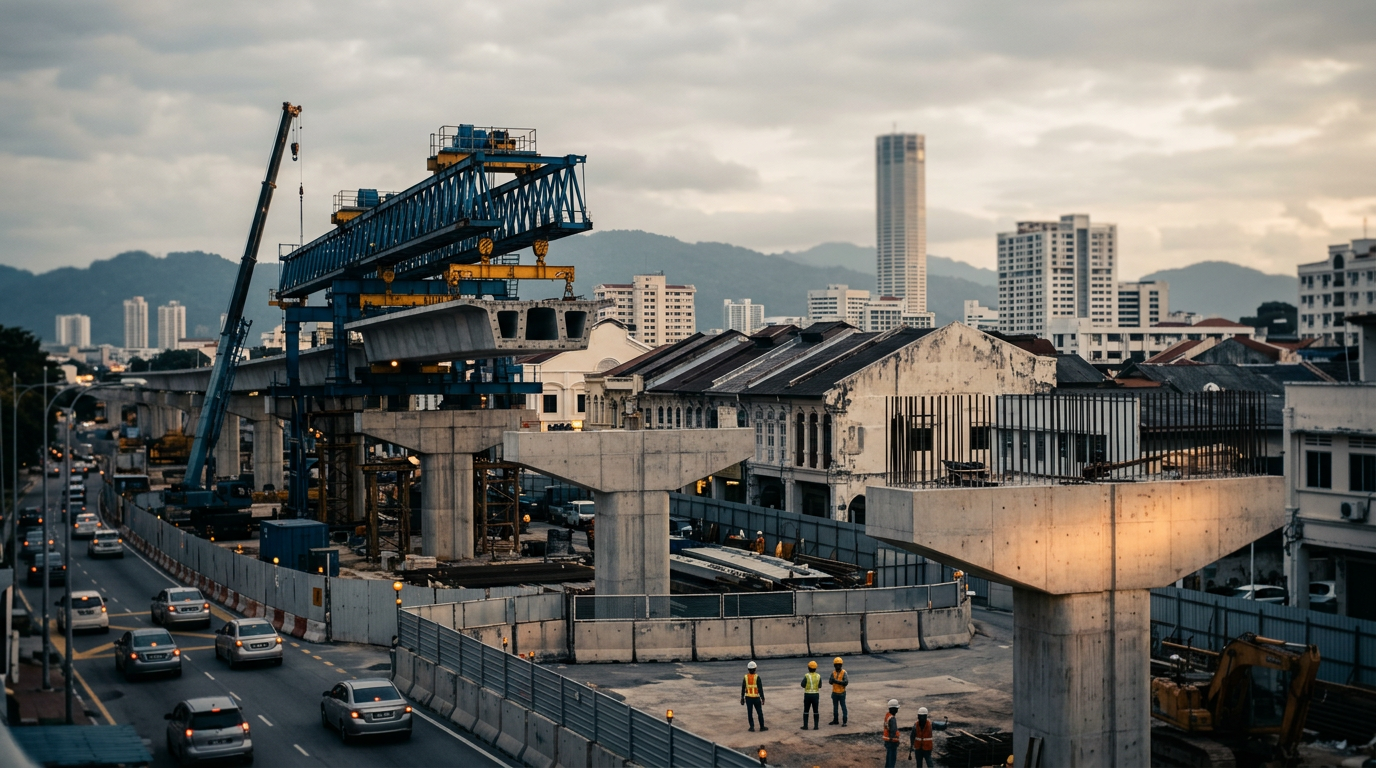
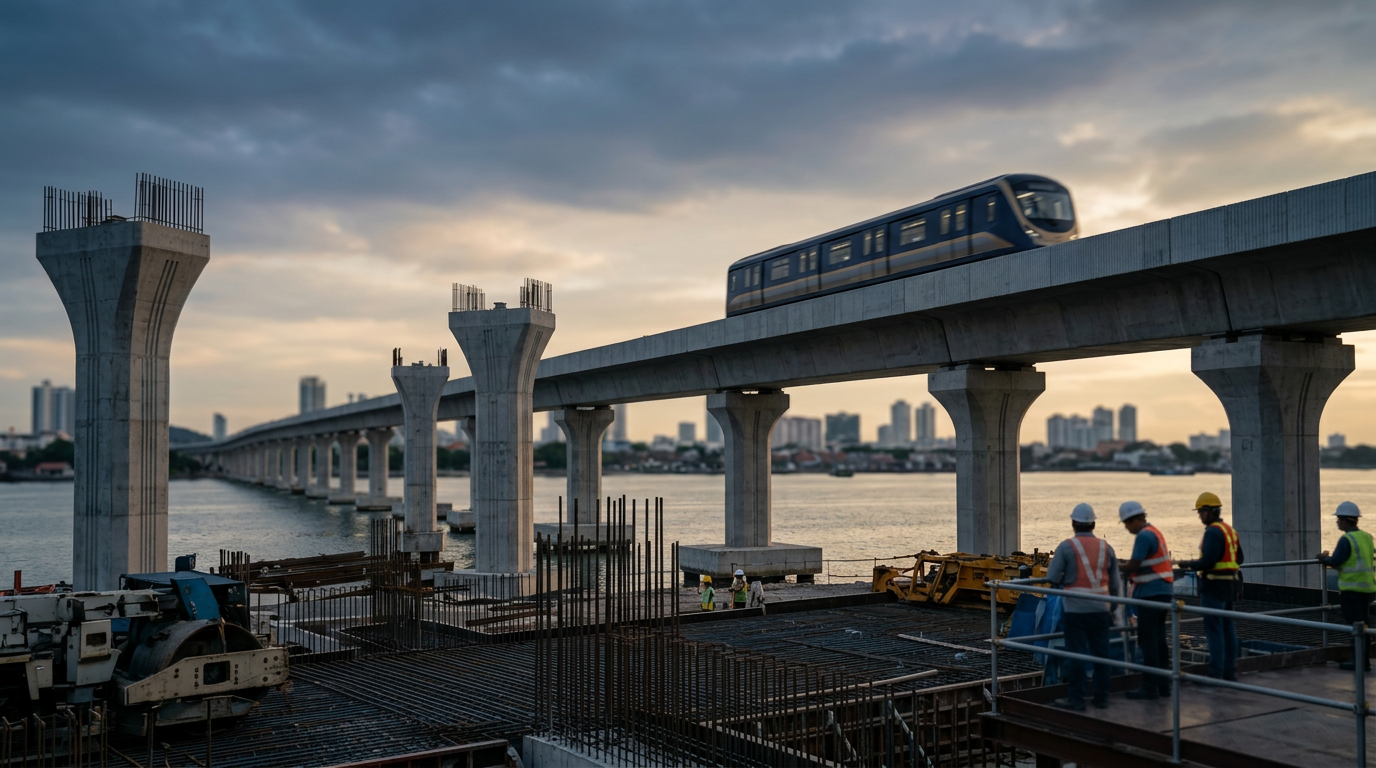
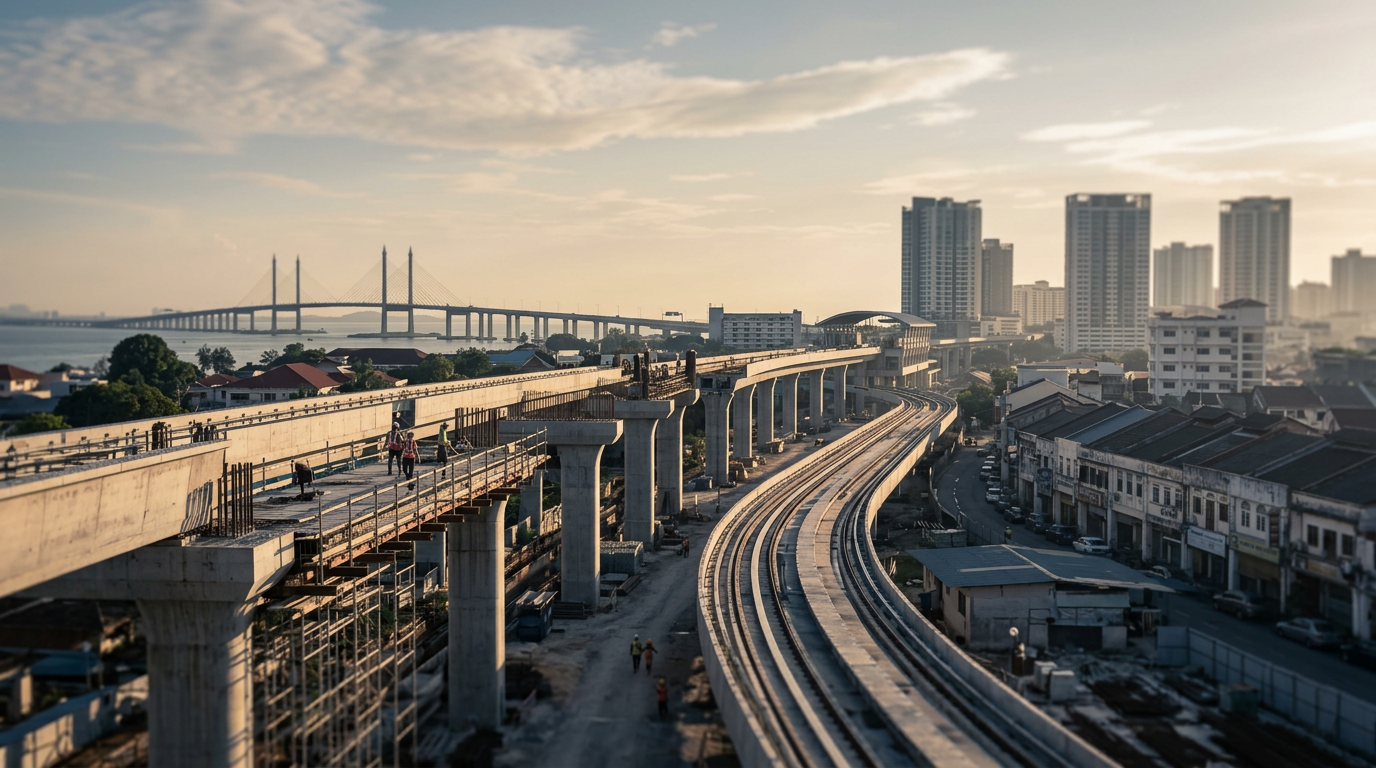
A recent announcement that the Johor Bahru-Singapore Rapid Transit System (RTS) Link passenger service will be delayed to early 2027, as reported by CNA, has drawn attention to the complexities of executing large-scale infrastructure projects in the region. While the delay is attributed to the need for more time in testing and regulatory approvals, it speaks to a larger theme of the challenges that lie between ambitious planning and final delivery.
The Execution Gap
Cross-border projects like the RTS are significant undertakings, involving coordination between two governments, multiple state agencies, and numerous private contractors. The RTS aims to significantly ease congestion on the Johor-Singapore Causeway, one of the world's busiest land borders. It is a vital component for the success of the Johor-Singapore Special Economic Zone (JS-SEZ), which relies on the seamless flow of people and goods to attract investment and create a unified economic area.
The project's delay, while not uncommon for undertakings of this magnitude, serves as a practical example of the difference between vision and execution. Attracting foreign direct investment often begins with a compelling top-line announcement, but as the book "ASEAN Rising" notes, the more difficult work involves navigating the details of land acquisition, regulatory permits, and ensuring that supporting infrastructure and skilled labor are available. For investors, the ultimate measure of a project is not the initial fanfare but the final, operational reality.
Capital and Trust
The RTS is more than a transportation project; it is a test of institutional credibility. The ability to deliver complex infrastructure on a predictable timeline is a core signal to international investors. Delays can introduce uncertainty and impact the financial models that underpin investment decisions in the surrounding economic zone. The JS-SEZ is designed to draw significant capital into sectors like manufacturing, logistics, and digital services. The efficiency of the RTS is a foundational assumption for many of these investments.
Successfully completing the RTS will therefore do more than just facilitate commutes; it will build trust. It demonstrates that the frameworks for bilateral cooperation are robust and that the institutions tasked with implementation can manage complexity. This institutional capacity is what transforms the sheer scale of a project into what "ASEAN Rising" calls "investable depth." It is this depth that gives investors the confidence to commit to long-term capital deployments.
What to watch
As officials work toward the new 2027 service date, observers will be watching how project leaders in both Malaysia and Singapore manage the final phases of testing, commissioning, and regulatory sign-off. The key metric will be their ability to adhere to the revised schedule and to ensure that the surrounding infrastructure and policies within the JS-SEZ are developed in parallel. The smooth launch of the RTS will be a powerful indicator of the region's capacity to not just attract, but to effectively absorb and operationalize, major investments.