Malaysia
Malaysia's data center boom tests its infrastructure coordination
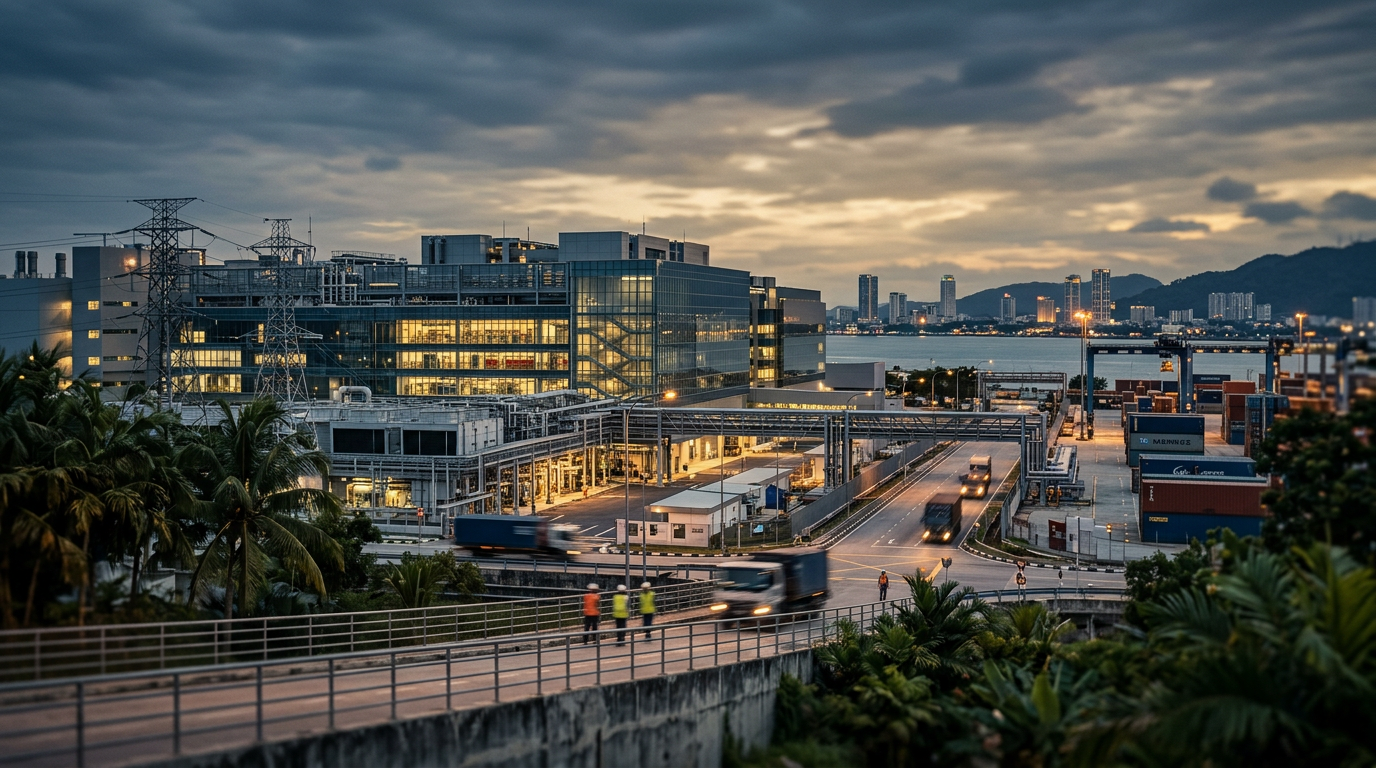
The rapid growth of data centers in Malaysia is a significant economic win, but it also presents a serious test of the country's ability to coordinate its infrastructure, particularly water and power resources. Success will depend on more than just attracting investment; it.
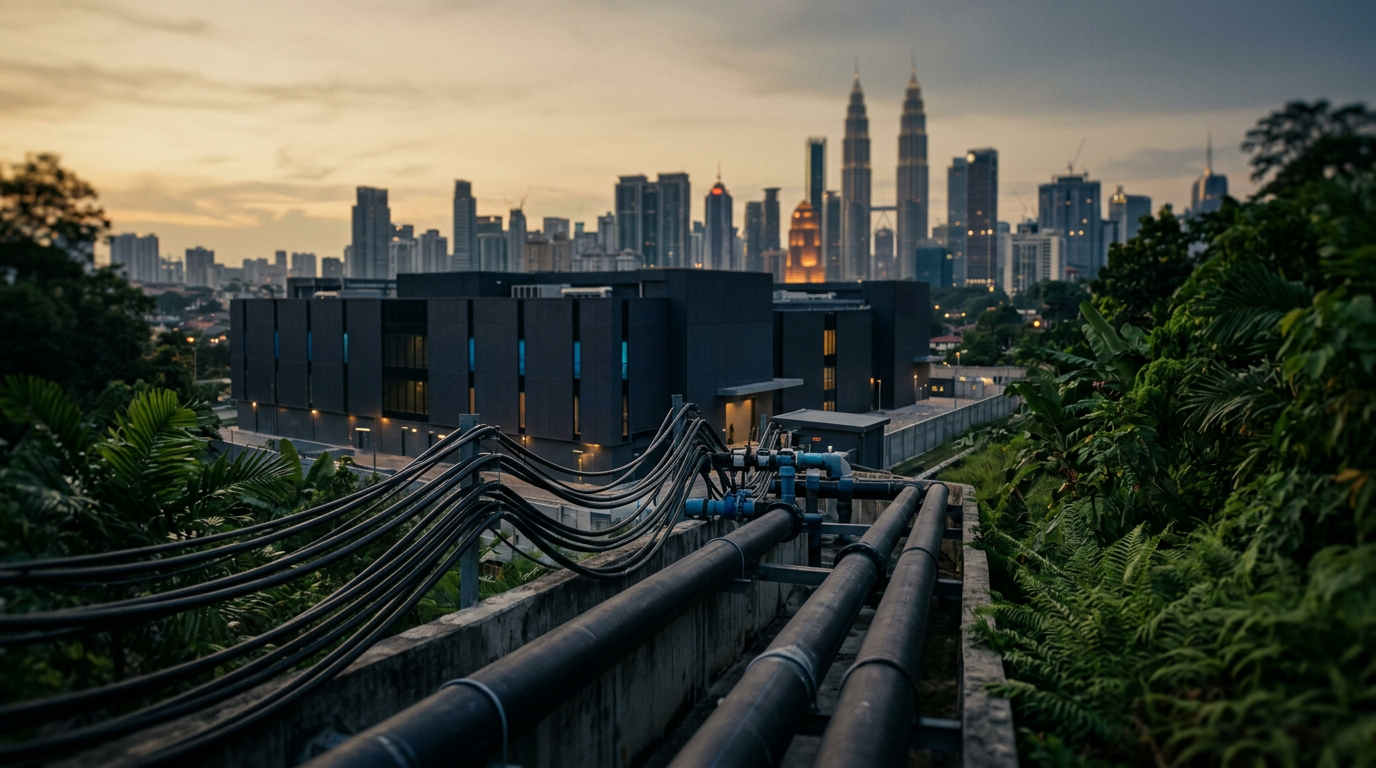
A recent opinion piece in Malay Mail highlights the substantial water requirements of Malaysia's growing number of data centers, a consequence of its ambition to become a hub for artificial intelligence. While the influx of hyperscale facilities from tech giants is a clear economic benefit, the article points to the strain this places on natural resources, particularly in states like Johor. This situation demonstrates a core theme of regional development: attracting high-tech investment is only half the battle. The other, more complex half is managing the infrastructural load that comes with it.
Infrastructure as an Input
The central challenge for Malaysia is not a lack of resources, but the coordination of those resources. As detailed in "ASEAN Rising", the successful development of high-tech industries hinges on the seamless integration of utilities, planning, and connectivity. When these elements are aligned, they act as a powerful attractant for large-scale investment. The book notes that "Capital coordination is itself an industrial input." Without this, even abundant and inexpensive factors like land or power are insufficient to guarantee a project's success. The water scarcity issues emerging in Johor are a real-world example of this principle. The state's success in attracting data center investment now requires a level of utility and planning coordination that can sustain this capital-intensive industry over the long term.
The Coordination Challenge
Malaysia's federal system adds layers of complexity to this coordination challenge. State governments have significant authority over land and water, while the federal government typically manages the energy grid and national industrial policy. This division of power can create friction and misalignment. For a hyperscale data center to succeed, it needs reliable, large-scale inputs of both power and water, delivered on a strict timeline. A delay or constraint in one area can jeopardize the entire investment. The current situation, where data center development outpaces the local water infrastructure's capacity, shows a gap in integrated planning between state and federal bodies and the private sector. Bridging this gap is essential for Malaysia to fully capitalize on its AI aspirations without creating unsustainable burdens on its local infrastructure and population.
Lessons from Singapore
Neighboring Singapore offers a useful, if smaller-scale, model for this kind of long-range infrastructure planning. Faced with natural resource constraints, Singapore has long made integrated utility and land-use planning a cornerstone of its economic strategy. By treating infrastructure as a coordinated system, Singapore has been able to attract and sustain high-value industries despite its physical limitations. While Malaysia's context is different due to its size and federal structure, the underlying principle is the same. The long-term viability of its data center and AI sectors will depend on its ability to create a planning environment where power, water, and digital connectivity are developed in concert, not in silos.
What to watch: Observers should monitor how Malaysian federal and state authorities, particularly in Johor, collaborate to address the water-for-energy nexus in their infrastructure planning. The focus will be on whether they can move beyond merely attracting investment towards a more holistic management of the resources required to sustain it. The success of future hyperscale projects, and Malaysia's broader ambitions as a digital economy leader, will depend on this integrated approach.