Malaysia
RTS Link Delay Highlights the Execution Challenge for Major Projects
The delay to the Johor Bahru-Singapore RTS Link highlights a persistent theme in regional infrastructure development: turning ambitious announcements into operational reality requires overcoming significant hurdles in execution and coordination.
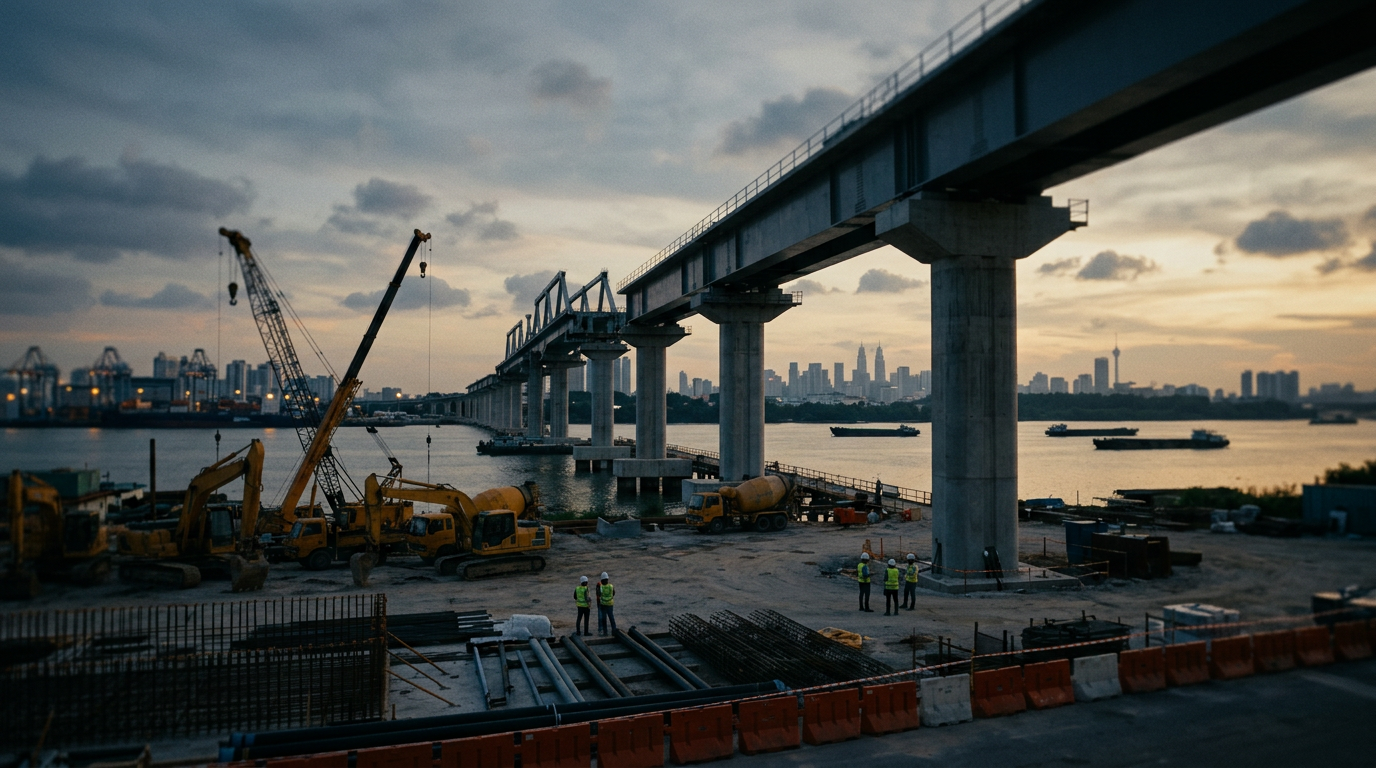
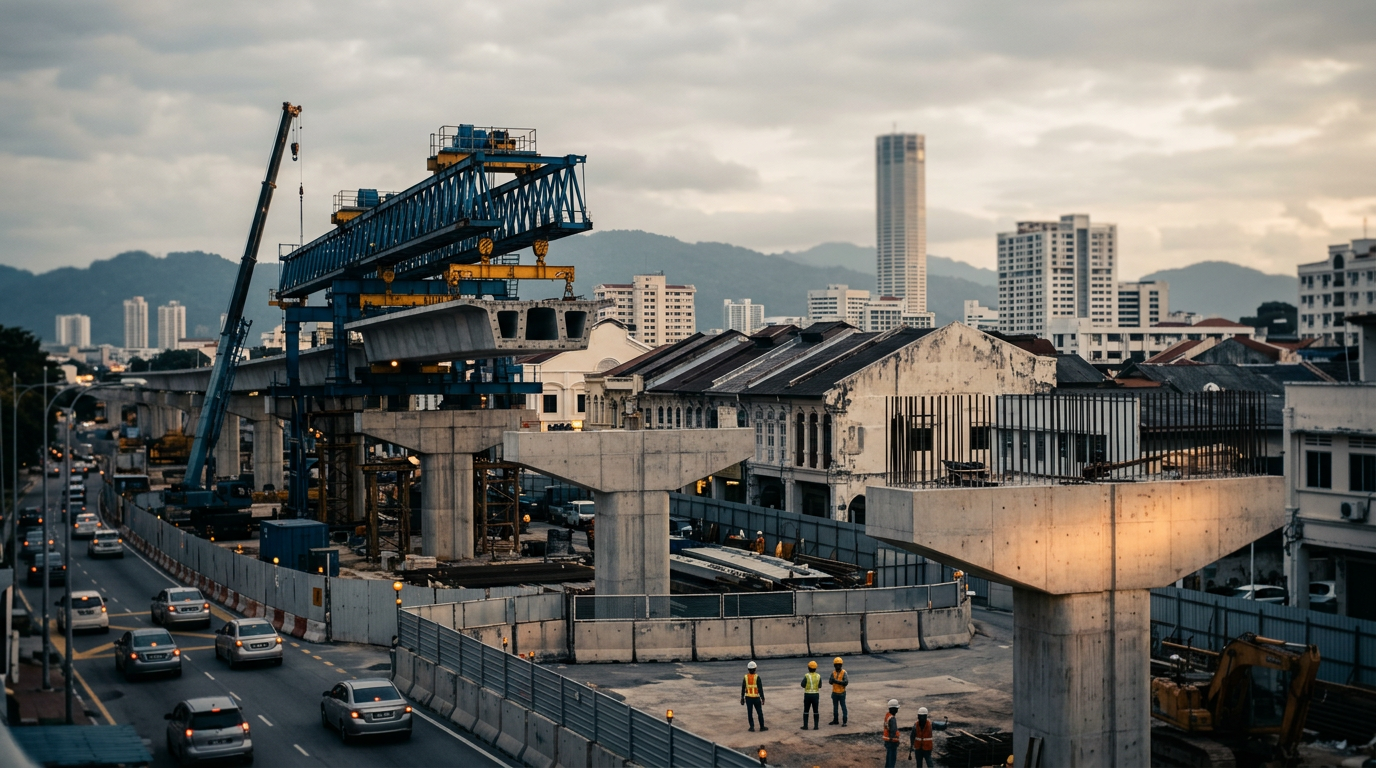
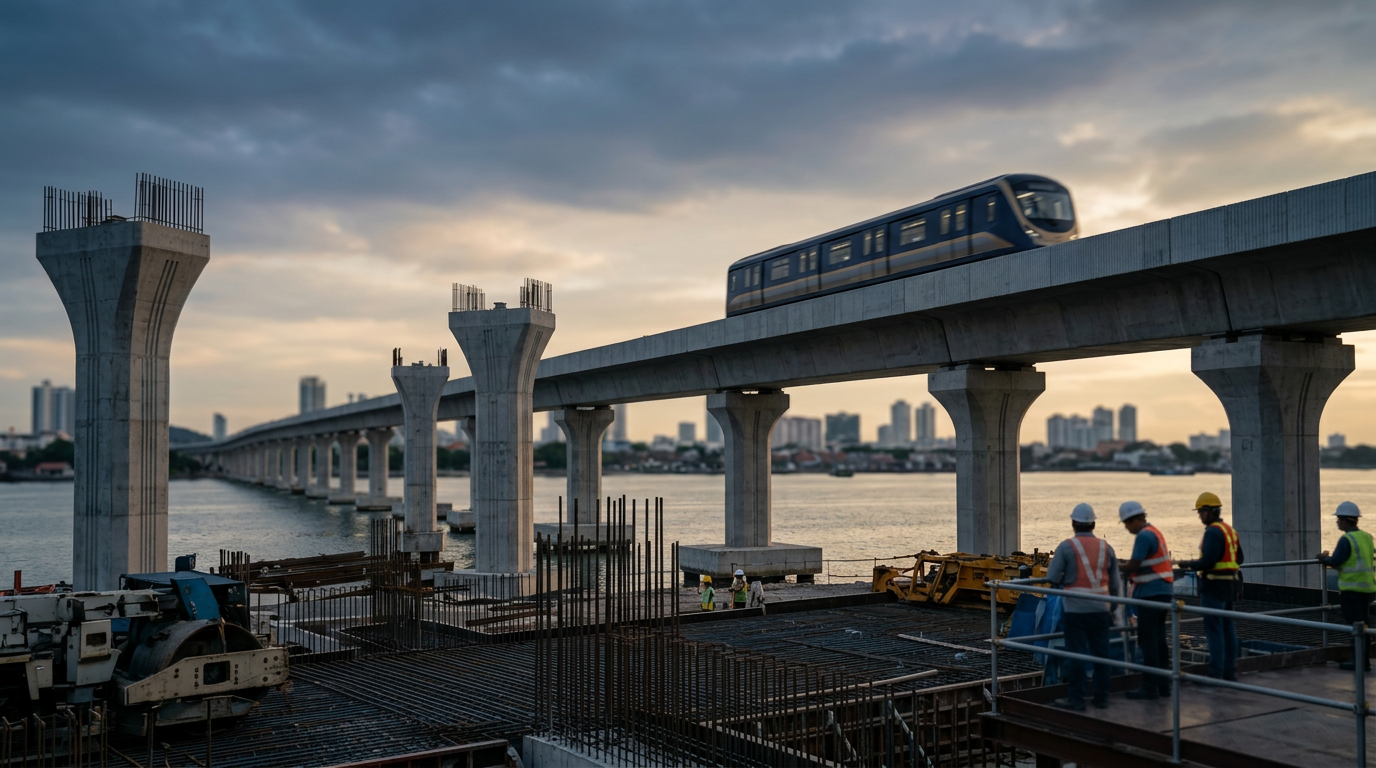
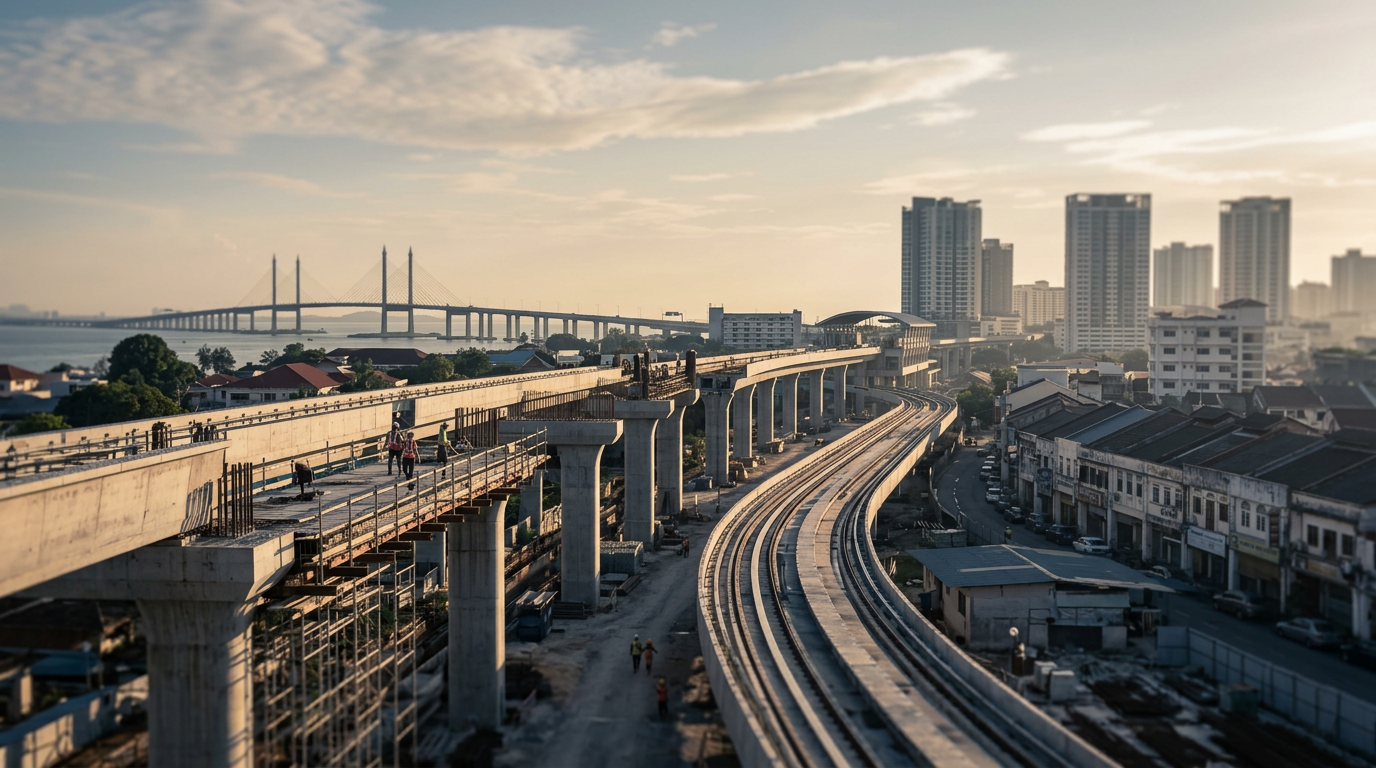
Singapore and Malaysia have adjusted the timeline for the Johor Bahru-Singapore Rapid Transit System (RTS) Link, with passenger service now slated to begin in February 2027. According to a report from CNA, the delay is to accommodate more time for testing, safety certification, and the necessary regulatory approvals for the cross-border rail service.
The project, a 4km light rail line connecting Bukit Chagar in Johor Bahru with Woodlands North in Singapore, is a significant undertaking aimed at easing congestion on the Causeway, one of the world's busiest land border crossings. Once complete, it is expected to carry up to 10,000 passengers per hour in each direction, profoundly improving connectivity between southern Malaysia and Singapore.
From Announcement to Operation
The revised schedule for the RTS Link serves as a practical reminder of the complexities involved in large-scale infrastructure projects, particularly those involving cross-border cooperation. As detailed in the book ASEAN Rising, there is a substantial difference between the announcement of a project and its final execution. The book notes that while foreign direct investment (FDI) announcements can generate positive headlines, "realised flows depend on the slower work of land, permits, power and talent reaching the ground."
This principle applies directly to infrastructure. The RTS Link requires coordinating between two different national systems, aligning on technical standards, and navigating two separate regulatory and legal frameworks. The need for additional time for testing and certification is not unusual for a project of this scale, reflecting the detailed, often slow, work required to ensure safety and operational reliability.
Infrastructure as an Enabler of Capital
Effective infrastructure is a precondition for attracting and retaining investment. The RTS Link is more than a transportation project; it is a vital economic corridor. For Johor, it enhances the attractiveness of its industrial parks, real estate, and special economic zones by providing a seamless connection for commuters, tourists, and talent to Singapore. For Singapore, it improves access to a larger hinterland for business and leisure.
The delay underscores the execution challenges that can impact the pace of economic integration. While the vision for a more connected region is clear, the ability to deliver complex projects on schedule is a function of institutional capacity. The RTS Link's progress, including this schedule adjustment, reflects the deliberate process of building the institutional trust and technical alignment necessary for such projects to succeed.
What to watch
As the new 2027 deadline approaches, the focus will be on the project's managers to navigate the final stages of testing and regulatory approval without further delays. The efficiency of this process will be an indicator of the maturity of bilateral cooperation on complex infrastructure. Observers of regional development should monitor how both governments manage this final phase, as its successful completion is important for investor confidence in other cross-border initiatives, including the Johor-Singapore Special Economic Zone.