Malaysia
RTS Link Delay Highlights ASEAN Infrastructure Execution Gap
The delay in the Johor Bahru-Singapore RTS Link, a project designed to improve connectivity, shows how institutional capacity and execution can limit the impact of major infrastructure investments in ASEAN.
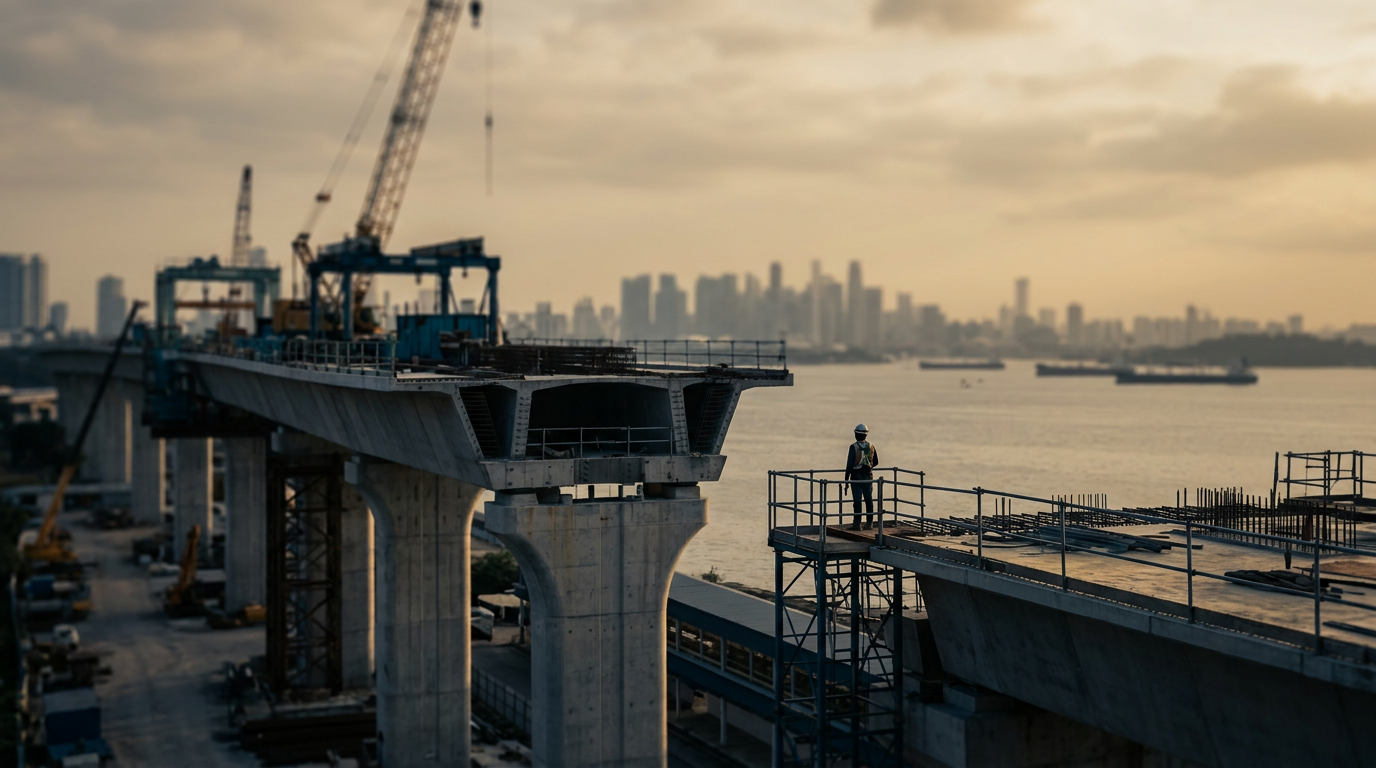
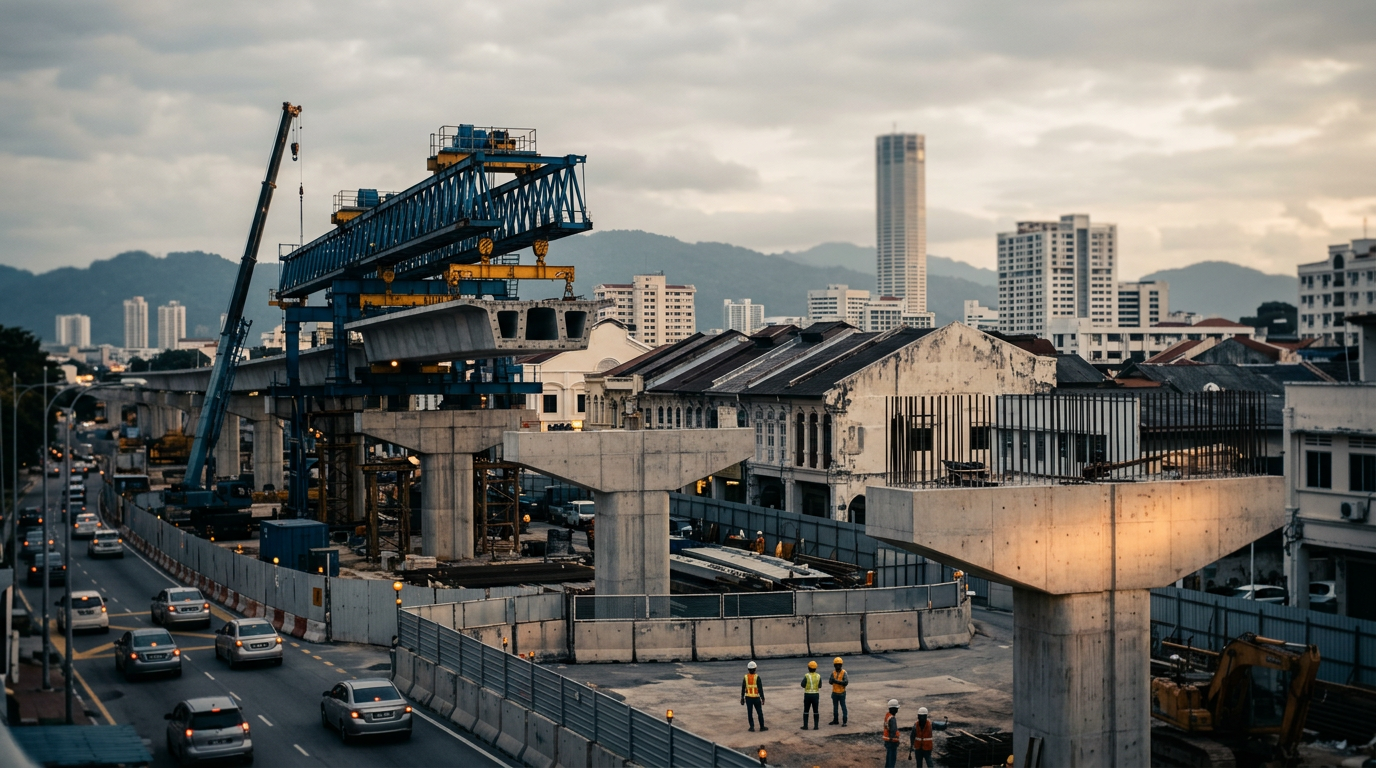
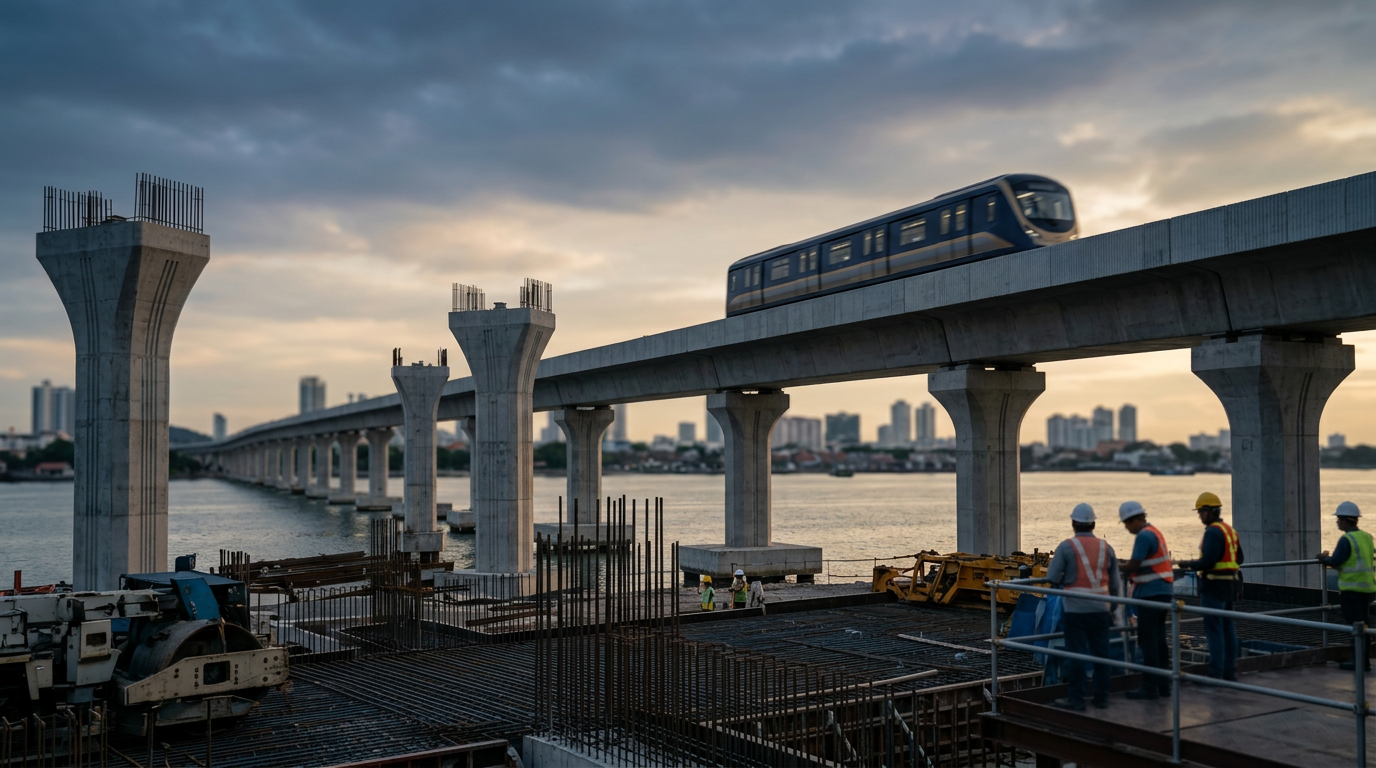
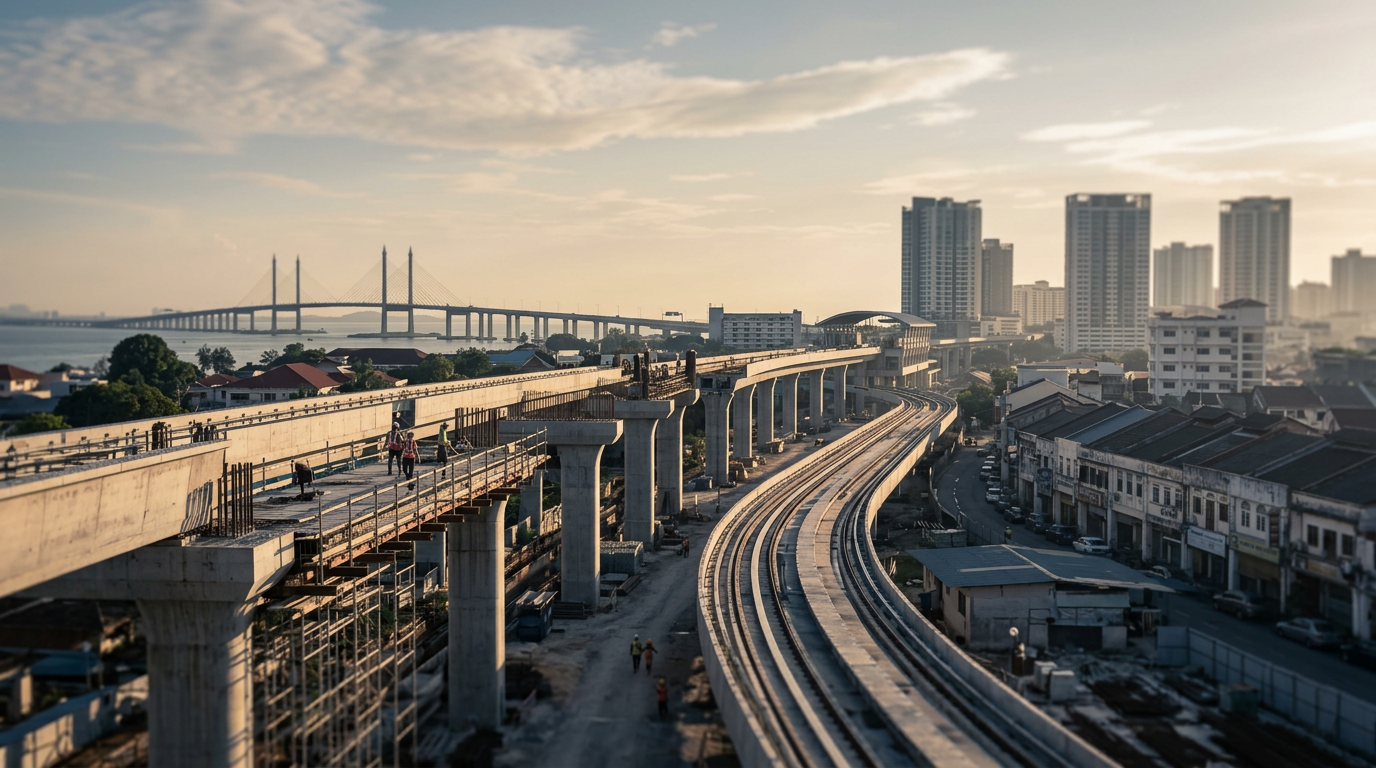
A recent announcement confirmed a delay in the planned Johor Bahru-Singapore Rapid Transit System (RTS) Link, with passenger service now expected to begin in February 2027. According to a report from CNA, the postponement is necessary to accommodate additional time for system testing, safety certification, and cross-border regulatory approvals. The delay of this high-profile project, intended to ease one of the world's busiest land border crossings, puts a spotlight on the persistent gap between infrastructure ambition and execution in the region.
The Execution Challenge
Large-scale infrastructure projects are central to ASEAN's economic integration and growth story. They promise to connect markets, attract investment, and create jobs. However, the RTS Link's timeline adjustment is a familiar story. Ambitious plans often face the friction of on-the-ground reality. As the book "ASEAN Rising" notes in its analysis of regional development, "realised flows depend on the slower work of land, permits, power and talent reaching the ground."
The RTS Link is a case in point. While the vision is clear-a seamless, five-minute journey between Johor Bahru and Singapore, serving up to 10,000 passengers per hour-the implementation involves navigating the complex technical and regulatory landscapes of two different sovereign nations. Coordinating everything from signaling systems to customs and immigration protocols requires immense institutional capacity. The need for further testing and safety approvals, while prudent, shows that even with strong political will, the technical and bureaucratic details are formidable hurdles.
Infrastructure and Investable Depth
For investors, infrastructure is not just about concrete and steel; it is a proxy for institutional quality. The ability of a country or a region to deliver complex projects on time and on budget signals a stable and predictable environment for capital. The RTS Link is more than a convenience for commuters; it is a foundational piece of the economic ecosystem envisioned for the Johor-Singapore corridor, intended to support everything from manufacturing supply chains to the growth of the service sector.
The delay affects the "investable depth" of the entire zone. Businesses that have made investment decisions based on the original 2026 completion date must now recalibrate their plans. The cost of the delay is not just financial; it is measured in the opportunity cost of slower integration and deferred economic activity. Successfully turning scale into a genuine economic advantage requires institutions that can execute. The RTS project demonstrates that this remains a work in progress.
What to watch
The focus now shifts to how project managers and authorities in both Malaysia and Singapore handle the revised timeline. Their ability to manage the final phases of testing and regulatory approval will be a measure of institutional maturity. Observers will be watching for clear communication and effective cross-border coordination to prevent further slippage, as the successful launch of the RTS Link is a litmus test for other ambitious cross-border infrastructure projects planned within ASEAN.