Malaysia
's Energy Market: A Test of Institutional Strength
Recent volatility in Malaysia's spot electricity market highlights the tension between market liberalization and the need for stable, predictable energy infrastructure.
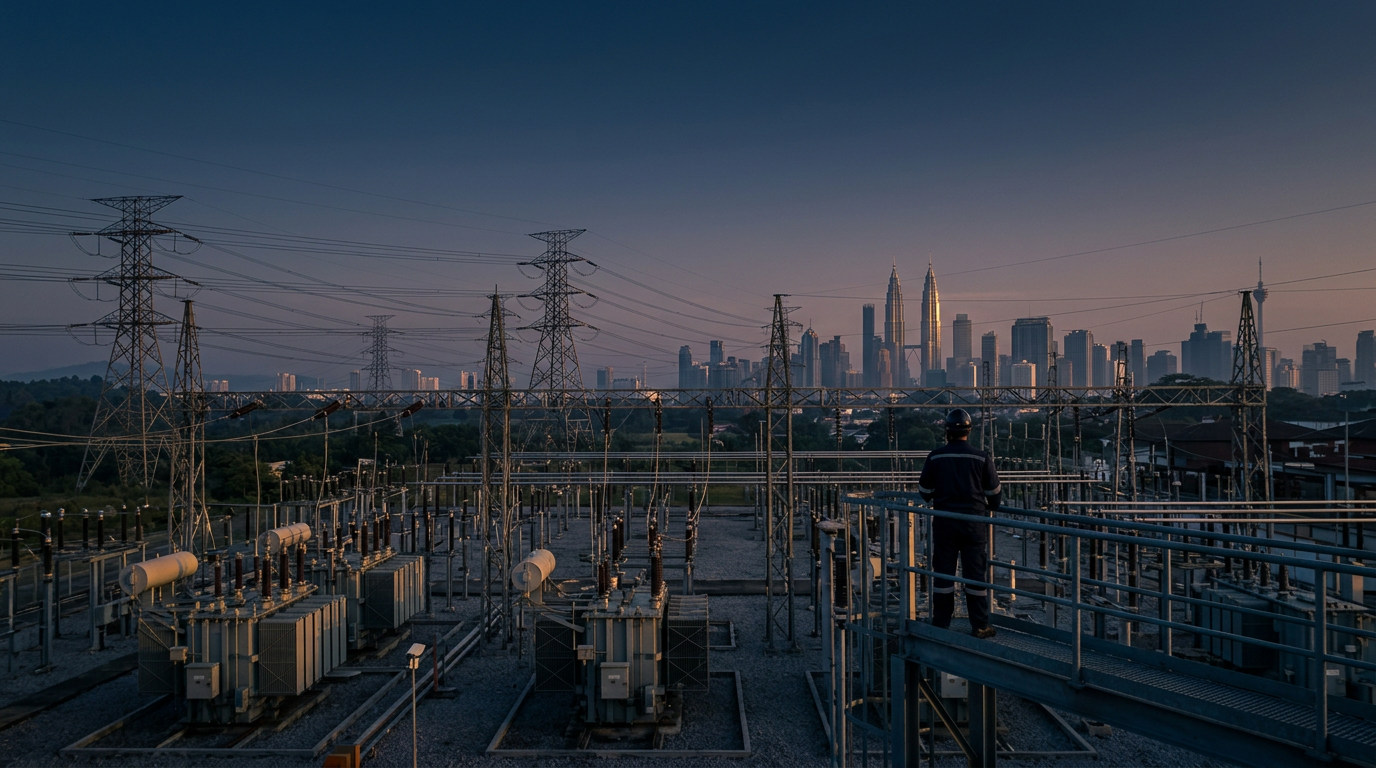
A recent report in the Straits Times on rising spot electricity prices in Malaysia has brought the country's energy market reforms into sharp focus. The surge in the wholesale electricity market, driven by fuel costs and fluctuating power supply, raises questions for households and businesses about the future cost of power. More fundamentally, it serves as a case study in the challenges of balancing market dynamics with the long-term necessity of reliable and affordable energy infrastructure.
Institutions and Energy Reform
Malaysia formally established a wholesale electricity market in 2022 as part of a wider Malaysia Electricity Supply Industry (MESI) 2.0 reform program. The objective was to introduce competition, enhance efficiency, and provide clearer price signals for generation and consumption. The recent price volatility is, in one sense, a sign that the market is working as intended, reflecting real-time supply and demand pressures. However, it also presents a significant test for the country's institutions, particularly the Energy Commission.
The core function of a wholesale market is to optimize the dispatch of power from the most cost-effective generators first. When demand is high or cheaper fuel sources are unavailable, more expensive plants are brought online, and the spot price increases. For a country like Malaysia, which is navigating a delicate energy transition away from fossil fuels, these price signals are meant to incentivize investment in more efficient and, ideally, renewable-generation capacity. The challenge lies in managing the social and economic impact of this volatility. This is where the institutional capacity to design and regulate a market becomes paramount.
Infrastructure and Investment Signals
The price fluctuations underscore the deep connection between market mechanisms and physical infrastructure. As noted in "ASEAN Rising," the reliability of institutions has become a component of comparative advantage. For the energy sector, this means creating a regulatory environment where investors can confidently fund the next generation of power plants. High spot prices can be a powerful incentive, but they can also be a deterrent if they are perceived as part of an unstable or unpredictable policy environment.
Malaysia aims to increase its renewable energy capacity to 70% by 2050, a goal that requires substantial capital investment in solar, biomass, and potentially other green technologies. The current market design, with its fluctuating spot prices, must be complemented by long-term mechanisms that de-risk these investments. These can include long-term power purchase agreements (PPAs) and other frameworks that provide revenue certainty. Without this certainty, capital will be hesitant to commit to the large-scale projects needed to modernize the grid and lower the nation's carbon footprint. The book makes the point that "infrastructure that arrives on time signals more than infrastructure that is merely announced." This is particularly true for energy projects, which are defined by long lead times and high capital costs.
The Cost of Friction
The ultimate goal of electricity market reform is to lower costs for consumers and increase the reliability of the system. However, the transition from a centrally planned model to a market-based one introduces new forms of friction. These can include the administrative costs of running the market, the political challenges of subsidy reform, and the technical complexities of integrating intermittent renewable sources into the grid.
Malaysia's ability to manage this friction will determine the success of its energy transition. It requires a usable state with the technical expertise at the Energy Commission to oversee market operations and the political will to see reforms through, even when they create short-term price pain. The government's response to the current price spike will be a telling indicator of its approach. Will it intervene with subsidies to soften the blow for consumers, or will it allow the market to function, using the price signals to push for greater efficiency and faster investment in new capacity? The answer will have long-term consequences for Malaysia's economic competitiveness and its ability to meet its climate targets.
What to watch
Observe how the Malaysian government and the Energy Commission respond to the current period of high wholesale electricity prices. Their actions will signal their long-term commitment to the MESI 2.0 reforms and the balance they intend to strike between market-led price discovery and state-led stability. The focus should be on whether policy responses encourage or deter the long-term private investment required to build out Malaysia's renewable energy infrastructure and ensure a reliable, affordable power supply for the future.