
ASEAN Analysis & Commentary
Every analysis published on ASEAN Rising is sourced, datestamped and signed. We're more interested in being right in 12 months than first in 12 minutes.
Foundation pieces
Start here. The three pieces below set out the lens ASEAN Rising uses to read every story.
ASEAN Rising's core lens. Execution Economics is the study of whether countries, companies and institutions can convert obvious potential into delivered outcomes - and which six pillars decide the answer.
The region has capital, demographics, location and policy ambition. None of that has ever been the binding constraint. The next decade is an execution test, not a potential test - and it is already being scored.
Malaysia is the test case for whether ASEAN's middle powers can turn FDI, semiconductors and data centres into compounding domestic capability. Read the live coverage and execution scorecard.
Analysis tagged #economy
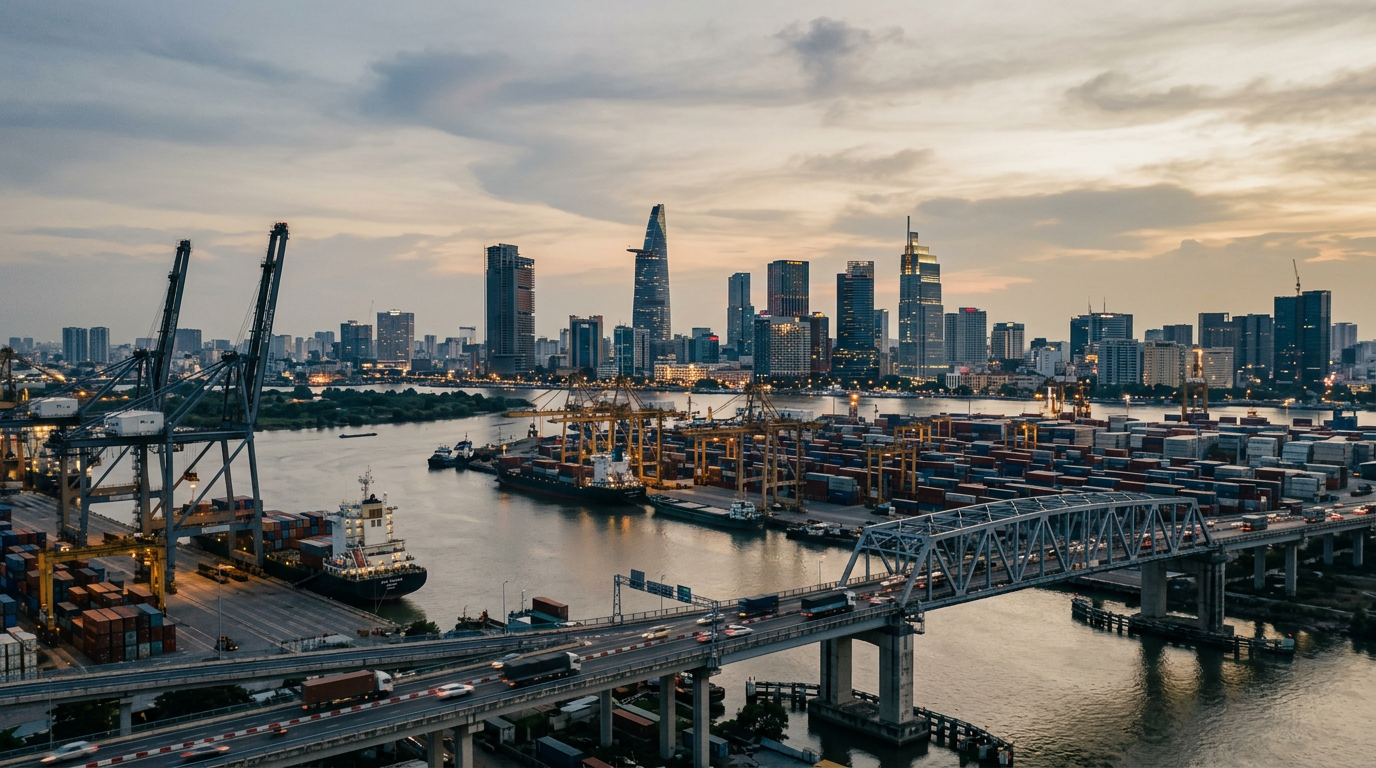
 Vietnam
's Growing Wealth and the Test for Institutions
The rapid rise in Vietnam's ultra-high-net-worth population is a signal of its economic dynamism. Yet, this growth story will depend on whether its economic and governance institutions can effectively translate this new capital into broad, sustainable development.
 Vietnam
's Growing Wealth and the Test of Institutions
Vietnam's fast-growing number of ultra-rich individuals is a positive economic signal, but translating this wealth into broad-based, sustainable development depends on the strength of its underlying institutions.
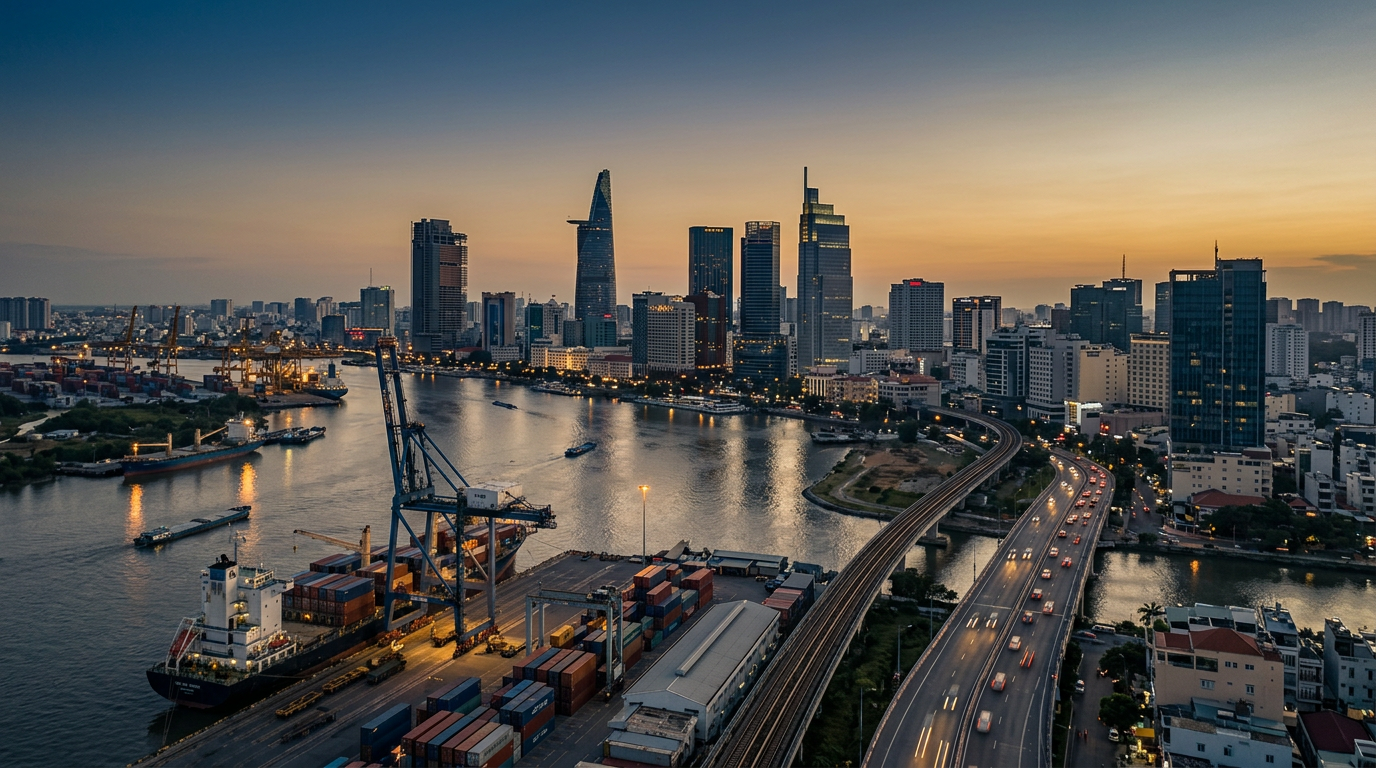 Vietnam
's Growing Wealth: From Affluence to Institutions
Vietnam's rising number of ultra-rich individuals is a marker of economic dynamism. The next step is to translate this affluence into durable, broad-based economic strength through institutional reform.
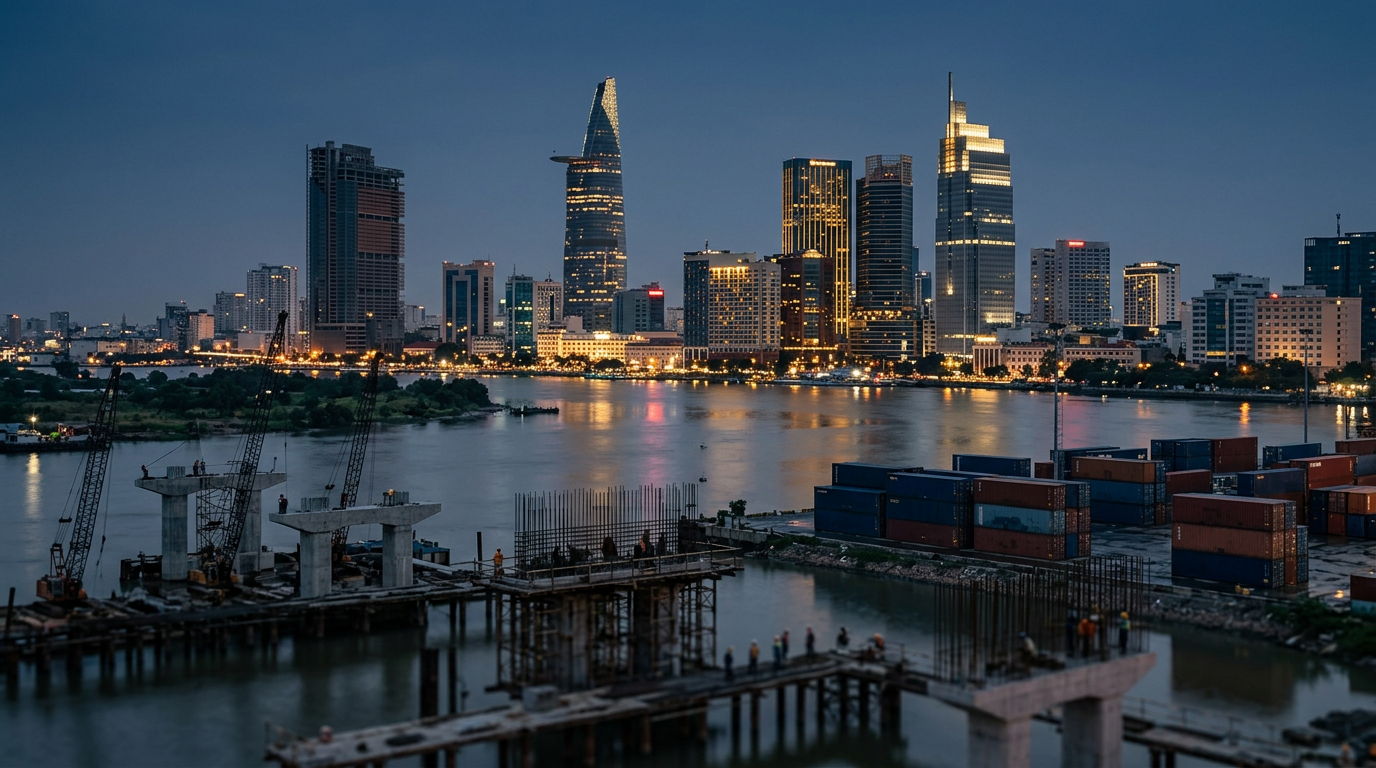 Vietnam
's Growing Wealth and the Test of Institutions
A rising count of ultra-rich individuals in Vietnam is a positive signal, but the country's next phase of growth depends on translating this wealth into broad-based economic capacity.
 Vietnam
's Growing Wealth: From High Net Worth to Investable Depth
A recent report highlights the rapid growth of Vietnam's ultra-high-net-worth population. While a sign of economic dynamism, this growth in private wealth must be channeled into productive, long-term investment to sustain the country's development trajectory.
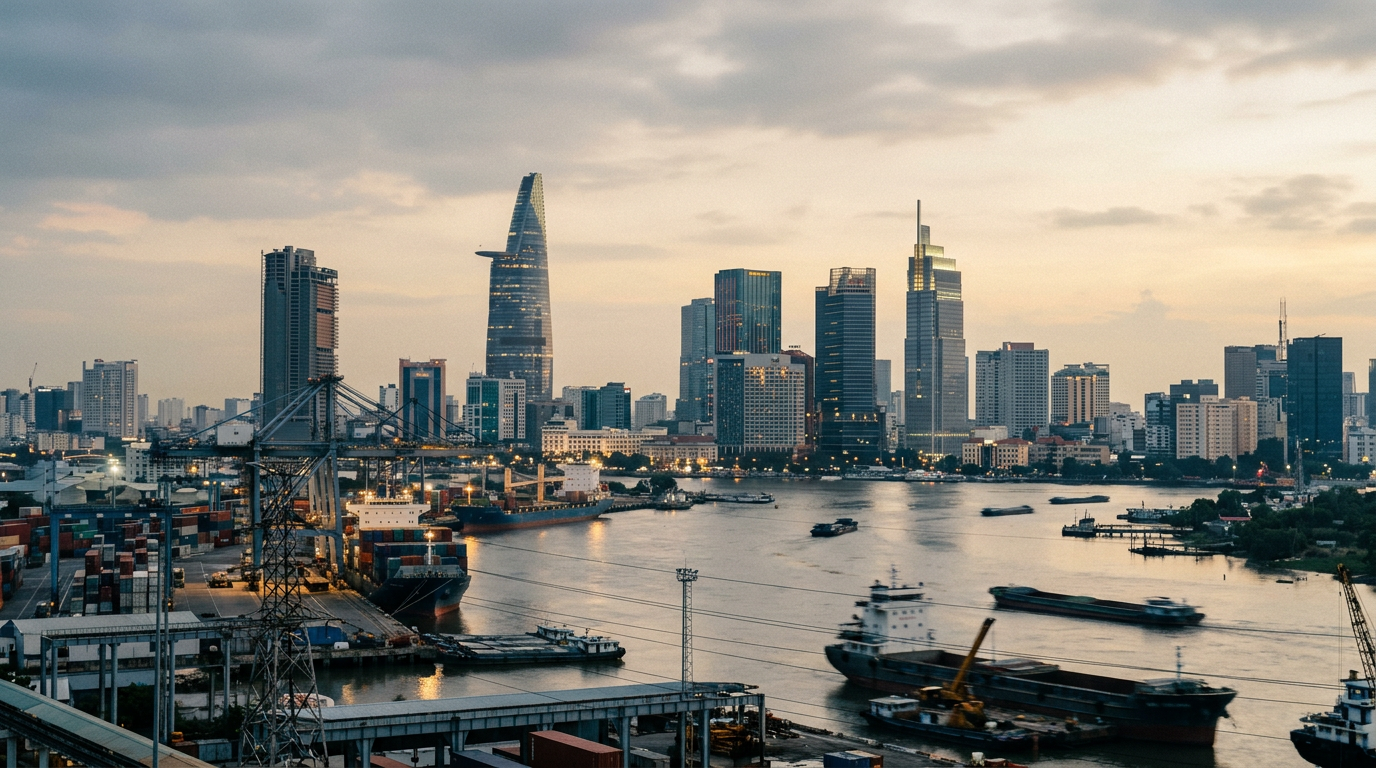 Vietnam
Capital in Vietnam: From Wealth to Investable Depth
Vietnam's expanding class of ultra-rich individuals is a sign of economic dynamism. The next step is translating that capital into broad, investable economic depth through institutional reform.
 Vietnam
's Private Capital Surge Tests Institutional Capacity
A rapid rise in private wealth is a positive indicator for Vietnam, but channeling this new capital into productive, long-term national assets requires robust institutional and regulatory frameworks.
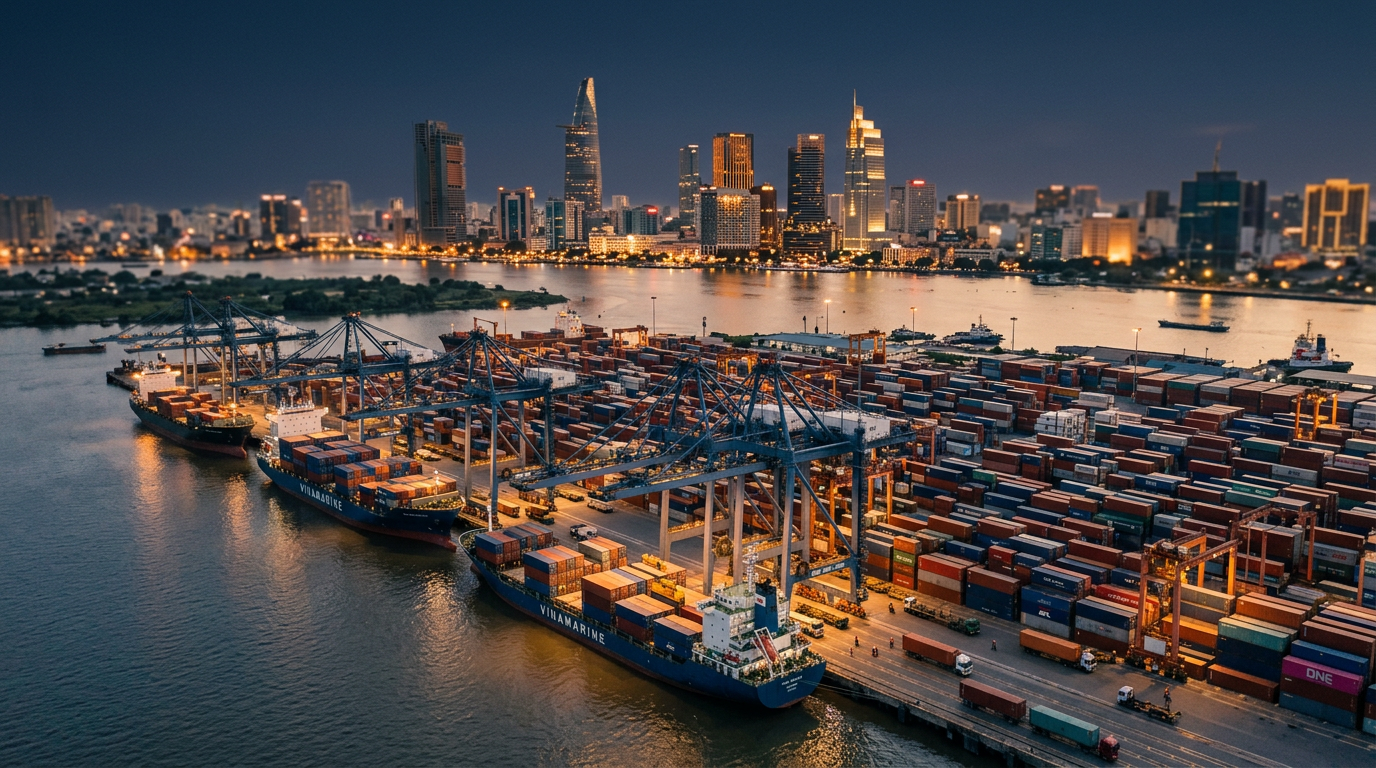 Vietnam
Capital and Institutions in Vietnam
Vietnam's fast-growing cohort of wealthy individuals is a sign of economic dynamism, but converting this domestic capital into durable national assets requires stronger institutional frameworks.
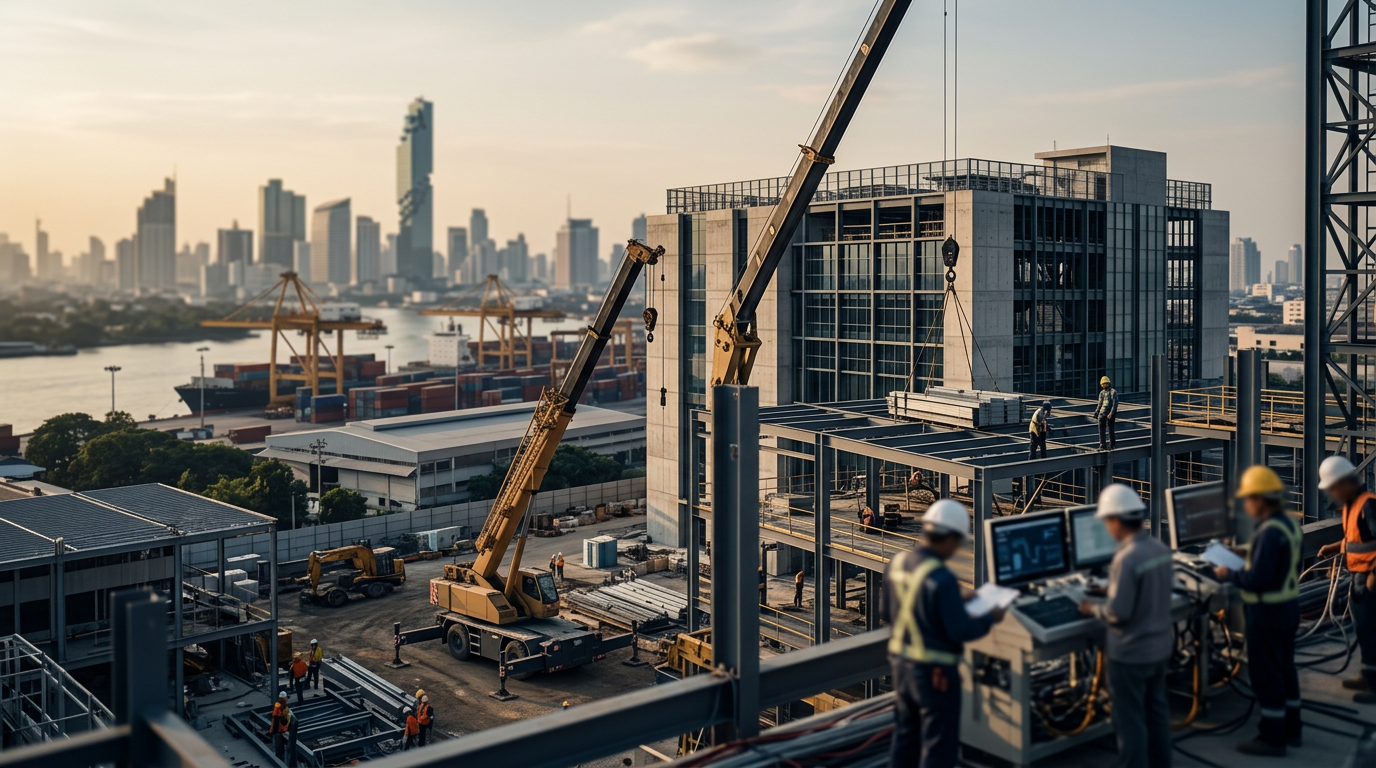
 Thailand
's FDI Push Tests Its Execution Capacity
Thailand is fast-tracking industrial investment and offering new tax incentives for tech IPOs, but its ability to translate policy into realised investment will depend on institutional capacity and follow-through.
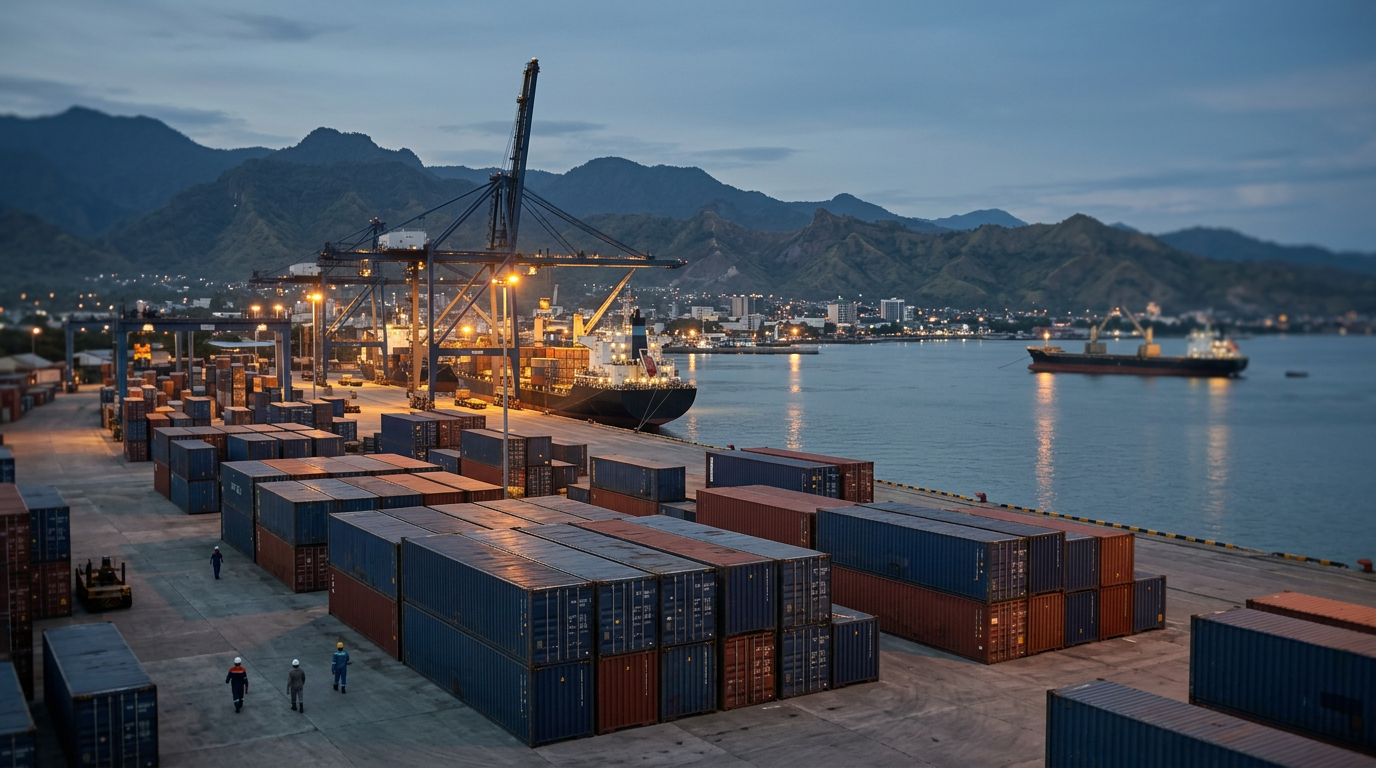
 Indonesia
, China, and the MSME Export Question
An export clinic for MSMEs in Palu, Sulawesi highlights a deeper structural question for Indonesia: how to manage its trade dependency on China while building sustainable, broad-based export growth.
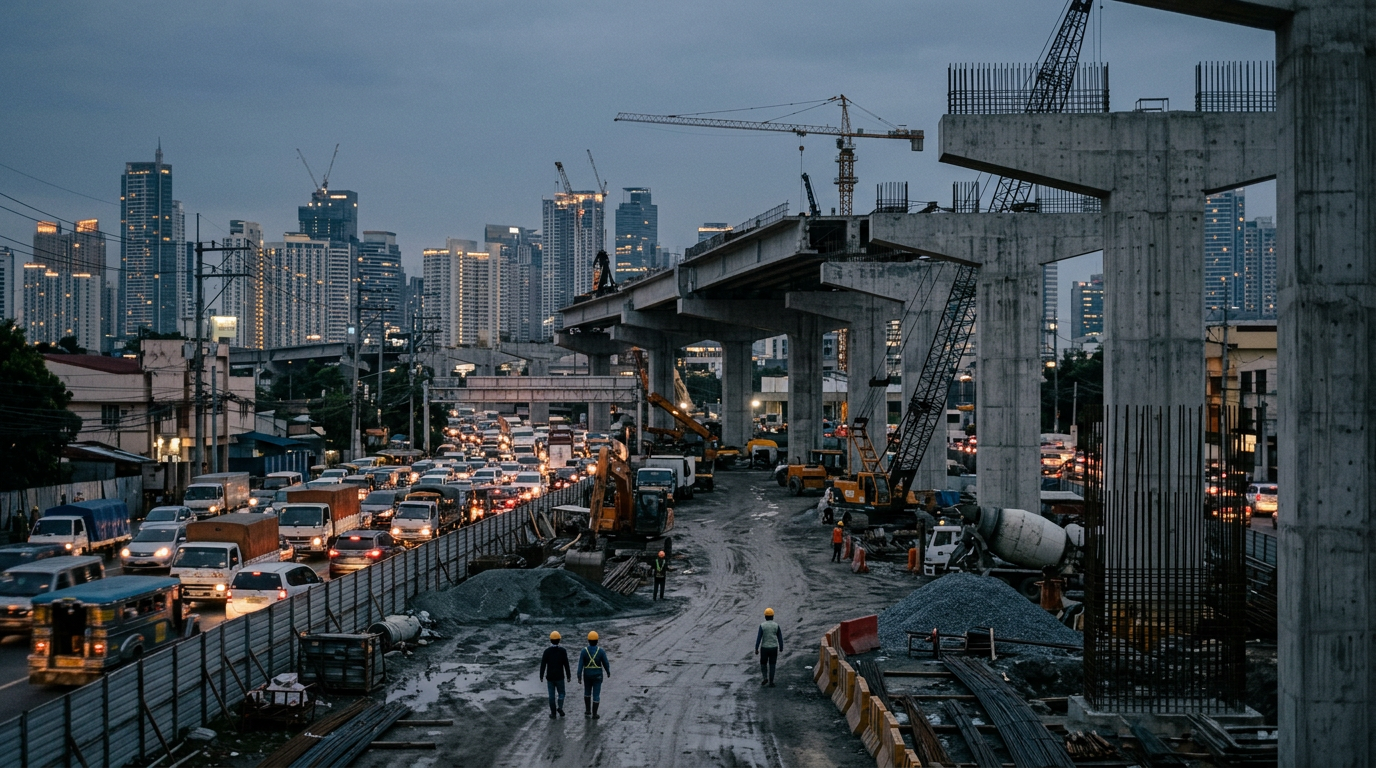
 Philippines
The Price of Delayed Ambition in the Philippines
Recent analysis from ANZ Research warns that the Philippines risks a prolonged economic slowdown if infrastructure spending continues to lag. The gap between ambition and execution offers a clear lesson: a usable state is often more valuable than an exciting one.
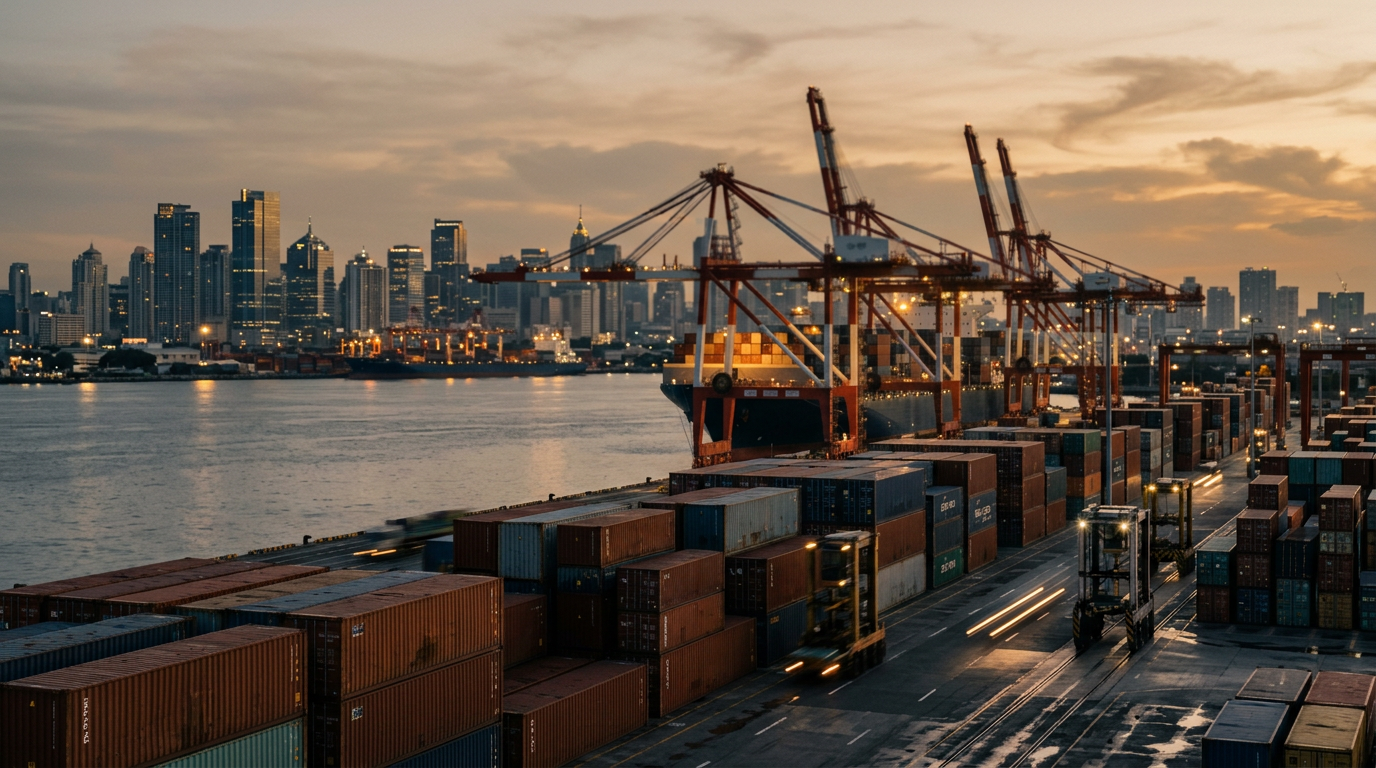 Philippines
Philippine Infrastructure and the Cost of Friction
A recent ANZ Research report warns that a slowdown in Philippine infrastructure spending could dampen economic growth. For ASEAN members, the ability to execute on planned projects is a vital signal to investors.
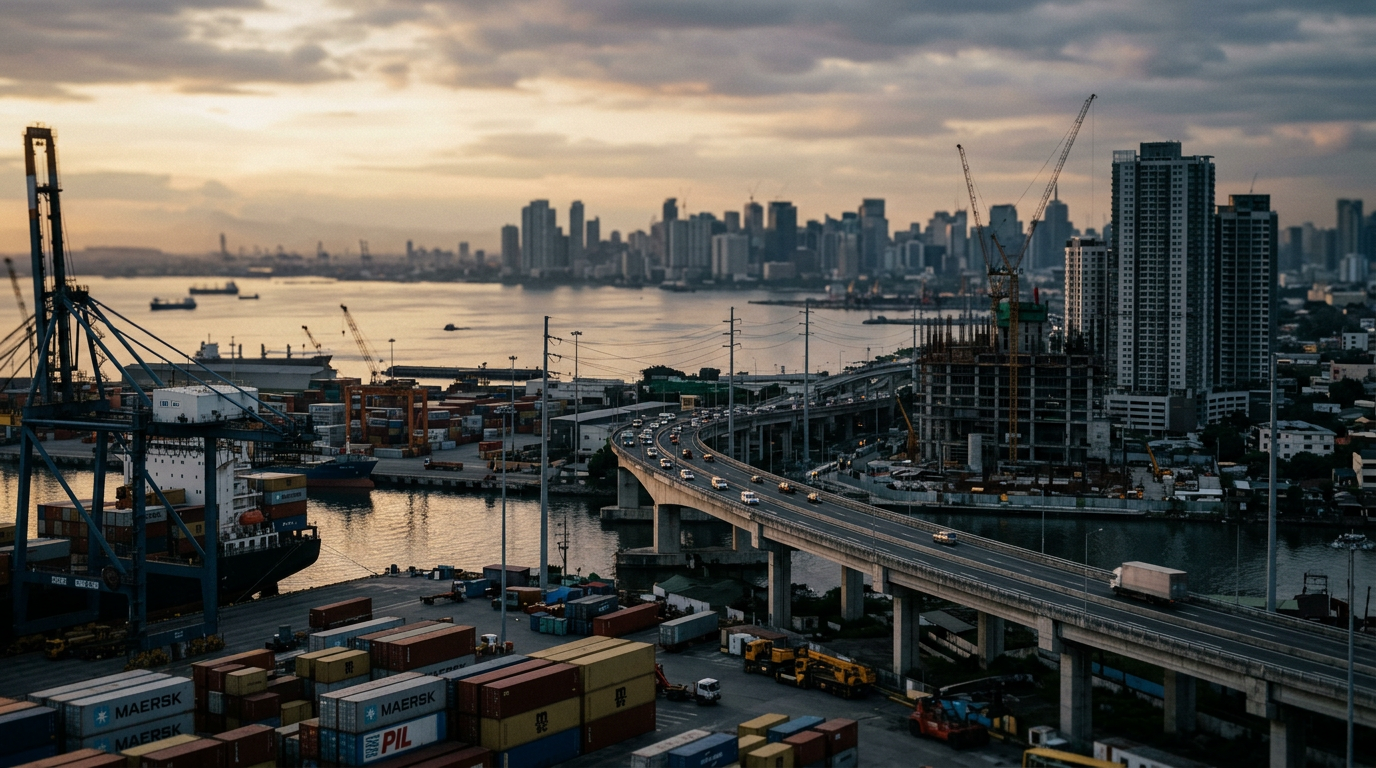 Philippines
The Infrastructure Imperative in the Philippines
A recent warning from ANZ Research highlights the risk of an economic slowdown in the Philippines due to weak infrastructure spending, a case that illustrates the book's arguments about the value of institutional reliability.
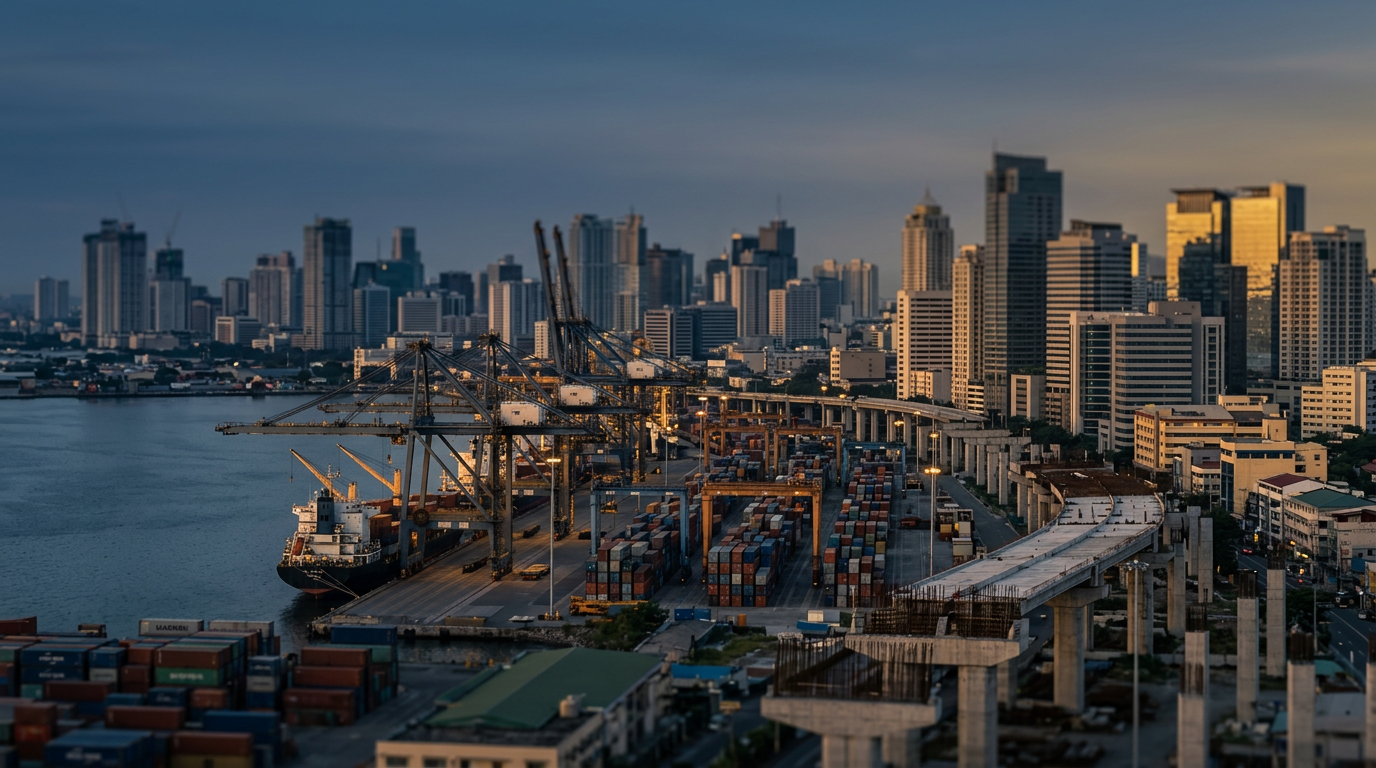 Philippines
The Price of Inaction on Philippine Infrastructure
A recent warning from ANZ Research about a potential slowdown in the Philippines highlights the long-term economic cost of underinvestment in infrastructure.
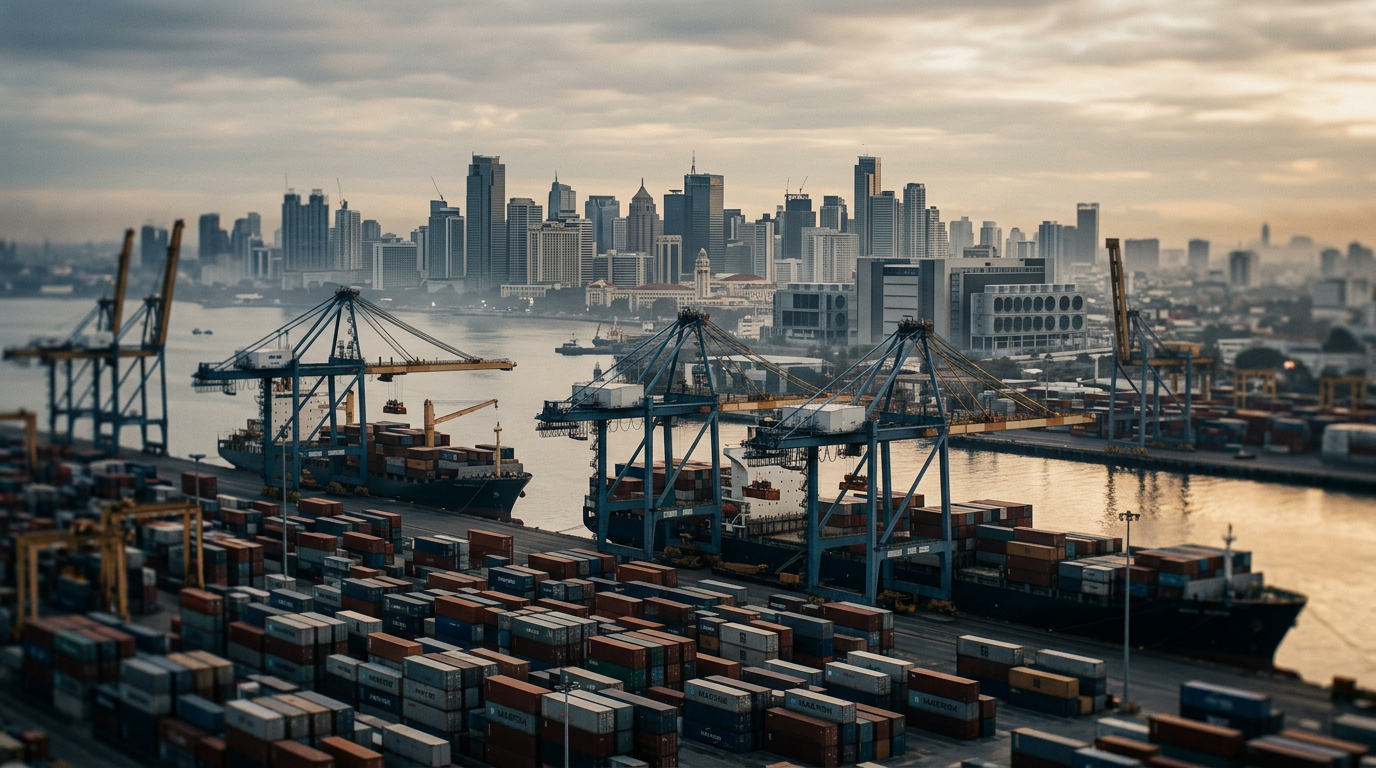 Philippines
Philippine Infrastructure Spending and the Risk of a 'Usable State'
A recent warning about a potential economic slowdown in the Philippines highlights the importance of institutional reliability in turning infrastructure announcements into delivered projects.
 Philippines
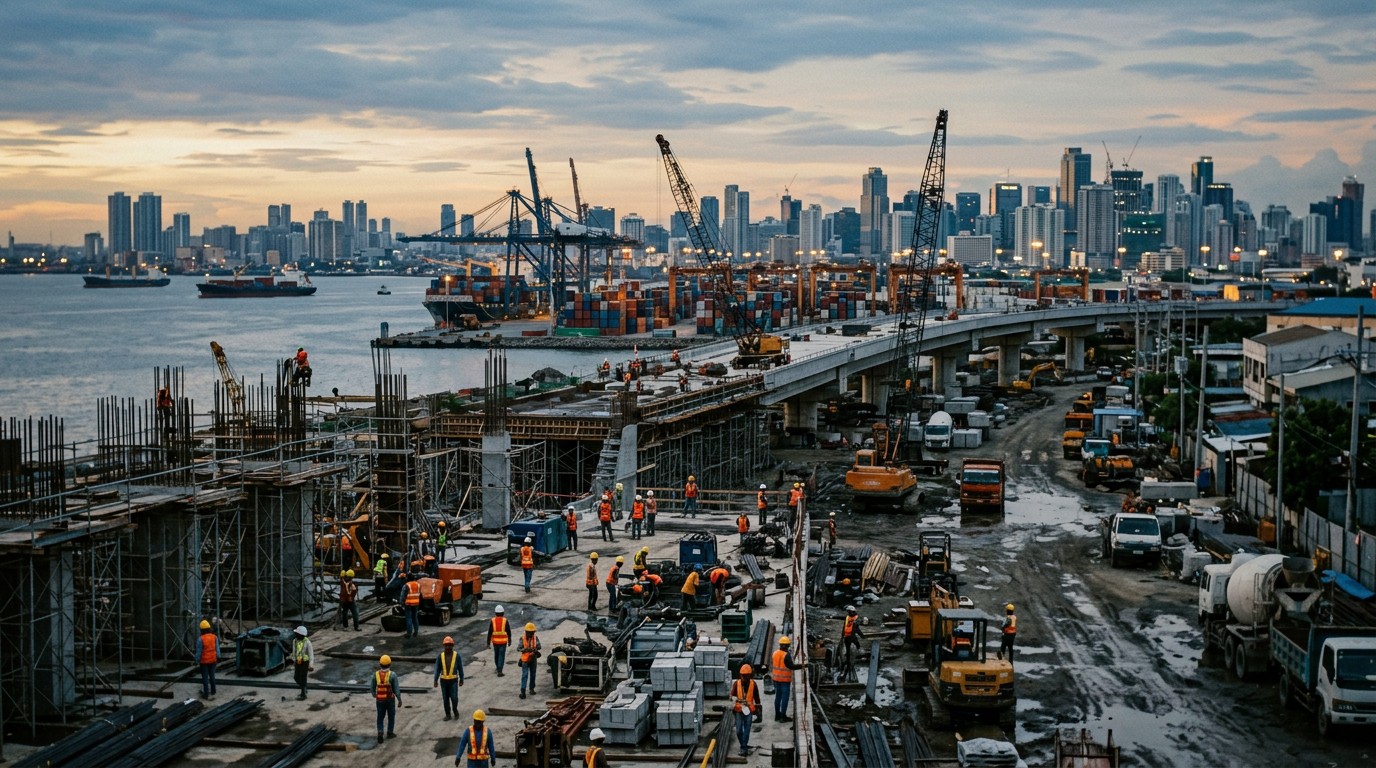
The Real Cost of Lagging Infrastructure in the Philippines
ANZ Research warns that the Philippines' economic slowdown could be prolonged by weak infrastructure spending. For a country aiming to solidify its economic position within ASEAN, the execution of capital projects is a direct reflection of state capacity and institutional.
 Philippines
The Price of Hesitation on Philippine Infrastructure
ANZ Research warns that a slowdown in Philippine infrastructure spending could temper the country's economic trajectory. For a nation that has staked its growth on ambitious capital projects, the costs of delay extend beyond mere economics, touching on national competitiveness.
 Philippines
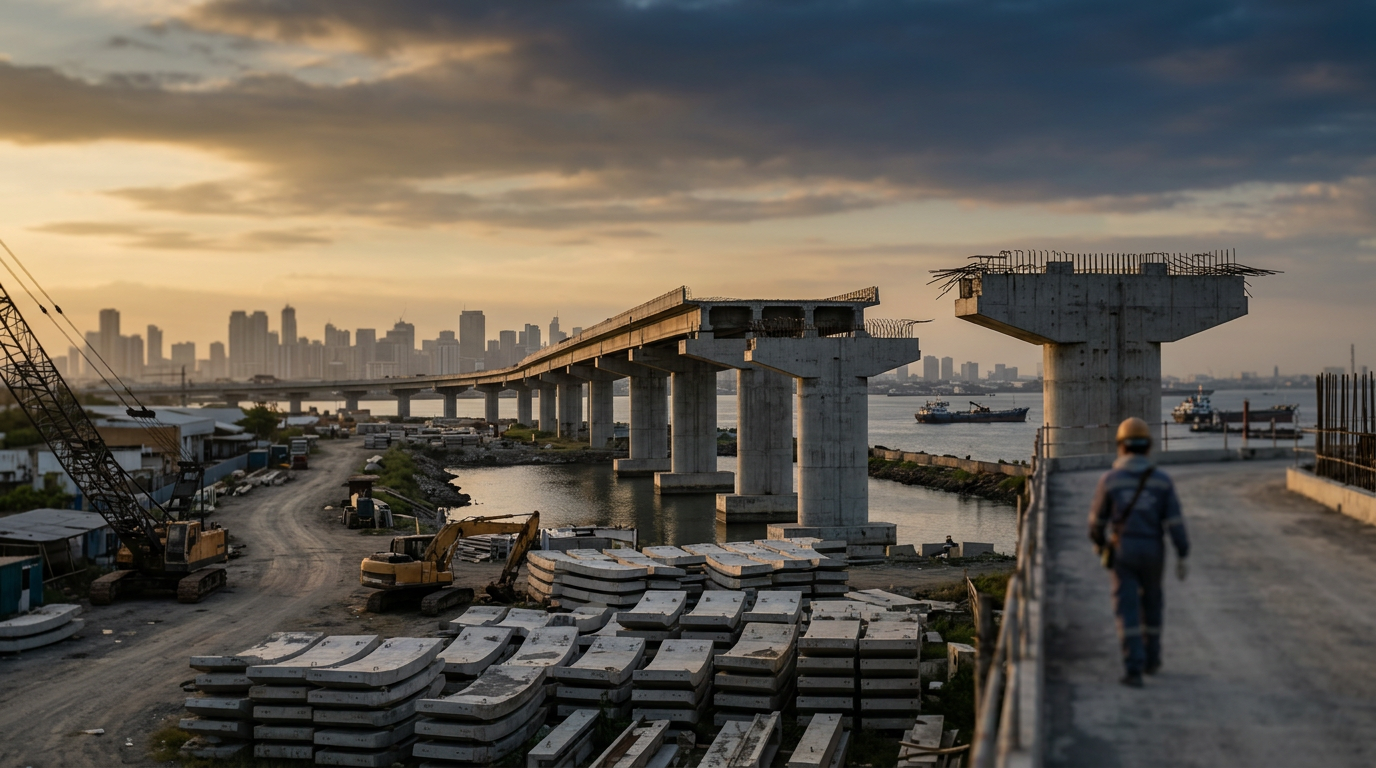
The Philippines' Infrastructure Gap Is a Warning for ASEAN
Manila's ambitious infrastructure plans have hit a wall of weak state capacity, leading to project delays, cancellations, and a potential drag on economic growth that holds lessons for the entire region.
 Philippines
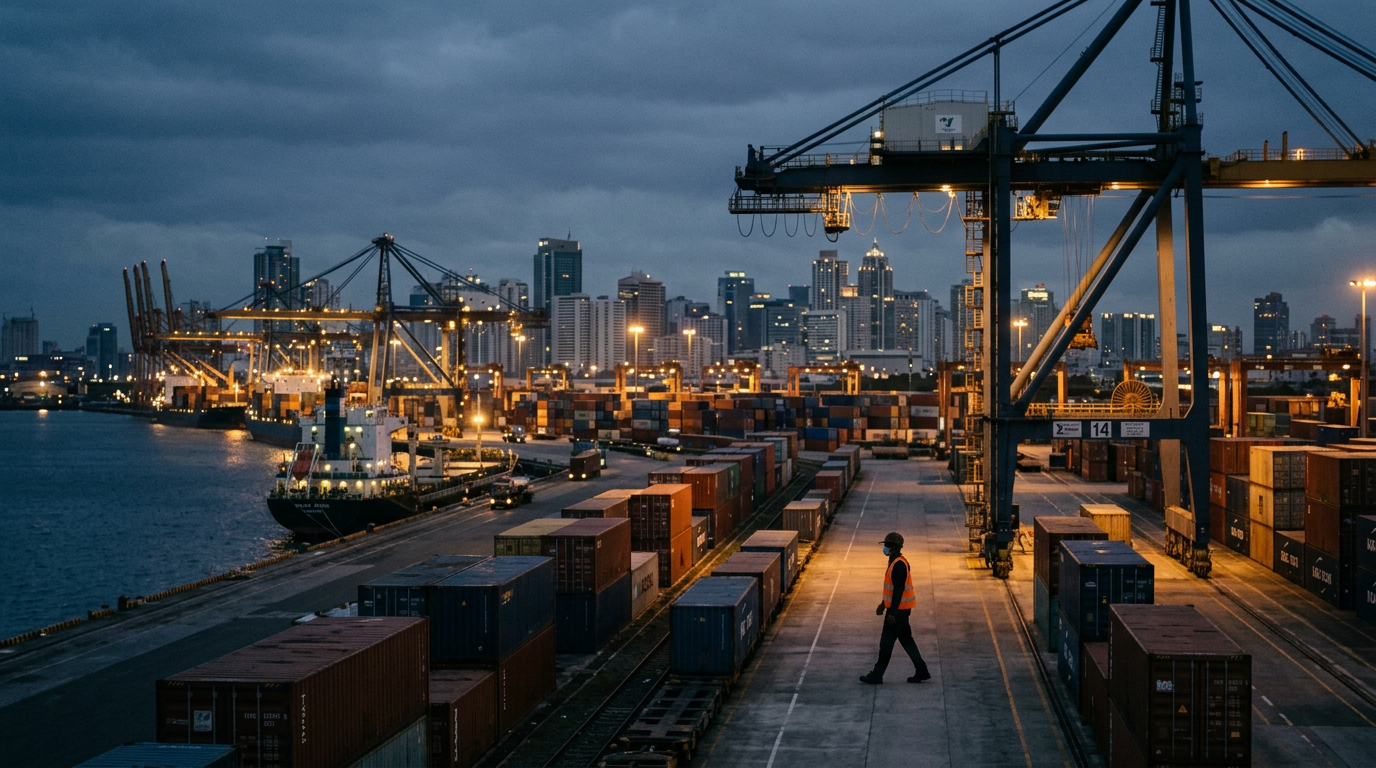
The Price of Hesitation: Philippine Infrastructure and State Capacity
Weak infrastructure spending may prolong the Philippines' economic slowdown, echoing the theme that a usable state is often more valuable than an exciting one.
 Philippines
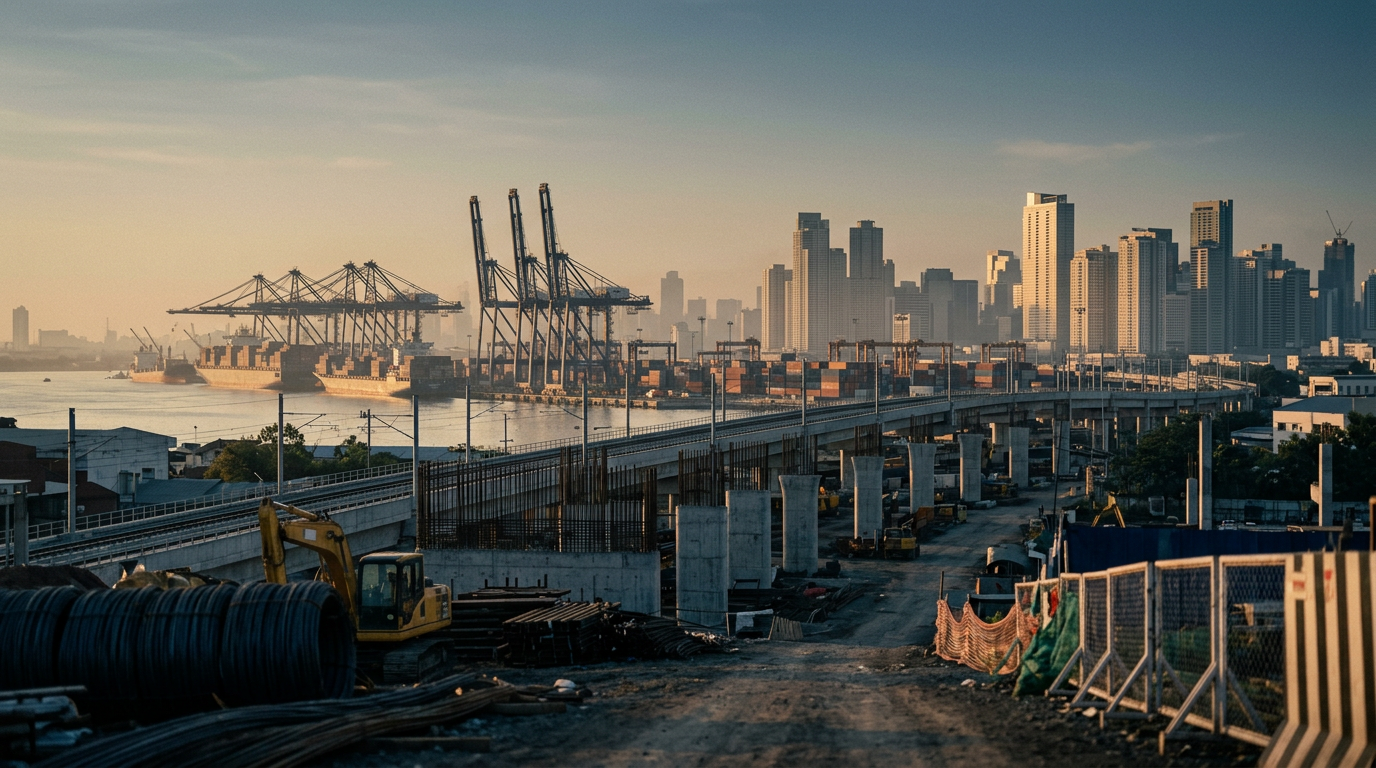
Philippine Infrastructure Spending and the Cost of Friction
A recent warning from ANZ Research about a potential slowdown in the Philippines highlights a broader ASEAN theme: the difference between announcing ambitious infrastructure plans and the institutional capacity to execute them.
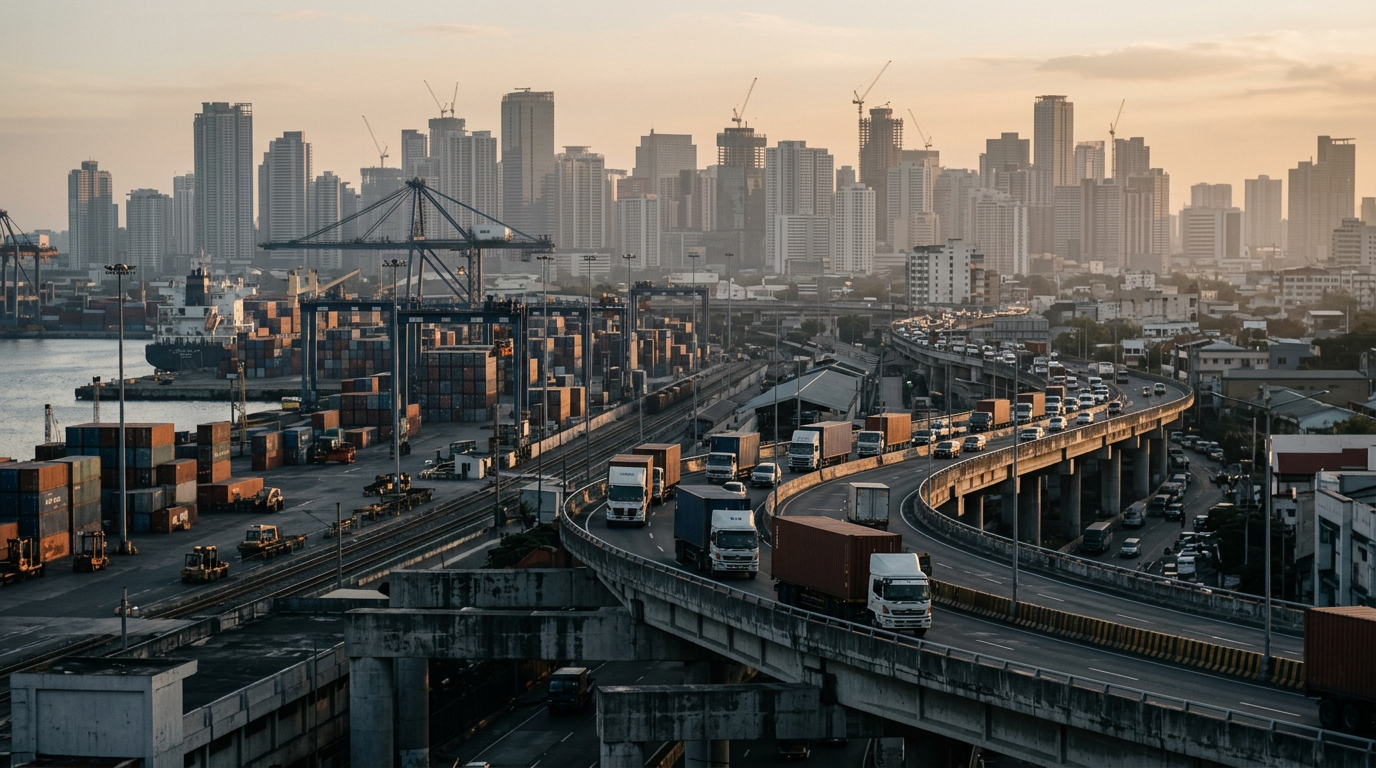 Philippines
Philippine Infrastructure and the Cost of Friction
A recent warning from ANZ Research on weak infrastructure spending highlights the institutional friction that can impede economic growth.
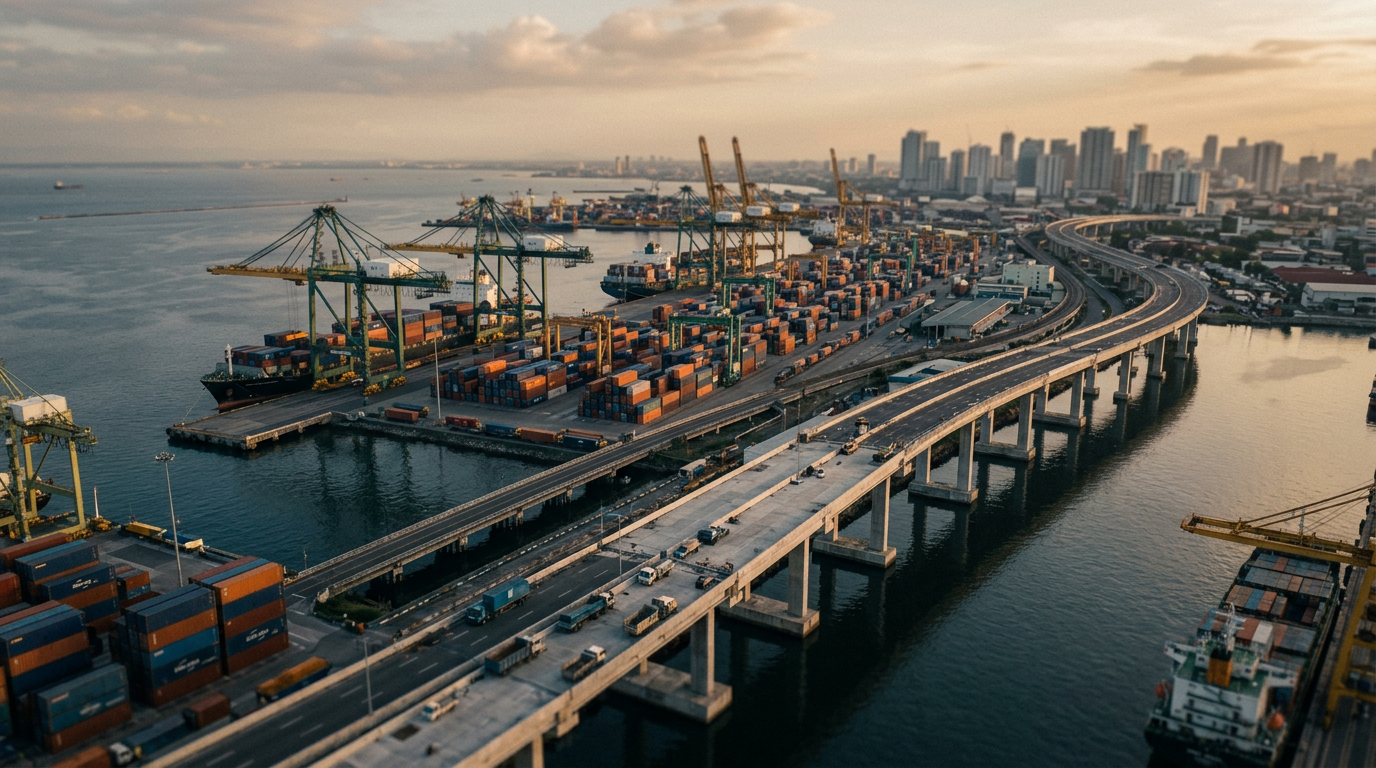 Philippines
The Price of Patience in Philippine Infrastructure
Infrastructure that arrives on time signals more than infrastructure that is merely announced. When execution falters, the cost is measured not just in budgets, but in lost economic momentum.
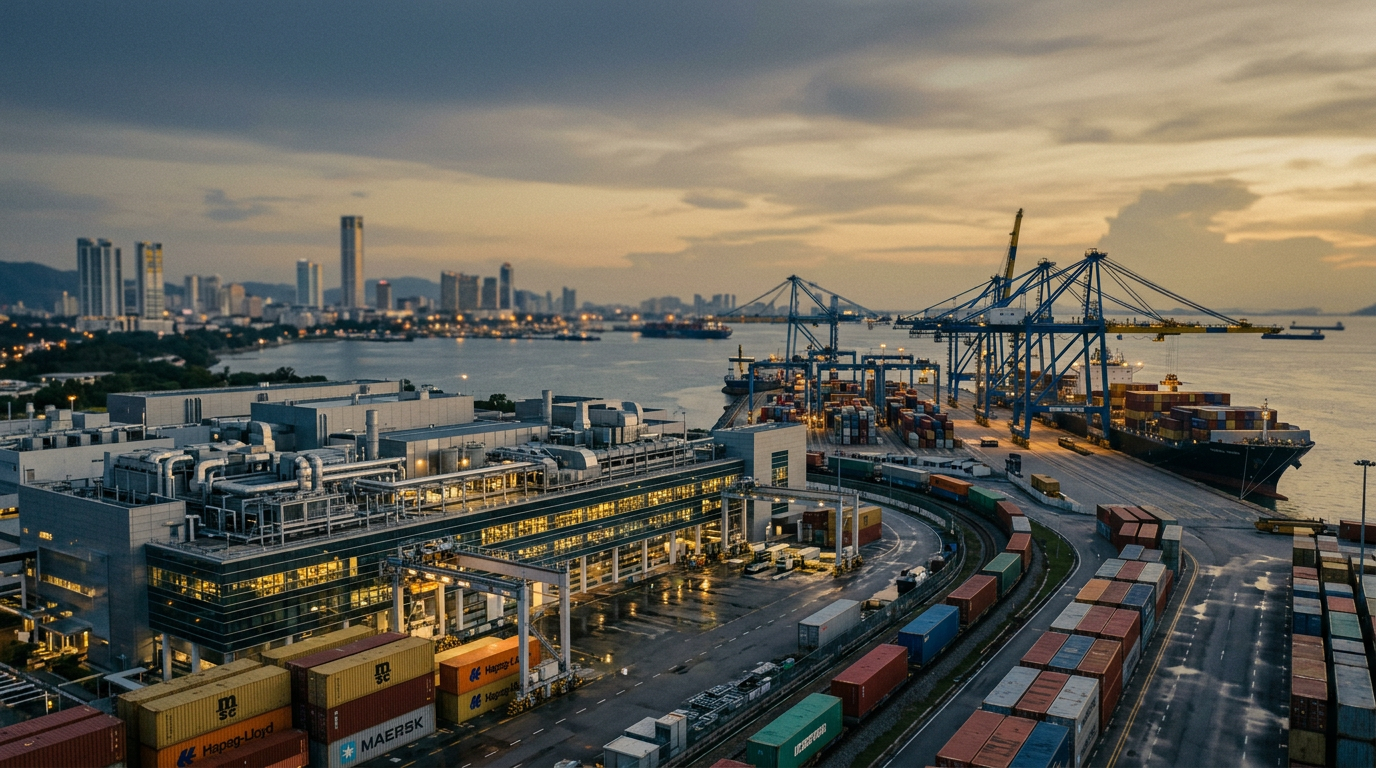
 Malaysia
's Semiconductor Rise and the China Question
Robust semiconductor shipments are helping sustain Malaysia's export momentum. This highlights the sector's growing importance, but it also surfaces a deeper question about how to manage economic dependency in a strategic industry.
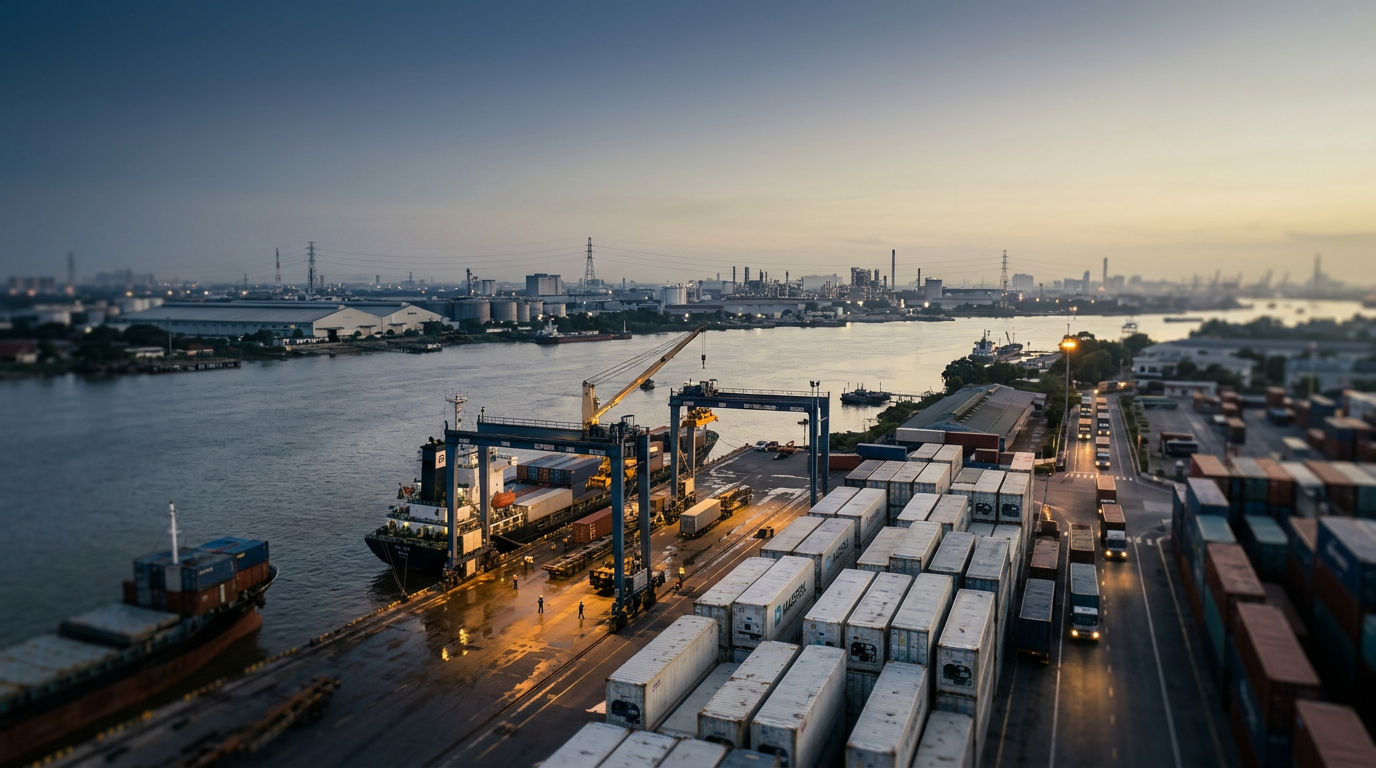 Vietnam
's Shrimp Exporters and the China Question
Vietnam's shrimp export growth, driven by Chinese demand, shows how trade depth with China is now a structural feature for ASEAN economies, not a cyclical one.
 Philippines
The Strategic Weight of Sugar in Philippine Trade
An additional US sugar quota for the Philippines highlights the tension between diversifying trade and managing deep economic ties with China.
 Malaysia
 Navigates the China Trade Nexus
Malaysia's export strength, particularly in electronics, highlights a deep, structural trade relationship with China. For Kuala Lumpur, as for other ASEAN capitals, the focus is now on managing this dependency while maintaining strategic flexibility.
 Indonesia
 Sees Resilient Exports Amid Oil Price Surge
Indonesia's Trade Minister projects export growth will continue despite rising global crude oil prices, a resilience that reflects the country's deep and structural trade relationship with China.
 Singapore
's FDI Flows Face Headwinds From Restructuring
Singapore's investment attraction strategy is shifting from pure incentives to a focus on execution, institutions, and infrastructure. Announced FDI will need to navigate corporate restructuring and a tight labor market to become realized investment on the ground.
 Vietnam
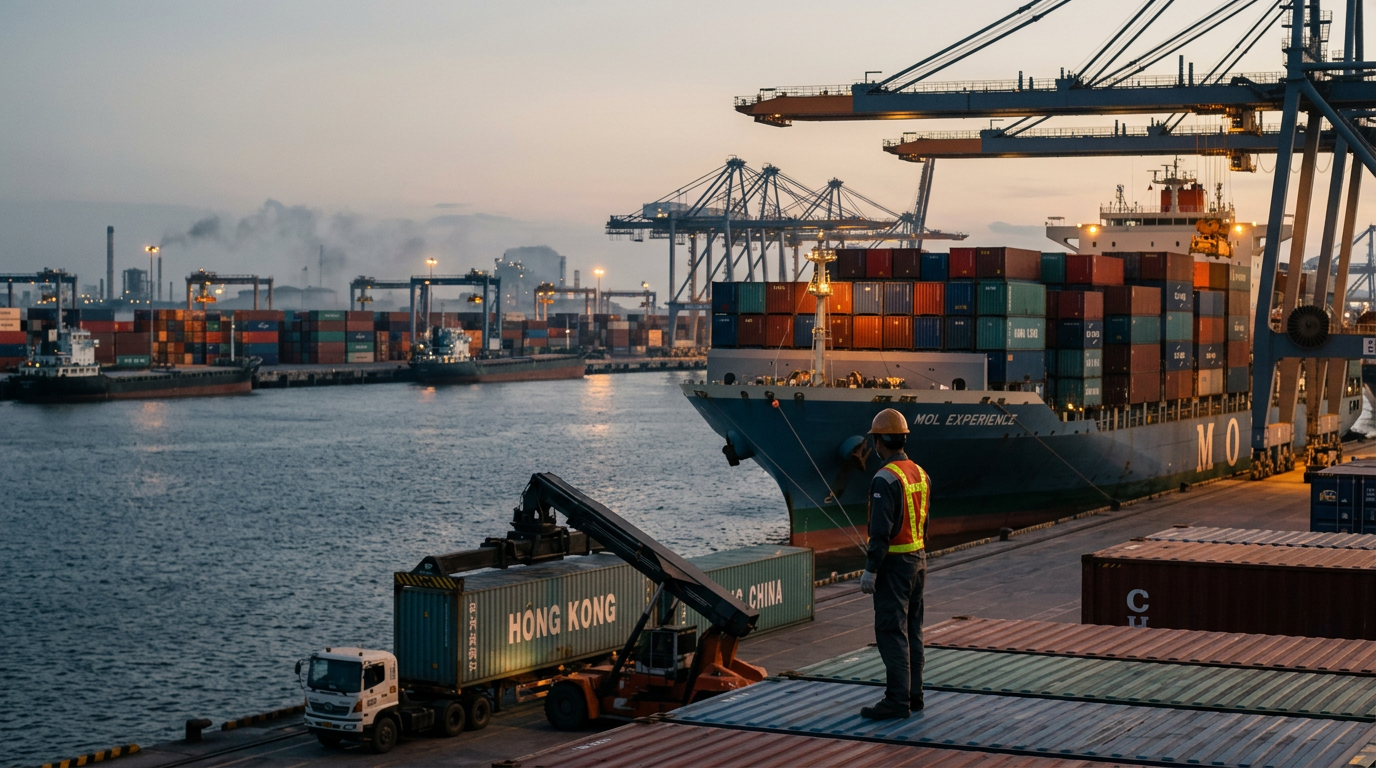
ASEAN Deepens China Trade Through Hong Kong
The recent ASEAN-Hong Kong consultation adds another layer to an already deep trade relationship with China. For ASEAN, the question is how to manage this deepening dependency without losing strategic options.
Managing ASEAN-China Trade: Beyond Protocol
Trade with China is a structural reality. The focus now is on how ASEAN governments can manage this dependency while maintaining strategic flexibility.
 Indonesia
China-ASEAN Trade: Managing Dependency
The 23rd China-ASEAN Expo in Nanning highlights the enduring depth of the trade relationship. For ASEAN, the focus shifts from engagement to managing dependency and retaining strategic options, a central theme from the book "ASEAN Rising".
 Thailand
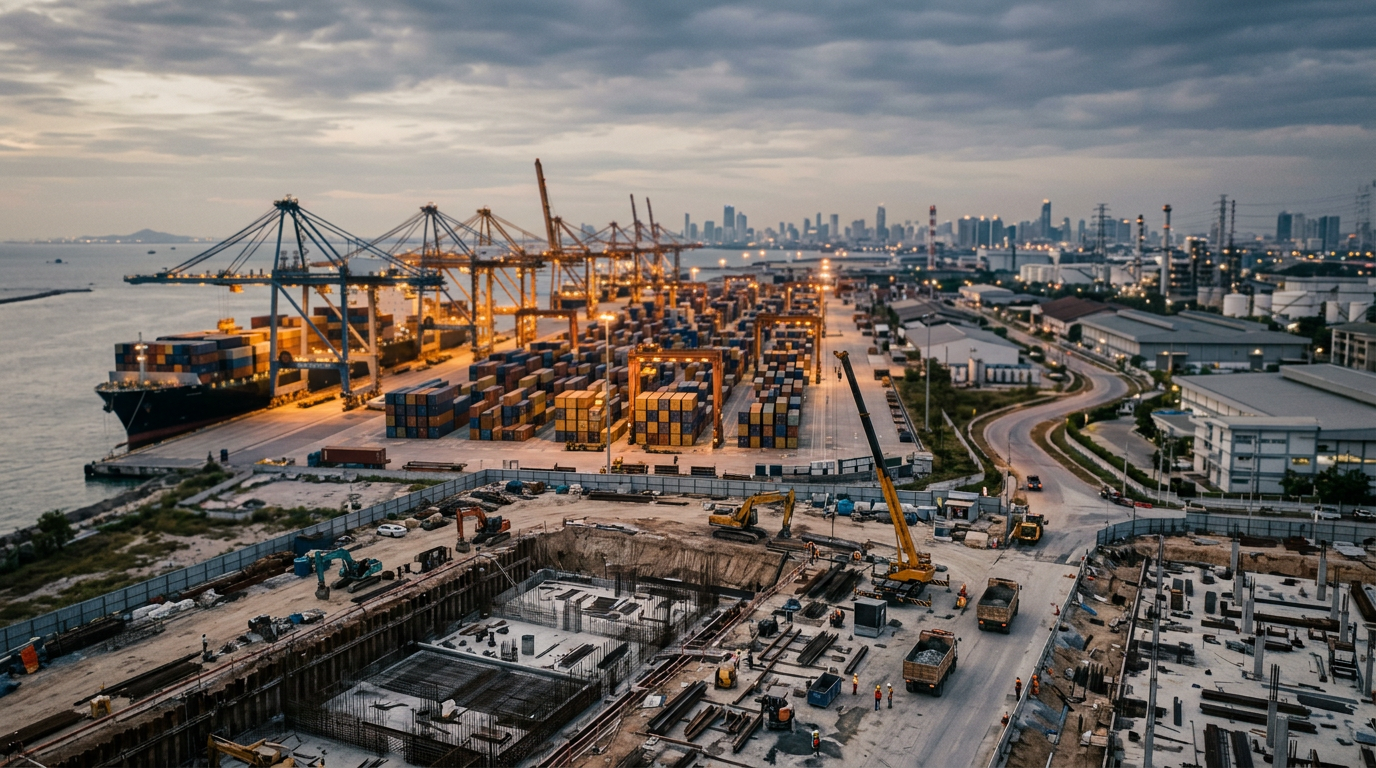
's FDI Push Hinges On Execution
Thailand is fast-tracking regulatory approval for $3.66 billion in industrial projects. Yet announcements travel faster than realised flows, which depend on the slower work of land, permits, power, and talent.
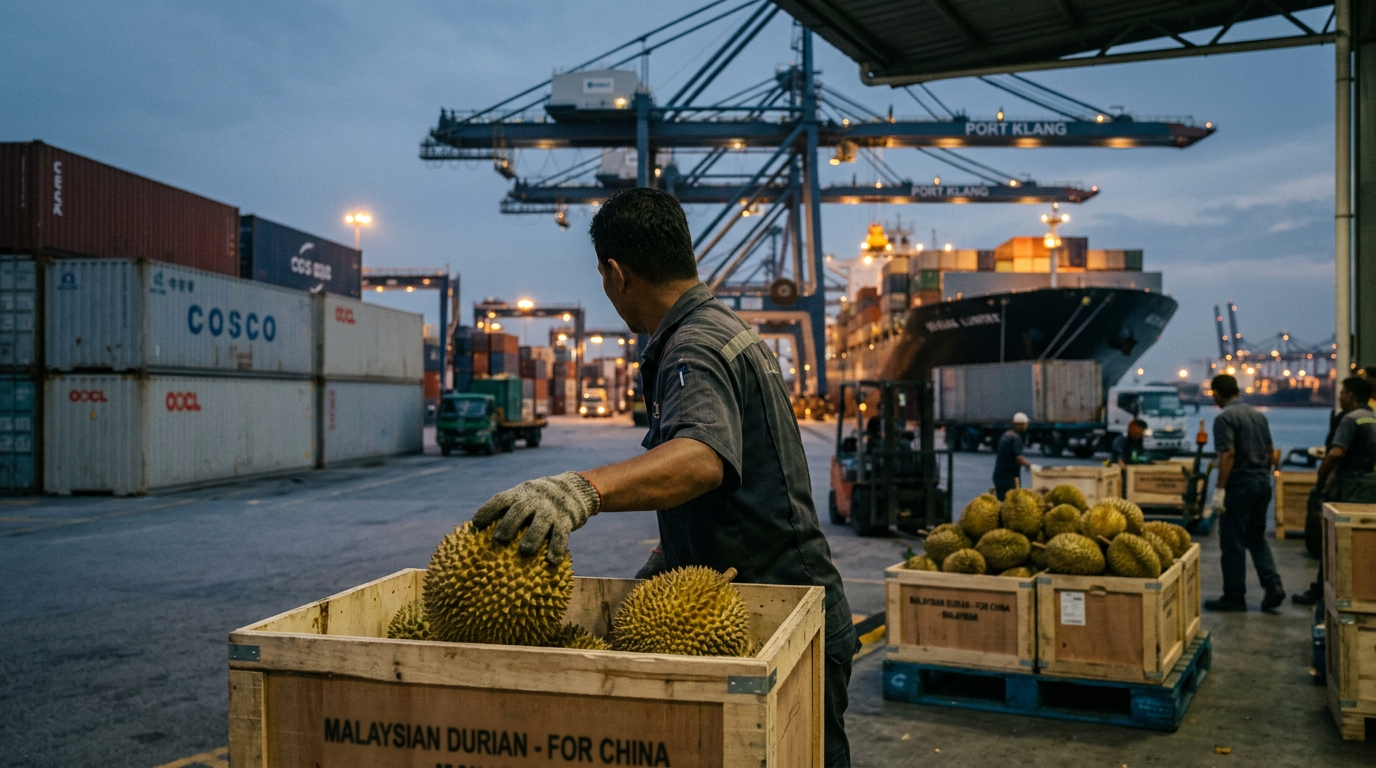 Malaysia
 Tests a New Recipe for Durian Diplomacy With China
China's appetite for Malaysian durians offers a case study in ASEAN trade strategy: how to manage economic dependency on a single large partner without losing strategic options.
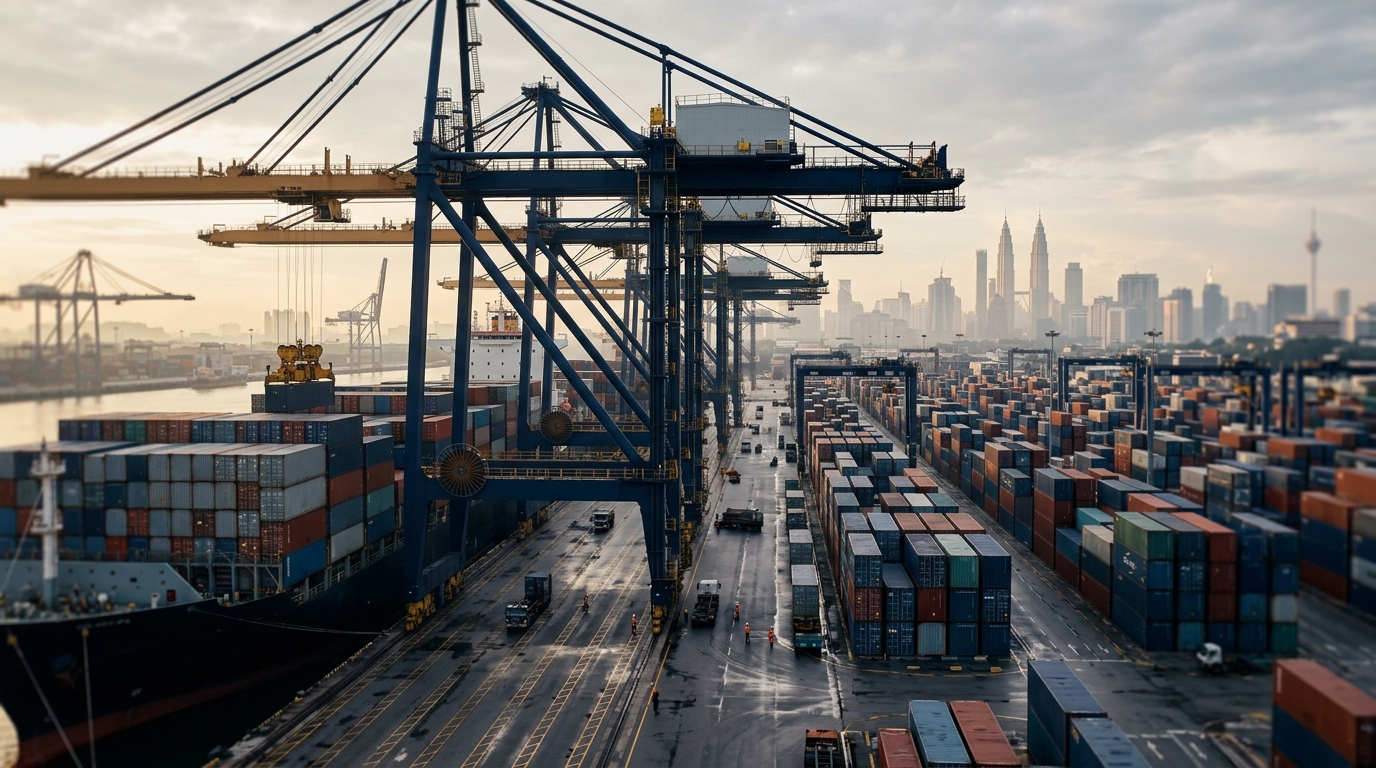 Malaysia
's China Trade: A Structural Reality
Trade with China is now a structural feature for Malaysia, not a cyclical one. The core task for Kuala Lumpur is to manage this dependency without sacrificing strategic flexibility.
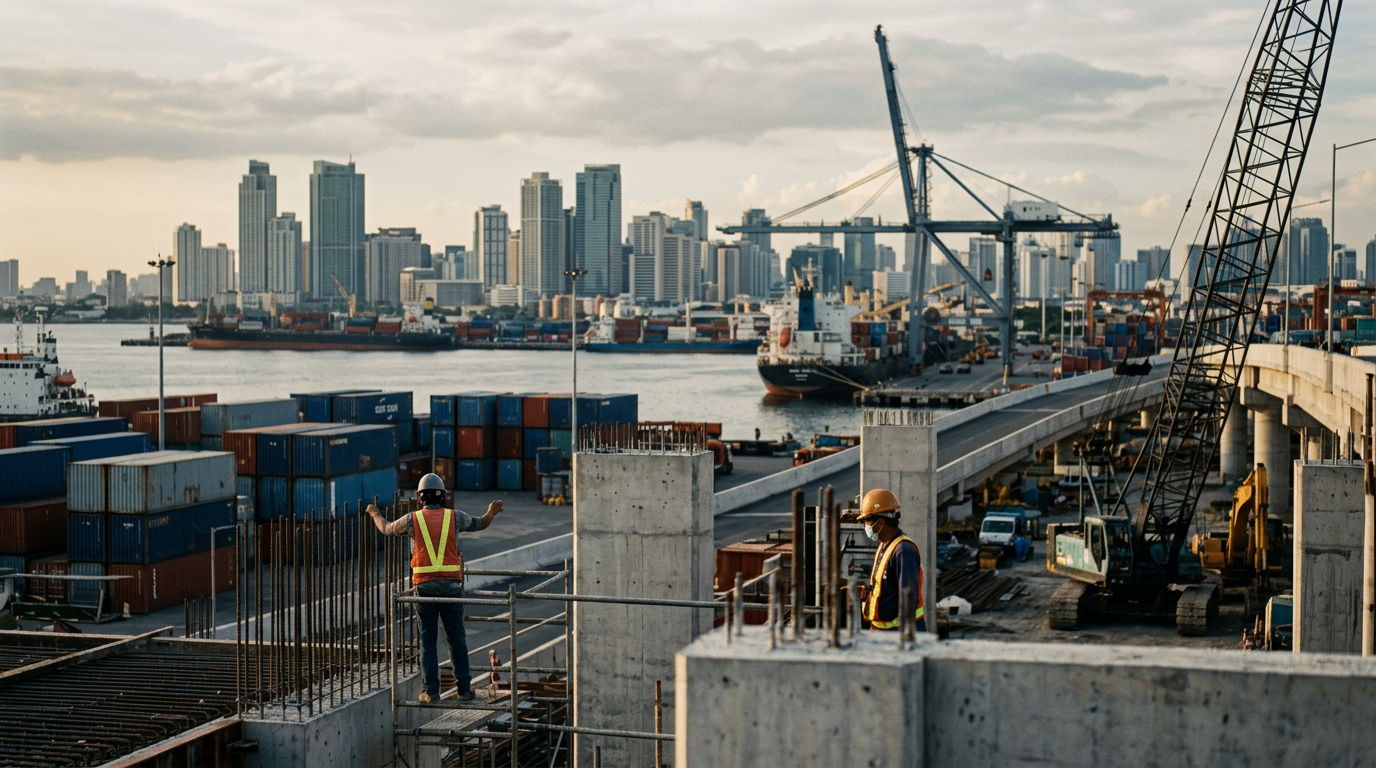 Philippines
Philippine FDI Drop Highlights the Execution Imperative
A recent drop in foreign direct investment to the Philippines is a reminder that headline announcements are not the same as realised investment. The slower work of improving institutions, building infrastructure, and developing talent is what turns potential into reality.
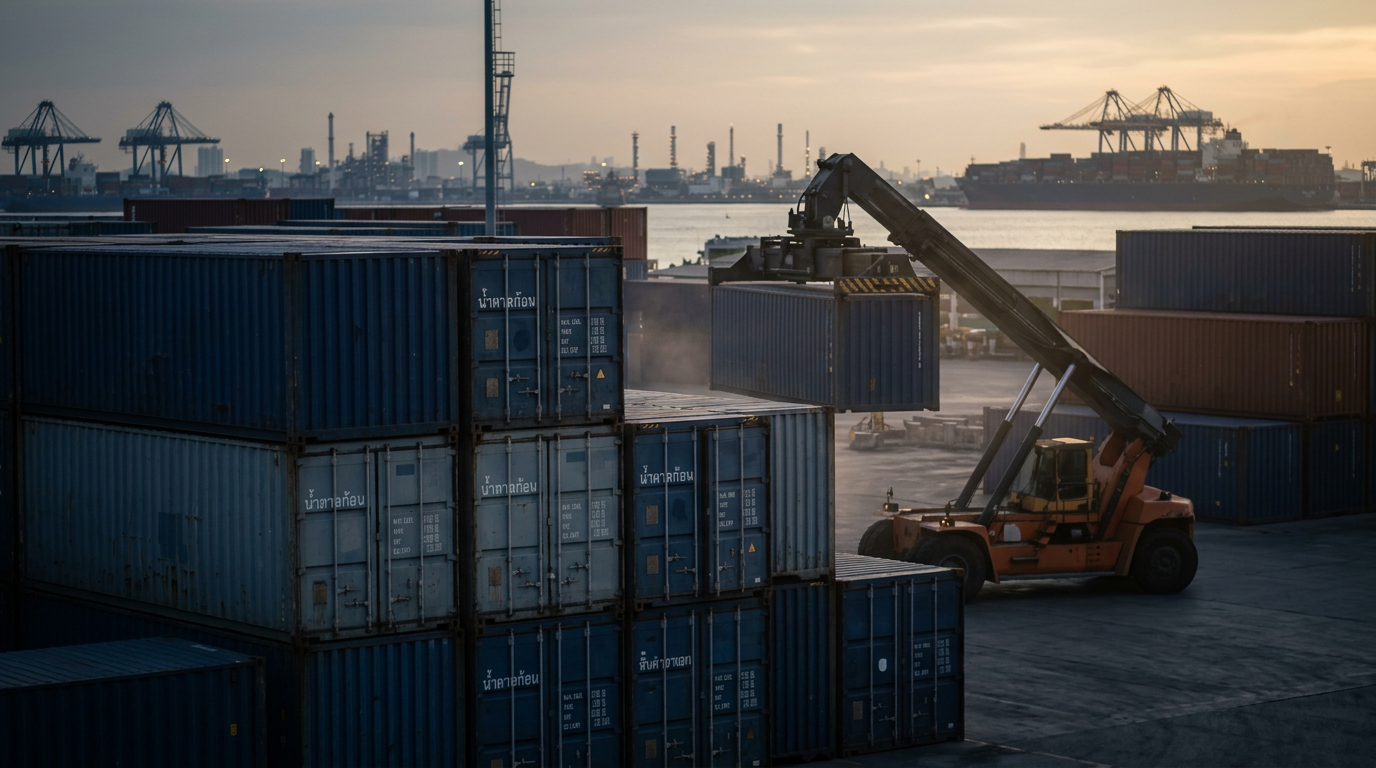 Thailand
's Sugar Slump Tests ASEAN Trade Strategy
A projected decline in Thai sugar output highlights the country's deep trade links with China and the strategic need for ASEAN members to manage this structural dependency.
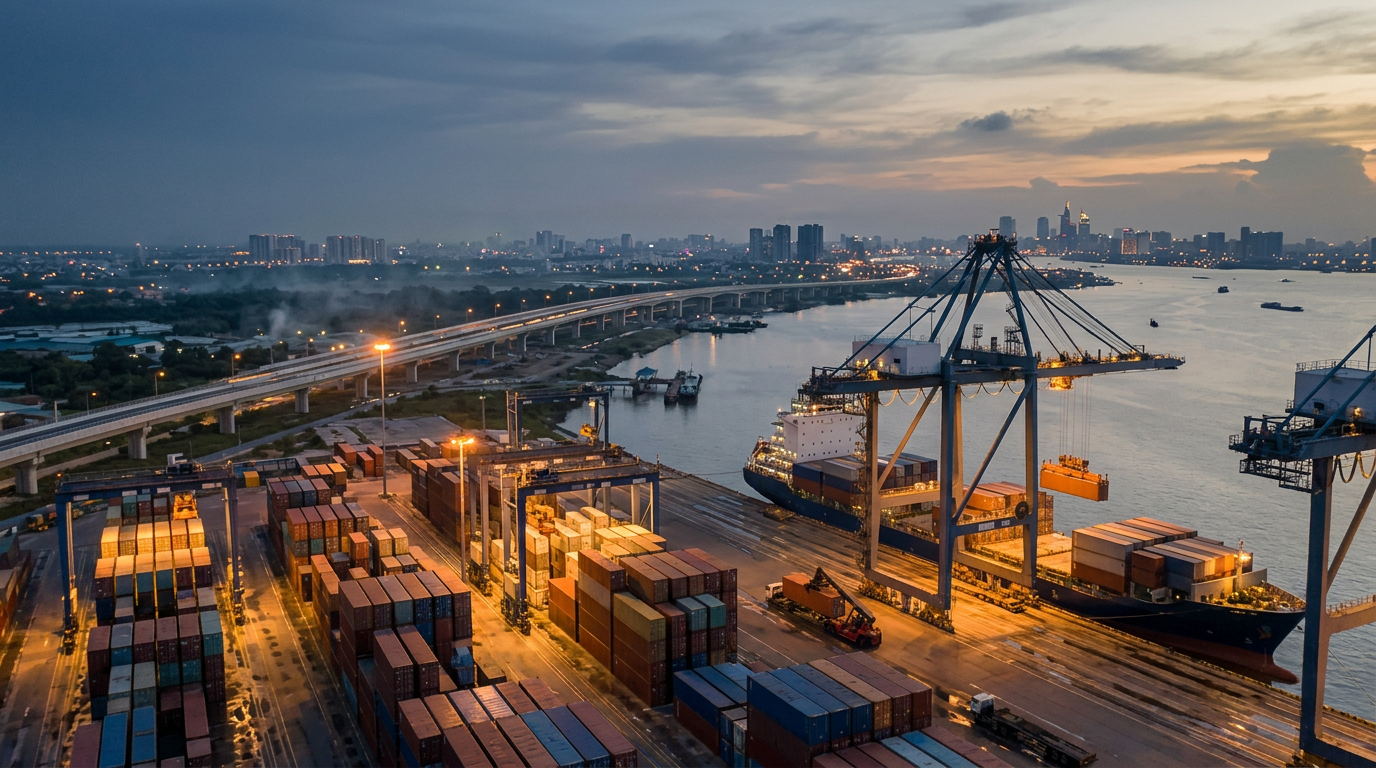 Vietnam
's Infrastructure Test: From Lobster Imports to State Capacity
A surge in Canadian seafood imports highlights the growing importance of infrastructure and institutional reliability in Vietnam, putting the spotlight on the execution of major national projects.
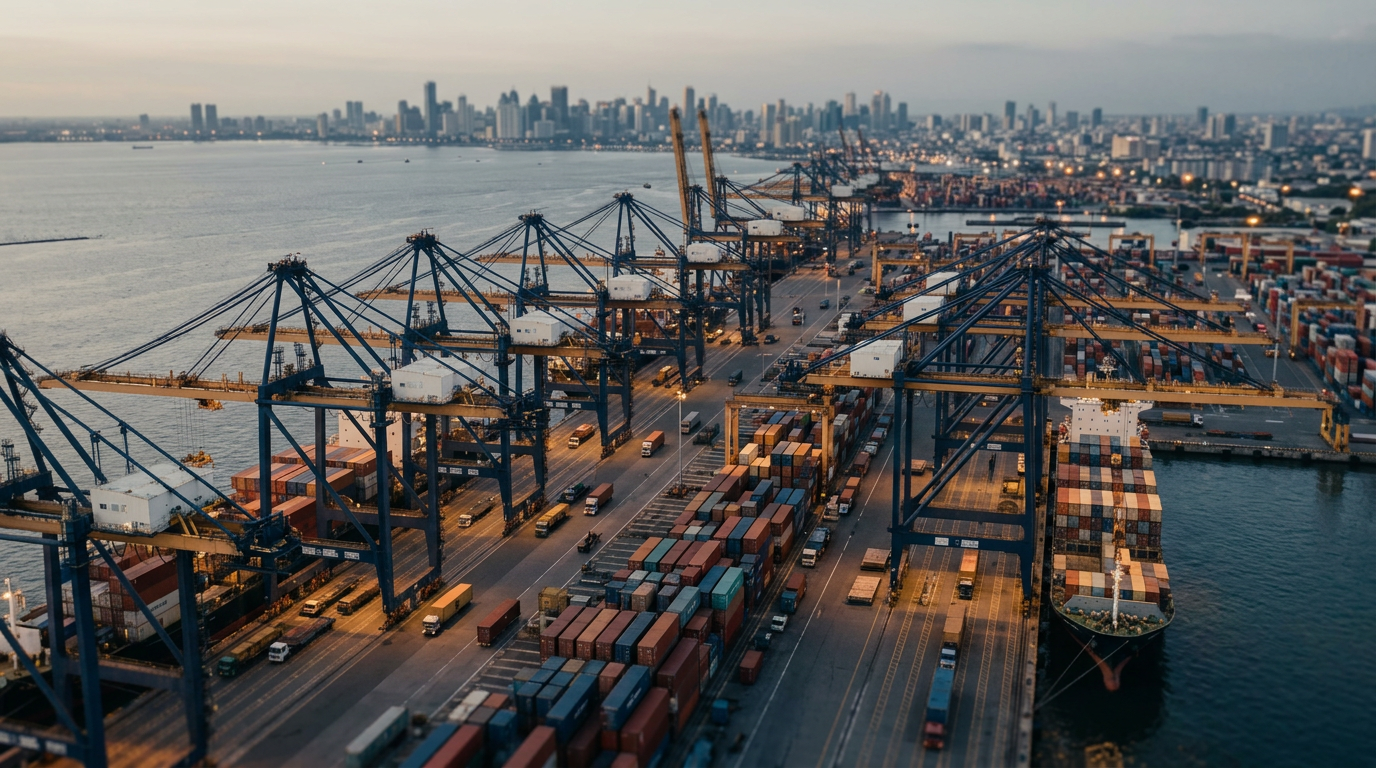 Philippines
Philippine VAT Ruling Eases Exporter Rules, Highlights Trade Management Challenge
New VAT refund rules for Philippine exporters highlight a tension across ASEAN: how to balance an open trade posture with the need for strong domestic institutions. The policy change aims to ease burdens on exporters but also reveals the administrative complexities of managing.
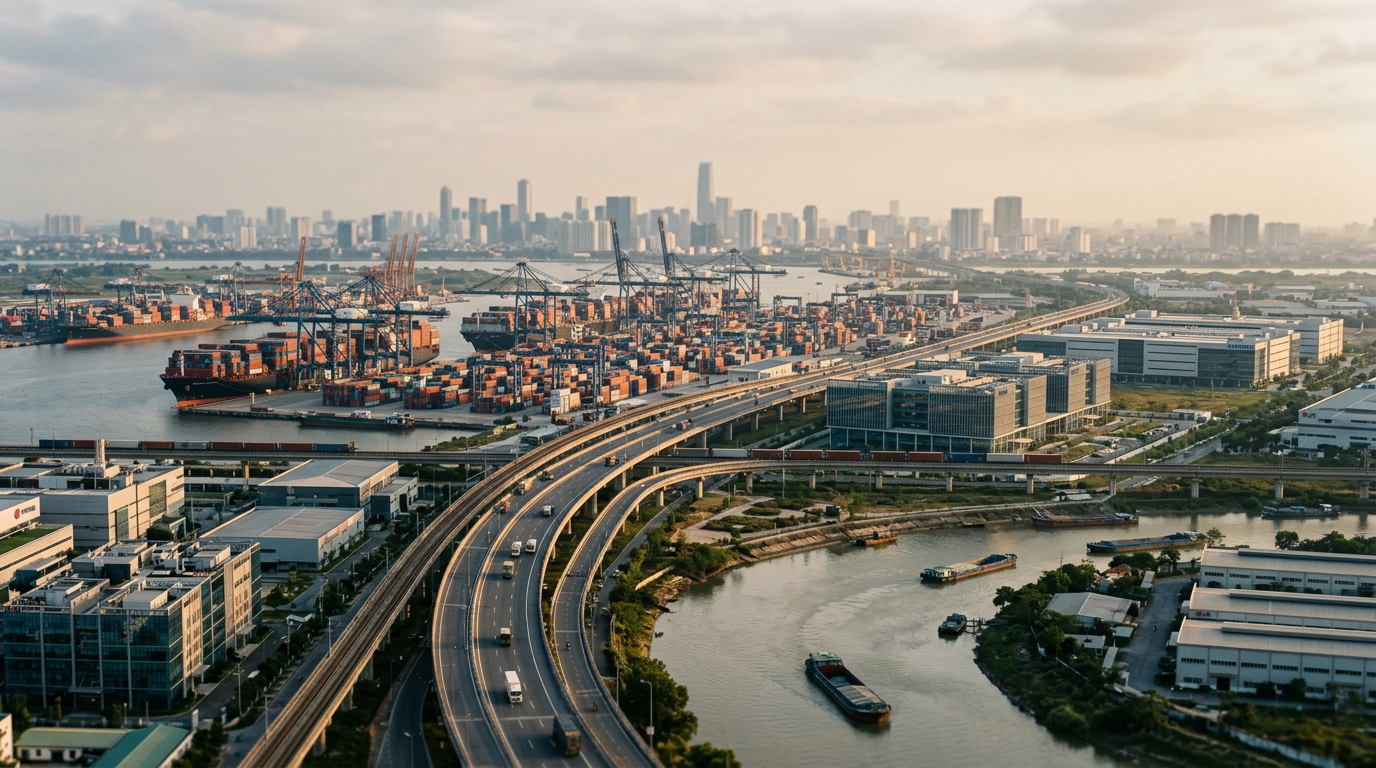 Vietnam
's Northern Strategy for FDI
Northern Vietnam attracted 80.5% of new manufacturing FDI in the first half of the year, with electronics and semiconductor investments concentrated in the region.
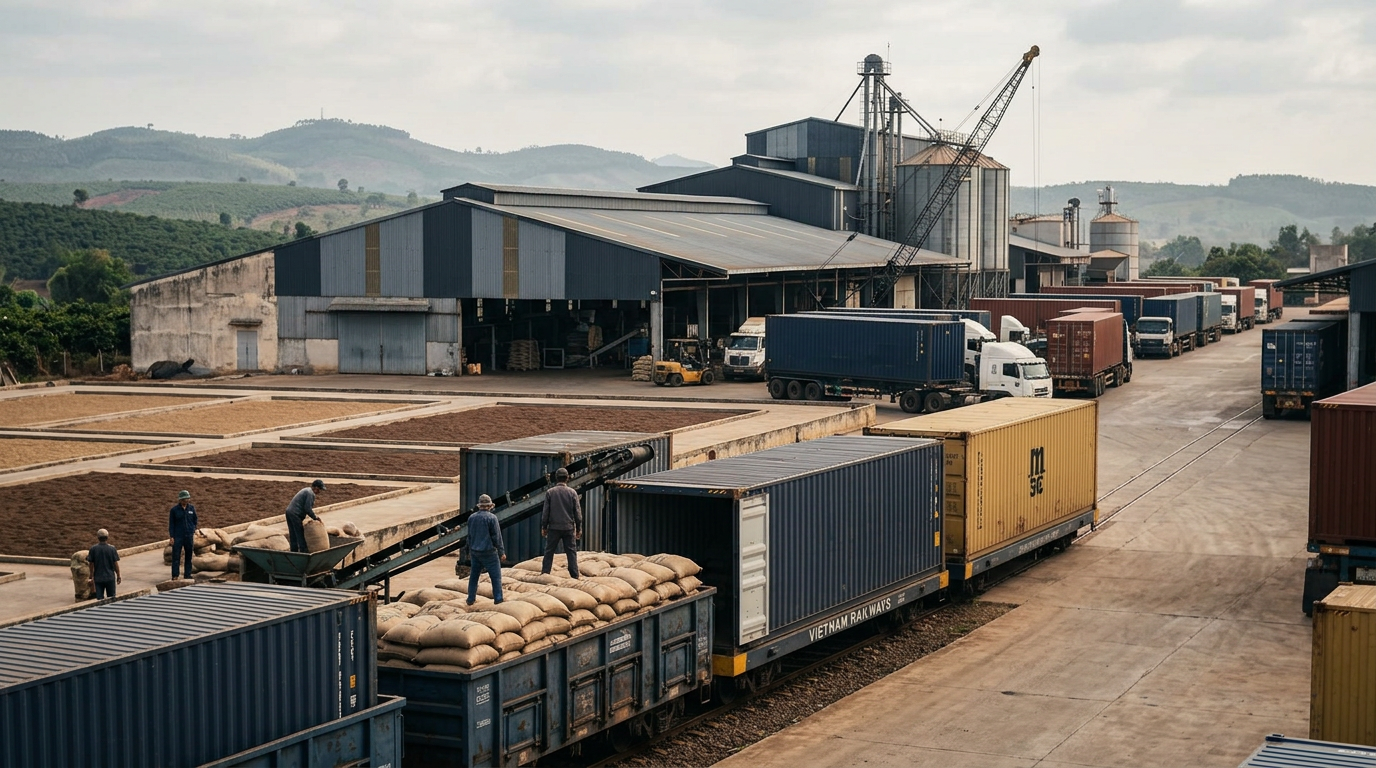 Vietnam
's Coffee Trade and the China Question
Trade with China is a structural reality. For ASEAN governments, the task is not one of engagement, but of managing dependency while preserving strategic options.
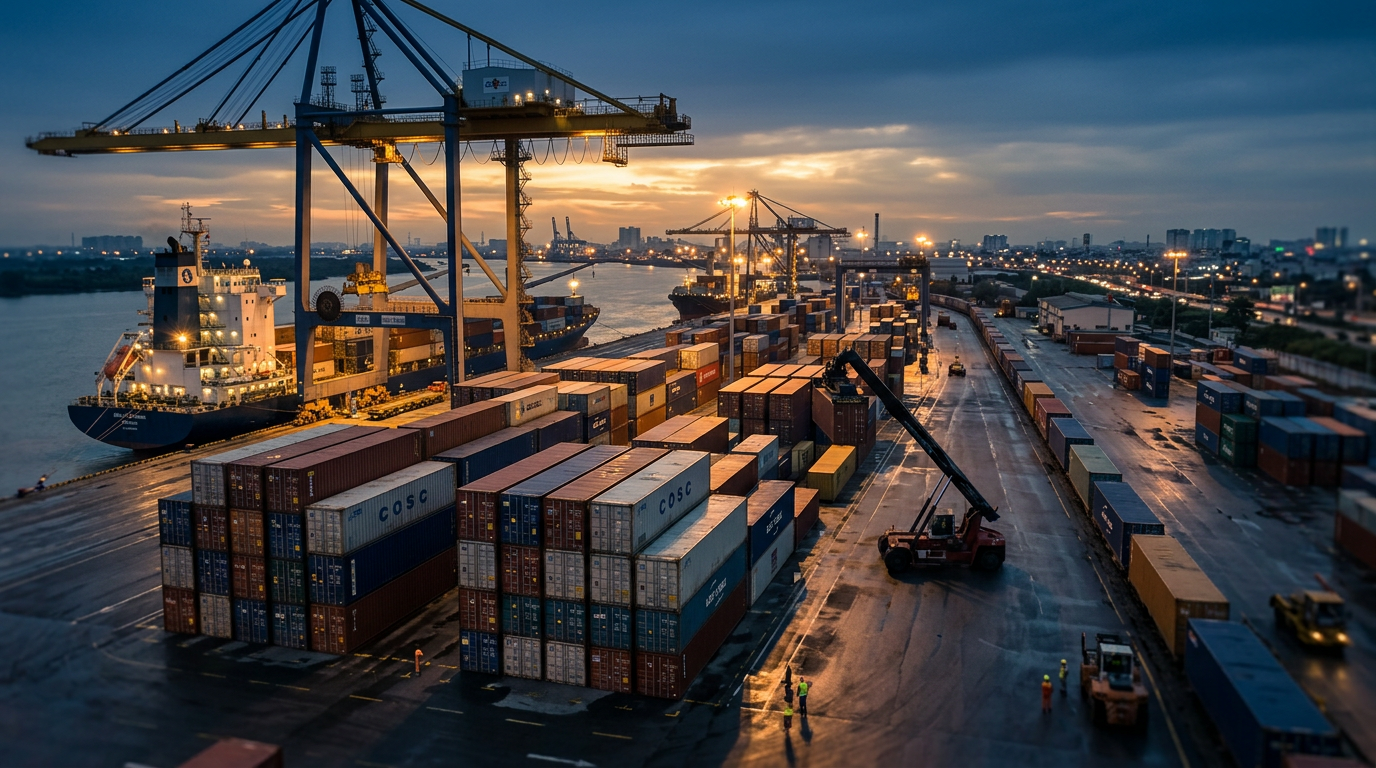 Vietnam
's Tax Base and the China Trade Question
Trade with China presents both a structural reality and a strategic challenge for ASEAN members like Vietnam. The rise of globally competitive domestic firms, reflected in their growing tax contributions, is a positive indicator of economic resilience, but it does not erase the.
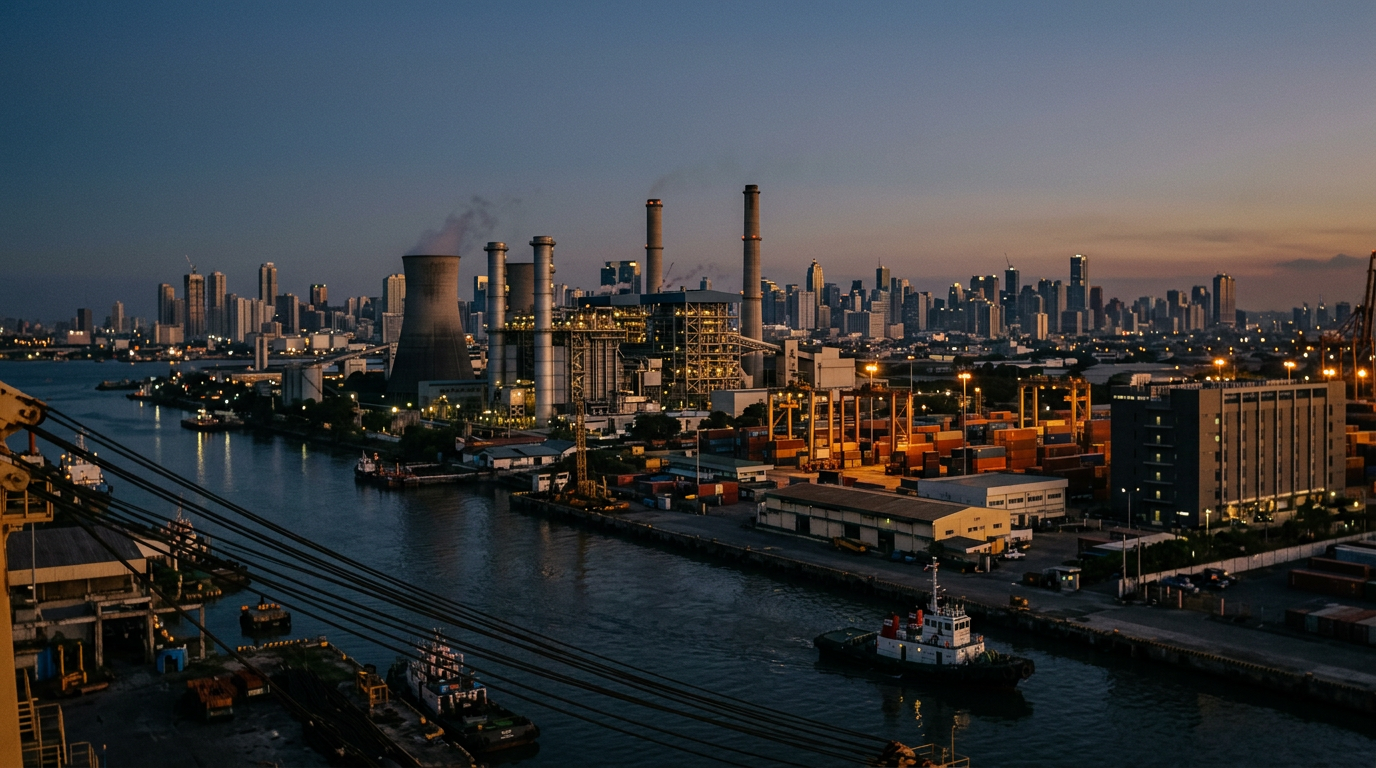 Philippines
The Price of Power in the Philippines
The high cost of electricity in the Philippines is more than a line item on a budget; it is a fundamental obstacle to investment and a drag on the country's economic ambitions.
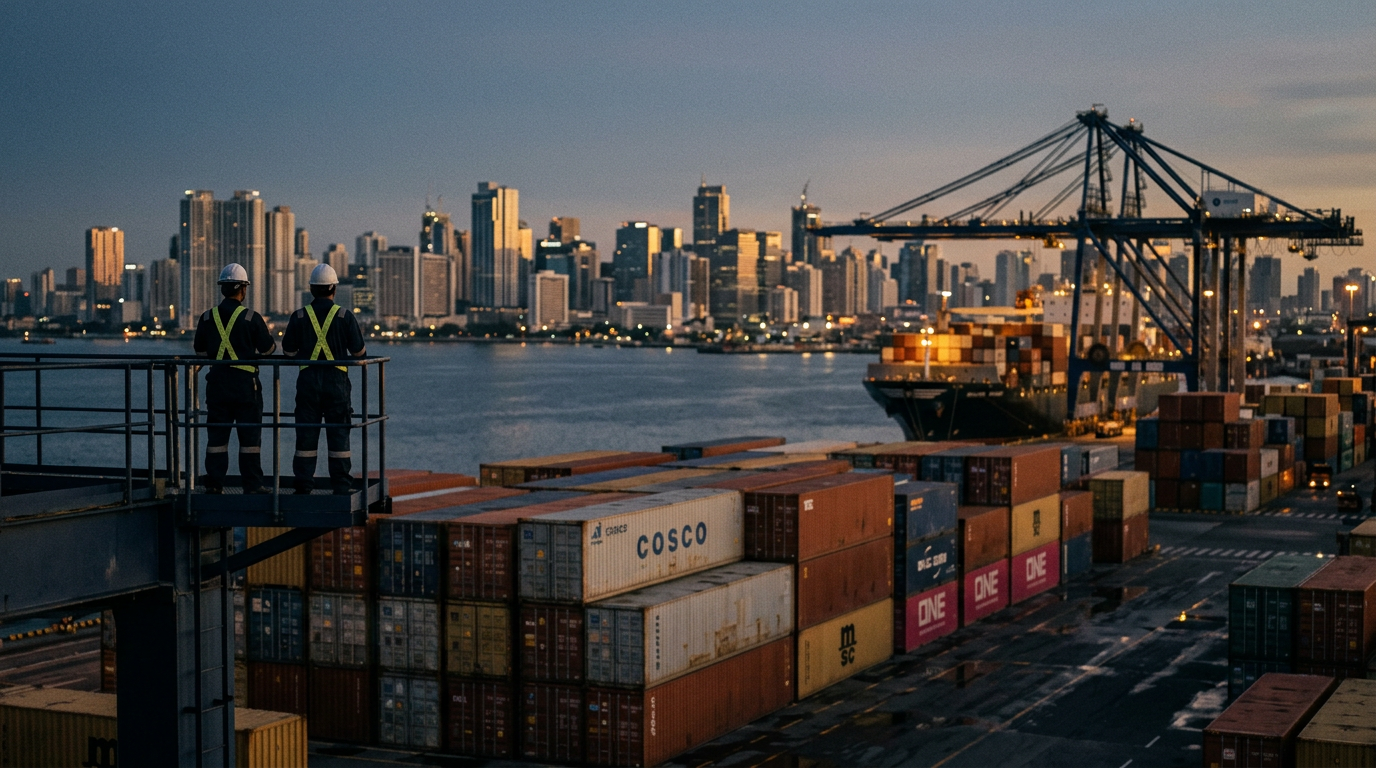 Philippines
The Philippines Art Market Navigates China Ties
The recent expansion of the Philippine art market, highlighted by a major auction, takes place within a complex economic relationship with China that requires careful management.
 Singapore
's Tax Haul Is a Story of State Capacity
Singapore's record tax revenues reflect more than just a strong economy. They demonstrate a high degree of state capacity, built on decades of institutional investment and public trust.
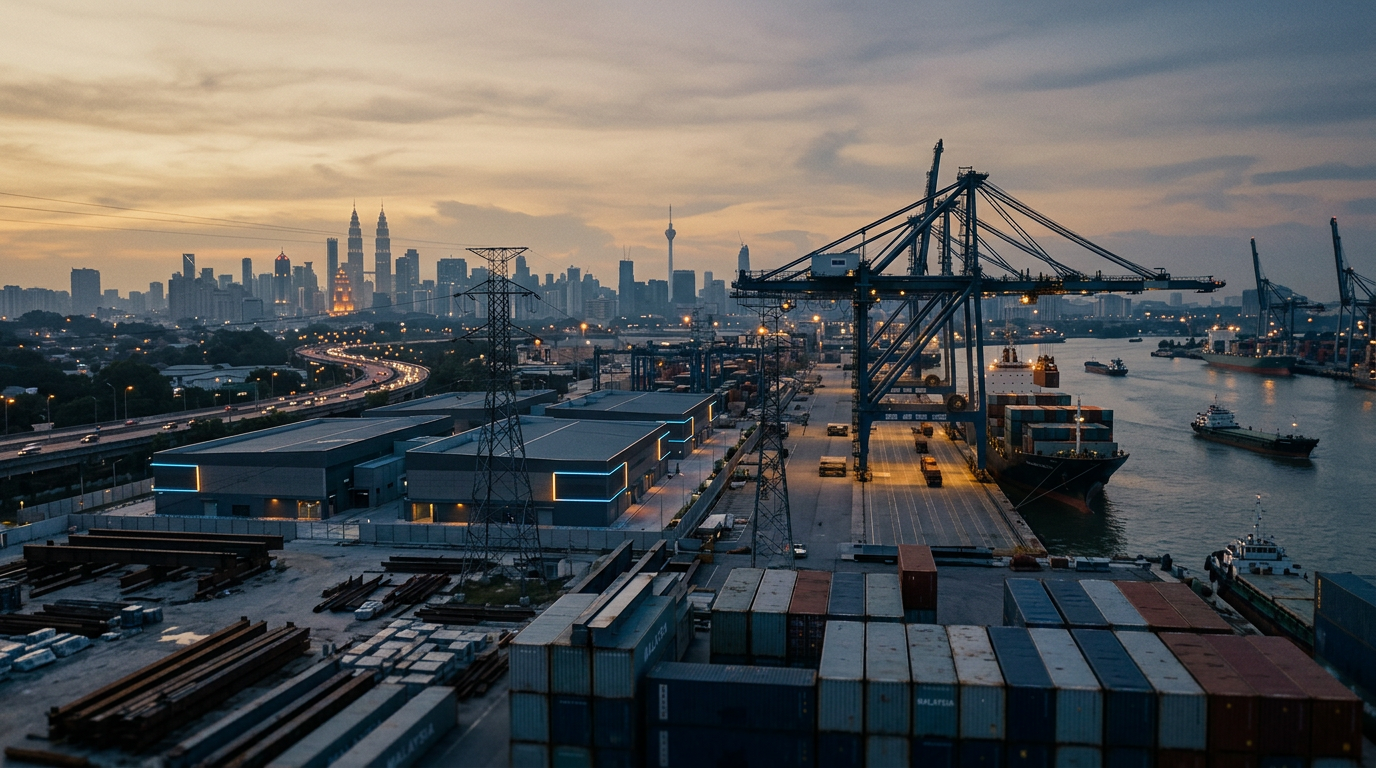 Malaysia
From Approved to Invested: Malaysia's FDI Challenge
Malaysia announced a surge in approved investments for the first half of 2026. Realising these flows will depend on the hard work of matching approvals with land, permits, power and talent.
 Vietnam
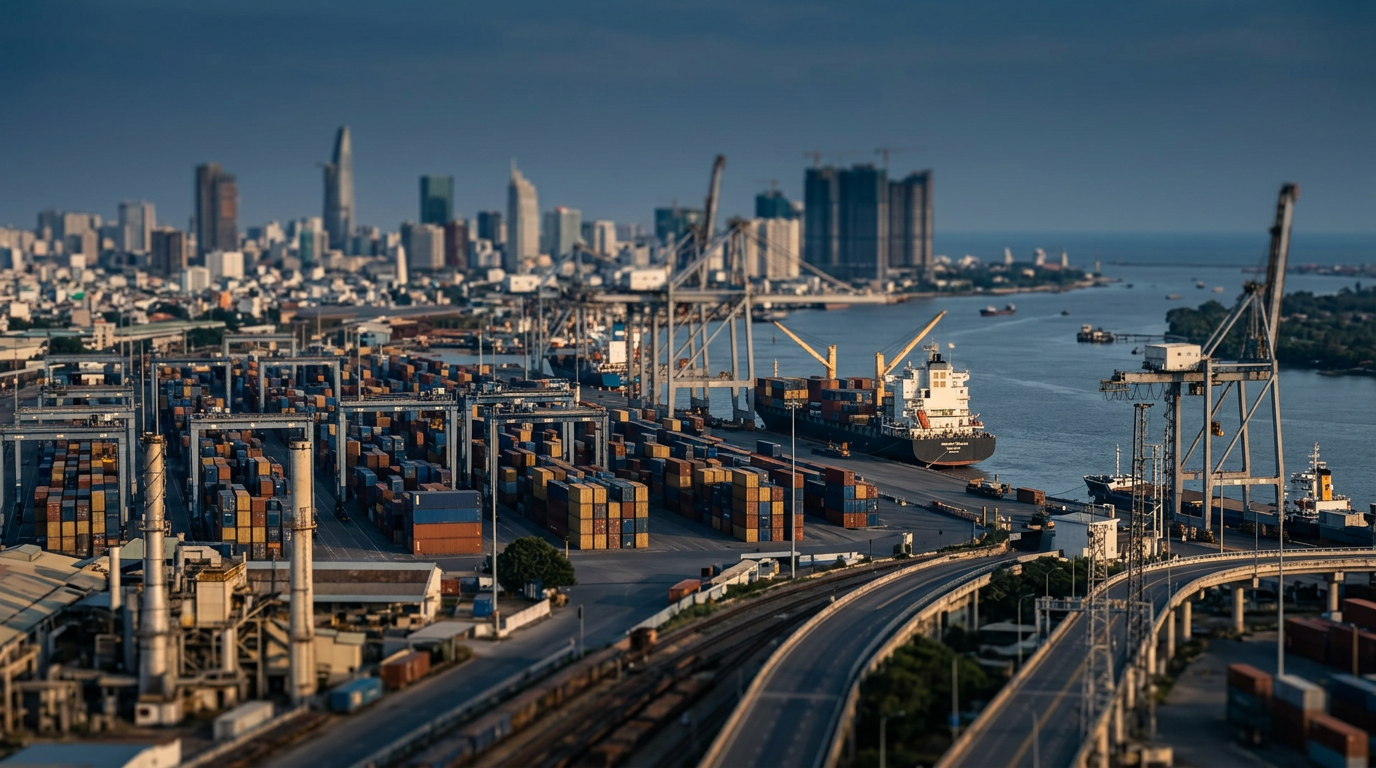
's Trade Boom and the China Question
Vietnam's record trade figures for 2026 are impressive, but they also sharpen the longstanding question of how to manage its deep, structural trade relationship with China.
 Philippines
Philippine infrastructure spending and the value of a usable state
A rebound in public infrastructure spending is projected to lift Philippine economic growth. For investors, what matters is not just the spending itself, but the institutional capacity to deliver projects on time and on budget.
 Philippines
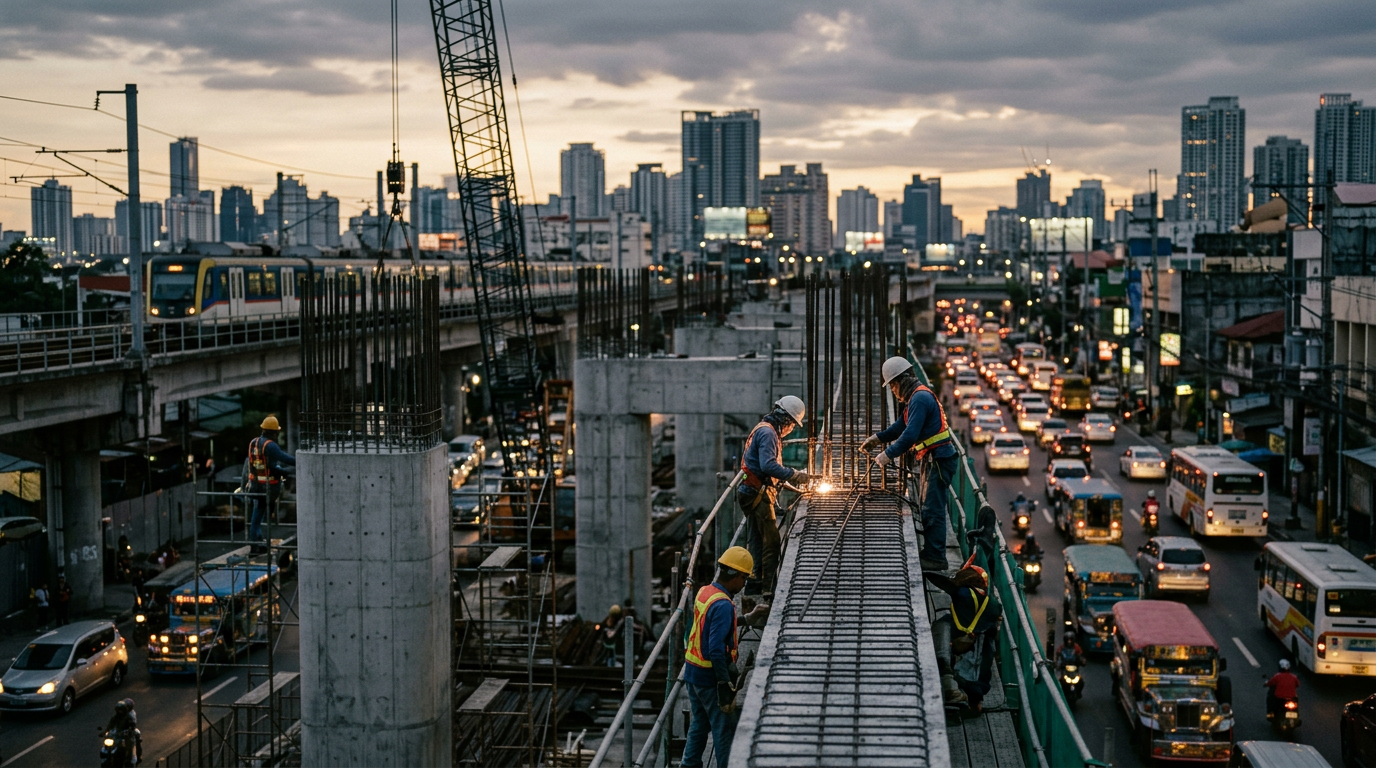
The Usable State: Why Philippine Growth Hinges on Execution
The Philippines may fall short of its 2026 growth targets. The gap between ambition and reality highlights a core challenge across the region: building institutional capacity to execute.
 Vietnam
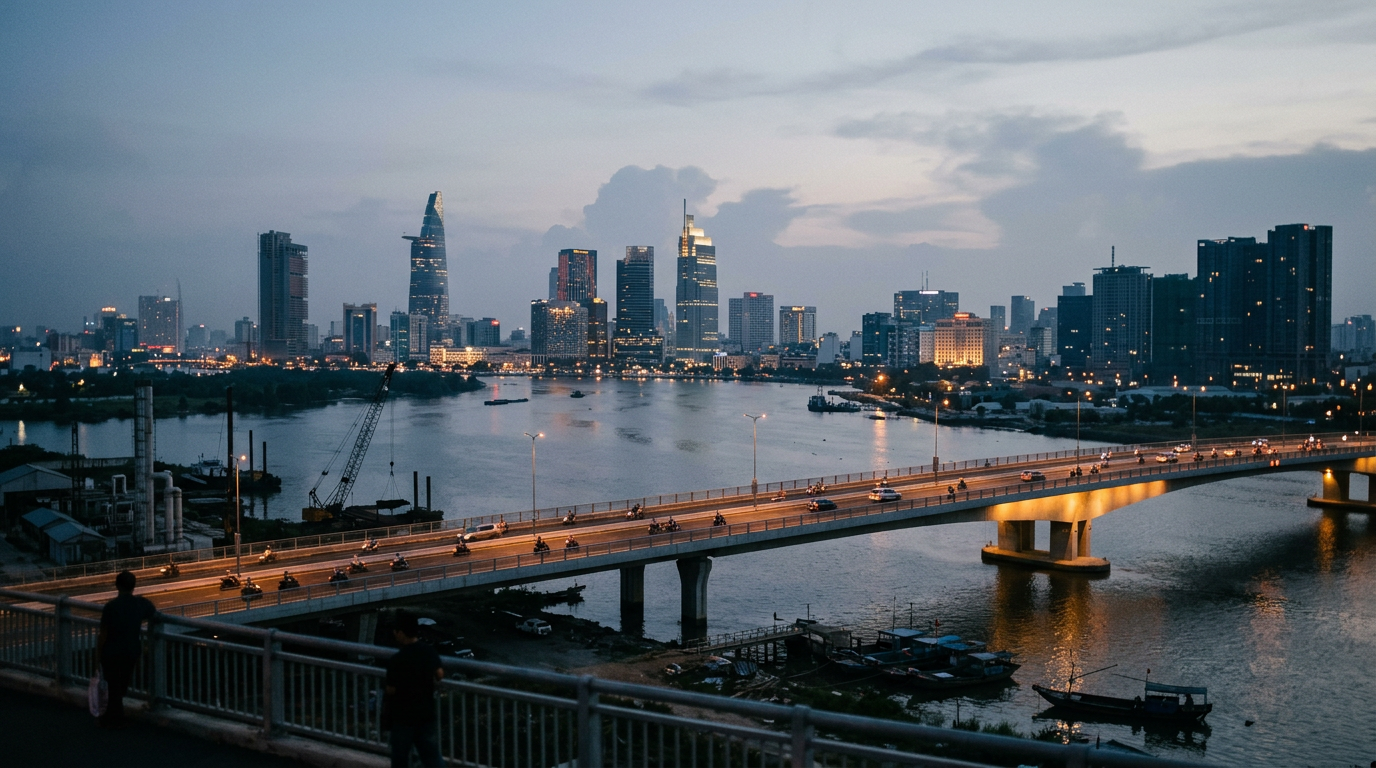
's Gold Price Divergence Signals Deeper Imbalances
Vietnam's decision to allow a new firm to produce gold bars for the first time in over a decade reflects deeper imbalances in its economy, where a strong preference for gold is a symptom of wider challenges.
 Vietnam
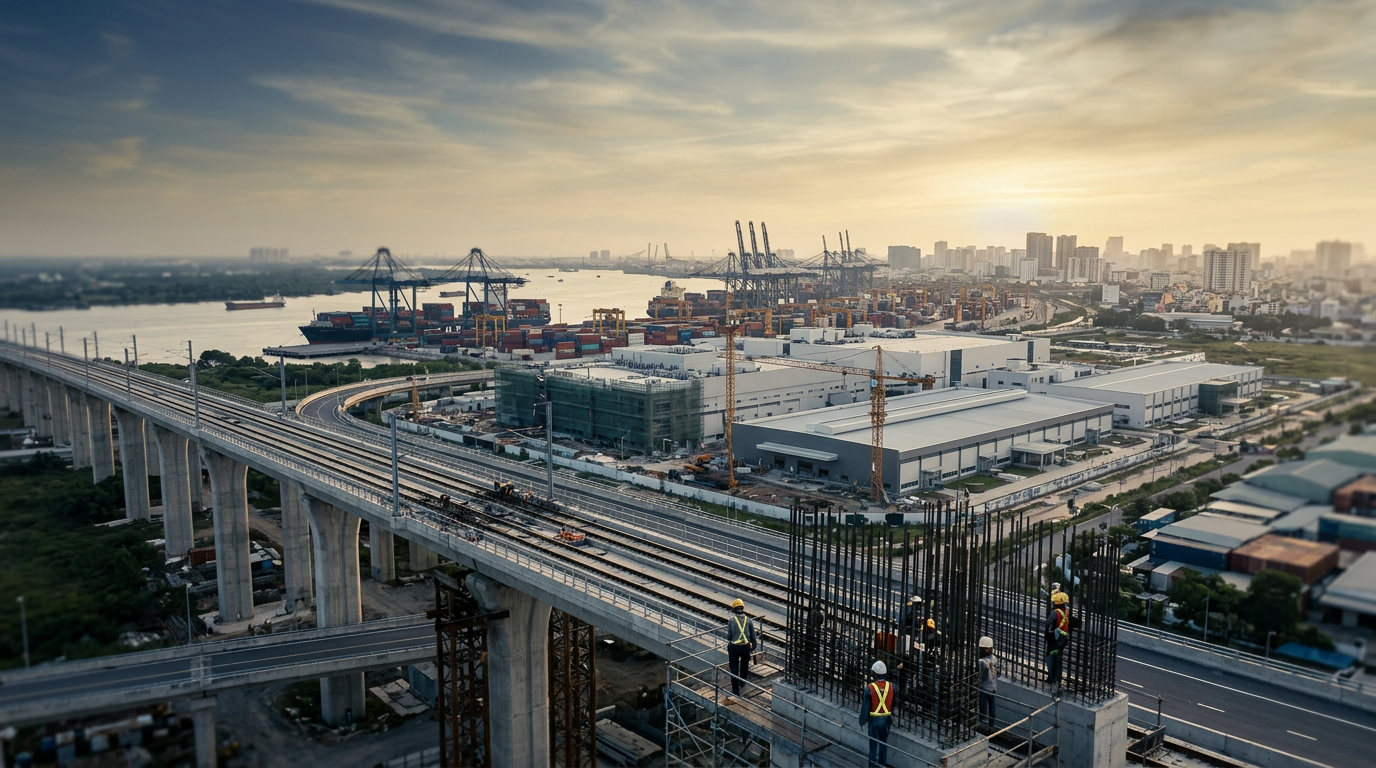
's High-Income Ambitions and the FDI Test
Vietnam's semiconductor boom is a major opportunity, but turning FDI announcements into realised investment and sustainable growth requires a focus on institutional quality and execution.