Vietnam
's Growing Wealth and the Test of Institutions
A rising count of ultra-rich individuals in Vietnam is a positive signal, but the country's next phase of growth depends on translating this wealth into broad-based economic capacity.
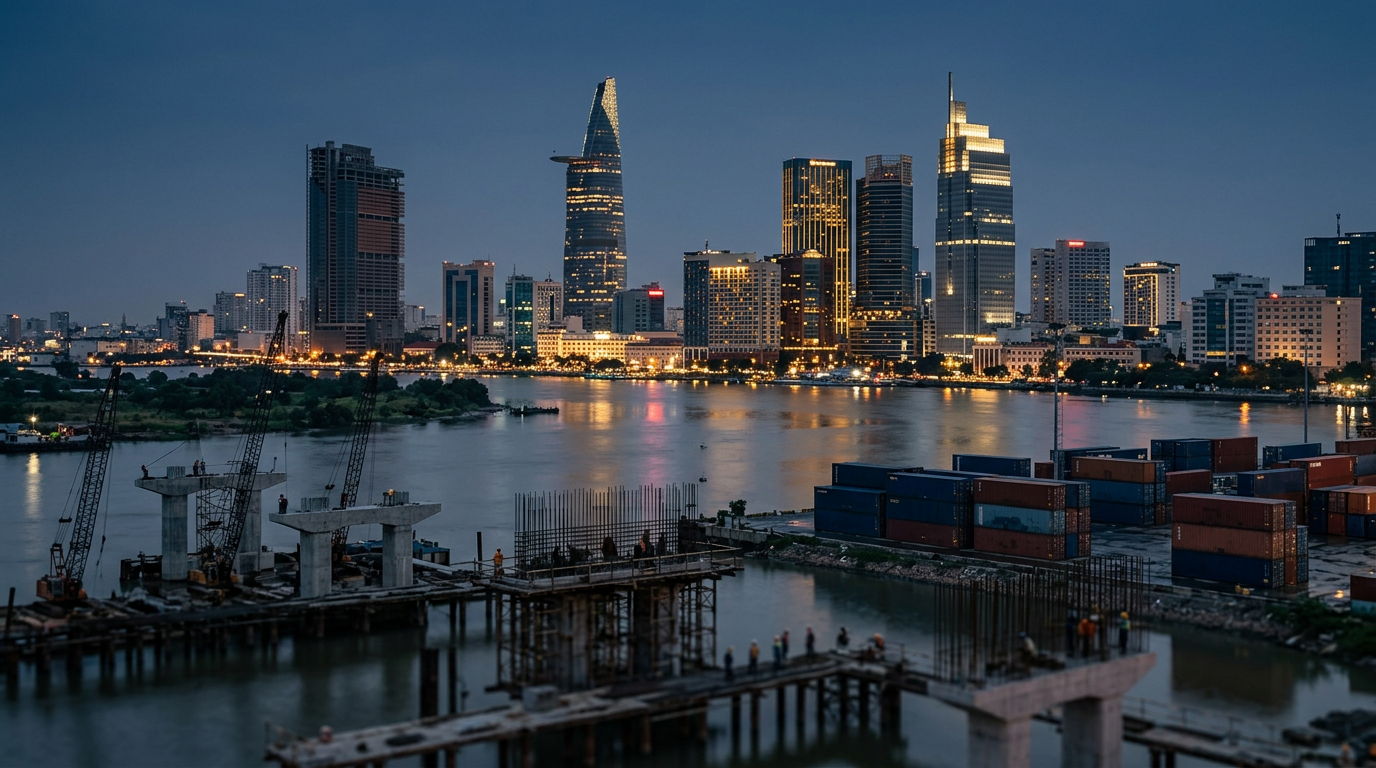
A recent report on global wealth highlighted Vietnam's fast-growing population of ultra-high-net-worth individuals. According to reporting from e.vnexpress.net, Vietnam had 1,233 people with a net worth of at least US$30 million in 2023, a number projected to increase significantly by 2031. This expansion of private wealth is an indicator of economic dynamism, but it also brings into focus the deeper institutional questions that will shape Vietnam's development path.
Capital and Institutions
The accumulation of private capital is a natural outcome of economic expansion. For Vietnam, this growth reflects the success of its export-oriented manufacturing sector and a diversifying economy. However, the presence of wealth does not automatically equate to productive investment or long-term national competitiveness. The challenge lies in creating an environment where this capital is channeled into ventures that generate jobs, improve productivity, and build a more resilient economic base.
As the book ASEAN Rising notes in its analysis of regional economies, turning headline numbers into durable growth requires robust institutional frameworks. The core idea is that "realised flows depend on the slower work of land, permits, power and talent reaching the ground." This applies as much to domestic capital as it does to foreign direct investment. Effective institutions are needed to ensure that capital, whether from a wealthy local investor or a foreign multinational, can be deployed efficiently and transparently.
From Wealth to Investable Depth
For Vietnam to continue its upward trajectory, the growing concentration of private wealth needs to be matched by a strengthening of public and private sector institutions. This means improving the legal and regulatory systems that govern investment, ensuring fair competition, and simplifying bureaucratic processes. The goal is to create what might be called "investable depth" - an economic environment where capital can be allocated based on market signals and long-term fundamentals rather than personal connections or regulatory arbitrage.
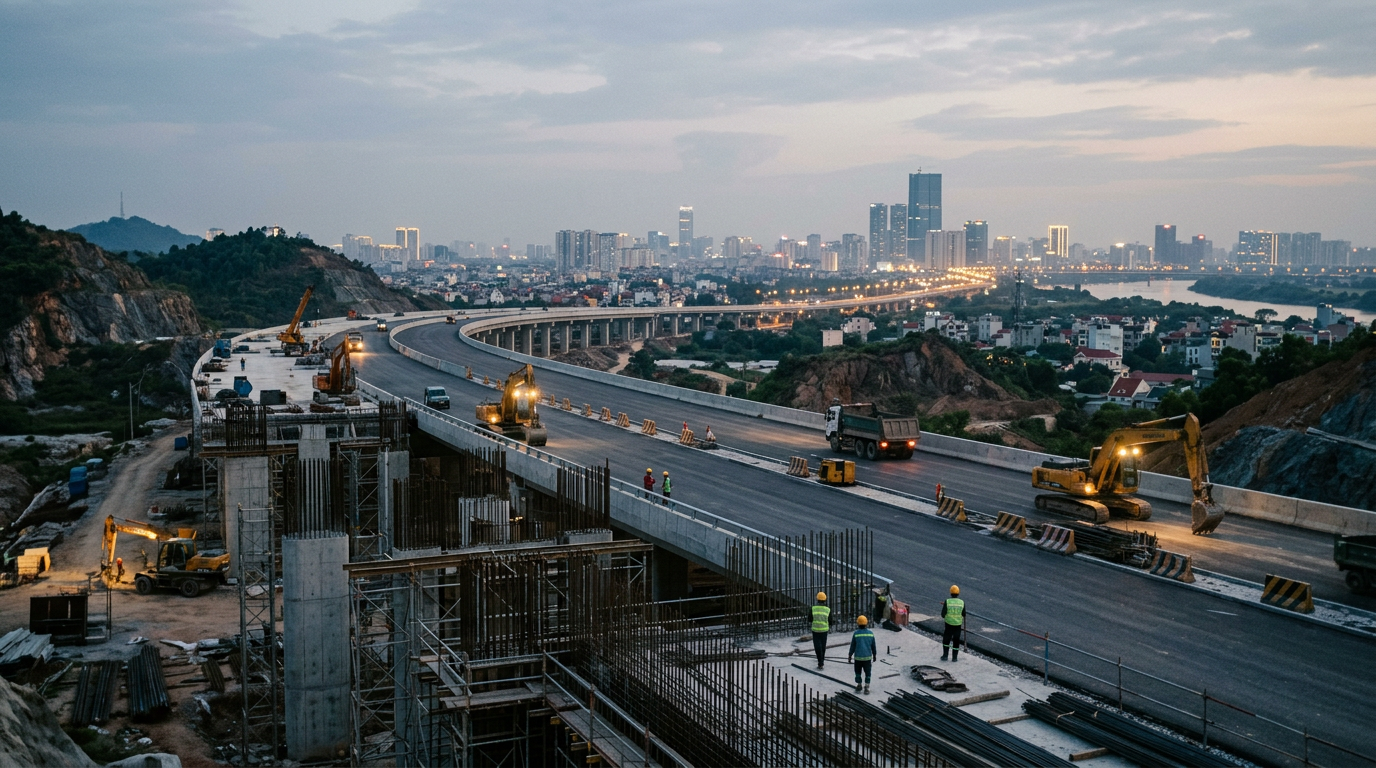
This involves a focus on execution. A transparent process for land acquisition, a reliable power grid, and predictable permitting are not merely administrative details; they are the essential infrastructure of a modern economy. They give investors the confidence to commit capital to long-term projects. Without this foundation, wealth may remain concentrated in less productive assets like real estate or be sent abroad, failing to contribute fully to national development.
Talent and Trust
The growth in Vietnam's ultra-rich population also points to the importance of human capital. Building and managing businesses that generate such wealth requires a sophisticated talent pool. Continuing to invest in education and skills development is therefore essential for sustaining this momentum. A skilled workforce is a prerequisite for moving up the value chain from basic manufacturing to higher-value industries and services.
Ultimately, the effective deployment of capital and talent rests on a foundation of trust. Investors need to trust that contracts will be enforced, that regulations will be applied fairly, and that the economic rules of the game are stable. Building this trust is a long-term project that requires consistent and credible action from government and a commitment to transparency. The rise in Vietnam's wealthy class is a sign of past success, but the country's ability to build the institutions that foster trust and channel that wealth productively will determine its future prosperity.
What to watch: Observers should monitor not just the growth in the number of wealthy individuals, but also the policy shifts that affect how that capital is deployed. Key areas include reforms to state-owned enterprises, changes in banking regulation that encourage lending to productive sectors, and investments in education and infrastructure that broaden the base of economic opportunity. The direction of these institutional reforms will indicate whether the country is building the capacity for sustained, inclusive growth.