Thailand
Thailand's FDI Push Hinges On Execution
Thailand is fast-tracking regulatory approval for $3.66 billion in industrial projects. Yet announcements travel faster than realised flows, which depend on the slower work of land, permits, power, and talent.
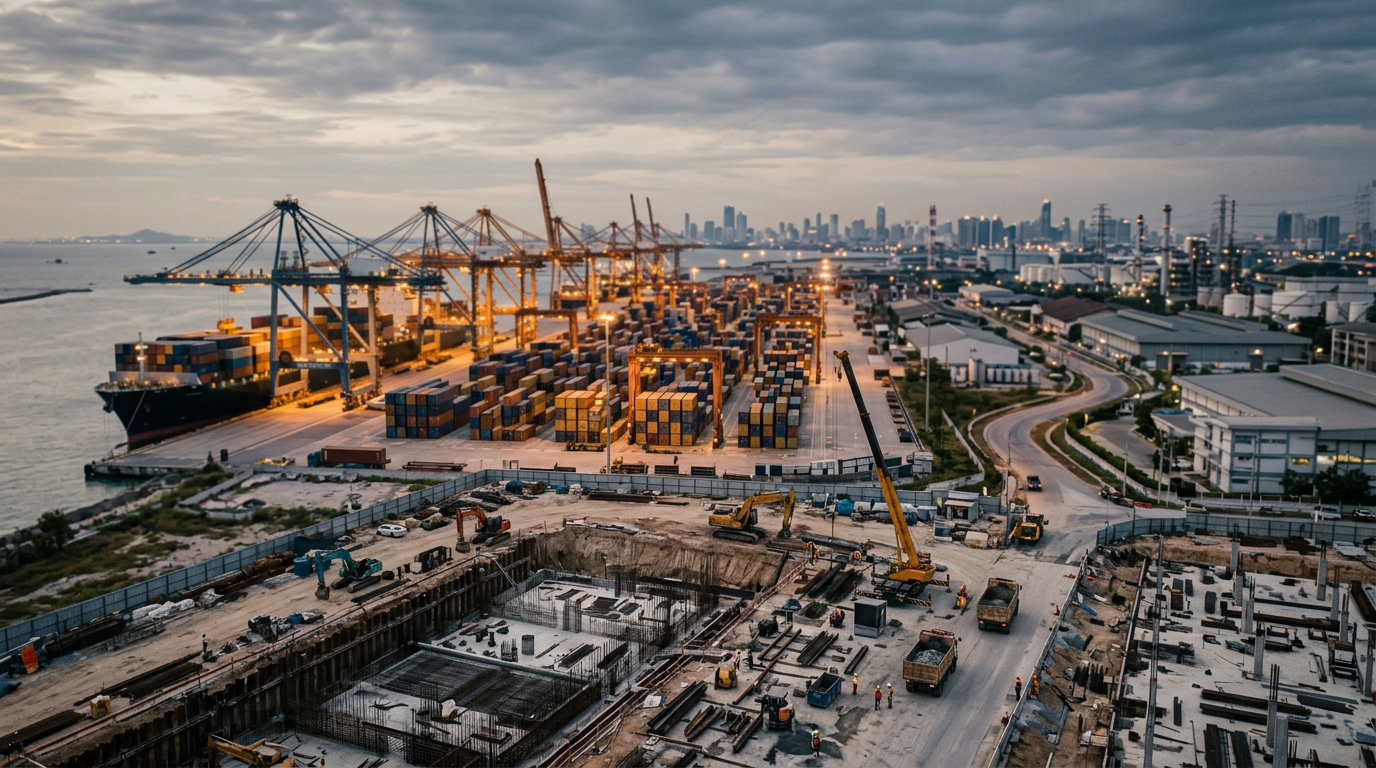
Thailand is fast-tracking regulatory approval for a pipeline of industrial projects valued at $3.66 billion and introducing new tax incentives to encourage technology company IPOs, according to a report from Malay Mail. The moves are designed to sharpen the country's appeal for foreign direct investment (FDI) and position it as a destination for high-tech manufacturing and corporate headquarters.
From Announcement to Investment
Attracting FDI is a competitive exercise across Southeast Asia, with governments frequently announcing large investment figures. While Thailand's initiative signals a proactive stance, the real measure of success will be the conversion of these announcements into tangible, operational projects. As the book "ASEAN Rising" notes in its analysis of regional investment patterns, "FDI announcements travel quickly. Realised flows depend on the slower work of land, permits, power and talent reaching the ground."
The gap between pledges and realised investment is a persistent issue. It highlights the difference between a government's intent and its capacity to execute. For Thailand, the $3.66 billion pipeline represents a significant headline figure. The focus now shifts to the administrative machinery responsible for turning these commitments into factories and research centers. This involves not just high-level policy but the granular, on-the-ground work of securing industrial estates, ensuring reliable electricity, and streamlining the permitting process.
Institutions and Infrastructure
The effectiveness of Thailand's push depends entirely on the quality of its institutions and the readiness of its infrastructure. Fast-tracking regulatory approvals is a positive step, but it must be supported by a bureaucracy that is both efficient and transparent. Investors look for predictability. Delays in approvals for construction, operations, or environmental compliance can erode the benefits of any tax incentive.
Physical infrastructure is just as important. The industrial projects targeted by this initiative will require access to dependable power grids, logistics networks, and digital connectivity. Thailand has a relatively strong foundation in this regard compared to some of its neighbors, but large-scale industrial inflows test the resilience of these systems. Ensuring that new industrial zones are well-integrated with ports, airports, and the national power supply is a complex task that requires long-term planning, not just short-term regulatory fixes.
Talent and Trust
Beyond the hard infrastructure, the availability of skilled talent is a deciding factor for high-tech investors. Thailand's initiative to spur technology IPOs indicates an ambition to move up the value chain. This requires a workforce proficient in engineering, software development, and modern management. While the country has a solid educational base, competition for top talent is a regional phenomenon. Investors will assess whether the local labor pool can meet the specific demands of advanced manufacturing and technology services.
Ultimately, long-term investment is built on trust. Investors need confidence that the policy environment will remain stable and that the government can deliver on its promises. By fast-tracking approvals and offering incentives, Thailand is making a clear promise to the international business community. Its ability to follow through will determine whether this $3.66 billion pipeline materializes as sustained economic development or simply another fleeting headline.
What to watch
The key indicators to monitor will be the quarterly data on realised FDI, not just announcements. Observers should watch for specific details on which projects from the pipeline break ground and on what timeline. Progress on the announced tax incentives for technology IPOs, including the number of companies that take advantage of the scheme and list on the local exchange, will also provide a clearer picture of whether Thailand's institutional and administrative capacity can match its investment ambitions.