Philippines
The Real Cost of Lagging Infrastructure in the Philippines
ANZ Research warns that the Philippines' economic slowdown could be prolonged by weak infrastructure spending. For a country aiming to solidify its economic position within ASEAN, the execution of capital projects is a direct reflection of state capacity and institutional.
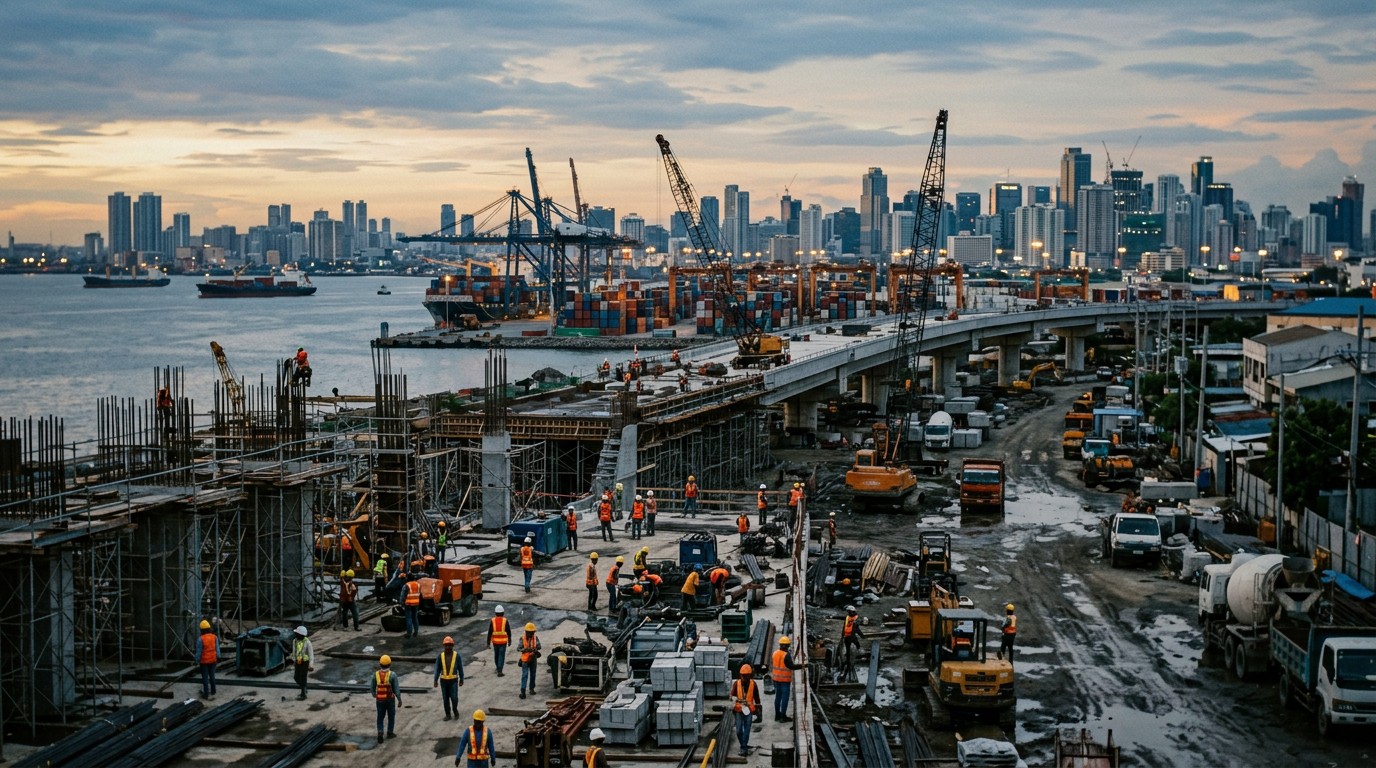
A recent warning from ANZ Research suggests that the Philippines' economic slowdown could extend into 2027, partly due to reduced allocations for capital outlays. According to a report from philstar.com, this weakness in infrastructure spending poses a headwind to the nation's growth prospects. This situation highlights a core theme for all ASEAN economies: the immense gap between announced ambitions and delivered projects.
Institutions and Execution
For any economy, the ability to effectively plan, finance, and execute large-scale infrastructure projects is a primary indicator of state capacity. The Philippines has a long history of ambitious infrastructure programs, but consistent execution has proven difficult. The transition from one administration to the next often brings shifts in priority and strategy, disrupting the continuity required for multi-year developments. This inconsistency can deter private investment, which relies on predictable government policy and reliable timelines.
As detailed in "ASEAN Rising", the simple act of building what has been promised is a powerful signal to global capital. It demonstrates a government's ability to navigate internal bureaucracy, manage complex logistics, and maintain fiscal discipline. When projects are delayed or scaled back, as the ANZ report warns, it raises questions about the institutional friction that hinders progress. The economic cost is not just in the delayed benefit of a new road or port, but also in the diminished confidence of investors who prize predictability over grand pronouncements.
Infrastructure as Comparative Advantage
Within the competitive landscape of ASEAN, infrastructure is a fundamental component of national competitiveness. Efficient ports, stable power grids, and modern digital networks reduce the cost of doing business, attracting foreign direct investment and enabling local industries to connect to global supply chains. Countries that build out their infrastructure are not just laying down concrete and fiber optics; they are building a durable foundation for future growth.
The excerpt from the book notes that "institutional reliability has become part of comparative advantage." This is particularly true for infrastructure. A new airport that opens on schedule or a power plant that delivers consistent energy is a tangible asset. It shows that the institutions governing the project are functional and trustworthy. The Philippines is not just competing with its regional neighbors for investment in manufacturing or services, but also in its demonstrated ability to provide a stable and efficient operating environment. The current concerns over infrastructure spending are therefore not merely a domestic fiscal issue but a matter of regional economic positioning.
The Role of Capital
Public funds are essential, but private capital is equally important for closing the infrastructure gap. The warning from ANZ Research about smaller allocations for capital outlays underscores the fiscal constraints governments face. To compensate, attracting private sector participation through public-private partnerships (PPPs) and other financing models is necessary. However, private capital is cautious. It flows to environments where the legal and regulatory frameworks are clear, project pipelines are credible, and commitments are honored across political cycles.
Delays and inconsistent spending damage this credibility. Investors in long-term assets like infrastructure need assurance that the economic and political assumptions that underpin their investment will hold. When government spending falters, it can signal a lack of political will or an unstable policy environment, making it harder to attract the necessary private funding. This creates a cycle where public underinvestment deters private capital, further widening the infrastructure deficit and constraining economic growth potential. What to watch
Observers should monitor the Philippine government's response to these fiscal pressures, specifically any new measures to accelerate PPPs or re-prioritize key infrastructure projects. The ability to translate plans into completed projects will be the key indicator of the country's capacity to overcome these headwinds. How the administration addresses the interplay of fiscal limitations and the need for sustained capital investment will influence the country's economic trajectory for the next several years.