Vietnam
Vietnam's High-Income Ambitions and the FDI Test
Vietnam's semiconductor boom is a major opportunity, but turning FDI announcements into realised investment and sustainable growth requires a focus on institutional quality and execution.
A recent report from Nikkei Asia suggests that Vietnam's burgeoning semiconductor industry could propel it towards high-income status. The country has attracted significant foreign direct investment (FDI) in the sector, positioning it as a key node in global electronics supply chains. This influx of capital presents an opportunity for Vietnam to evolve its economic model from one based on low-cost manufacturing to higher-value, technology-intensive industries. However, the path from investment announcements to durable economic transformation is not automatic. It requires a concerted focus on building the institutional and physical capacity to absorb and leverage this new capital effectively.
From Announcements to Assets
Attracting multi-billion dollar investment pledges from major technology firms is a significant achievement for Vietnam's investment promotion agencies. These announcements generate positive headlines and signal confidence in the country's economic trajectory. Yet, as the book "ASEAN Rising" notes, there is a substantial difference between promised and realized investment. The real work begins after the press conferences end.
Successfully converting an FDI pledge into an operating asset involves a sequence of complex, on-the-ground tasks. This includes securing land, obtaining the necessary permits, ensuring reliable power and utility connections, and having a sufficiently skilled workforce. These are the mundane but essential elements of execution that determine the pace and success of capital deployment. As the book argues, "scale matters only when institutions can turn it into investable depth." Without efficient and transparent processes, announced projects can face costly delays or fail to materialize entirely, leaving economic potential unrealized.
Infrastructure and Talent as Bottlenecks
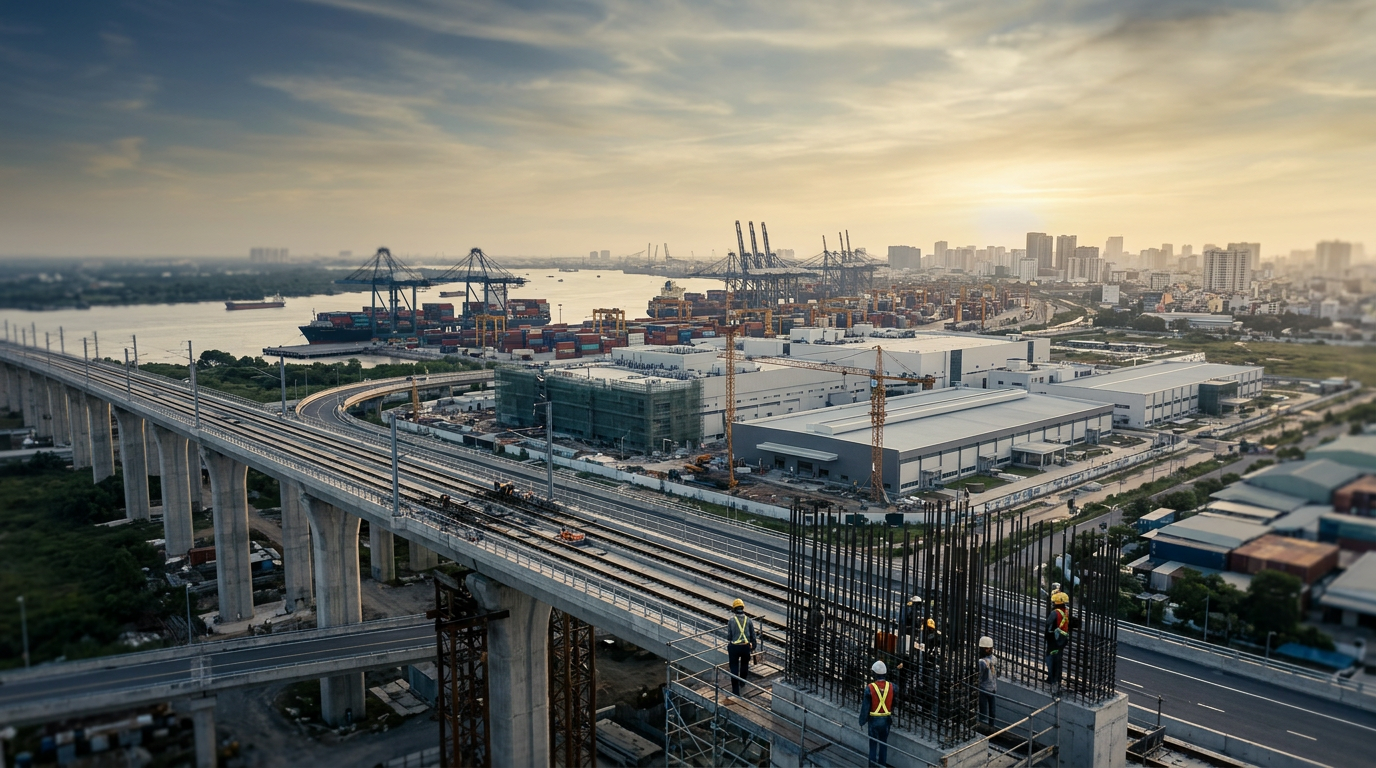
For Vietnam to capitalize on the semiconductor boom, it must address potential bottlenecks in its physical and human infrastructure. The power-intensive nature of semiconductor manufacturing demands a highly reliable and expandable energy grid. The national grid's capacity and stability will be tested as large-scale fabrication and assembly plants come online. Any shortcomings could deter further investment and constrain the growth of existing facilities.
Simultaneously, the demand for talent will surge. The semiconductor industry requires a specialized workforce, from highly trained engineers for design and fabrication to skilled technicians for assembly, testing, and packaging. While Vietnam has a large and youthful population, the educational and vocational training systems must be aligned with the specific needs of the industry. This means producing graduates with relevant engineering qualifications and technical skills in sufficient numbers. Failure to develop this talent pipeline could become the primary constraint on the sector's growth, forcing companies to rely on expatriate staff and limiting the broader economic benefits for the local population.
The Institutional Test
Ultimately, Vietnam's ability to translate the current wave of FDI into a sustainable leap in economic status rests on the quality of its institutions. This goes beyond the specific agencies handling investment approvals. It encompasses the legal framework that protects investments, the efficiency of the bureaucracy, and the government's capacity to coordinate long-term planning for infrastructure and human capital development.
Building a high-value, technology-driven economy is a marathon, not a sprint. The current FDI boom in semiconductors provides the impetus and the resources, but sustained success will depend on the slower, more difficult work of institutional reform and capacity building. Vietnam has a clear opportunity to upgrade its position in the global economy, but it must focus on the foundational elements that turn investment announcements into productive, long-term assets.
What to watch
Pay close attention to official data on realized FDI flows, as opposed to just announcements. Monitor reports on the development of Vietnam's power infrastructure, particularly projects aimed at increasing grid capacity and stability in industrial zones. Finally, watch for new government initiatives and public-private partnerships aimed at expanding university engineering programs and vocational training for technicians in the electronics sector.