Philippines
Philippine Infrastructure and the Cost of Friction
A recent ANZ Research report warns that a slowdown in Philippine infrastructure spending could dampen economic growth. For ASEAN members, the ability to execute on planned projects is a vital signal to investors.
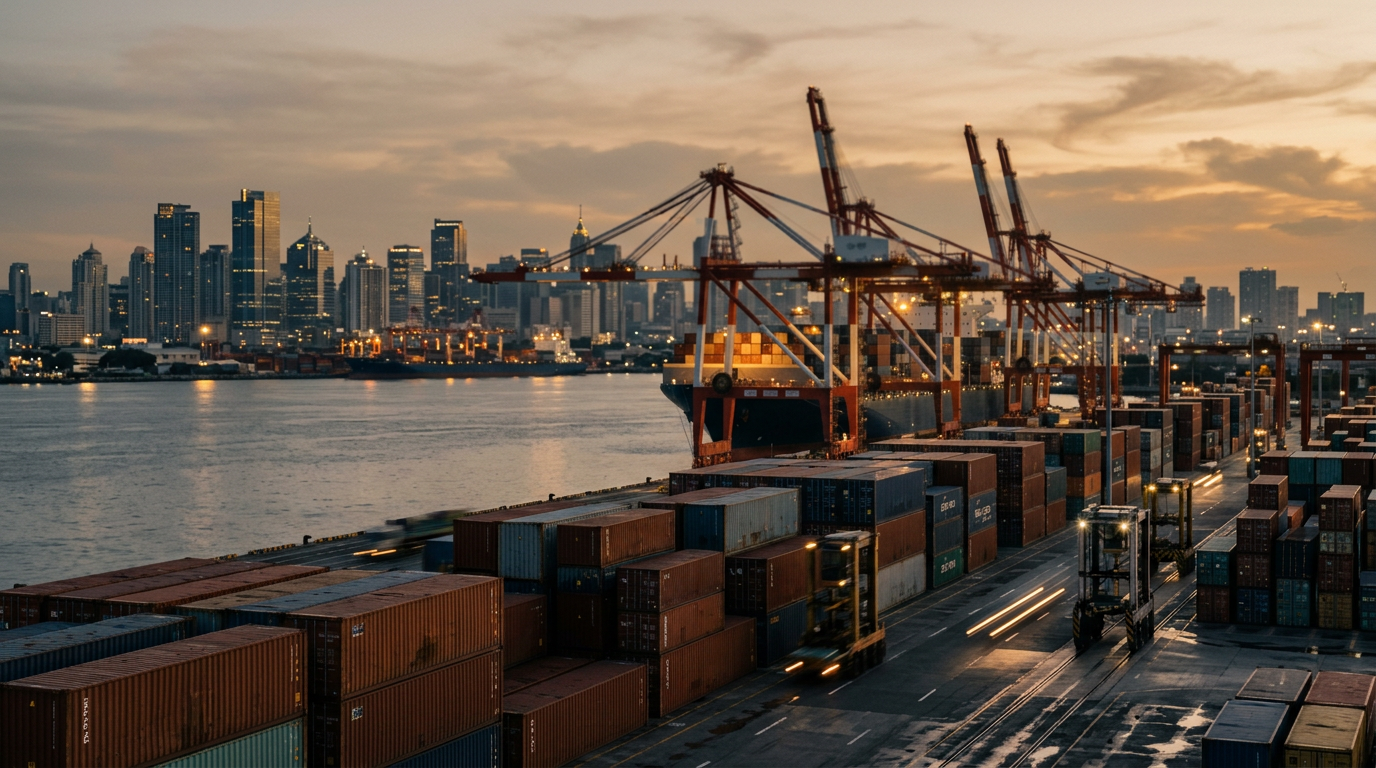
A recent report from ANZ Research warns that weak infrastructure spending could extend the Philippines' economic slowdown, as reported by philstar.com. The analysis highlights a smaller-than-expected allocation for capital outlays in the national budget, raising questions about the pace of the country's ambitious infrastructure program.
This development is a timely reminder of the gap that can exist between policy pronouncements and on-the-ground reality, not just in the Philippines but across the region. For governments, the ability to deliver tangible projects is a core component of state capacity and a direct signal to domestic and international capital. While bold announcements may generate initial optimism, consistent execution is what builds lasting investor confidence.
Institutions and Execution
The challenge of translating ambitious infrastructure blueprints into finished projects is a recurring theme in emerging economies. The friction costs associated with project delays - from regulatory hurdles and bureaucratic inefficiencies to funding gaps - can be substantial. These delays not only postpone the economic benefits of new roads, ports, and power plants but also increase the final cost and create uncertainty for investors.
As discussed in ASEAN Rising, the predictability of government processes is a significant factor in investment decisions. The book argues that "institutional reliability has become part of comparative advantage." A system that delivers projects on schedule and within budget, even if less spectacular in its initial announcements, often proves more attractive to capital. The Philippine government's ability to navigate these complexities and accelerate its spending will be a measure of its institutional strength and its capacity to turn plans into progress.
Capital and Comparative Advantage
For the Philippines and its neighbors, infrastructure development is not merely a domestic concern but a race for regional competitiveness. Efficient logistics, stable power, and modern digital backbones are foundational for attracting foreign direct investment, particularly in the manufacturing and technology sectors. A nation's infrastructure is a physical manifestation of its investment climate.
The ANZ report's caution reflects a broader investor calculus. Capital is mobile and seeks environments where risks are manageable and returns are predictable. When public infrastructure spending falters, it can signal deeper issues with state capacity, potentially prompting investors to look elsewhere in a competitive ASEAN landscape. The timely delivery of infrastructure sends a powerful message that a government is a reliable partner, capable of creating a stable operating environment.
What to watch
Observers should monitor the Philippine government's forthcoming budget utilization reports and any supplementary announcements aimed at accelerating capital outlays. The government's response to the concerns raised by ANZ Research will indicate its policy priorities and its ability to maintain the course on its long-term economic development agenda. The pace of spending in the coming quarters will serve as a key indicator of the country's near-term growth trajectory and its attractiveness as an investment destination.