Philippines
The Usable State: Why Philippine Growth Hinges on Execution
The Philippines may fall short of its 2026 growth targets. The gap between ambition and reality highlights a core challenge across the region: building institutional capacity to execute.
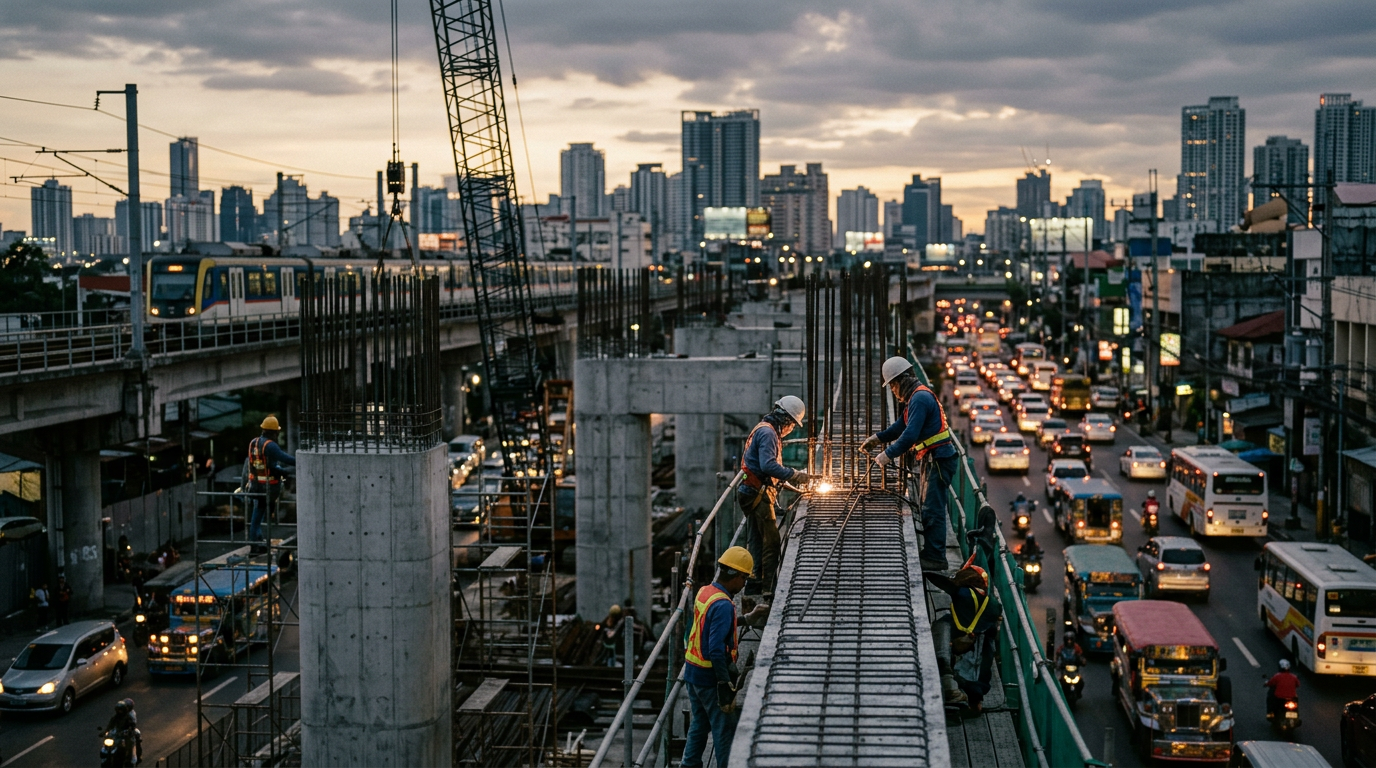
A recent forecast from the Makati Business Club (MBC) suggests the Philippines may not meet its 2026 economic growth targets, as reported by philstar.com. While the business group noted that accelerated government spending could provide a lift, the projection points to a persistent gap between economic planning and on-the-ground results. This situation is not unique to the Philippines; it illustrates a fundamental theme of development across Southeast Asia: the immense difficulty of turning policy into tangible outcomes.
The Execution Gap
Ambitious national development plans are a hallmark of ASEAN governments. The Philippines, through its current administration, has outlined clear objectives for economic expansion, backed by a substantial infrastructure program. However, as the MBC analysis implies, approving projects and allocating funds is only the first step. The entire lifecycle of a project - from procurement and land acquisition to construction and operational launch - is fraught with potential delays. These frictions are often institutional. They involve complex regulations, coordination failures between government agencies, and shortages of skilled personnel to manage sophisticated projects. The result is a lag between the announcement of an initiative and its completion, which erodes business confidence and delays economic benefits for the public.
Infrastructure and Institutional Reliability
Effective state capacity is not about grand pronouncements, but about consistent and predictable execution. As discussed in "ASEAN Rising," the ability to deliver projects on schedule is a powerful signal to domestic and international investors. "Infrastructure that arrives on time signals more than infrastructure that is merely announced." When a government demonstrates it can build a road, a port, or a power plant as planned, it proves its institutions are reliable. This reliability reduces risk for private capital, making the country a more attractive destination for investment. Conversely, when projects are consistently delayed, it raises the cost of doing business and suggests that the state apparatus is unable to overcome internal obstacles. This is the core challenge of state capacity: building a government that is not just exciting in its vision, but usable and effective in its daily functions.
Capital and Trust
The MBC's call for faster government spending highlights the direct link between state action and economic vitality. Public expenditure, particularly on infrastructure, is intended to stimulate wider economic activity. When this spending falters, it not only represents a failure to deliver a specific project but also a failure to deploy capital efficiently. In the long run, this can damage trust between the government, the private sector, and the public. Business planning becomes more difficult in an environment of uncertainty, and citizens grow weary of promises that do not materialize. Building and maintaining this trust is essential for long-term growth. It requires a relentless focus on improving the institutional machinery of the state so that it can effectively absorb and deploy the capital it has at its disposal.
What to watch: Observers should monitor the Philippine government's budget execution rates in the coming quarters, particularly for key infrastructure agencies. Attention should also be paid to any new administrative or regulatory reforms aimed at simplifying project approvals and right-of-way acquisition processes. The ability of the government to accelerate these practical, and often difficult, steps will be a more meaningful indicator of future economic performance than any top-line growth target.