Philippines
The Philippines' Infrastructure Gap Is a Warning for ASEAN
Manila's ambitious infrastructure plans have hit a wall of weak state capacity, leading to project delays, cancellations, and a potential drag on economic growth that holds lessons for the entire region.
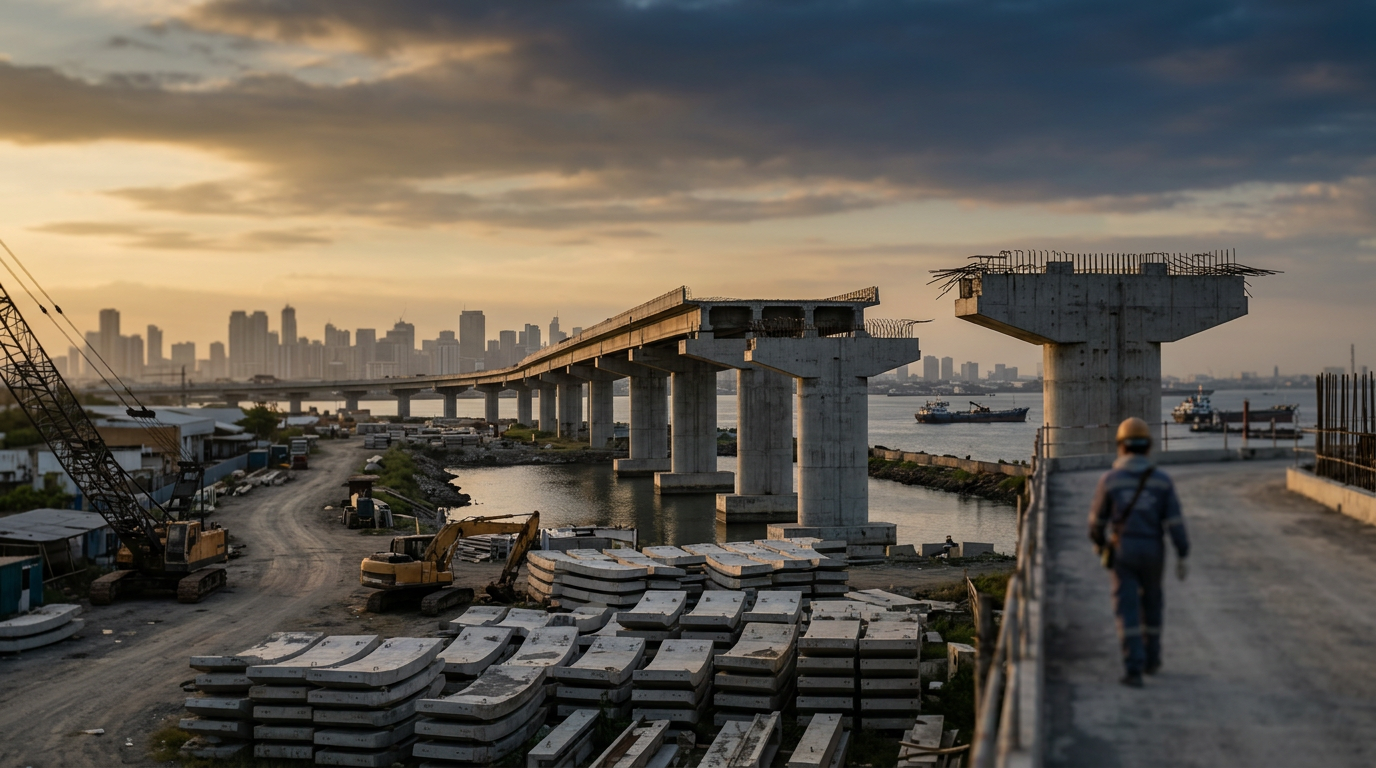
A recent warning from ANZ Research suggests that the Philippines' economic slowdown could be prolonged by weak infrastructure spending. The report, covered by philstar.com, points to a smaller-than-expected allocation for capital outlays as a primary cause for concern. This development in Manila highlights a persistent issue across Southeast Asia: the gap between ambitious infrastructure announcements and the reality of their execution. When projects are delayed or scaled back, it signals underlying institutional weaknesses that can deter investment and constrain growth far more than the initial budget figures might suggest.
The Ambition-Execution Gap
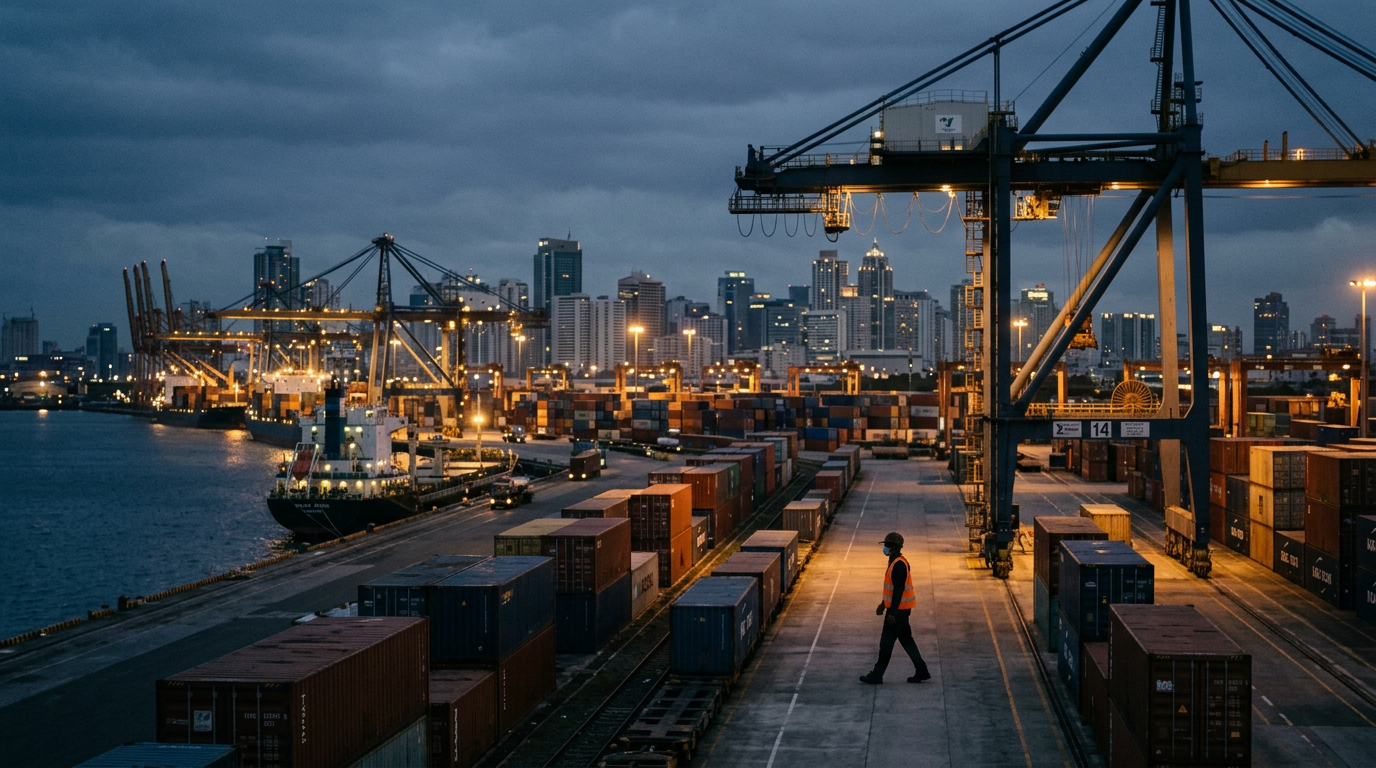
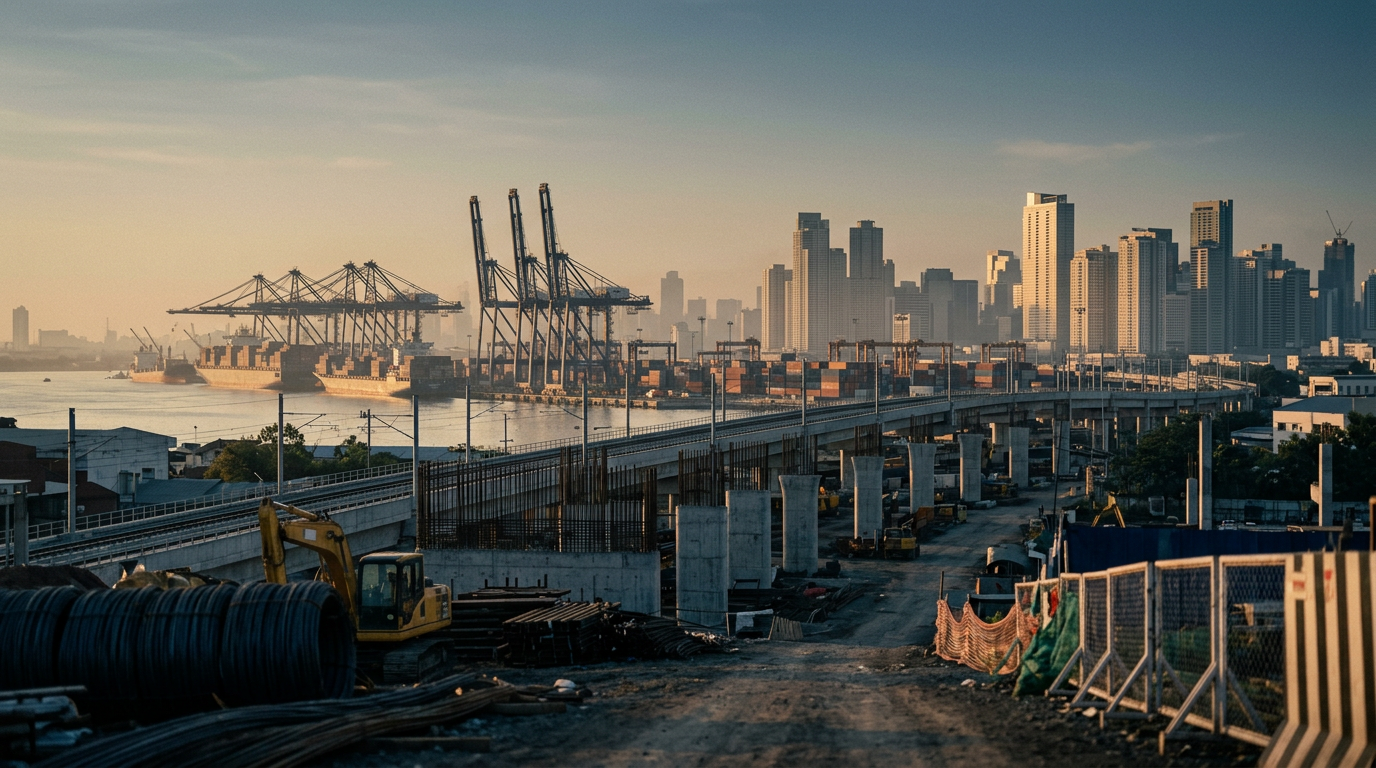
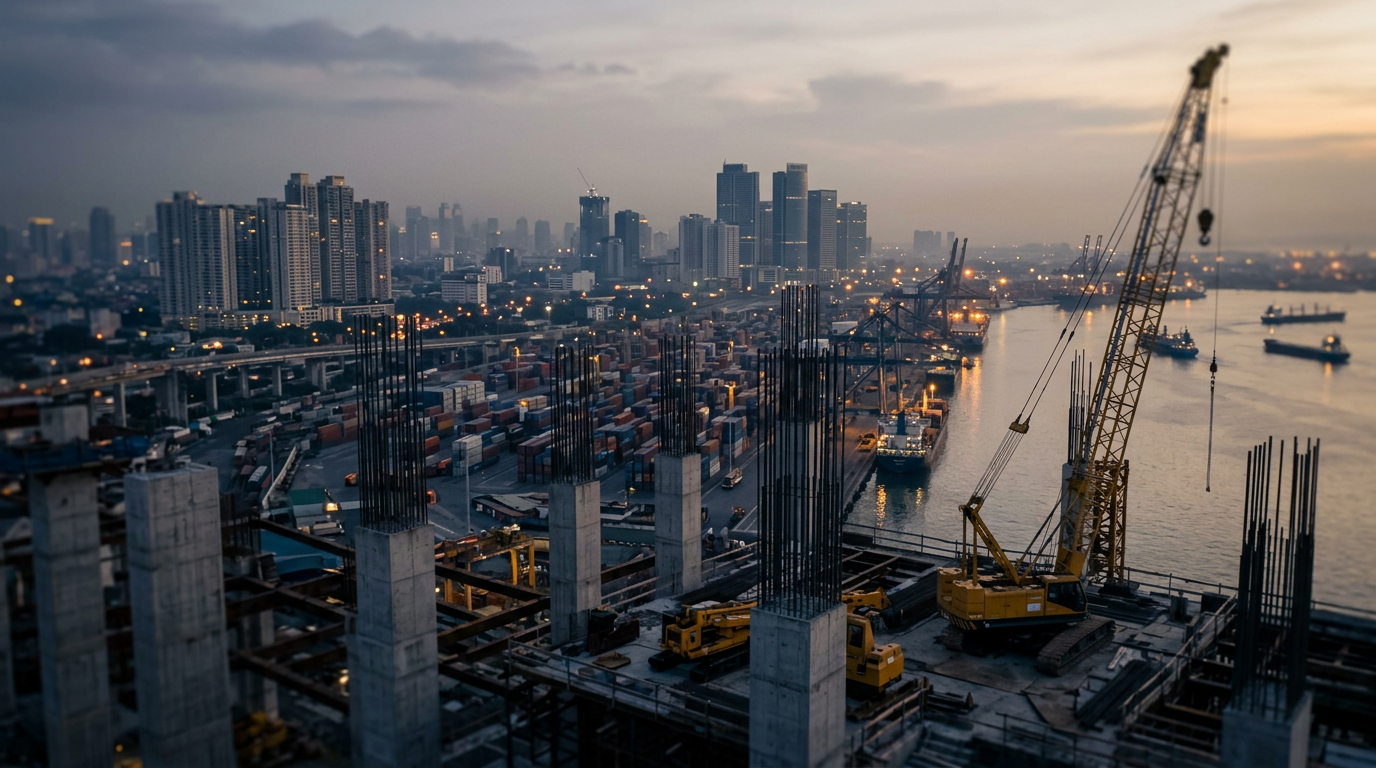
The Philippines is not alone in its struggle to translate infrastructure blueprints into concrete reality. The "Build, Build, Build" program, and its successor "Build, Better, More," represented a national commitment to overcoming logistical bottlenecks that have long hampered the country's economic potential. Yet, the path from announcement to completion is fraught with friction. The core issue often lies not in the vision but in the administrative machinery tasked with executing it. Procuring land, securing permits, managing contracts, and coordinating among various government agencies all require a high degree of state capacity.
As detailed in ASEAN Rising, the ability to deliver projects on schedule is a powerful indicator of a government's effectiveness. "Infrastructure that arrives on time signals more than infrastructure that is merely announced." When these processes are inefficient or opaque, they create delays that have a cascading effect on the economy. Foreign and domestic investors, who rely on predictable timelines and stable regulatory environments, may divert capital to markets where execution risk is lower. The result is not just a deficit of roads and ports, but a deficit of trust in the state's ability to follow through on its commitments.
State Capacity as Competitive Advantage
The challenges in the Philippines underscore a fundamental principle of modern economic competition: institutional reliability is a form of comparative advantage. In a region where multiple economies are vying for foreign direct investment, the quality of governance and the predictability of project execution are as important as labor costs or market size. A government that can efficiently manage complex infrastructure projects demonstrates a level of competence that resonates with international capital.
This is about the foundational elements of a functional state. The capacity to manage public finances, enforce contracts, and deliver public goods is what separates ambitious economies from successful ones. The ANZ report's focus on reduced capital outlays is a symptom of a deeper issue. When states struggle to spend the funds they have allocated-a phenomenon known as underspending-it often points to bottlenecks in planning and project management. This inability to absorb and effectively deploy capital is a significant drag on development, leaving promised economic benefits unrealized and eroding public confidence.
Infrastructure as a Regional Concern
While the news focuses on the Philippines, the implications are regional. Across ASEAN, nations are in a race to upgrade their infrastructure to support growing populations and expanding economies. From Indonesia's new capital city to Vietnam's north-south expressway, the scale of ambition is immense. However, these projects all depend on the quiet, essential work of capable institutions. The friction caused by bureaucratic inefficiency, regulatory uncertainty, and a lack of technical expertise is a common threat.
For ASEAN to realize its collective economic goals, member states must focus on building the institutional muscle required to execute these large-scale projects. This involves more than just allocating funds; it requires a sustained investment in the people, processes, and legal frameworks that govern public works. The alternative is a landscape of partially completed projects and a cycle of announcements that fail to deliver, ultimately hindering the region's long-term trajectory. What to watch:
Pay attention to public spending rates in the Philippines and neighboring countries. Watch for any reforms aimed at streamlining project approvals and procurement processes. A rise in project cancellations or a persistent pattern of underspending would indicate that foundational issues of state capacity are not being addressed, potentially leading investors to look elsewhere. Conversely, evidence of improved project execution and budget absorption would be a strong positive signal for the region.