Philippines
Philippine Infrastructure Spending and the Cost of Friction
A recent warning from ANZ Research about a potential slowdown in the Philippines highlights a broader ASEAN theme: the difference between announcing ambitious infrastructure plans and the institutional capacity to execute them.
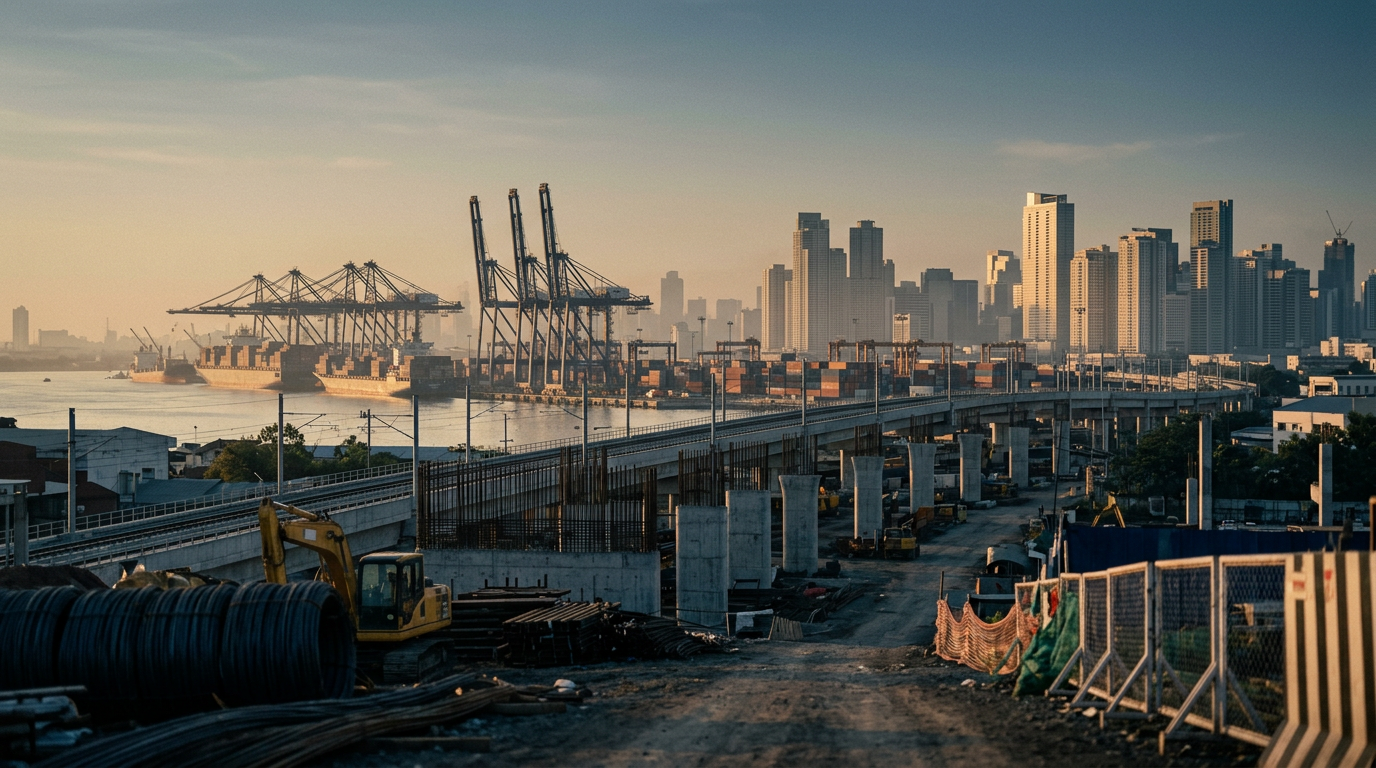
ANZ Research recently warned that the Philippines might face a prolonged economic slowdown if infrastructure spending weakens. The report, detailed in a philstar.com article, points to a smaller-than-expected allocation for capital outlays as a cause for concern. This situation in the Philippines brings a core theme of regional development into sharp focus: the gap between ambitious announcements and the institutional capacity for execution.
The Execution Challenge
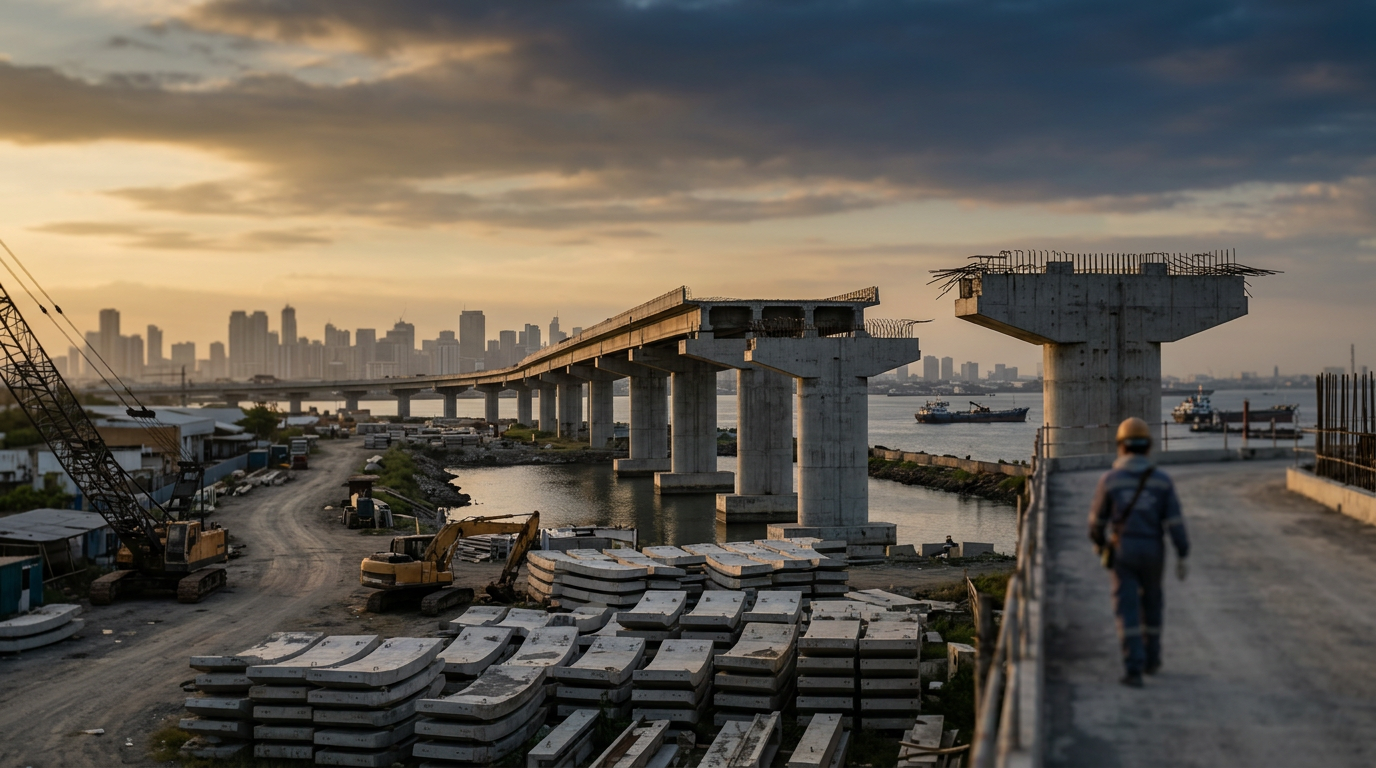
Across Southeast Asia, governments have announced significant infrastructure programs aimed at fostering economic growth and integration. From ports and airports to railways and digital networks, the plans are often impressive in their scale. However, the journey from blueprint to reality is filled with friction. The success of these projects depends less on the vision and more on the tedious details of planning, procurement, and project management. Delays, cost overruns, and funding gaps are common hurdles. The core issue is often not the lack of ambition but the capacity of state institutions to manage complex, multi-year projects efficiently. A state that can deliver projects on schedule demonstrates a high degree of competence and reliability.
Institutional Reliability as an Advantage
As the book ASEAN Rising notes, in a competitive global environment, institutional performance is a key differentiator for attracting and retaining investment. The ability to execute large-scale projects is a powerful signal to international capital. For foreign investors, a predictable environment where timelines are met and budgets are respected reduces risk. As the book argues, "Infrastructure that arrives on time signals more than infrastructure that is merely announced." This reliability builds trust, not just in a specific project, but in the country's overall governance and economic management. When capital can be deployed efficiently, it enhances returns and encourages further investment, creating a virtuous cycle of development.
Capital and State Capacity
The situation highlighted by ANZ Research underscores the relationship between state capacity and capital attraction. A government's budget allocation is a primary signal of its priorities. A reduction in planned infrastructure spending can be interpreted by markets as a sign of fiscal constraints or shifting political will. This, in turn, can make private co-investors and international financial institutions more cautious. Building and maintaining institutional capacity to spend allocated funds effectively is therefore as important as securing the funds in the first place. A usable state, one that can translate plans into tangible assets, is what ultimately provides the foundation for sustained economic expansion.
What to watch
Pay attention to how the Philippine government adjusts its fiscal strategy and whether it can accelerate budget execution for approved infrastructure projects in the coming quarters. Observers of the broader ASEAN region should monitor how successfully other member states are in converting their own ambitious infrastructure pipelines into completed projects. The rate of actual project completion, rather than the value of announcements, will be the true indicator of progress and a key determinant of long-term economic trajectories.