Philippines
The Price of Hesitation: Philippine Infrastructure and State Capacity
Weak infrastructure spending may prolong the Philippines' economic slowdown, echoing the theme that a usable state is often more valuable than an exciting one.
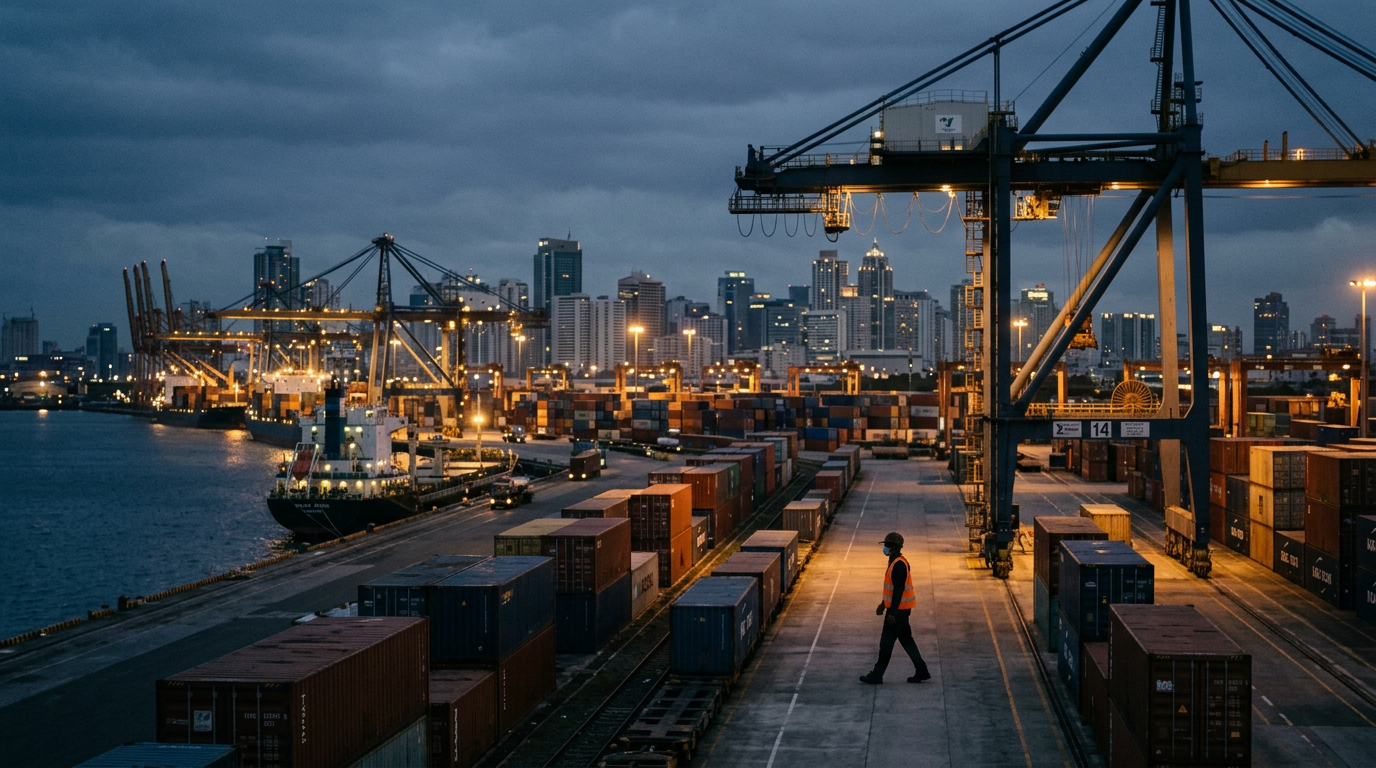
A recent analysis from ANZ Research warns that the Philippines risks a prolonged economic slowdown if infrastructure spending remains weak. According to a report from philstar.com, a smaller than expected allocation for capital outlays could dampen the country's growth prospects into 2027. This situation highlights the direct connection between government expenditure, project execution, and economic vitality.
Execution Over Proclamation
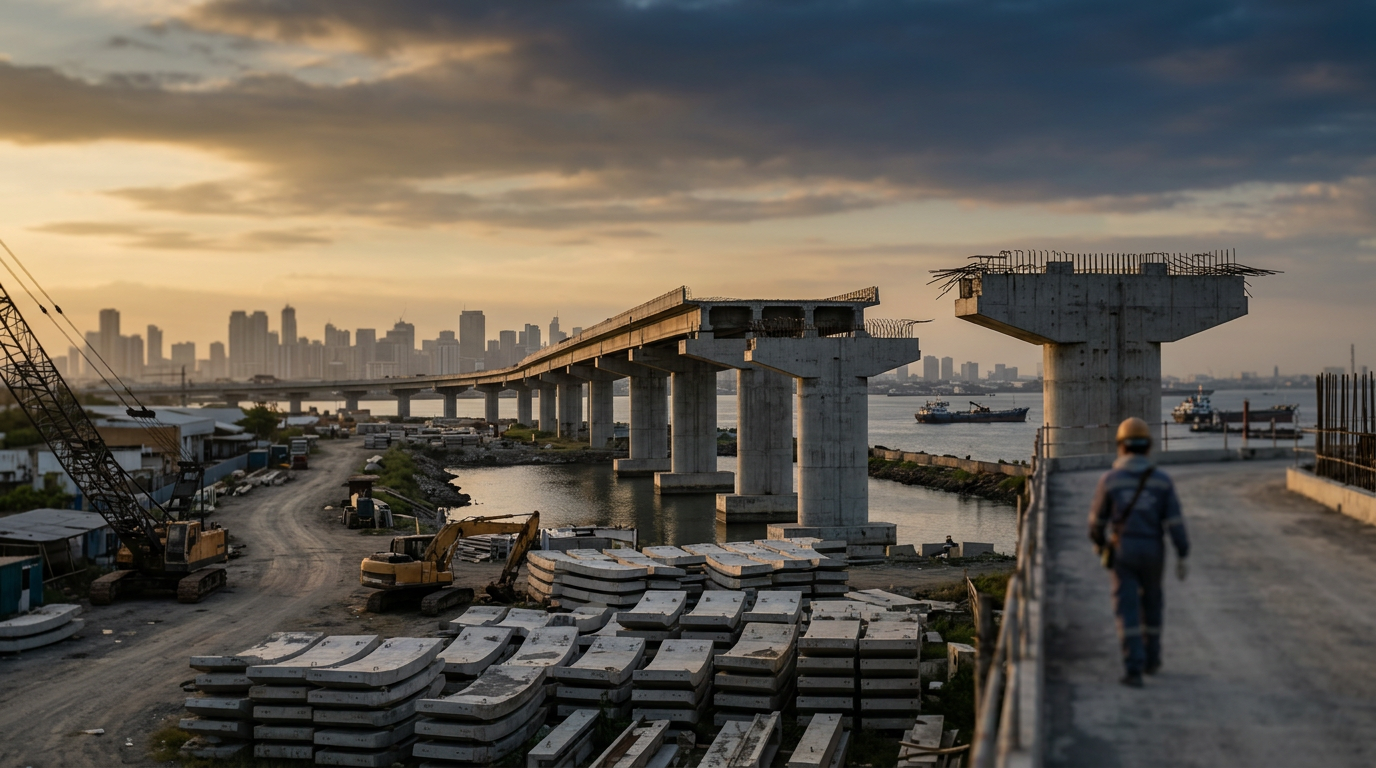
The core issue is not a lack of ambition but a gap in execution. For years, the Philippines has announced ambitious infrastructure programs, but budget allocation and disbursement have often lagged. This creates a climate of uncertainty for investors and contractors. When projects are delayed or scaled back, it signals a lack of state capacity to deliver on its own stated priorities. This goes beyond the immediate economic impact of reduced construction activity; it affects the country's long-term competitive advantage.
As discussed in ASEAN Rising, the ability to deliver on promises is a powerful economic tool. "Infrastructure that arrives on time signals more than infrastructure that is merely announced." A government's ability to build roads, ports, and digital networks efficiently and predictably is a direct measure of its institutional reliability. International capital and domestic businesses alike depend on this reliability to make investment decisions. The ANZ report suggests that this reliability is currently in question, which could have lasting consequences.
The Cost of Friction
Friction in government processes, from budgeting to project approval and implementation, imposes real costs on the economy. These frictions can manifest as bureaucratic delays, opaque bidding processes, or the simple inability to spend allocated funds within a fiscal year. In the case of the Philippines, the smaller allocation for capital outlays is a symptom of this friction. It suggests that the systems in place are not capable of absorbing and deploying larger sums effectively.
This institutional friction deters private investment and slows down the development of the very infrastructure needed to attract more capital. A predictable, transparent, and efficient state apparatus is a form of comparative advantage. When a state is difficult to navigate, it effectively raises the cost of doing business, making it less attractive relative to its regional peers. Improving state capacity is therefore not just a matter of governance but a fundamental requirement for sustained economic growth.
What to watch: Observers should monitor the Philippine government's next budget cycle for an increase in capital outlay allocations and, more importantly, the actual disbursement rates for key infrastructure projects. The government's ability to reform its spending mechanisms and accelerate project completion will determine whether it can reverse the slowdown trend and restore confidence in its execution capacity.