Philippines
The Infrastructure Imperative in the Philippines
A recent warning from ANZ Research highlights the risk of an economic slowdown in the Philippines due to weak infrastructure spending, a case that illustrates the book's arguments about the value of institutional reliability.
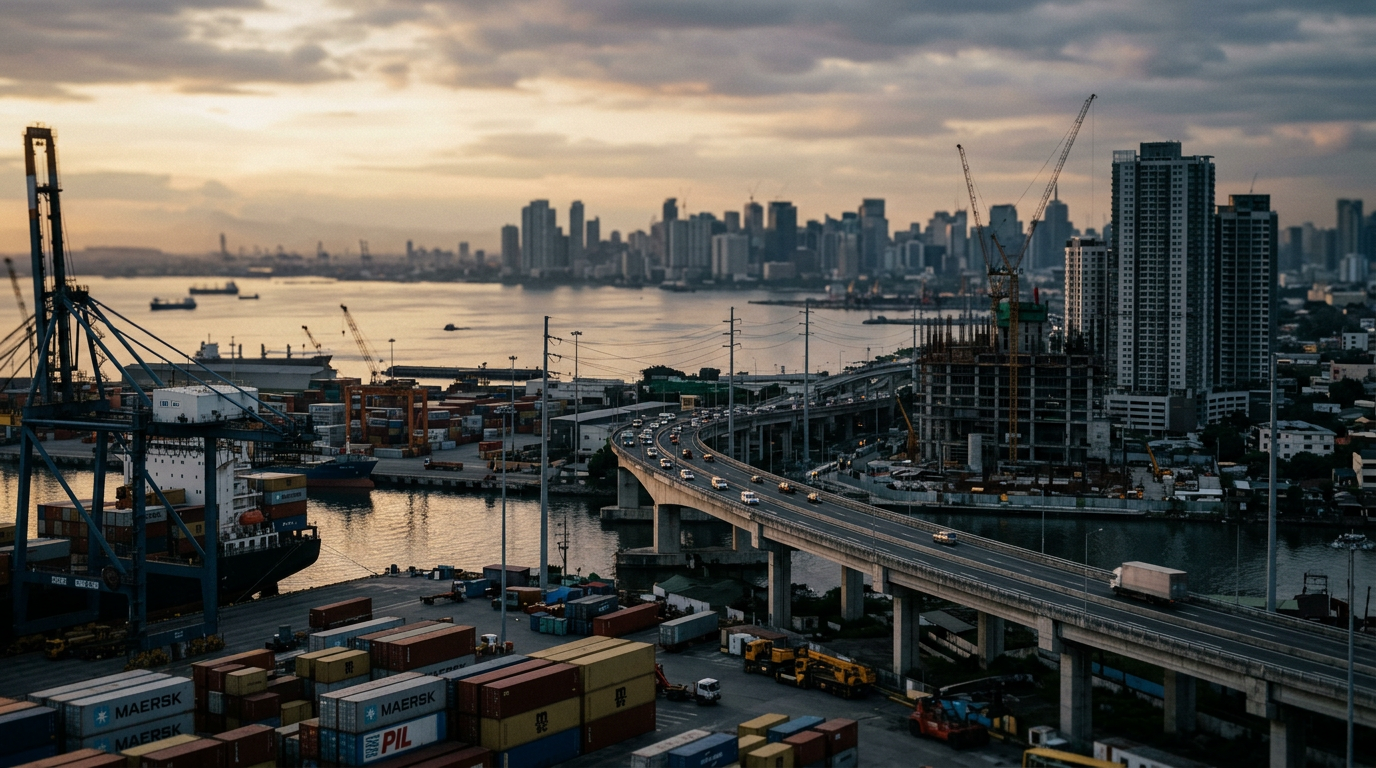
A recent report from ANZ Research warns that the Philippines risks a prolonged economic slowdown if infrastructure spending remains weak. The analysis, reported by philstar.com, points to a smaller-than-expected allocation for capital outlays in the national budget. This situation serves as a timely case study for the arguments made in the book ASEAN Rising regarding the foundational role of state capacity and project execution in driving sustainable economic growth.
The High Cost of Under-Investment
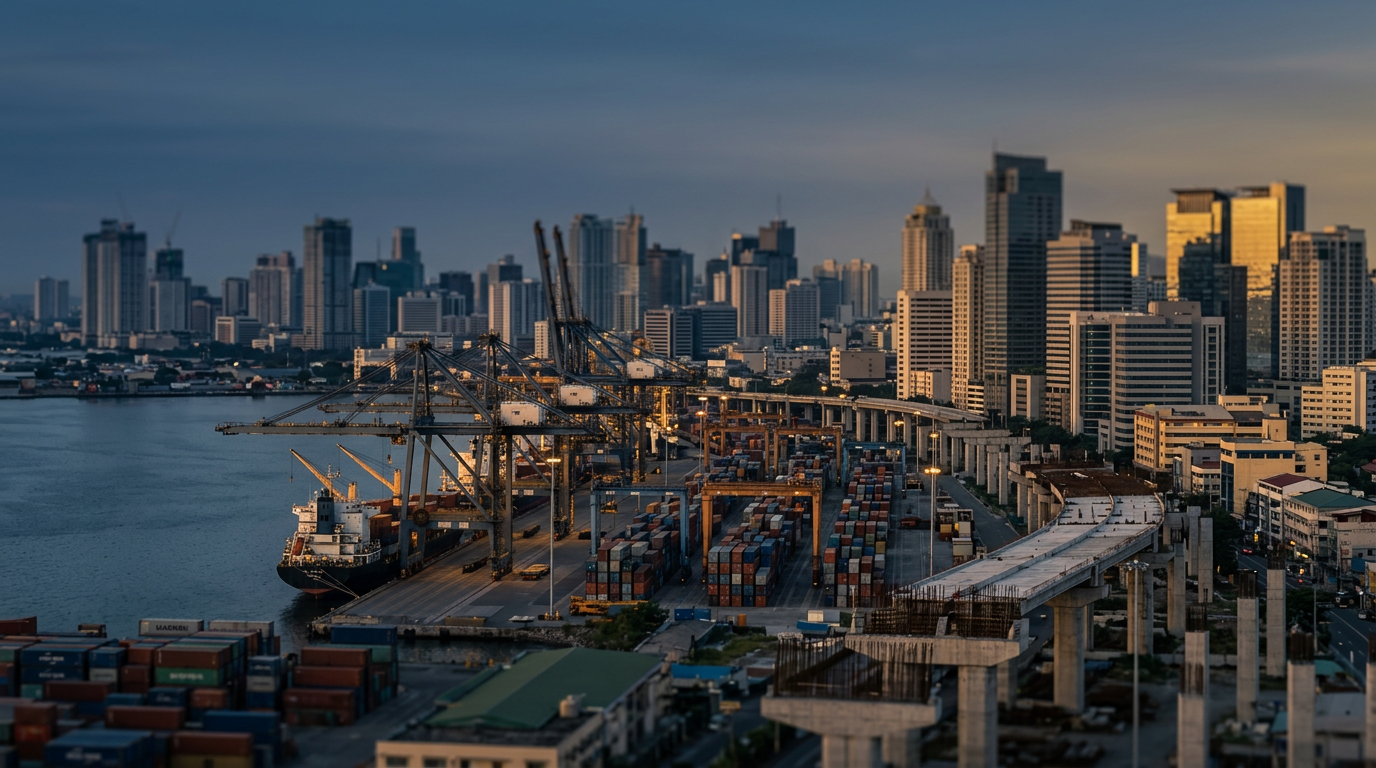
Under-spending on infrastructure is more than a line item in a budget; it has tangible consequences for economic momentum. When planned projects in transportation, energy, and digital connectivity are delayed or downsized, the cost of friction for businesses and individuals increases. Logistics become more expensive, supply chains become less reliable, and access to markets is constrained. This directly impacts a country's competitiveness and its ability to attract and retain foreign direct investment. The ANZ Research report suggests that without a course correction, the Philippine economy could feel these effects for years to come, potentially extending a slowdown into 2027.
Execution Over Announcements
Ambitious infrastructure programs are a common feature of economic planning across ASEAN. Grand announcements can generate positive headlines, but it is the steady, predictable execution of these projects that builds lasting economic value. The core message is one of practicality: "Infrastructure that arrives on time signals more than infrastructure that is merely announced." This quiet competence in project delivery demonstrates institutional reliability, which has become a significant factor in national comparative advantage. Investors and businesses look for predictability and a usable state, where contracts are honored and timelines are met. A history of consistent project completion is a powerful signal to capital markets.
Building State Capacity
Turning ambitious blueprints into completed projects requires robust state capacity. This is not just about securing financing but also about the technical and administrative capabilities within the government to manage large-scale, multi-year initiatives. It involves transparent procurement processes, effective project management, and the ability to coordinate between various national and local government agencies. For the Philippines and its neighbors, strengthening these institutional muscles is the central task. A government that can consistently deliver on its infrastructure promises is one that is building a durable foundation for long-term prosperity and resilience.
What to watch
Pay attention to the Philippine government's actual capital outlay figures in the coming quarters, as opposed to just the budgeted amounts. Observers should also monitor statements and plans from the Department of Budget and Management and the National Economic and Development Authority (NEDA) for any adjustments to spending priorities or strategies aimed at accelerating project execution. The real measure of progress will be the rate at which projects move from the planning stage to completion, directly impacting the country's economic trajectory.