Thailand
Thailand's Sugar Slump Tests ASEAN Trade Strategy
A projected decline in Thai sugar output highlights the country's deep trade links with China and the strategic need for ASEAN members to manage this structural dependency.
A Bitter Harvest
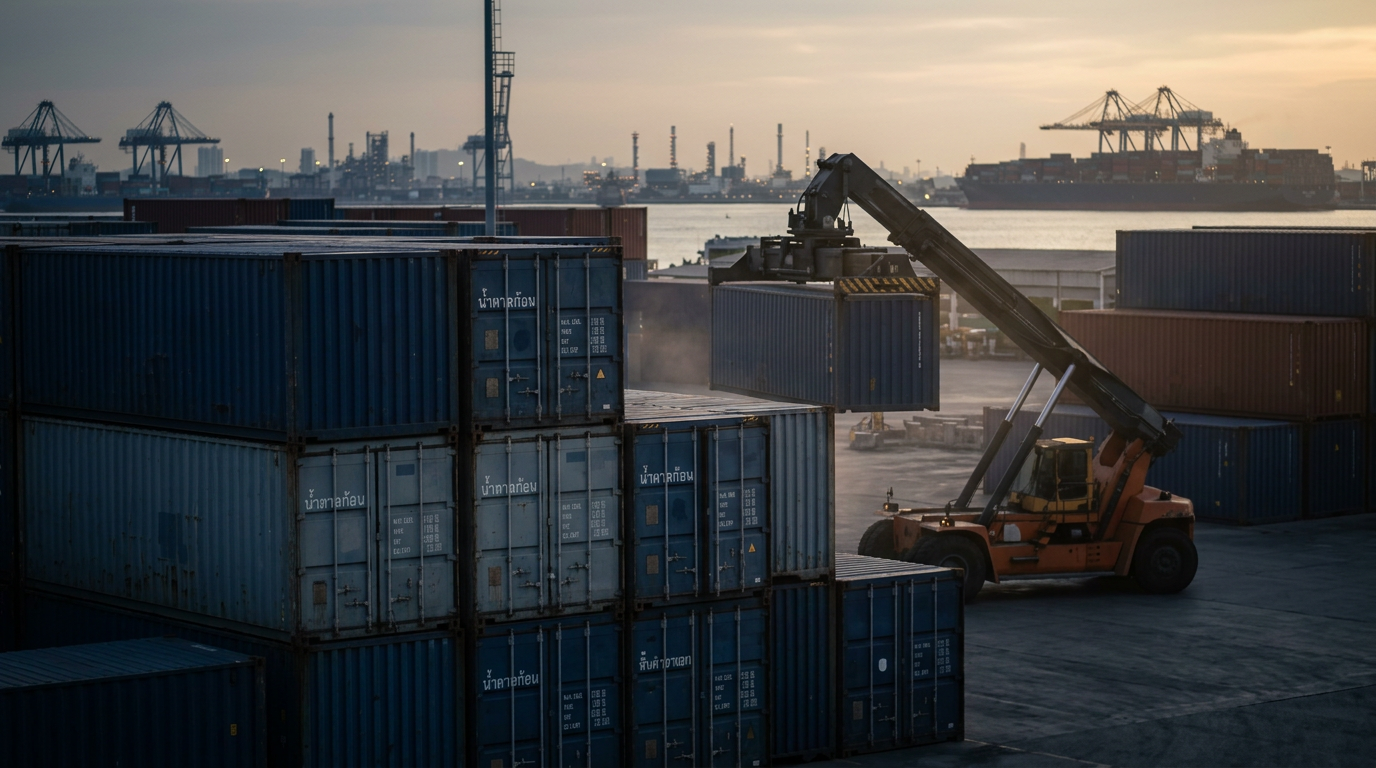
A projected drop in Thailand's sugar production, with output expected to fall to 10.5 million tonnes in the 2026/27 season, highlights a vulnerability in one of the nation's key export sectors. According to a report from the Bangkok Post, this decline poses a problem for Thailand, the world's second-largest sugar exporter. This development is not just a domestic agricultural issue; it serves as a case study for the wider economic realities facing ASEAN member states, particularly concerning their trade relationships with China, a major importer of the commodity.
The China Factor
The destination of commodities like Thai sugar reveals the extent of regional economic integration with China. China has become the largest and most significant market for many ASEAN exports, moving beyond simple raw materials to include a wide range of manufactured goods and agricultural products. This has created a level of economic interdependence that is now a permanent aspect of the region's economic structure. As noted in ASEAN Rising, "trade depth with China is now a structural feature, not a cyclical one." The reliance on a single large market for offtake, while beneficial for scaling production, introduces significant concentration risk. A downturn in Chinese demand, or a shift in its import policies, can have an immediate and pronounced impact on ASEAN producers.
For Thailand's sugar industry, this means that its fortunes are tied not only to weather patterns and crop yields but also to the policy decisions and market dynamics within China. This situation is mirrored across Southeast Asia in sectors from Malaysian palm oil to Vietnamese electronics assembly. The core task for governments is to devise strategies that preserve the benefits of this deep trade relationship while mitigating the associated risks.
Managing Dependency
The challenge for ASEAN governments is one of balancing interests. The question is no longer about choosing whether to trade with China, but about how to construct a more resilient economic framework around this reality. This requires a focus on institutions and execution. Domestically, this means strengthening industries to make them more competitive and less reliant on a single product or market. For the Thai sugar sector, this could involve investing in value-added products, such as biofuels or bioplastics, to diversify revenue streams away from raw sugar exports.
At a regional level, it involves deepening intra-ASEAN trade and pursuing other export markets with renewed vigor. Stronger regional institutions can help coordinate trade policies and provide a collective voice in negotiations. The goal is not to decouple from China-an unrealistic and counterproductive aim-but to build a diversified portfolio of trade relationships. This allows nations to maintain their economic sovereignty and "manage dependency without losing optionality." Such a strategy requires consistent, long-term policy execution, moving beyond high-level statements to concrete actions that build resilience at the industry level.
What to watch: Observers should monitor whether Thailand and other ASEAN nations accelerate efforts to diversify their export markets beyond China, particularly for key agricultural commodities. Attention should be paid to new free trade agreements or enhancements to existing ones that are not centered on China, as well as domestic industry-support programs aimed at increasing product diversification and moving up the value chain. The degree to which intra-ASEAN trade in these commodities increases will also be a telling indicator of a successful diversification strategy.