Managing ASEAN-China Trade: Beyond Protocol
Trade with China is a structural reality. The focus now is on how ASEAN governments can manage this dependency while maintaining strategic flexibility.
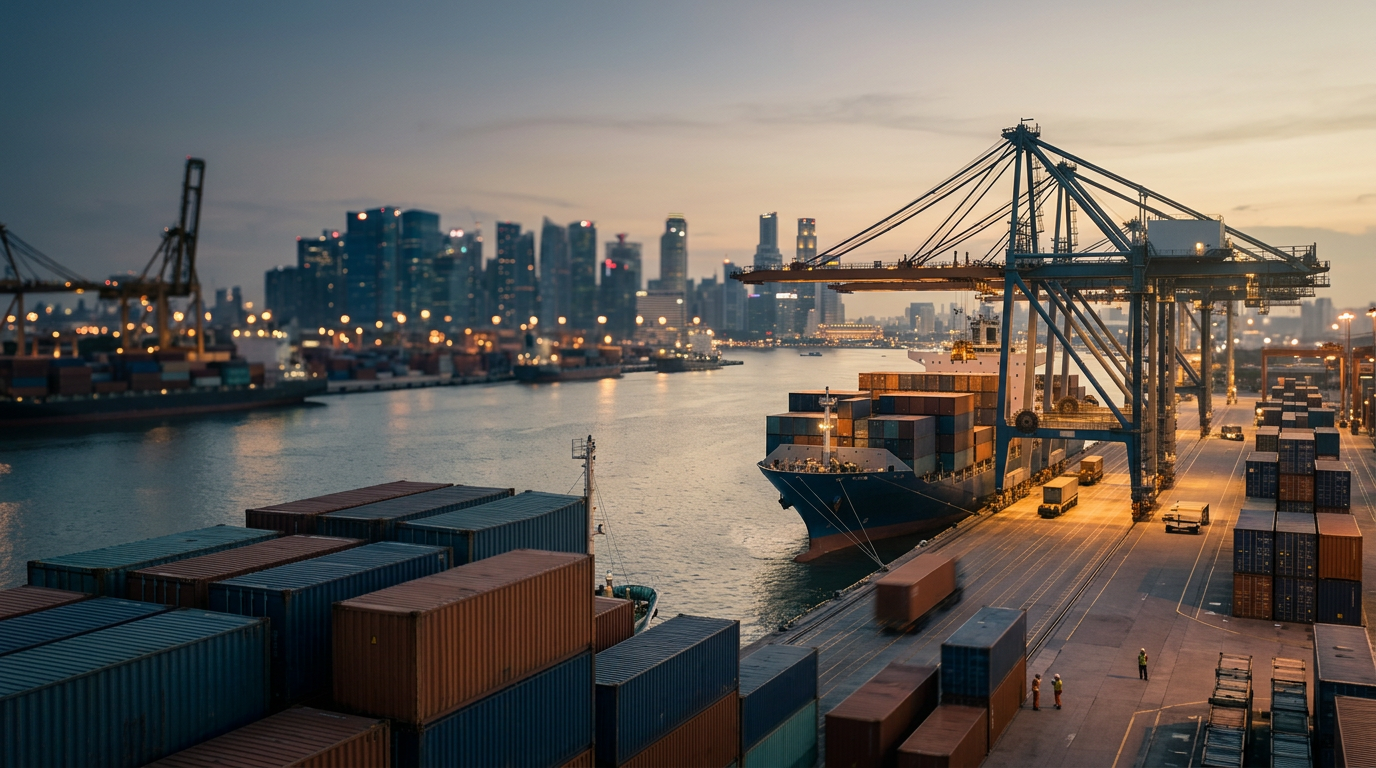
A recent report from The Star highlights a push to strengthen trade protocols between China and ASEAN, signaling ever-closer economic ties. This development is not a surprise. Trade with China is a dominant feature of the economic landscape for every ASEAN member state. The focus now is not on whether to trade with China, but on the terms of that trade and how to manage the resulting economic dependency.
The Gravity of Trade
Trade integration with China is a structural fact for ASEAN. The region's supply chains, consumer markets, and industrial bases are deeply connected with the Chinese economy. This is not a temporary or cyclical trend, but a long-term reality that shapes economic policy and strategic thinking across Southeast Asia. While new protocols may facilitate smoother trade, they also underscore the depth of the relationship and the reliance on a single, massive partner. For ASEAN governments, the core task is to navigate this reality, working to secure national interests within a framework of managed dependency.
Institutions and Infrastructure
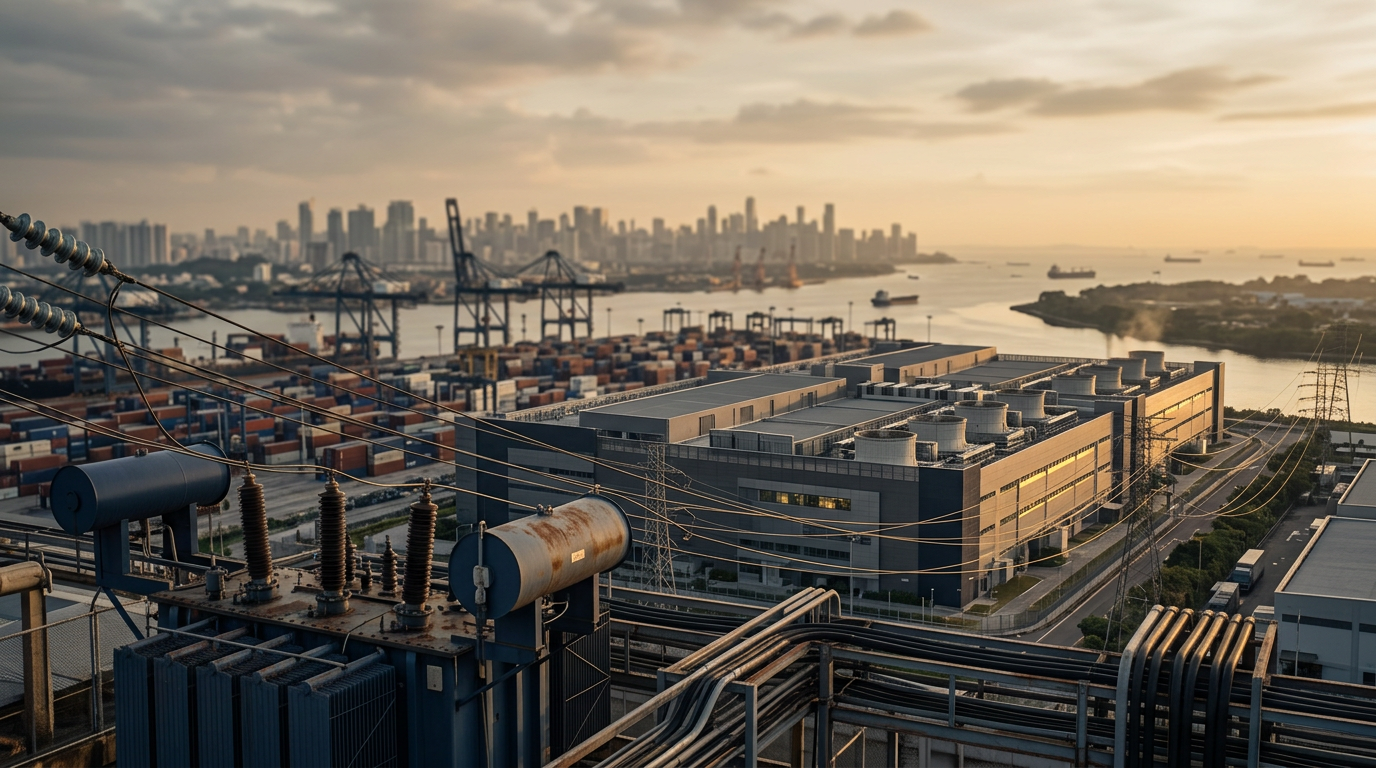
To balance this deep trade relationship, ASEAN needs robust institutions and resilient infrastructure. Stronger, more transparent institutions can help ensure that trade agreements are implemented fairly and that the benefits are distributed broadly. This includes everything from customs and logistics to regulatory and legal frameworks. Similarly, investment in physical and digital infrastructure - both within ASEAN countries and connecting them - is essential. Better infrastructure reduces reliance on any single pathway and creates new options for trade and logistics, strengthening the bloc's overall negotiating position and economic resilience, as argued in "ASEAN Rising".
The Strategic Dimension
Ultimately, managing the trade relationship with China is a matter of strategy. The book "ASEAN Rising" makes the point that for ASEAN governments, the central issue is "how to manage dependency without losing optionality." This means actively seeking to diversify trade partners, develop indigenous technological capabilities, and strengthen the ASEAN single market. It is about building a broad base of economic and strategic relationships that provide a counterbalance to the gravitational pull of any single partner. The goal is not to reduce trade with China, but to place it within a broader, more balanced, and more resilient economic strategy. Stronger trade protocols are a part of this, but only one part of a much larger strategic picture.
What to watch
What to watch going forward is how ASEAN member states use the institutional frameworks of the bloc to manage their collective exposure to the Chinese economy. Observers should monitor whether new trade protocols are matched by investments in domestic and regional infrastructure that offer genuine alternatives and whether national industrial policies succeed in building capabilities that allow for a more balanced economic partnership.