Philippines
The Price of Power in the Philippines
The high cost of electricity in the Philippines is more than a line item on a budget; it is a fundamental obstacle to investment and a drag on the country's economic ambitions.
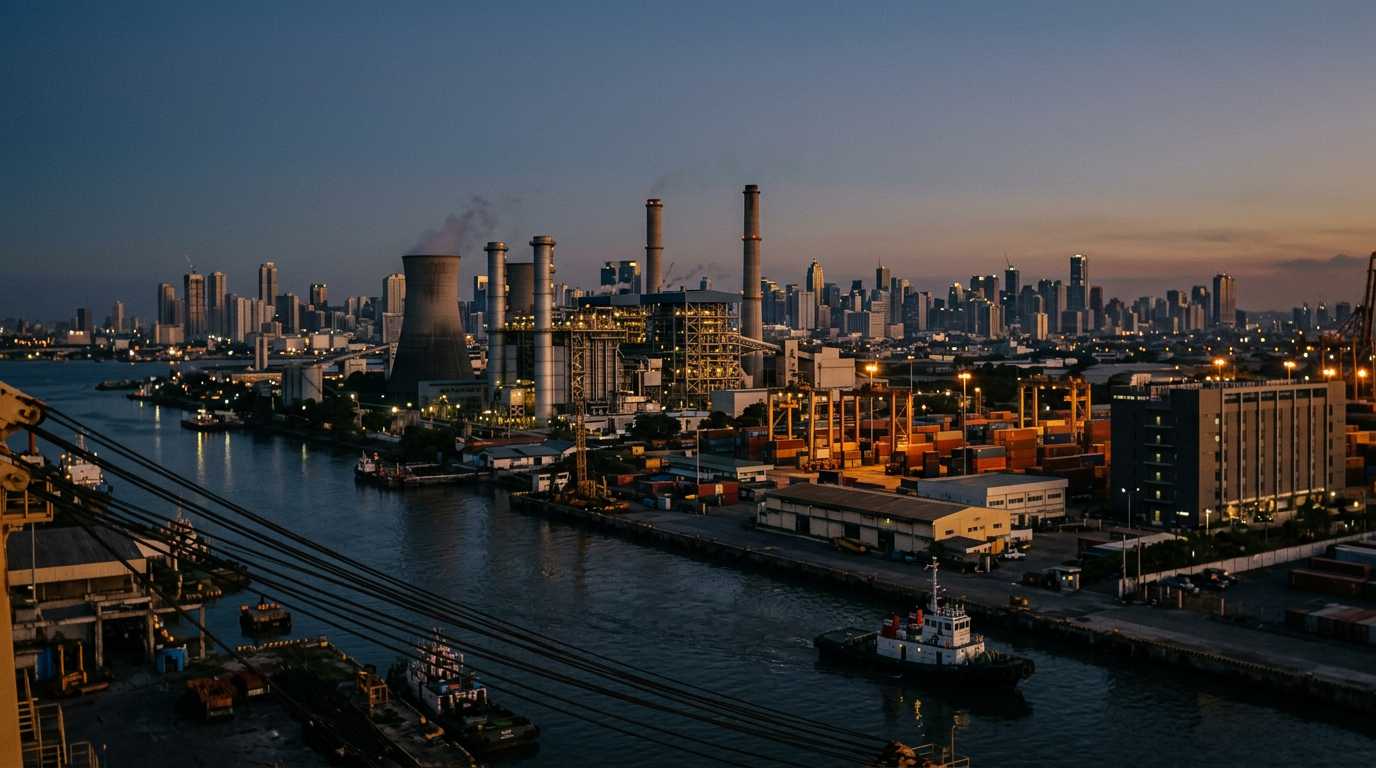
A recent report from philstar.com highlights a persistent challenge for the Philippine economy: the high cost and unreliable supply of electricity. This issue is cited as a significant deterrent for foreign investors, particularly in the manufacturing sector, and undermines the competitiveness of local exporters. While the problem is not new, its consequences are becoming more pronounced as the Philippines seeks to attract a larger share of global investment.
The Infrastructure Barrier
Reliable and affordable electricity is a foundational component of modern economic infrastructure. For manufacturers, energy costs are a direct input into production. When these costs are substantially higher than in neighboring countries, it erodes the Philippines' value proposition. Foreign firms evaluating potential sites for new factories will factor in the total cost of operations, and expensive power can be a deal-breaker. The report indicates that this is not a theoretical concern but an active factor discouraging investment today.
This situation illustrates a core theme from the book ASEAN Rising: the execution of infrastructure projects is a powerful signal to capital. The book argues that "infrastructure that arrives on time signals more than infrastructure that is merely announced." The simple availability of a power grid is not enough; its reliability and cost-effectiveness are what matter to businesses. An unstable or expensive power supply acts as a daily tax on doing business, creating friction that slows down economic activity and discourages long-term capital commitments. The problem is not a lack of ambition or announcements, but a shortfall in execution that has tangible economic consequences.
State Capacity and a Usable State
The challenge of providing affordable energy is directly linked to the concept of state capacity. This refers to the government's ability to effectively plan, finance, regulate, and deliver public goods and services. In the energy sector, this includes managing a complex mix of power generation sources, ensuring the grid is robust and modern, and implementing regulatory frameworks that encourage efficiency and fair pricing. The persistence of high electricity costs suggests underlying institutional weaknesses in these areas.
Building a more "usable state," as discussed in ASEAN Rising, is essential to overcoming these hurdles. A usable state is one that provides a predictable and reliable environment for businesses to operate. This is often more valuable to investors than one that offers grand but unrealized plans. For the Philippines, tackling the power issue requires a concerted effort to address the root causes, whether they lie in regulatory bottlenecks, a lack of competition in the generation sector, or delays in upgrading transmission infrastructure. It is a long-term institutional project that is fundamental to the country's comparative advantage.
What to watch
The Philippine government's approach to energy sector reform will be a key indicator of its ability to address deep-seated economic challenges. Investors will be watching for concrete policy changes and their impact on electricity prices and supply stability. The success or failure of these efforts will influence not just the manufacturing sector but the broader trajectory of foreign investment and economic development in the country. Progress in this area would signal a strengthening of state capacity and an improvement in the country's ability to compete for global capital.