Indonesia
China-ASEAN Trade: Managing Dependency
The 23rd China-ASEAN Expo in Nanning highlights the enduring depth of the trade relationship. For ASEAN, the focus shifts from engagement to managing dependency and retaining strategic options, a central theme from the book "ASEAN Rising".
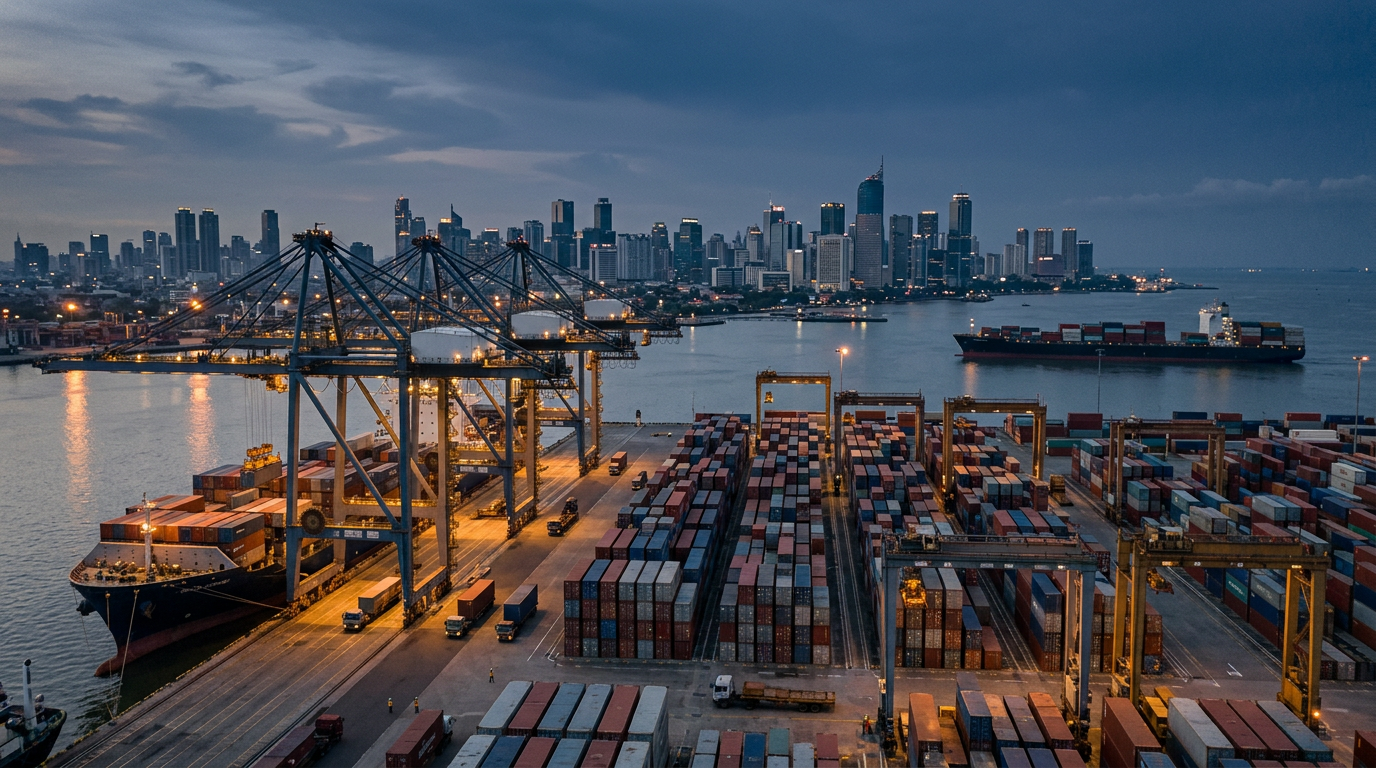
The recent 23rd China-ASEAN Expo (CAEXPO) in Nanning, China, where the ASEAN Secretary-General delivered opening remarks, serves as a timely reminder of the deeply integrated economic relationship between the two partners. According to a report from ASEAN.org, the event underscored the mutually reinforcing nature of this trade corridor, particularly with negotiations for the ASEAN-China Free Trade Area (ACFTA) 3.0 underway. While the expo celebrates record trade volumes, it also brings a core strategic question for the Southeast Asian bloc into sharp focus: how to manage the opportunities of proximity and scale while mitigating the risks of over-reliance.
The Structural Nature of Trade Depth
The economic relationship between ASEAN and China is no longer a matter of cyclical trends but a permanent feature of the global trade landscape. The sheer volume and complexity of goods, capital, and data flowing between them have created a structural dependency. As detailed in the book ASEAN Rising, this integration presents both immense benefits and significant policy challenges. The book notes that for governments in the region, the debate has moved beyond simple engagement. The operative question is now one of strategic management.
Discussions at CAEXPO around the ACFTA 3.0 upgrade, which aims to broaden cooperation into areas like the digital economy, the green economy, and supply chain connectivity, illustrate this point. These new domains offer pathways for growth but also deepen the entanglement. For ASEAN, building institutional capacity to engage with China on technical standards, data governance, and dispute resolution is not just an administrative task; it is a strategic imperative for maintaining its economic sovereignty and bargaining power.
Institutions and Optionality
While China is a single actor, ASEAN operates as a collection of ten distinct member states. This asymmetry shapes the execution of their joint economic agenda. The success of ACFTA 3.0 will depend on ASEAN's ability to harmonize its internal regulations and present a coherent institutional front. Without this, the bloc risks having its economic agenda dictated by its larger partner, with agreements implemented on a bilateral and fragmented basis rather than a regional one.
The concept of "managed dependency without losing optionality" is central to ASEAN's long-term strategy. This means diversifying trade relationships and strengthening partnerships with other major economies like the United States, the European Union, Japan, and India. It also involves building resilience within ASEAN itself by improving internal supply chains and fostering a more robust intra-ASEAN market. The goal is not to decouple from China, which is unrealistic and undesirable, but to create a balanced economic portfolio that provides a buffer against external shocks and political pressure.
What to watch
The progress of the ACFTA 3.0 negotiations will be a key indicator of ASEAN's ability to shape its economic future with China. Observers should monitor the specific terms of the agreement related to the digital and green economies, as these will set precedents for future cooperation. Equally important will be the investments ASEAN members make in their own institutional capacity to implement these new agreements and the tangible steps they take to deepen other international economic partnerships, ensuring that their engagement with China remains a component of a broader, diversified strategy.