Philippines
Philippine VAT Ruling Eases Exporter Rules, Highlights Trade Management Challenge
New VAT refund rules for Philippine exporters highlight a tension across ASEAN: how to balance an open trade posture with the need for strong domestic institutions. The policy change aims to ease burdens on exporters but also reveals the administrative complexities of managing.
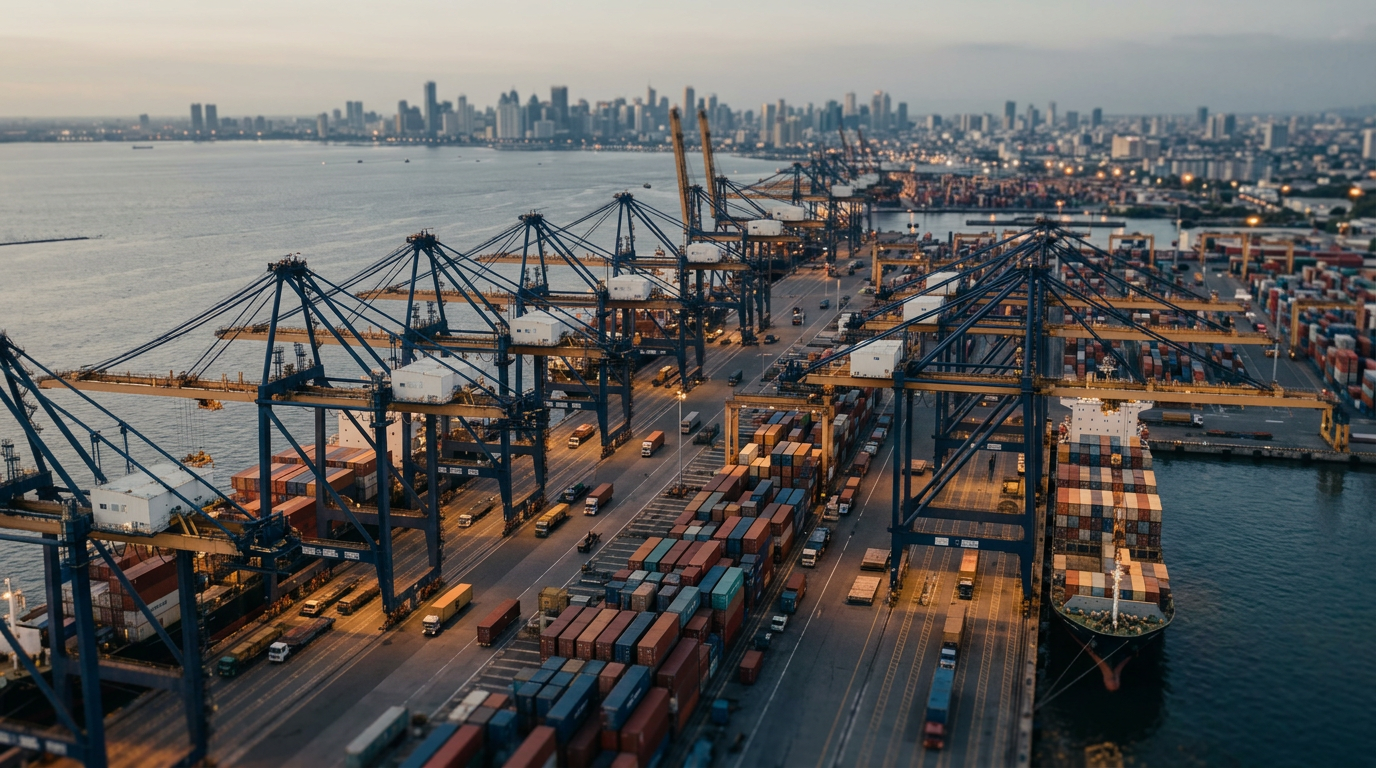
A recent ruling by the Philippine Bureau of Internal Revenue (BIR) provides a telling example of the institutional challenges that ASEAN member states face as they navigate an increasingly complex global trade environment. As reported by philstar.com, the BIR will now permit qualified export-oriented firms to claim value-added tax (VAT) refunds on their inputs while their applications for zero-rating status are pending with the Department of Trade and Industry. This administrative change is designed to ease the cash flow burdens on exporters, a vital segment of the Philippine economy.
Institutions and Execution
The BIR's decision underscores the critical role of state institutions in facilitating trade. On the surface, the move is a procedural adjustment aimed at improving the ease of doing business. By allowing companies to pursue VAT refunds without waiting for final certification, the government is acknowledging an administrative bottleneck and attempting to provide a practical workaround. This reflects a common theme across ASEAN: the success of economic policy is not just about its formulation, but its execution. Efficient, transparent, and predictable administrative processes are fundamental to building a competitive export sector.
However, the need for such a workaround also points to deeper issues in institutional capacity. The delay in securing zero-rating certifications that necessitates this policy is a symptom of administrative friction. For exporters, these delays represent a direct cost and a source of uncertainty, impacting their ability to compete on the international market. While the refund mechanism is a welcome relief, it is a reactive measure. The more durable solution lies in streamlining the certification process itself, which requires robust inter-agency coordination and investment in administrative infrastructure.
Managing Dependency in Global Trade
This policy tweak in the Philippines fits into a much larger regional narrative about managing trade relationships, particularly with major economic partners. The core issue, as detailed in ASEAN Rising, is that deep trade integration is now a structural reality for the region. For many ASEAN economies, the primary question has evolved from whether to engage with global economic giants to how to manage the resulting dependencies effectively. The book notes that for ASEAN governments, the challenge is "how to manage dependency without losing optionality."
Policies like the BIR's VAT refund system are part of this management calculus. They are domestic instruments that can help fortify local enterprises, making them more resilient to the pressures of global competition and the administrative burdens of compliance. By reducing the financial strain on exporters, the Philippine government can help them invest in productivity, talent, and innovation. This, in turn, strengthens their position within global value chains and enhances the country's overall economic sovereignty. It is a micro-level reform with macro-level implications, illustrating how a nation can adjust its internal settings to better navigate its external trade relationships.
What to watch: Observers should monitor the actual implementation of the new BIR rules to see if they genuinely accelerate cash flow for exporters or create new administrative hurdles. The volume and speed of VAT refunds processed under this new circular will be a key indicator of the government's execution capacity. Furthermore, attention should be paid to any corresponding efforts by the Department of Trade and Industry to address the root cause of the delays in zero-rating certification, as this will signal a more strategic, long-term approach to strengthening the Philippines' trade infrastructure.