Philippines
The Price of Inaction on Philippine Infrastructure
A recent warning from ANZ Research about a potential slowdown in the Philippines highlights the long-term economic cost of underinvestment in infrastructure.
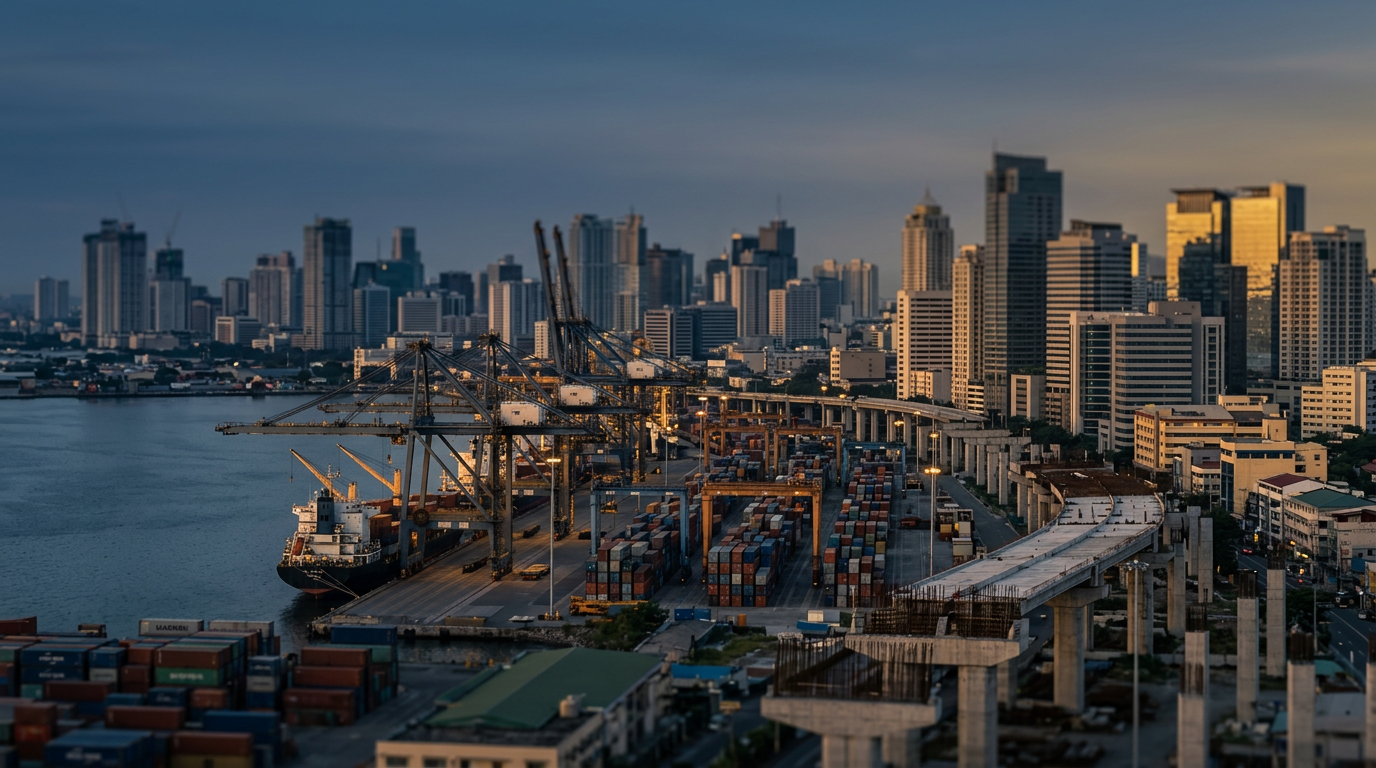
A recent report from ANZ Research warns that the Philippines could face a prolonged economic slowdown if infrastructure spending remains weak. The analysis, reported by philstar.com, points to a smaller-than-expected allocation for capital outlays in the national budget, suggesting that a continued pattern of underinvestment could temper growth prospects through 2027. This aligns with a core theme of ASEAN development: the ability to execute on planned projects is a foundational measure of state capacity and a driver of durable economic advantage.
The Execution Gap
Announcing ambitious infrastructure programs is a common feature of economic planning across Southeast Asia. The Philippines, with its "Build, Better, More" program, is no exception. These initiatives aim to address real deficits in transportation, energy, and digital connectivity that hinder commerce and raise costs for businesses and consumers alike. However, the gap between announced intentions and completed projects is where economic friction accumulates.
As discussed in ASEAN Rising, the simple act of building physical assets on schedule sends a powerful signal to domestic and international investors. It demonstrates a government's ability to navigate complex administrative, financial, and political hurdles. When budgets are trimmed or projects are delayed, the opposite signal is sent. It suggests a lack of institutional resolve, which can lead to investor caution and a higher risk premium being priced into future capital commitments.
State Capacity and Competitive Advantage
In an increasingly integrated global economy, the quality of a nation's institutions is a significant component of its competitiveness. For the Philippines, a persistent lag in infrastructure development translates directly into higher logistics costs, which makes its exports less competitive and its domestic market more expensive to serve. It also hampers the growth of service industries, such as tourism and business process outsourcing, which rely on dependable power and data infrastructure.
The book emphasizes that "institutional reliability has become part of comparative advantage." A government that can consistently deliver on its infrastructure promises creates a stable and predictable environment. This predictability is often more valuable to long-term investors than the promise of high but uncertain returns. A usable state, one that can effectively build and maintain the backbone of a modern economy, fosters a level of trust that ambitious blueprints alone cannot.
The Cost of Friction
The economic slowdown foreseen by ANZ Research is a tangible manifestation of this friction. When infrastructure projects stall, the anticipated gains in productivity and efficiency do not materialize. Congested ports, unreliable power grids, and slow internet speeds act as a tax on the entire economy, eroding profitability and slowing the pace of new business formation. Over time, this cumulative drag can significantly lower a country's long-term growth trajectory.
For the Philippines, the challenge is not a lack of viable projects or a shortage of private sector interest. The core issue is often the capacity of public institutions to manage the procurement, permitting, and construction phases efficiently. Overcoming these administrative bottlenecks is as important as securing the initial financing. It requires a sustained focus on improving state capacity and ensuring that the agencies responsible for project execution are well-resourced and empowered to deliver.
What to watch: Observers should monitor the Philippine government's actual disbursements for capital outlays in the coming quarters, not just the budgeted amounts. A consistent trend of spending below targeted levels would validate concerns about an execution deficit and its potential impact on GDP growth. Attention should also be paid to any administrative reforms aimed at accelerating project timelines and reducing bureaucratic friction for major infrastructure works.