Vietnam
Vietnam's Infrastructure Test: From Lobster Imports to State Capacity
A surge in Canadian seafood imports highlights the growing importance of infrastructure and institutional reliability in Vietnam, putting the spotlight on the execution of major national projects.
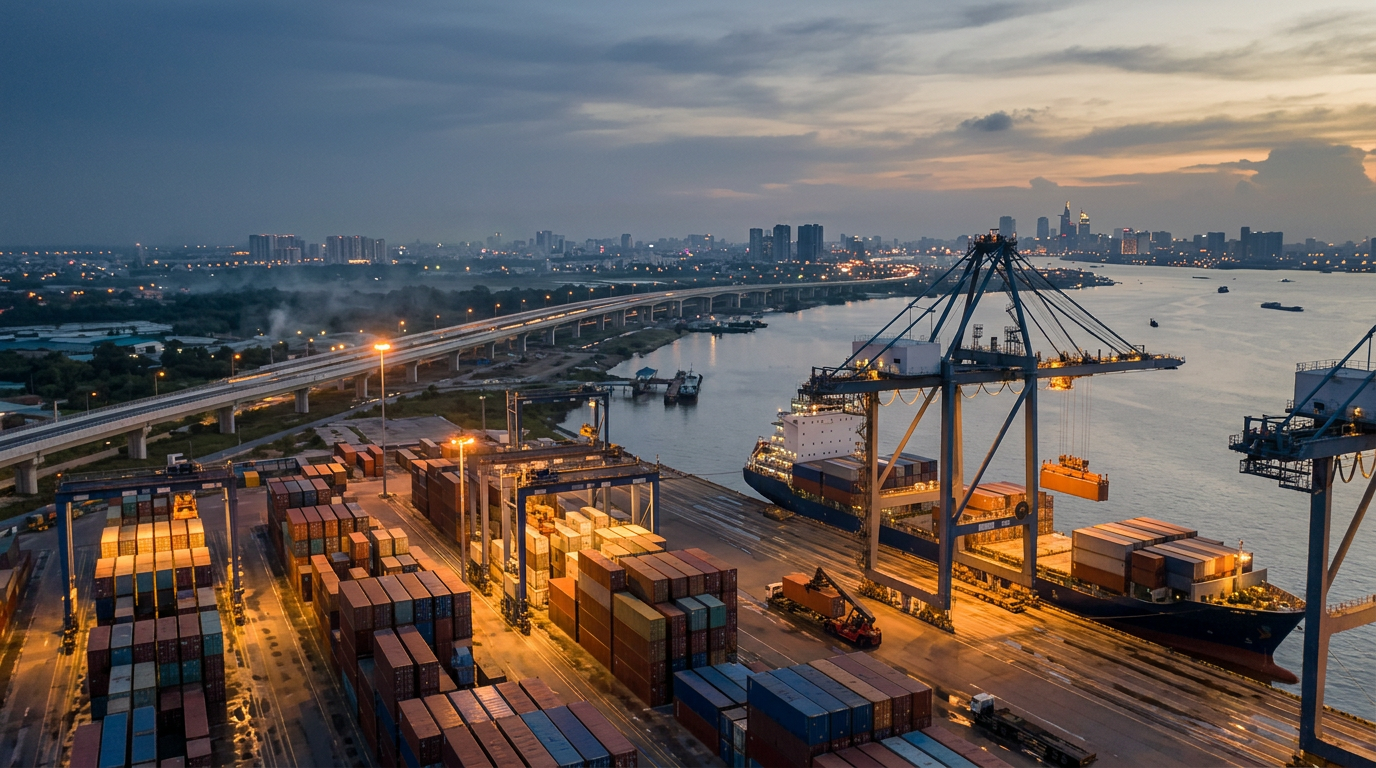
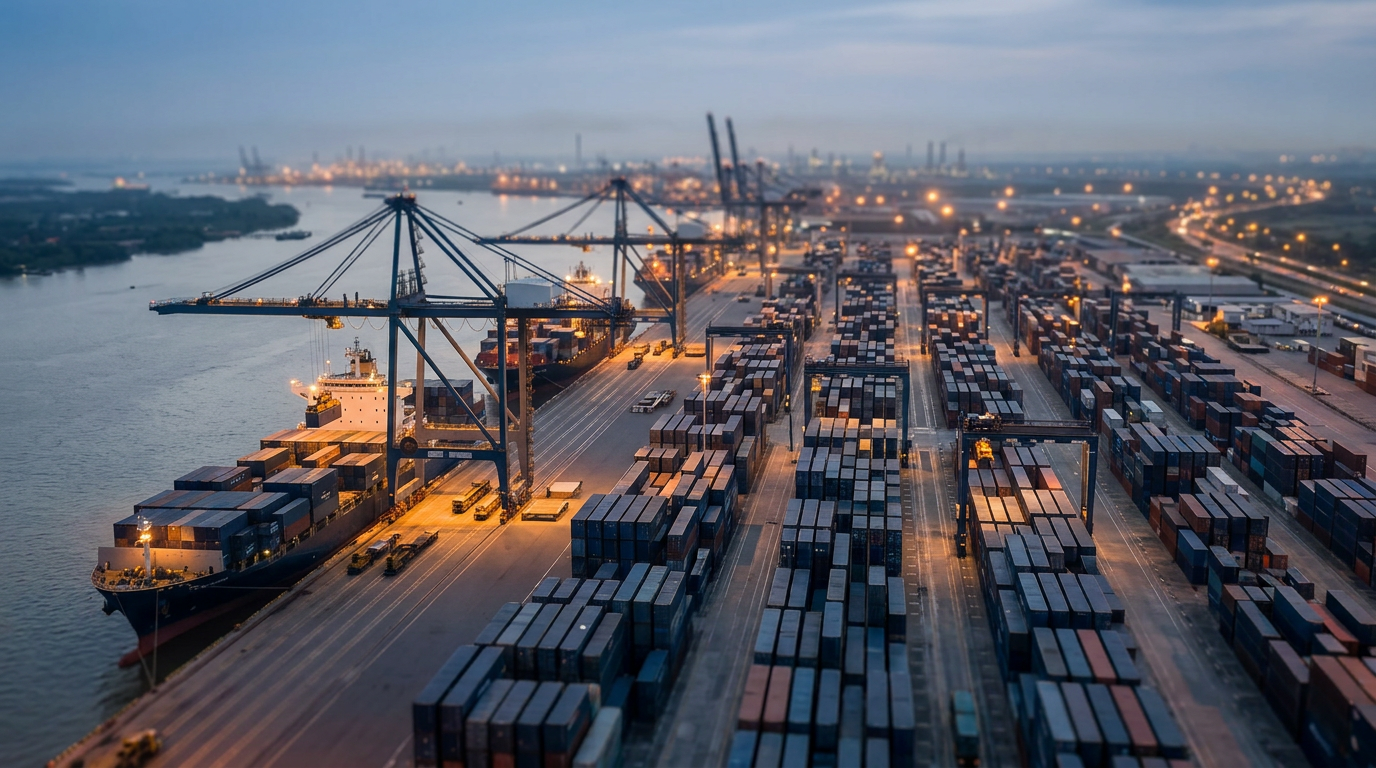
A recent report that Vietnam's seafood imports from Canada have surged nearly 40 percent in two years, driven by demand for lobster and snow crab, offers a useful lens on the country's infrastructure and institutional progress. The article, "Canadian seafood imports surge 40% as lobster, snow crab gain favor in Vietnam" from VNExpress, points to a thriving consumer market and evolving tastes. More than that, it shows the tangible results of logistics networks, cold chain capacity, and trade facilitation. Getting high-value, perishable goods from North America to Vietnamese consumers is not a trivial exercise. It requires functional ports, efficient customs, and reliable inland distribution. This growing trade reflects the quiet successes of past infrastructure investments.
The Execution Gap
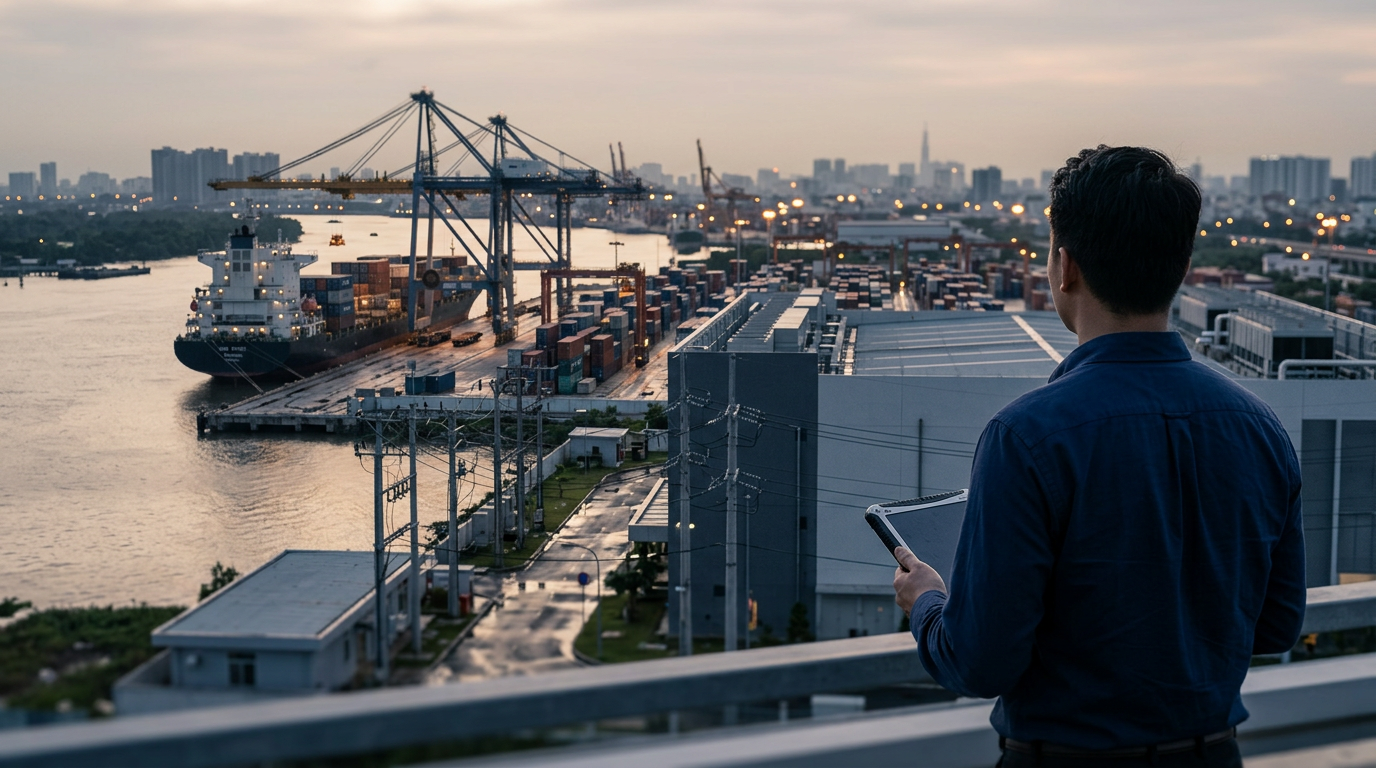
This success in specialized logistics, however, contrasts with the persistent challenges facing Vietnam's larger public infrastructure projects. The government has identified infrastructure development as one of its three strategic breakthroughs for economic advancement. Yet, the Ministry of Planning and Investment has reported that the disbursement of public investment capital in the first half of 2024 reached only a fraction of the annual target. The reasons are familiar: site clearance delays, complex administrative procedures, and difficulties in sourcing construction materials. While a container of frozen lobster can find its way to a Hanoi restaurant, major national projects like the North-South Expressway and Long Thanh International Airport have been plagued by slow progress. This gap between the functional capacity of specific commercial supply chains and the broader execution of state-led projects is a significant concern. It highlights the difference between enabling private commerce and building the foundational assets of a national economy.
Usable States and Comparative Advantage
The challenges in Vietnam's public works resonate with a core theme of ASEAN Rising: the growing importance of institutional reliability for national competitiveness. In today's global economy, a predictable and functional state can be more attractive to long-term investors than one that offers ambitious but unrealized plans. As the book notes, "Infrastructure that arrives on time signals more than infrastructure that is merely announced." The ability to execute large-scale projects is a direct measure of state capacity. It demonstrates an administration's ability to coordinate between ministries, manage land and resources, and oversee complex contracts. The slow disbursement of funds is not just a bureaucratic problem; it is a drag on economic growth and a signal to international capital about the real-world friction of doing business in the country. The success of the logistics network bringing seafood from Canada shows what is possible, but the difficulties in building a new airport show the work that remains.
The Cost of Friction
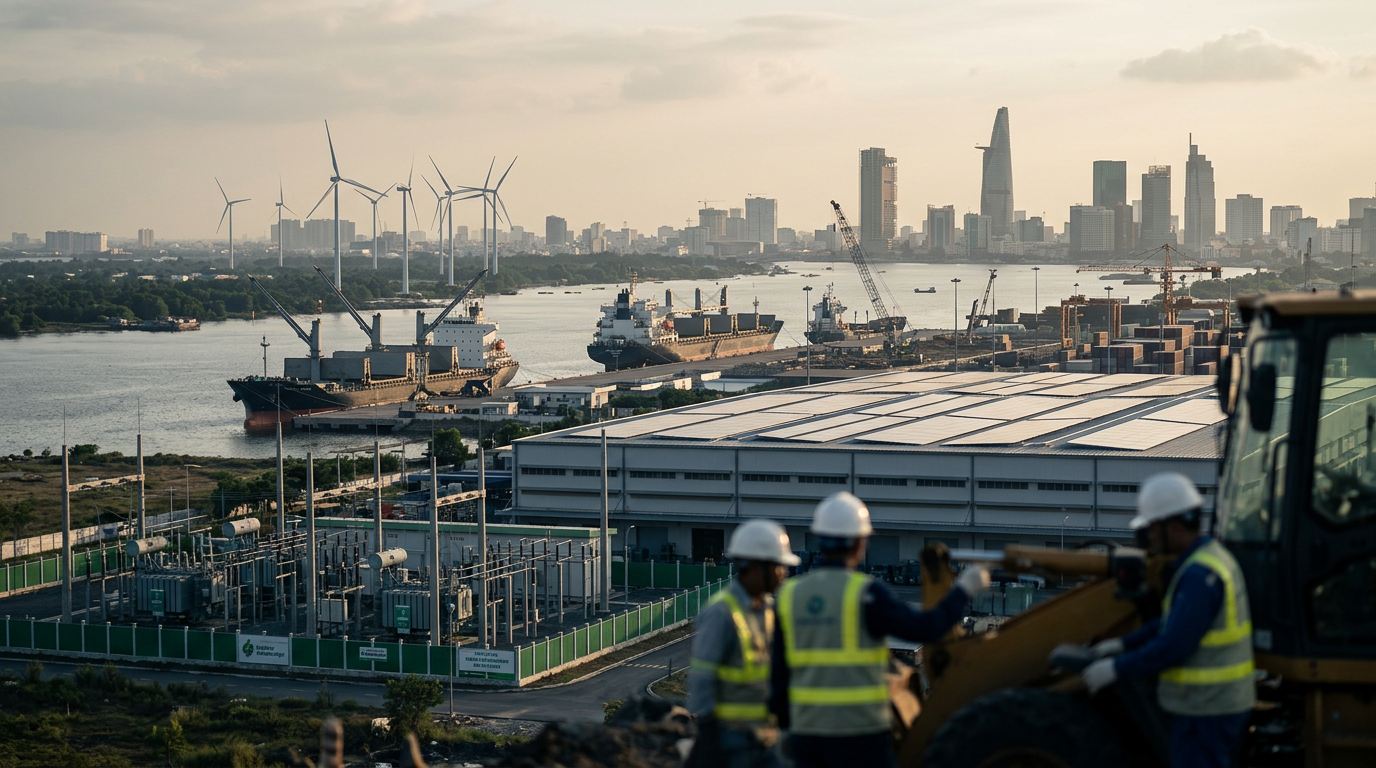
The delays in public investment have a direct economic cost. Capital that is allocated but not spent is capital that is not generating a return, either for the government or the private sector. Slow project timelines mean that the economic benefits of new highways, ports, and power plants are pushed further into the future. For Vietnam to sustain its economic growth and move up the value chain, it must address these institutional hurdles. The government has taken steps to streamline procedures and hold officials accountable for disbursement targets, but the problem persists. Closing this gap between ambition and execution is essential for Vietnam to solidify its position as a leading investment destination in Southeast Asia. The smooth flow of Canadian lobster shows the demand is there. The test is whether the state can build the systems to support it at a national scale.
What to watch
The key indicator to watch in the coming year is the disbursement rate for public investment funds, particularly for the major national projects. Progress, or lack thereof, on Long Thanh International Airport and the remaining sections of the North-South Expressway will be a tangible measure of whether institutional reforms are taking hold. Observers should also monitor changes to administrative procedures for public works and land acquisition, as these are the primary sources of friction that impede project execution and delay Vietnam's next stage of development.