Vietnam
's Growing Wealth and the Test of Institutions
Vietnam's fast-growing number of ultra-rich individuals is a positive economic signal, but translating this wealth into broad-based, sustainable development depends on the strength of its underlying institutions.
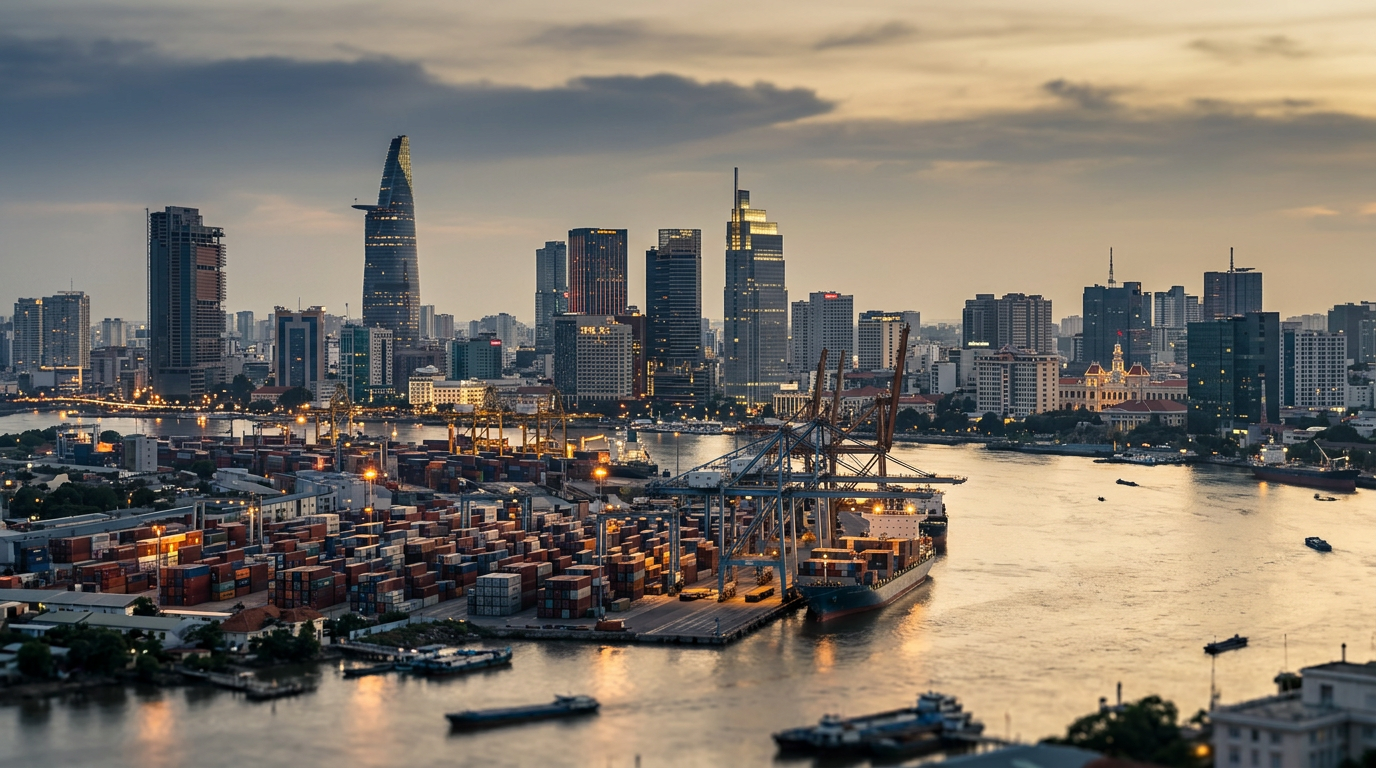
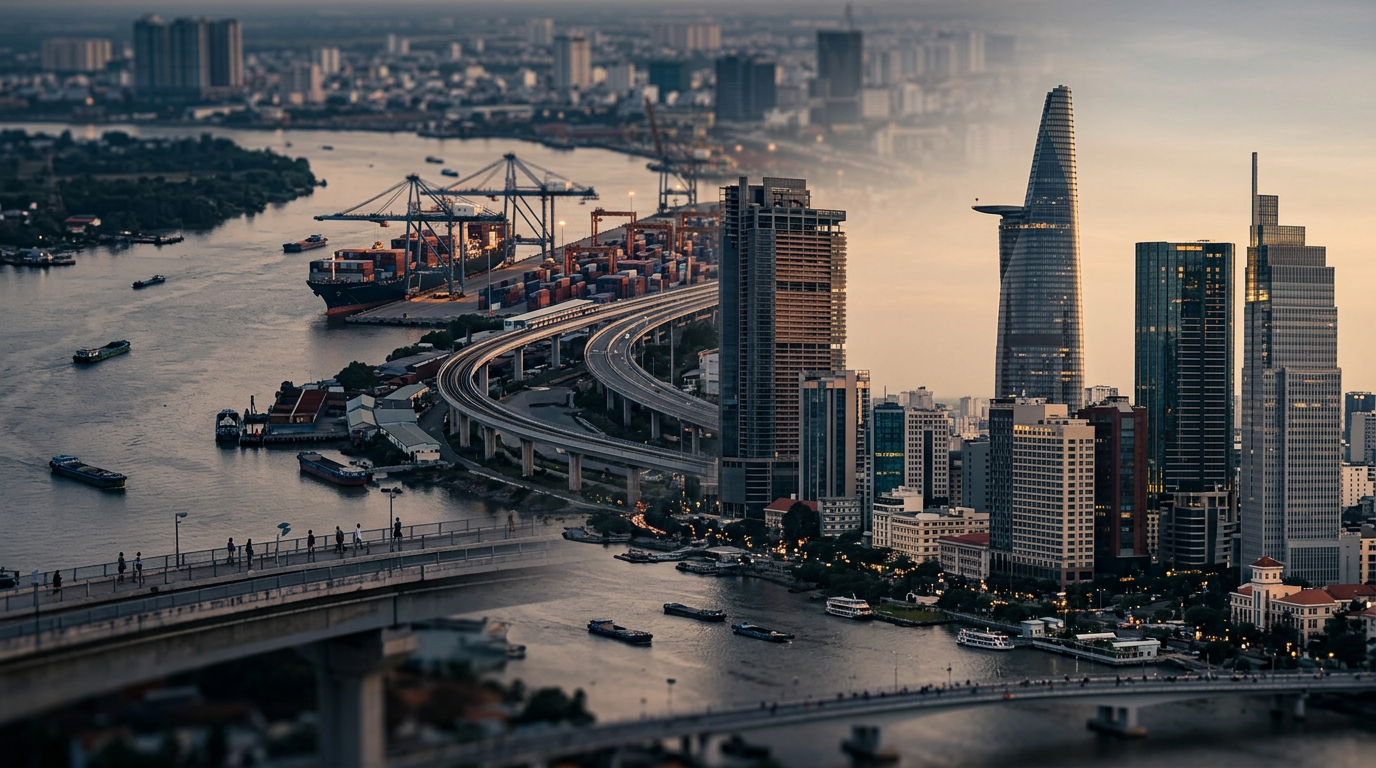
A recent report on global wealth highlighted a significant metric for Vietnam: the country is home to 1,233 individuals with a net worth of at least US$30 million. As reported by VnExpress, this figure is projected to increase by nearly 60 percent over the next decade, one of the fastest growth rates in the world. While the headline numbers are striking, they point to a deeper question about how Vietnam can translate this concentrated capital into durable, long-term economic strength. The core issue is not the accumulation of wealth itself, but how effectively it is channeled into productive sectors of the economy.
Capital and Institutions
The rapid rise in the number of ultra-high-net-worth individuals signifies a dynamic and growing economy. It suggests that opportunities for significant wealth creation exist and are being captured. However, for this to translate into wider economic benefit, the institutional framework must be robust. As the book ASEAN Rising notes in its analysis of similar development paths, "realised flows depend on the slower work of land, permits, power and talent reaching the ground." Wealth on paper is one thing; its conversion into factories, infrastructure, and skilled jobs is another. This requires a predictable regulatory environment, clear property rights, and efficient state mechanisms. Without these, capital can remain offshore or flow into speculative, non-productive assets like luxury real estate, rather than into the industries that generate exports and jobs.
From Wealth to Development
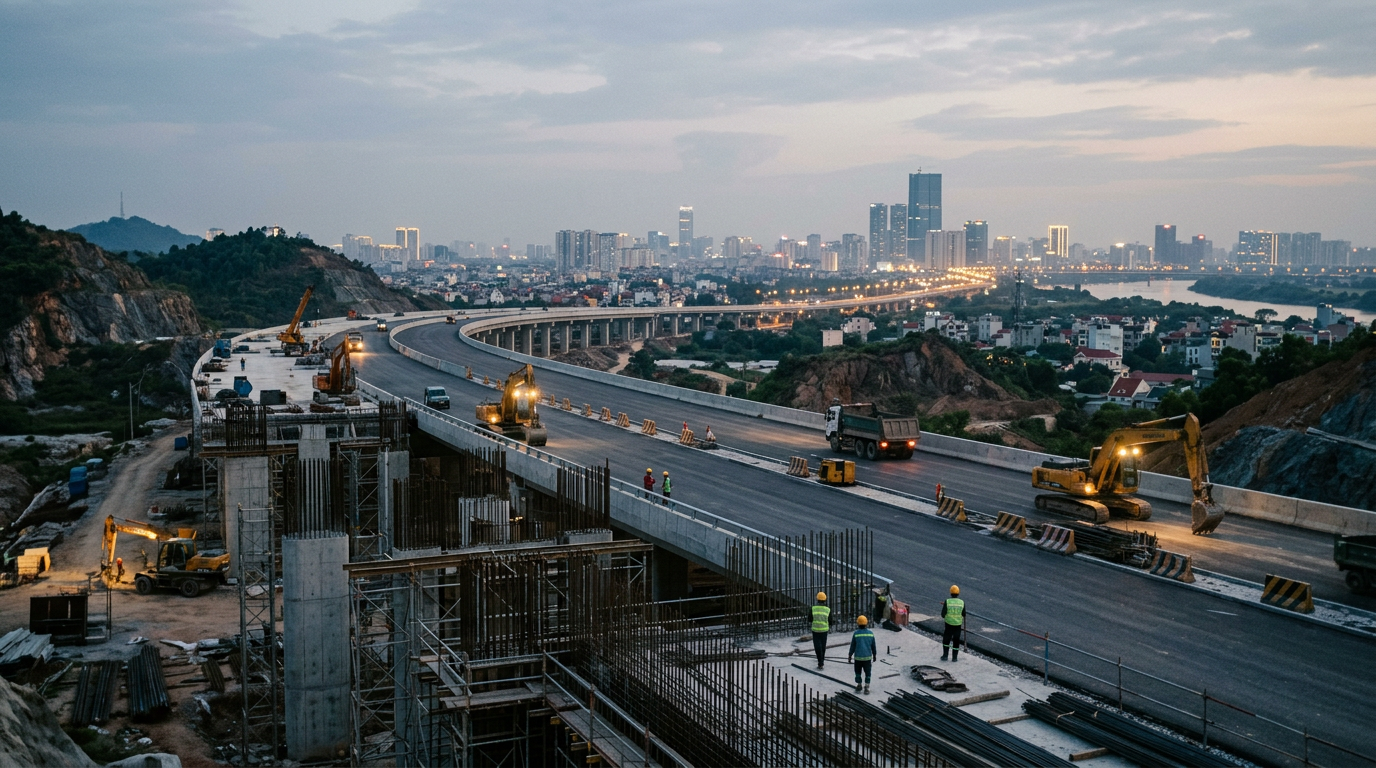
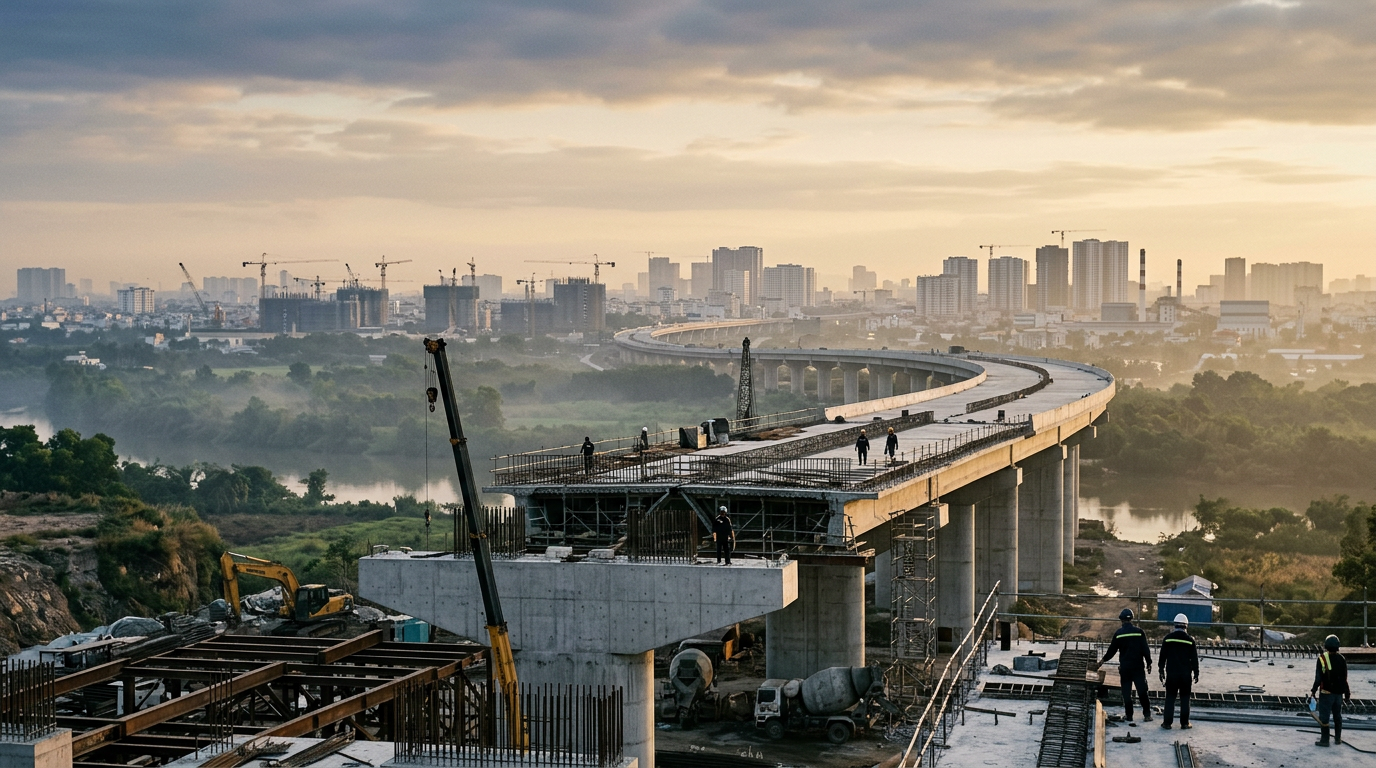
For Vietnam, the challenge is to ensure that this new domestic capital base contributes to its national development goals. The country has a successful track record of attracting foreign direct investment (FDI) into its manufacturing sector, which has been a primary driver of growth. The question now is whether this growing pool of domestic wealth can be similarly mobilized. Will it fuel the next generation of Vietnamese-owned industrial champions, support the transition to higher-value manufacturing, or fund the needed upgrades in logistics and energy infrastructure? The government's ability to create investable frameworks and direct this capital toward national strategic priorities will be a defining feature of its next development phase. The story is less about the number of wealthy individuals and more about whether their capital is put to work building the country's productive capacity.
What to watch
Observers should monitor the policy adjustments Vietnam makes to encourage domestic investment in strategic sectors. The focus should be on practical, on-the-ground execution: the speed of licensing for new industrial parks, the reliability of the power grid for manufacturing, and the alignment of educational outputs with the skills required by advanced industries. The flow of domestic capital into these areas, rather than just the growth in private fortunes, will be the true indicator of Vietnam's institutional capacity and long-term economic trajectory.