Malaysia
From Approved to Invested: Malaysia's FDI Challenge
Malaysia announced a surge in approved investments for the first half of 2026. Realising these flows will depend on the hard work of matching approvals with land, permits, power and talent.

Malaysia's investment promotion agency, MIDA, announced a significant increase in approved investments for the first half of 2026, reaching RM218.5 billion. This 11.7 percent rise from the previous year, reported by Malay Mail, suggests a strong pipeline of foreign and domestic capital interest. While these headline figures are encouraging, the path from an approved investment to a fully operational project is a long one. Success depends on the institutional capacity to translate these high-level commitments into tangible economic activity.
Approvals are not Flows
The distinction between approved and realised foreign direct investment (FDI) is a persistent theme in Southeast Asian economies. As the book "ASEAN Rising" notes, high-profile announcements generate positive headlines, but the real work begins after the press conferences end. The process is governed by the "slower work of land, permits, power and talent reaching the ground." Investors, having secured initial approval, must then navigate the complexities of local regulations, infrastructure availability, and labour markets. It is this execution phase that determines whether the initial promise of an investment is fulfilled.
The Execution Framework
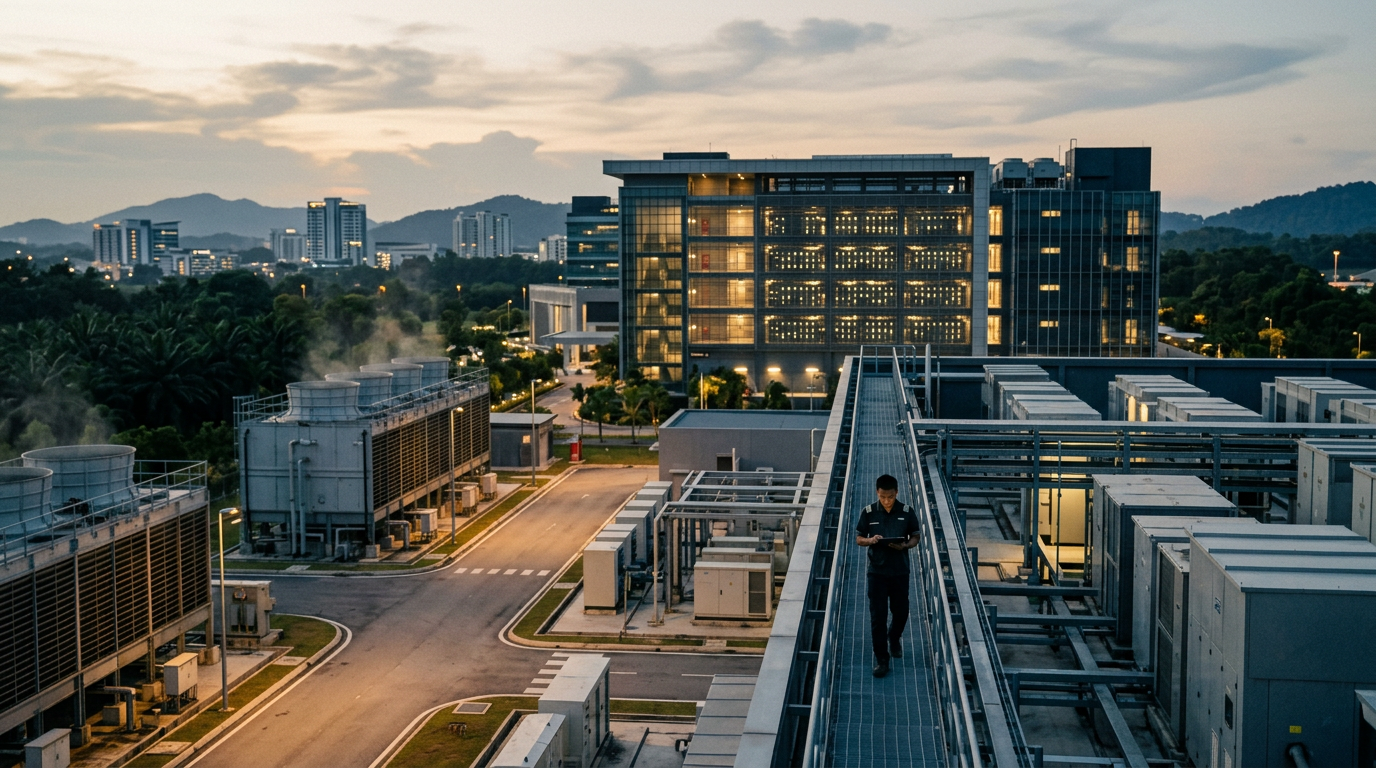
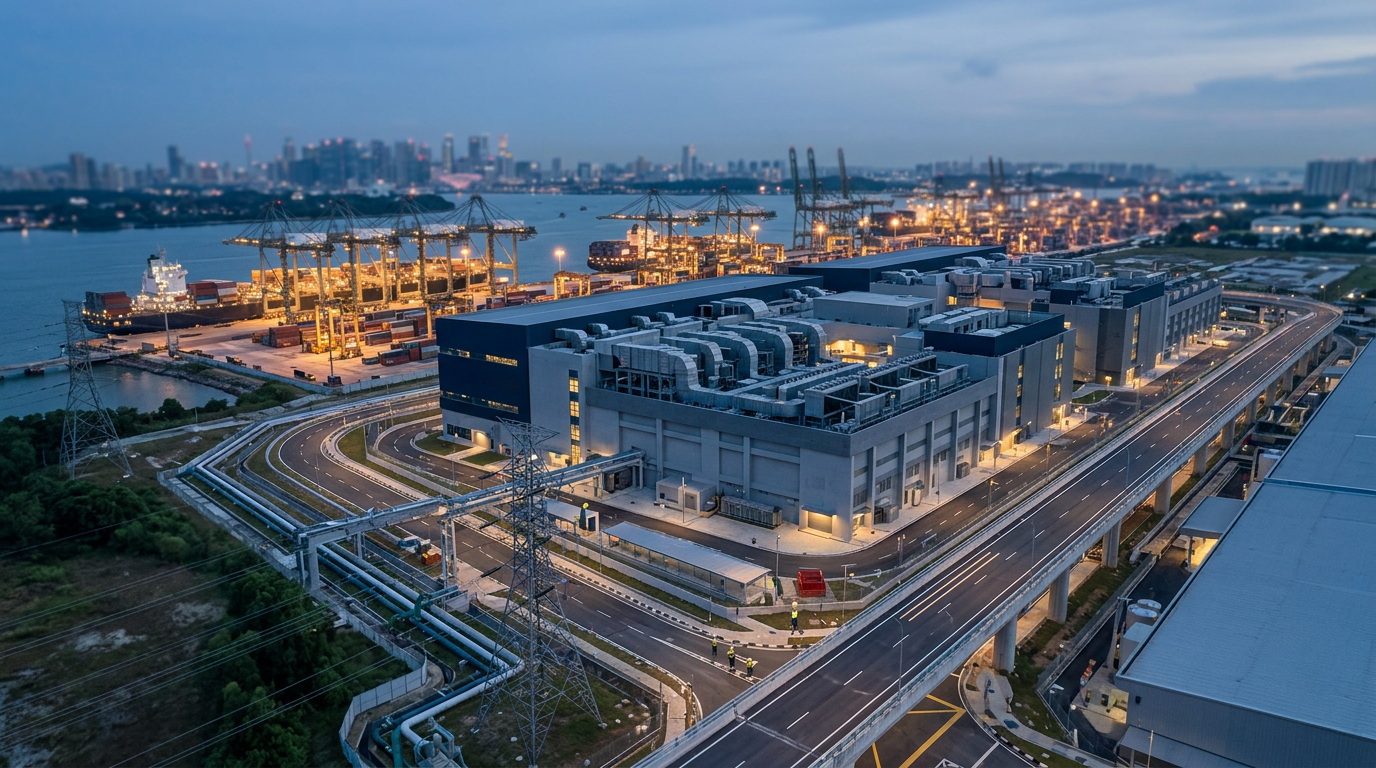
For Malaysia, the challenge is to ensure its institutional framework can support the conversion of these approved RM218.5 billion into realised projects. This involves several interconnected factors. First, the availability of industrial land and the efficiency of the permitting process are fundamental. Delays in securing sites or obtaining necessary licenses can stall projects indefinitely. Second, reliable infrastructure, particularly power and logistics, is non-negotiable for modern manufacturing and service industries. Investors need confidence that the grid can support their operations and that goods can move efficiently. Finally, the alignment of the local talent pool with the specific needs of the incoming industries is a primary concern. The availability of skilled workers, from technicians to managers, can make or break a project.
From National to Sub-National
Effective investment realisation often depends on the coordination between national and sub-national authorities. MIDA, as the federal agency, leads the promotion and approval process. However, the implementation is heavily reliant on state and municipal governments who control land use, issue local permits, and manage local infrastructure. A seamless flow of information and a clear division of responsibilities between these levels of government are necessary to avoid bottlenecks. The experience of investors on the ground in states like Penang, Selangor, or Johor will be the ultimate measure of Malaysia's success in converting investment approvals into sustainable economic growth.
What to watch
Observers should monitor the realised investment data for Malaysia in the coming 12 to 24 months to gauge the conversion rate of these announced approvals. Attention should also be paid to any new policy initiatives from the Malaysian government aimed at streamlining project implementation, particularly concerning land acquisition, utility connections, and workforce development programs. The performance of specific economic corridors and industrial parks will also provide a granular view of how effectively capital is being deployed on the ground.