Philippines
Philippine infrastructure spending and the value of a usable state
A rebound in public infrastructure spending is projected to lift Philippine economic growth. For investors, what matters is not just the spending itself, but the institutional capacity to deliver projects on time and on budget.
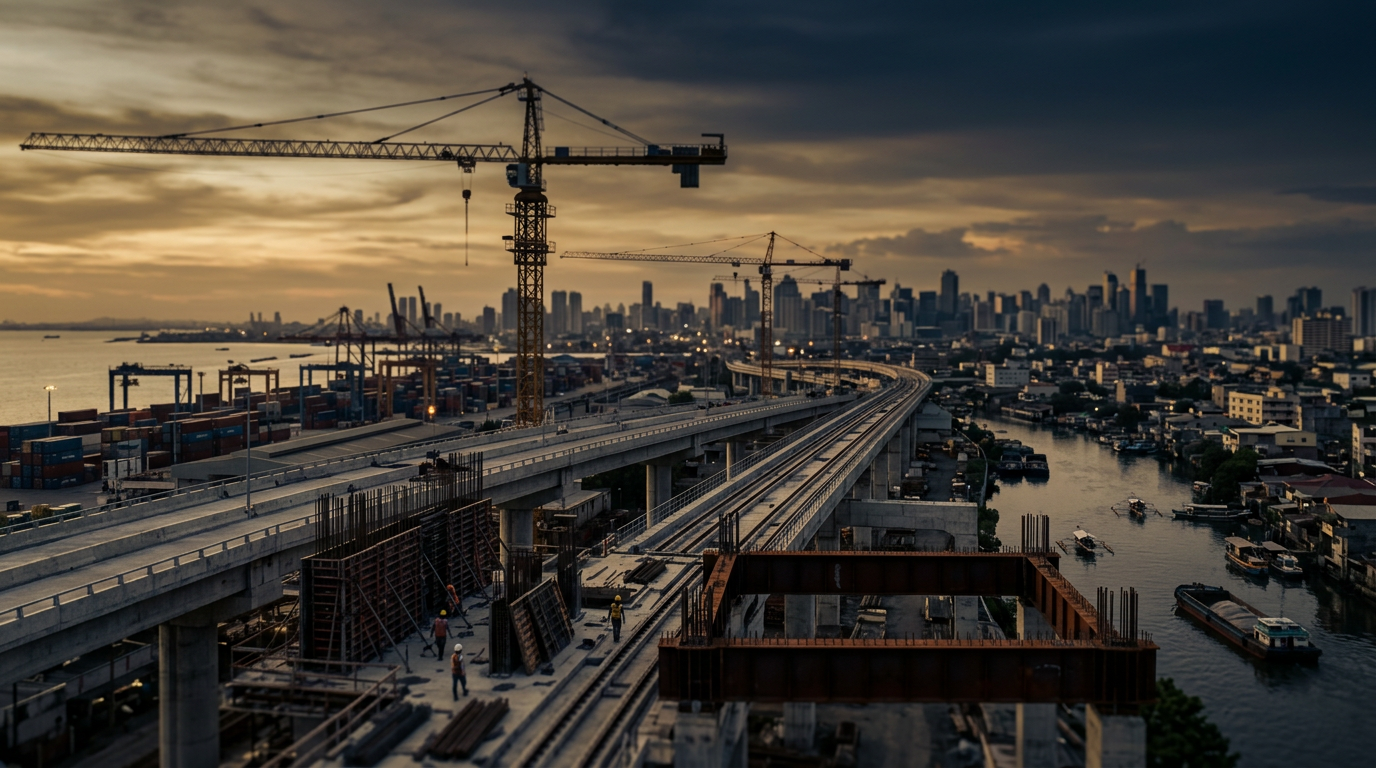
Projections from the University of Asia and the Pacific suggest the Philippine economy may grow above four percent in the fourth quarter, driven partly by a rebound in infrastructure spending. As reported by philstar.com, this acceleration in public expenditure, alongside stronger consumer demand, is expected to provide a significant boost to economic activity.
This news highlights a central theme for development across ASEAN: the link between public spending, project execution, and economic reality. While announcements of large-scale infrastructure programs can generate positive headlines, the actual, timely delivery of these projects is what builds a foundation for sustainable growth.
From Announcement to Execution
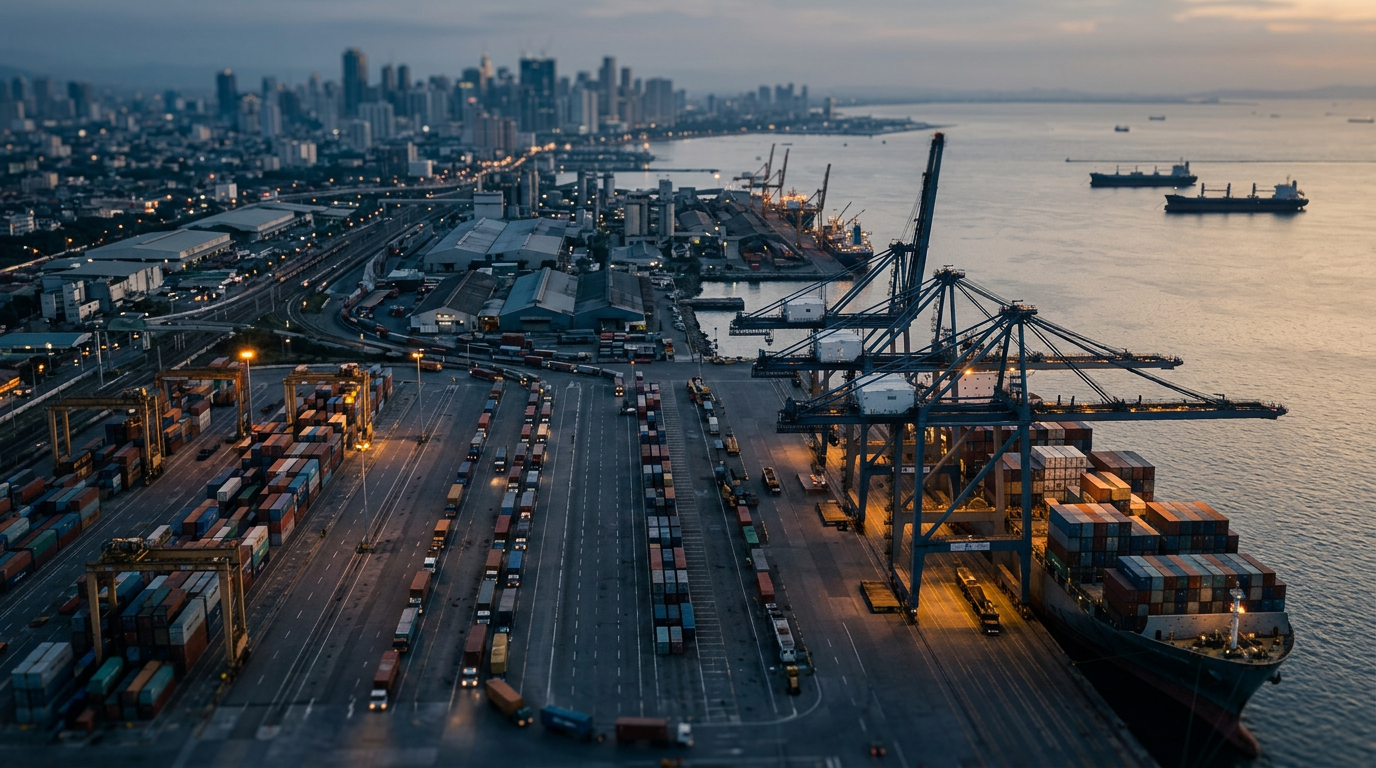
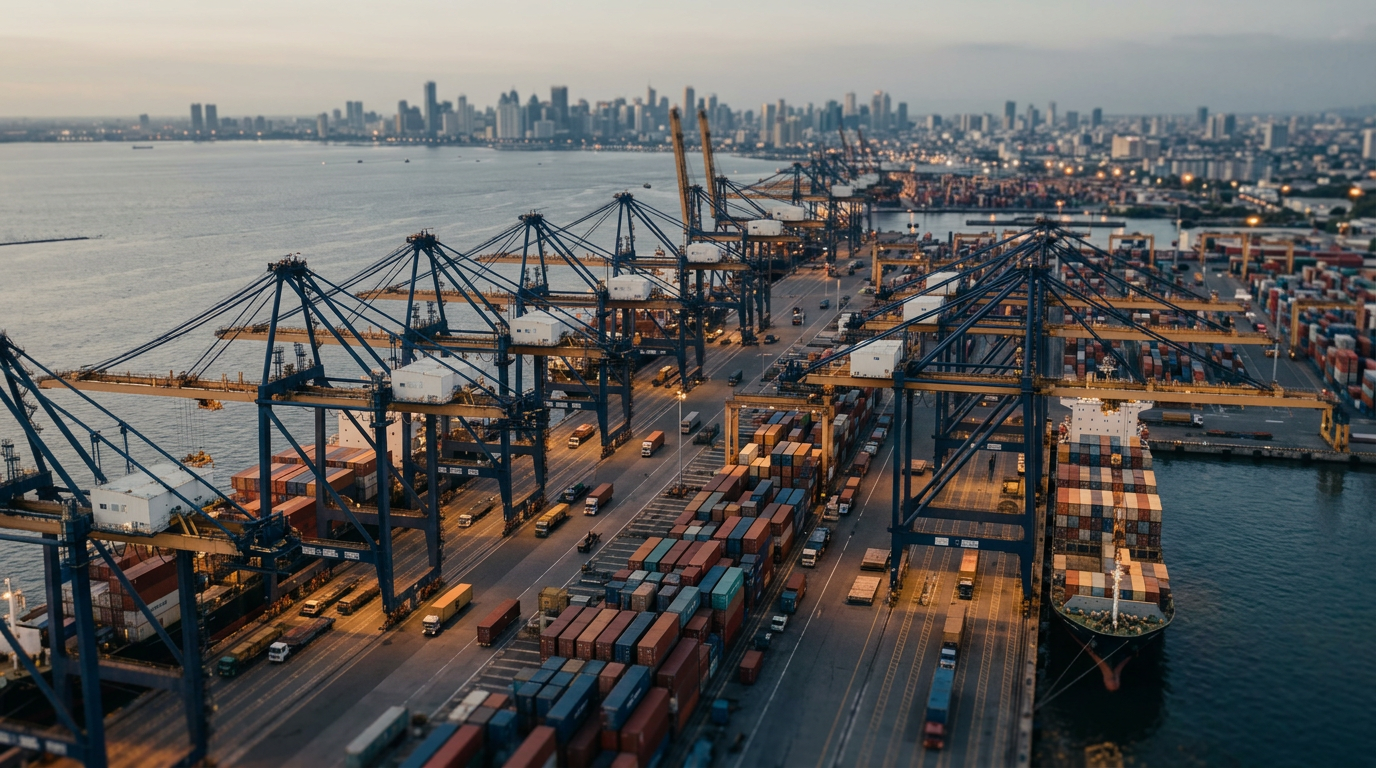
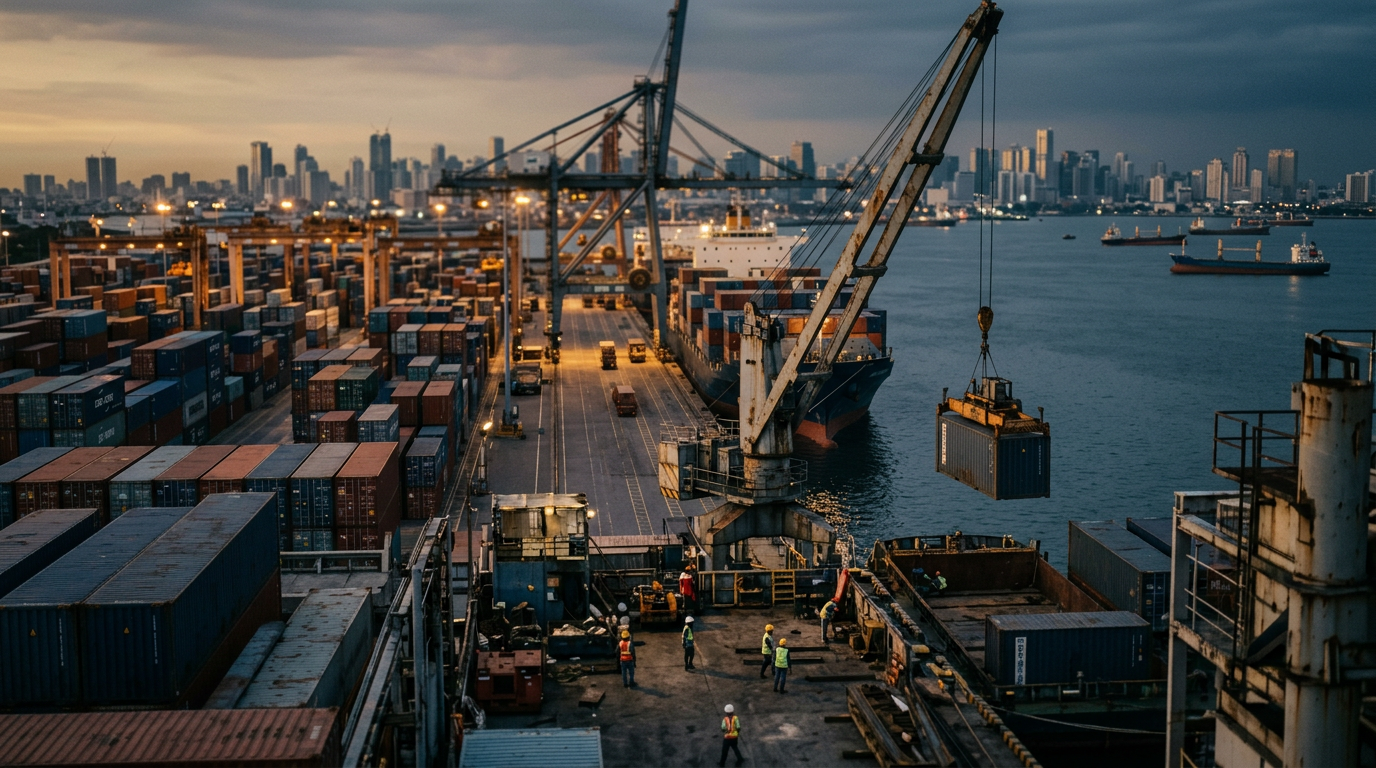
For businesses and investors, the difference between an announced project and a completed one is immense. The former represents potential, but the latter represents a tangible asset that reduces friction and lowers the cost of doing business. A new port, road, or digital network that is operational creates immediate value by improving logistics, connecting markets, and increasing efficiency. As the book "ASEAN Rising" notes, this capacity to execute is not just a matter of operational competence; it is a signal to global capital about the reliability of a country's institutions.
Consistent project completion demonstrates a government's ability to manage complex undertakings, from initial planning and financing to navigating regulatory hurdles and overseeing construction. This is a measure of state capacity. A government that can reliably deliver infrastructure projects is one that is more likely to provide a stable and predictable environment for investment. The focus for analysts, therefore, should be less on the size of budget allocations and more on the rate of project completion and the quality of the finished assets.
Institutional Reliability as Advantage
The ability to deliver infrastructure consistently is a form of competitive advantage. In a region where many states are competing for foreign direct investment, demonstrating that "infrastructure that arrives on time signals more than infrastructure that is merely announced" becomes a powerful differentiator. It speaks to the quality of the institutions governing the economy. These institutions provide the framework of rules, regulations, and practices that determine how effectively capital is deployed.
When a state demonstrates proficiency in building and managing public goods, it fosters trust among private sector actors. This trust reduces perceived risk and encourages further investment, creating a virtuous cycle of development. The core message for policymakers is that a usable state, one that can effectively implement its own policies and programs, is often more valuable to long-term investors than one that simply offers exciting but unrealized plans.
What to watch: The key metric for the Philippines and its neighbors will be the actual pace of construction and project disbursement in the coming quarters. Observers should track not just the headline growth figures, but also the physical progress on key infrastructure projects. The ability to translate budget allocations into functioning assets will be the definitive test of institutional capacity and a leading indicator of the country's long-term economic trajectory.