
ASEAN Analysis & Commentary
Every analysis published on ASEAN Rising is sourced, datestamped and signed. We're more interested in being right in 12 months than first in 12 minutes.
Foundation pieces
Start here. The three pieces below set out the lens ASEAN Rising uses to read every story.
ASEAN Rising's core lens. Execution Economics is the study of whether countries, companies and institutions can convert obvious potential into delivered outcomes - and which six pillars decide the answer.
The region has capital, demographics, location and policy ambition. None of that has ever been the binding constraint. The next decade is an execution test, not a potential test - and it is already being scored.
Malaysia is the test case for whether ASEAN's middle powers can turn FDI, semiconductors and data centres into compounding domestic capability. Read the live coverage and execution scorecard.
Analysis tagged #asean
 Thailand
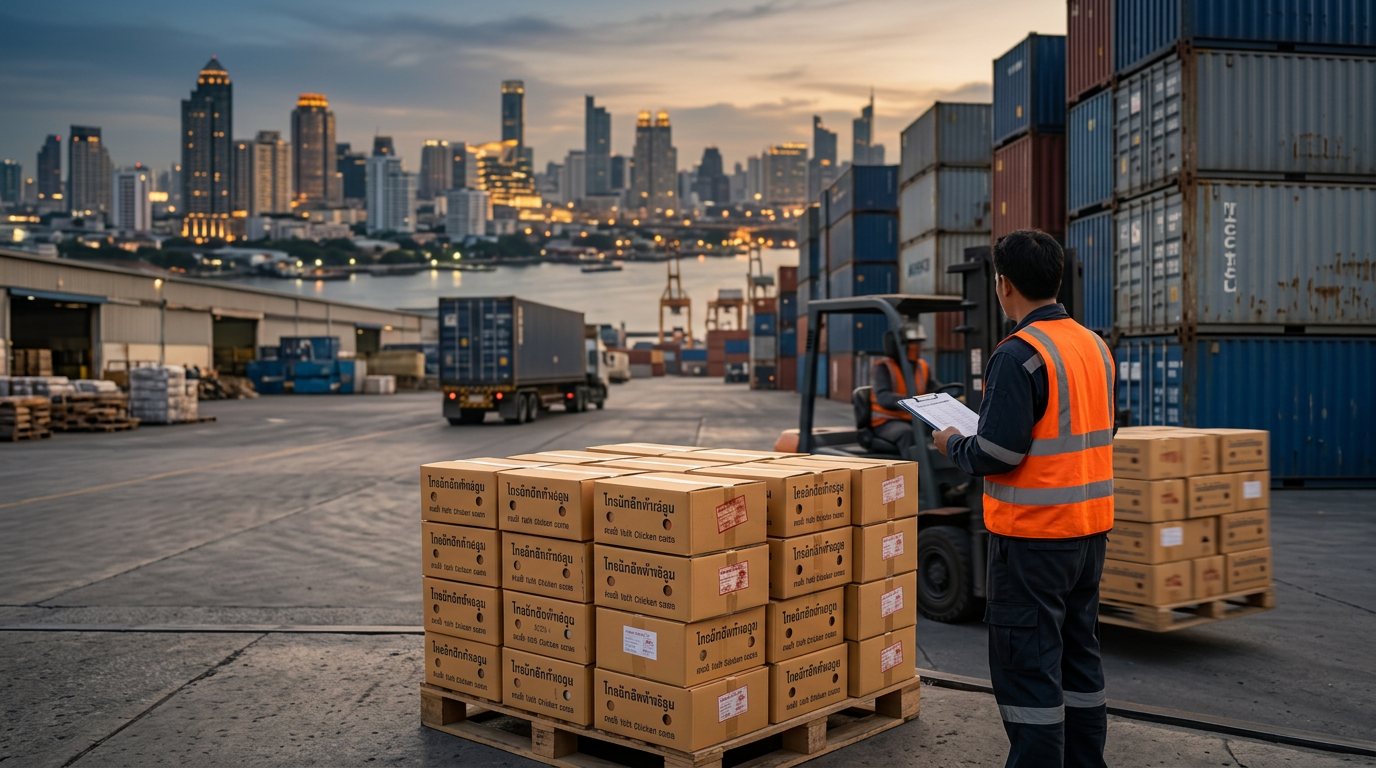
's Egg Export Curbs: A Lesson in Execution
Thailand's recent move to curb egg exports highlights a persistent challenge across ASEAN: turning policy into reality. The gap between announced goals and on-the-ground execution remains a drag on the region's economic integration and growth potential.
 Thailand
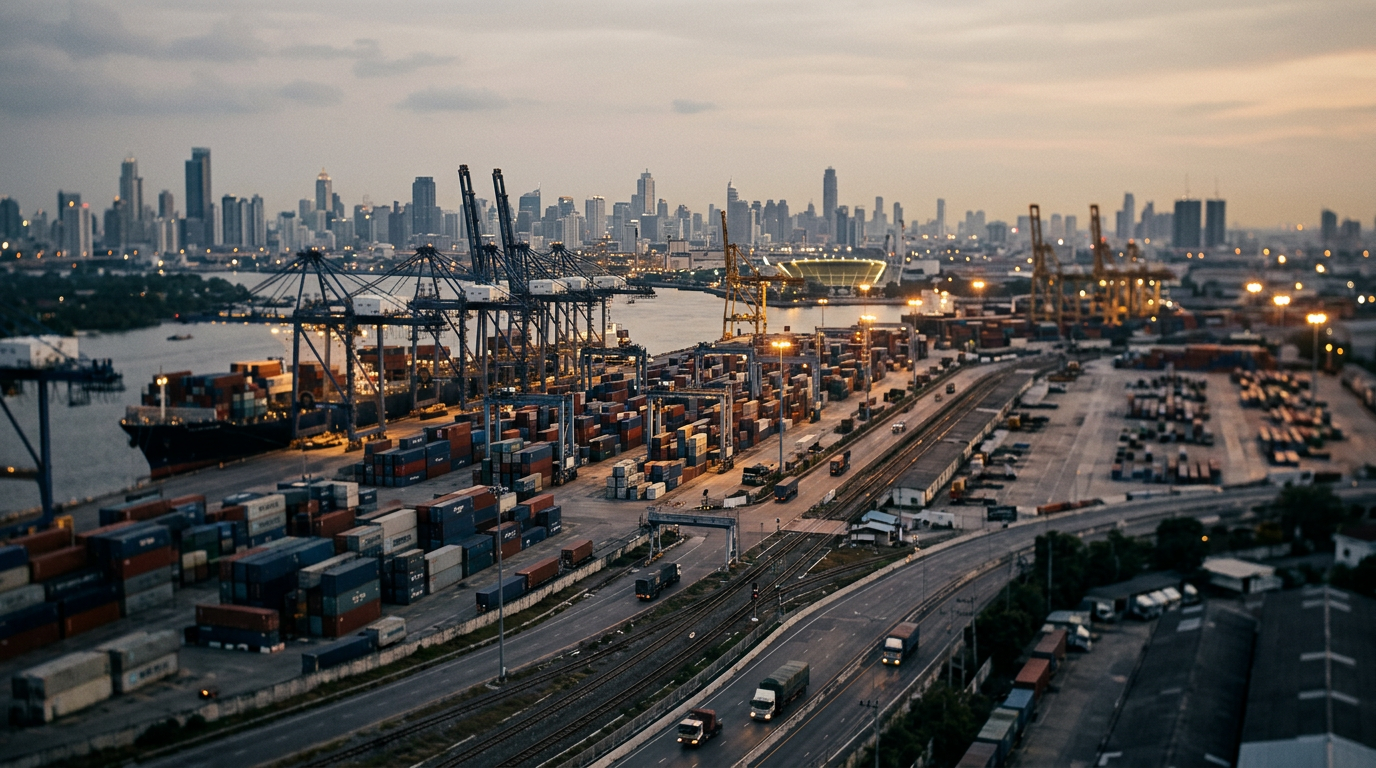
's FDI Climate and the Challenge of Execution
Thailand is a resilient, upper-middle income economy. But its FDI performance is hampered by execution bottlenecks.
 Vietnam
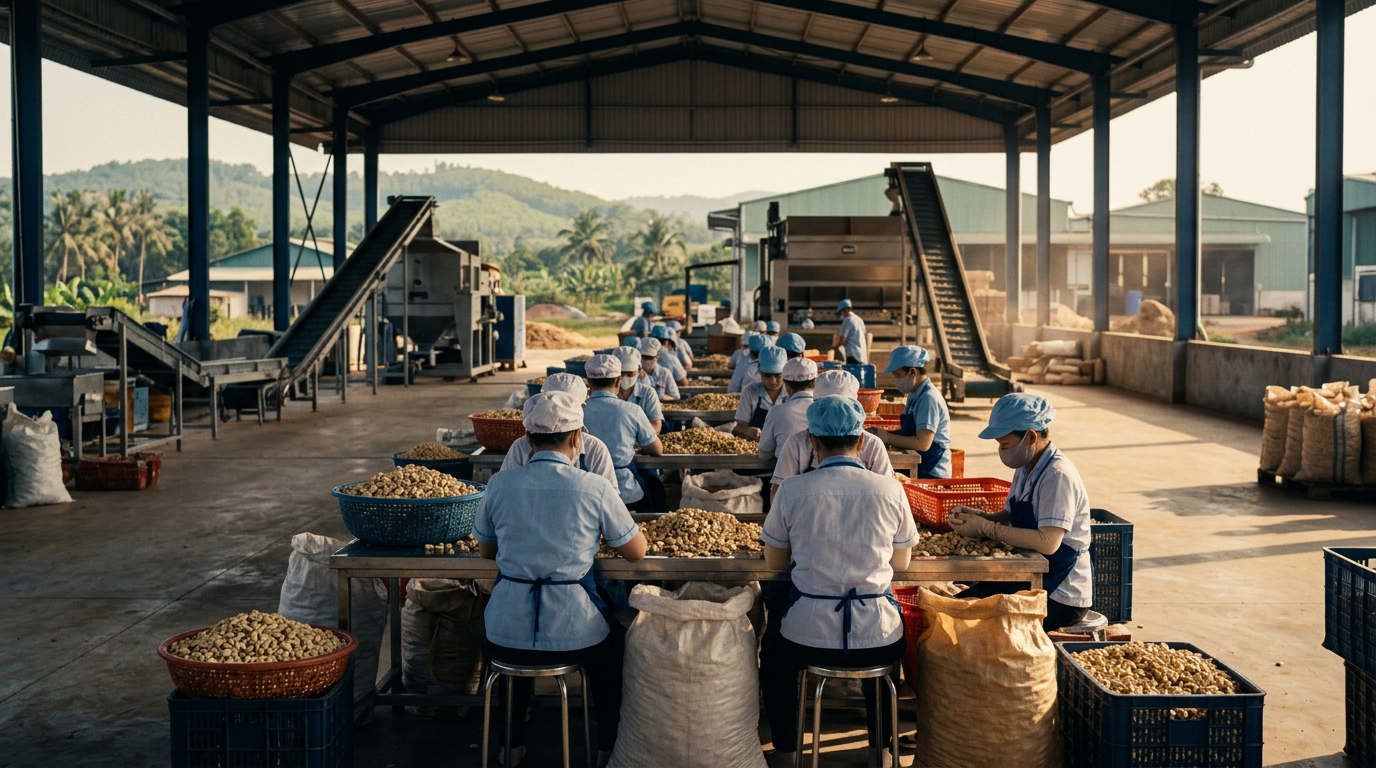
A Ghana-Vietnam cashew processing partnership is about more than just trade. It
 Vietnam
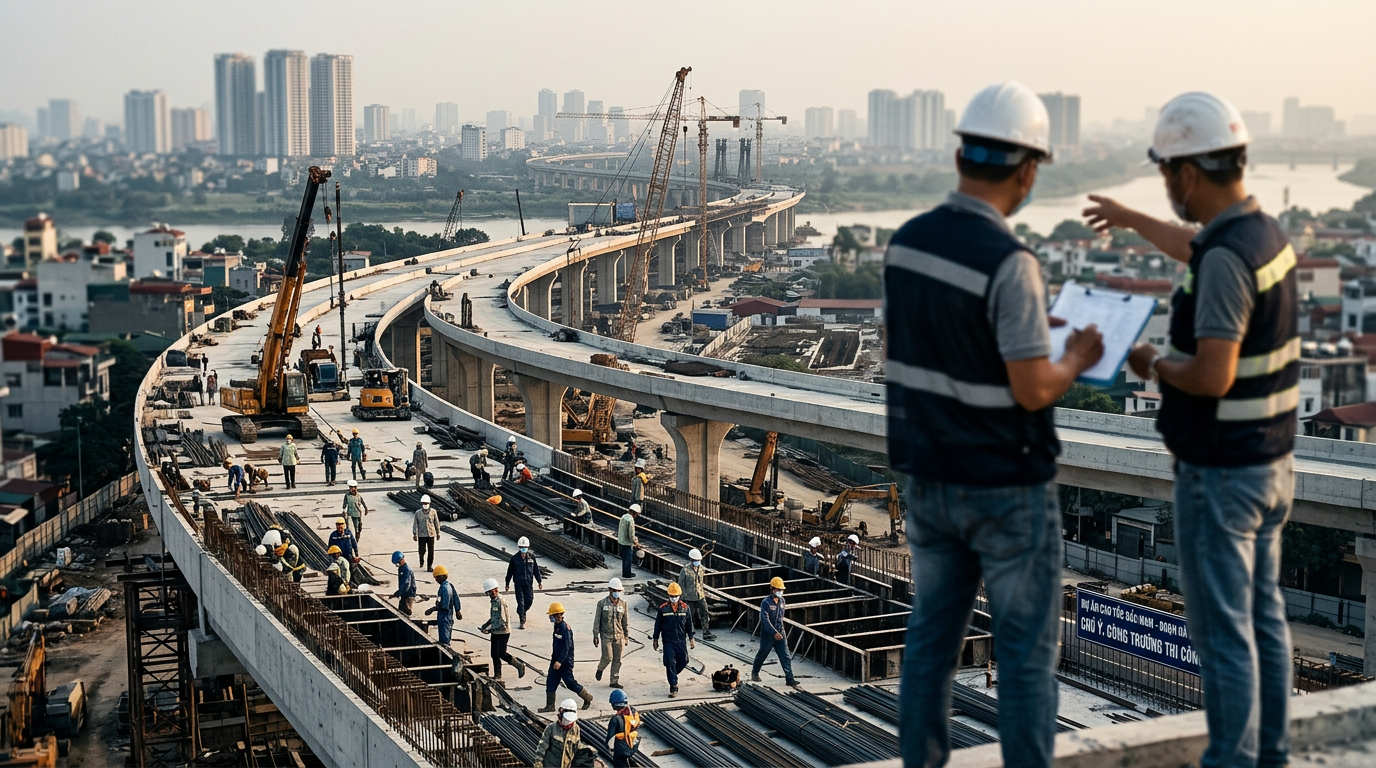
's Infrastructure Push Tests its Institutions
Hanoi is trying to bring more private capital into its ambitious expressway buildout. The real test is not in the announcement, but in the execution and the reliability of the institutions that oversee these complex projects.

 Philippines
Manila Cruise Port Plan Moves to Feasibility Study
A plan to build a new cruise port in Manila is advancing, but the true test lies in its execution. For the Philippines, delivering infrastructure on time is more valuable than just announcing ambitious projects.
 Philippines
The Philippines: From Digital Divide to Investable Depth
A recent internet outage spared subscribers of one Philippine provider, highlighting the growing importance of resilient digital infrastructure for the archipelago nation. While foreign direct investment announcements are easy, turning them into reality requires concrete steps.
 Thailand
, the EU, and the Gravity of China
Bangkok pursues a free trade agreement with the European Union, but its economic future is increasingly tied to China.
 Vietnam
 Seeks Private Capital for Expressway Expansion
Vietnam is seeking approximately VND846 trillion in private capital for 29 priority projects to expand its expressway network. This highlights a broader ASEAN theme: the push for reliable infrastructure development as a core component of economic competitiveness.
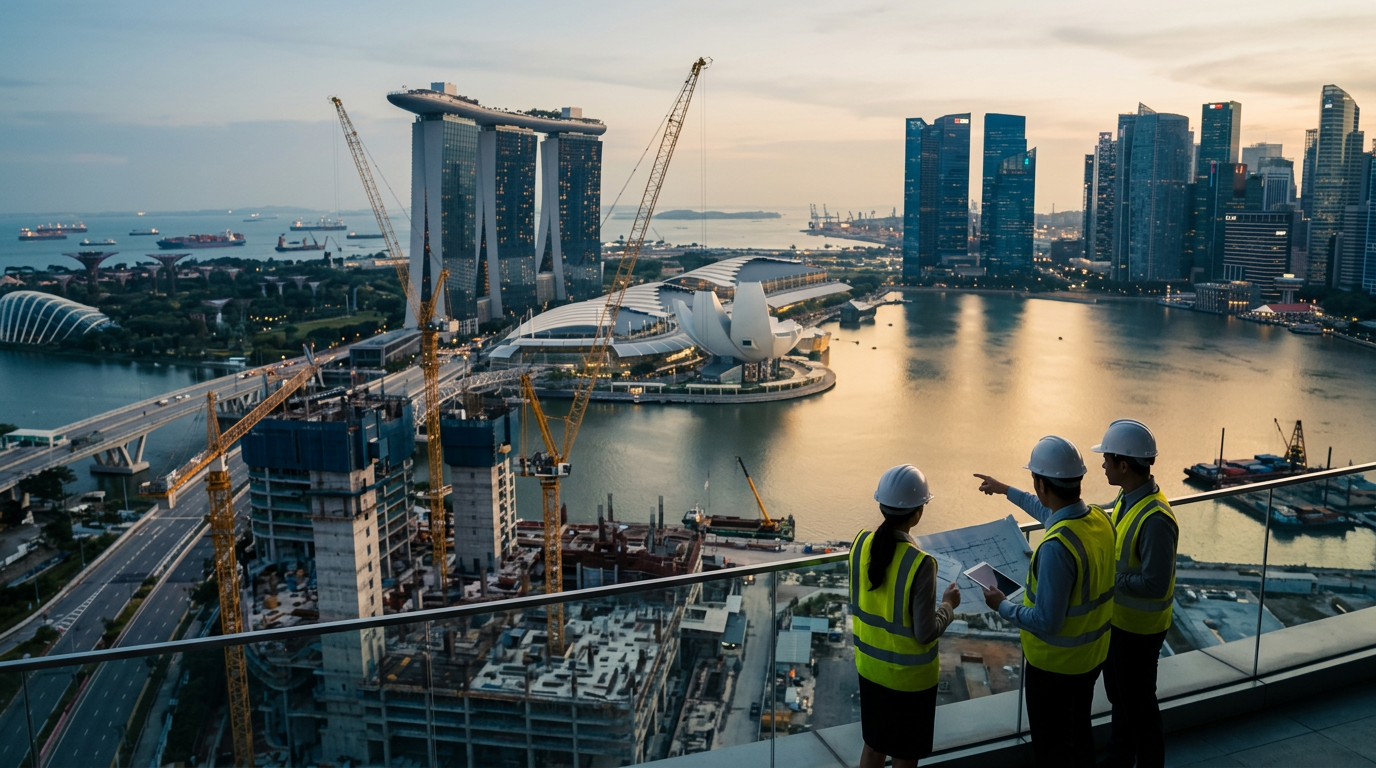
 Singapore
 Draws Thai Capital for Waterfront Development
A high-profile real estate investment from a Thai billionaire highlights Singapore's durable appeal, but also shows the institutional strengths required to absorb and realise large-scale foreign direct investment.
 Singapore
's Riverfront Bet On Regional Capital
A high-profile Singapore real estate project bankrolled by a Thai billionaire shows how regional capital is reshaping ASEAN's urban landscapes, but Singapore's high costs demand execution to match.

 Indonesia
 and the test of FDI realisation
FDI announcements travel quickly. Realised flows depend on the slower work of land, permits, power and talent reaching the ground.
 Vietnam
The Hard Work of ASEAN Biodiversity
High-level statements on biodiversity are easy. The execution is not. ASEAN needs more than summits to protect its natural capital.
 Vietnam
ASEAN Biodiversity Action and the Science of State Capacity
The ASEAN Centre for Biodiversity demonstrates the concrete benefits of institutional capacity. Reliable execution is a form of comparative advantage.
 Vietnam
ASEAN Biodiversity Action and the Reliability Test
The ASEAN Centre for Biodiversity is a good first step, but the real measure of success is institutional reliability and consistent execution.
 Vietnam
Vietnam is seeking private capital for its ambitious expressway expansion. Success will depend on more than just announcements; it will require demonstrating institutional reliability to secure the necessary investment.
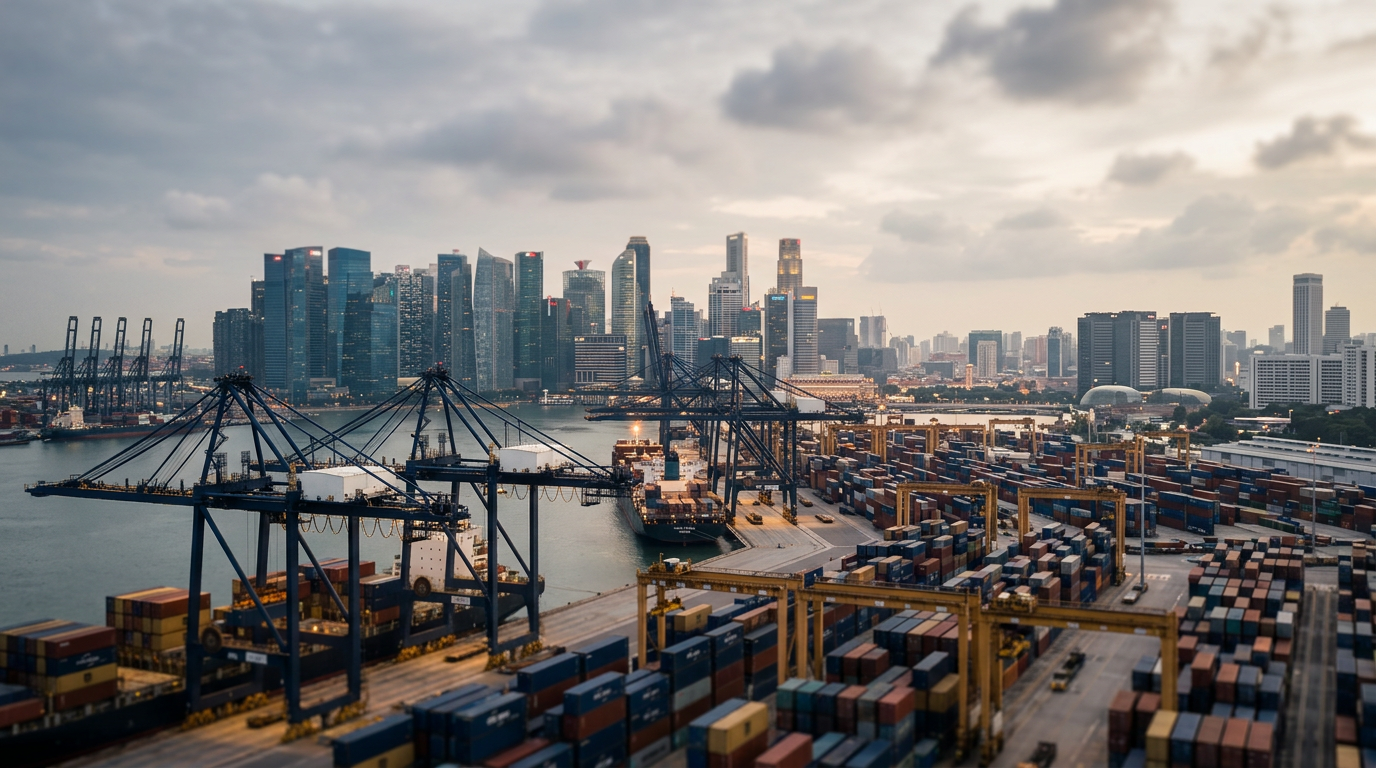 Singapore
, not scale, is still the model for ASEAN FDI
FDI announcements travel quickly. Realised flows depend on the slower work of land, permits, power and talent reaching the ground.
 Singapore
: Execution Over Scale
A major property investment by a Thai billionaire in Singapore is a reminder that successful FDI is about more than just market size. Execution, institutions, and trust are what turn announcements into assets.
 Vietnam
Beyond the Headlines: Translating Vietnam's Wealth Growth into FDI
Vietnam's fast-growing cohort of ultra-rich individuals is a positive signal, but sustained foreign direct investment will depend on the country's ability to build out its institutional and physical infrastructure.
 Singapore
, Thailand, and the Power of Predictability
The launch of a luxury mixed-use project in Singapore, backed by a prominent Thai billionaire, illustrates a core ASEAN theme: the quiet power of reliable institutions to attract and deploy long-term capital.
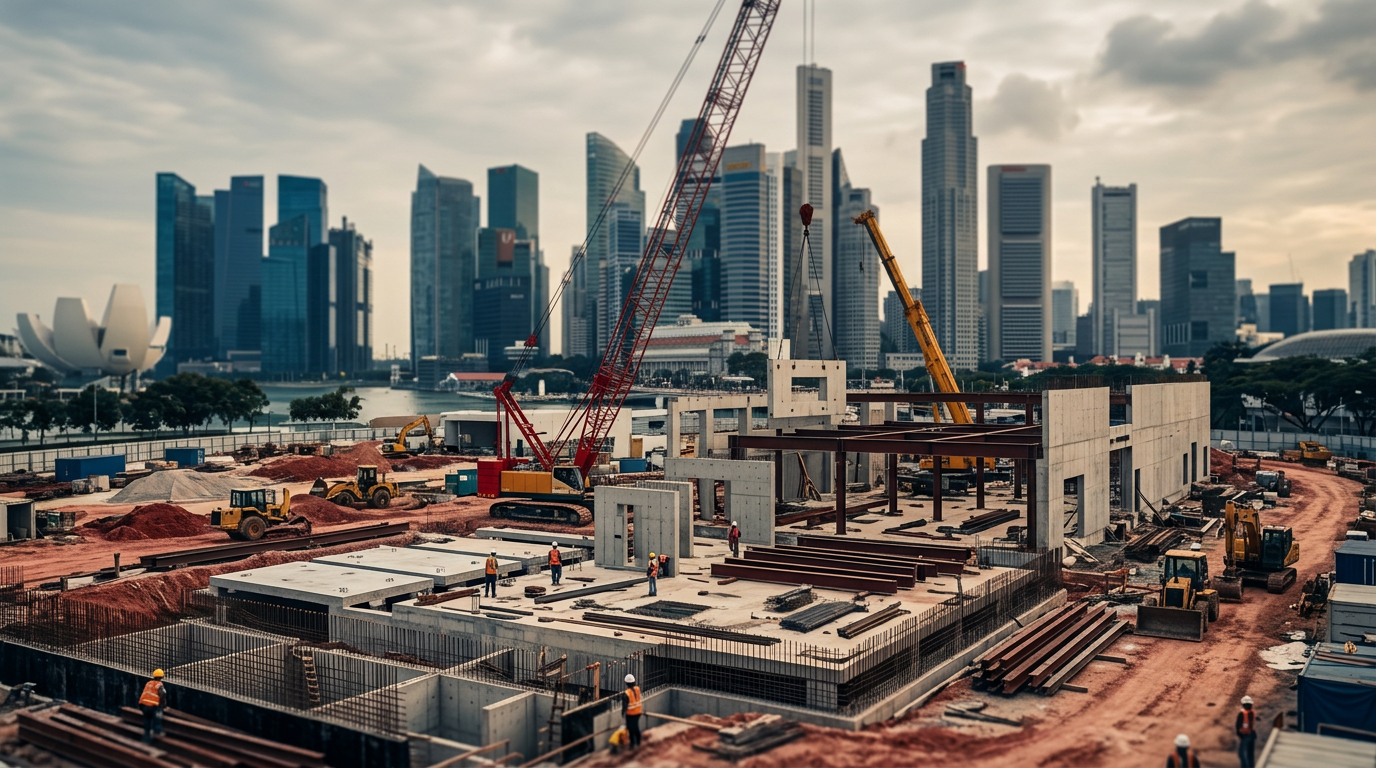 Singapore
Beyond the Deal: Capital Flows and Execution in ASEAN
FDI announcements travel quickly. Realised flows depend on the slower work of land, permits, power and talent reaching the ground. Singapore and Thailand show the way.
 Singapore
's Open FDI Stance Attracts Thai Capital
A high-profile real estate investment from a Thai conglomerate into Singapore highlights the city-state's durable appeal, which is built on institutional quality and a predictable, open business environment.
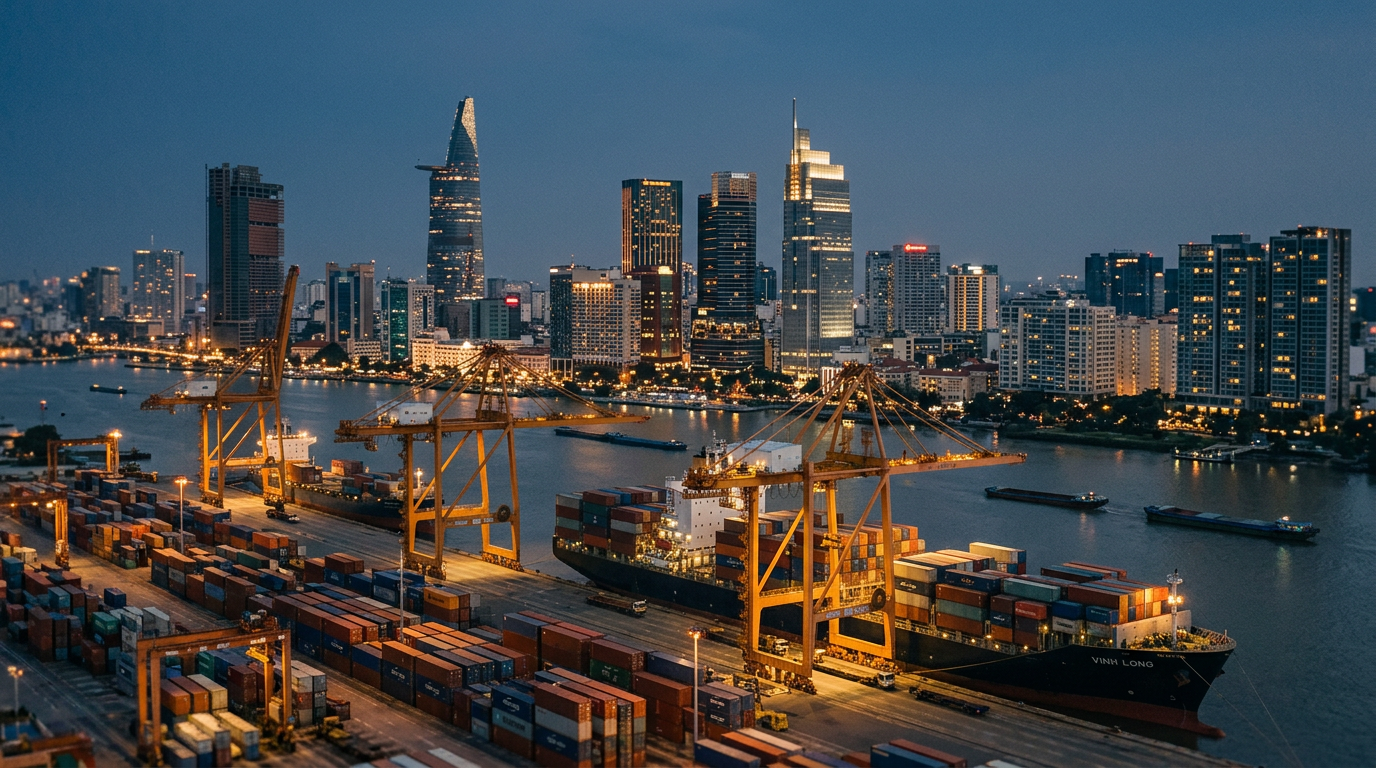 Vietnam
's Growing Wealth: From Affluence to Investment
The rapid growth in Vietnam's ultra-rich population is a notable headline, but translating this domestic capital into productive, long-term investment requires institutional strengthening and a focus on execution.
 Vietnam
Vietnam is seeking approximately VND846 trillion in private capital for 29 priority projects to expand its expressway network to over 5,000 km by 2030, enhancing efforts to attract private investment.
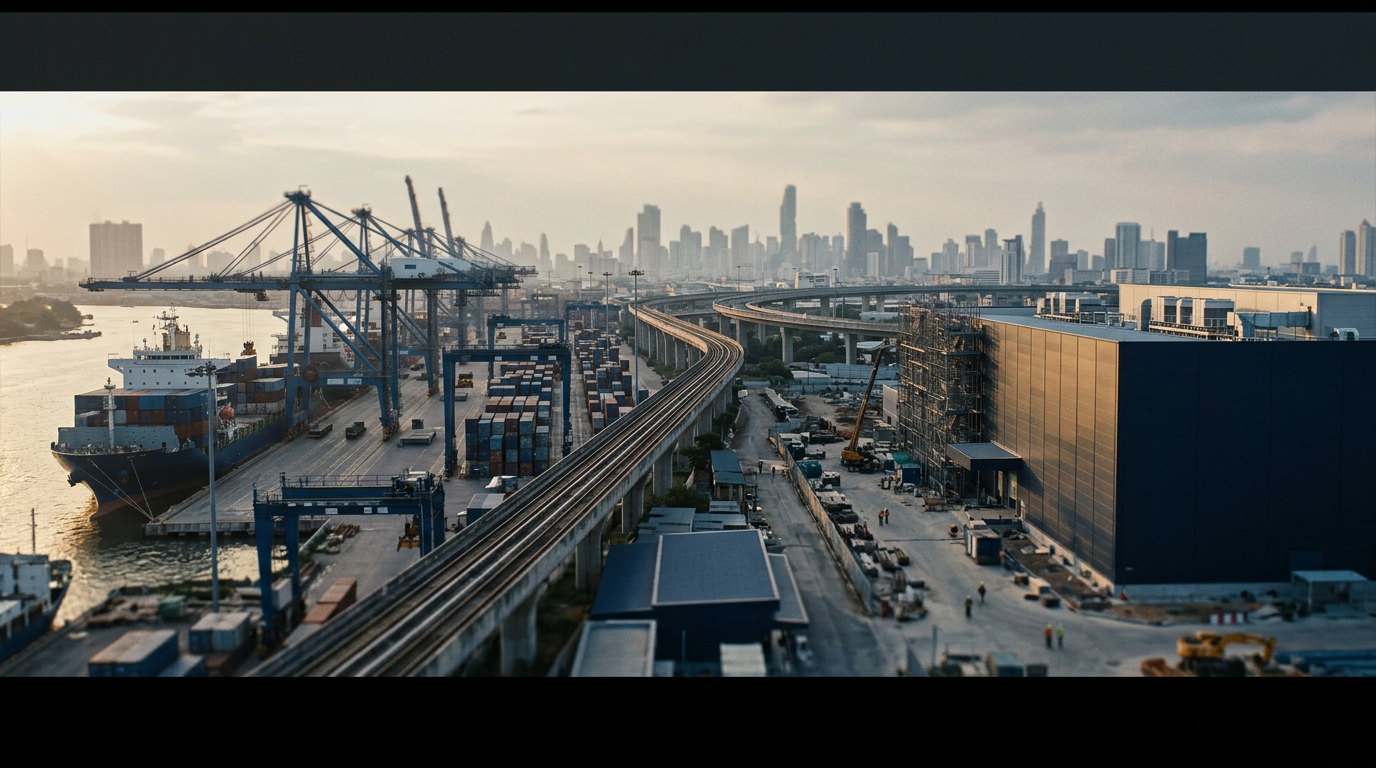 Thailand
's Semiconductor Ambitions Test ASEAN's FDI Execution Gap
Announced foreign direct investment is one thing; realised investment is another. Thailand's push to become a semiconductor hub shows how turning promises into projects requires deep institutional capacity.
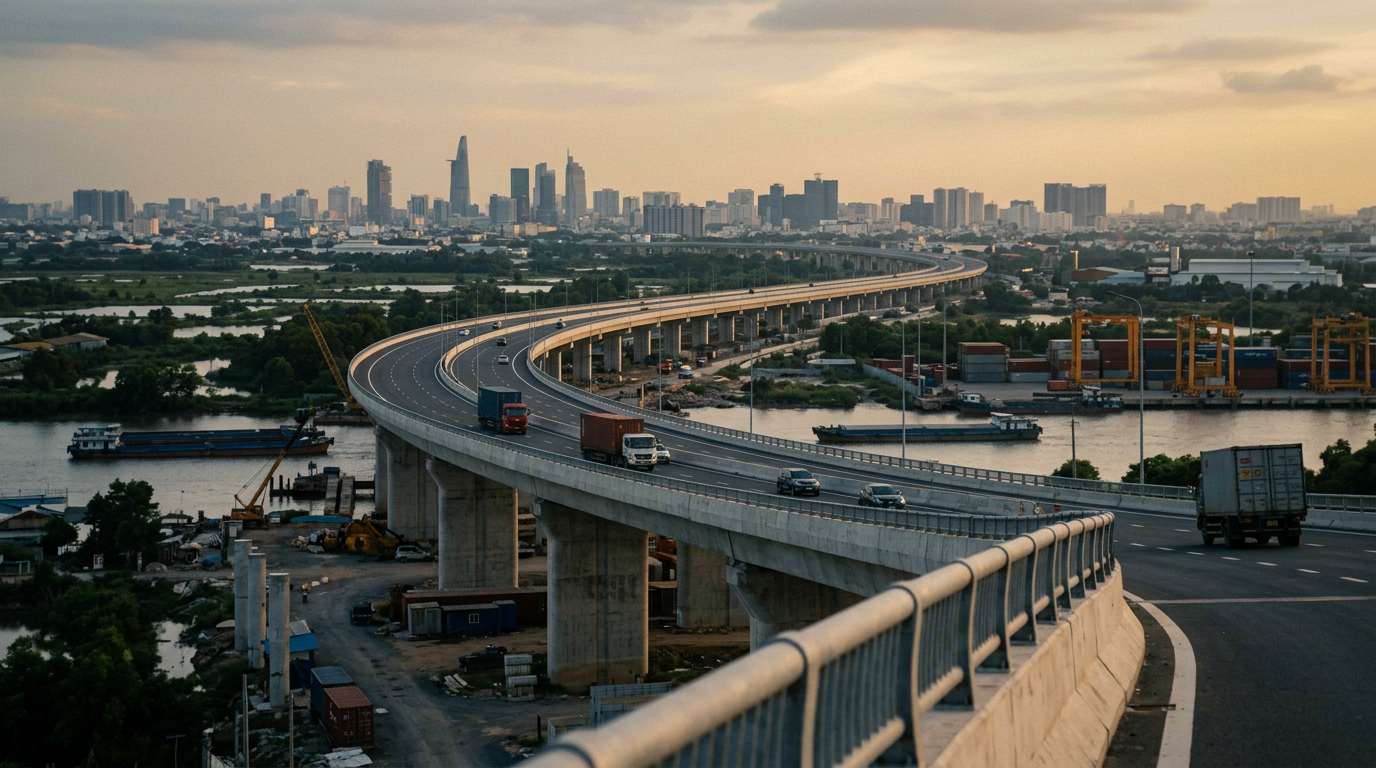 Vietnam
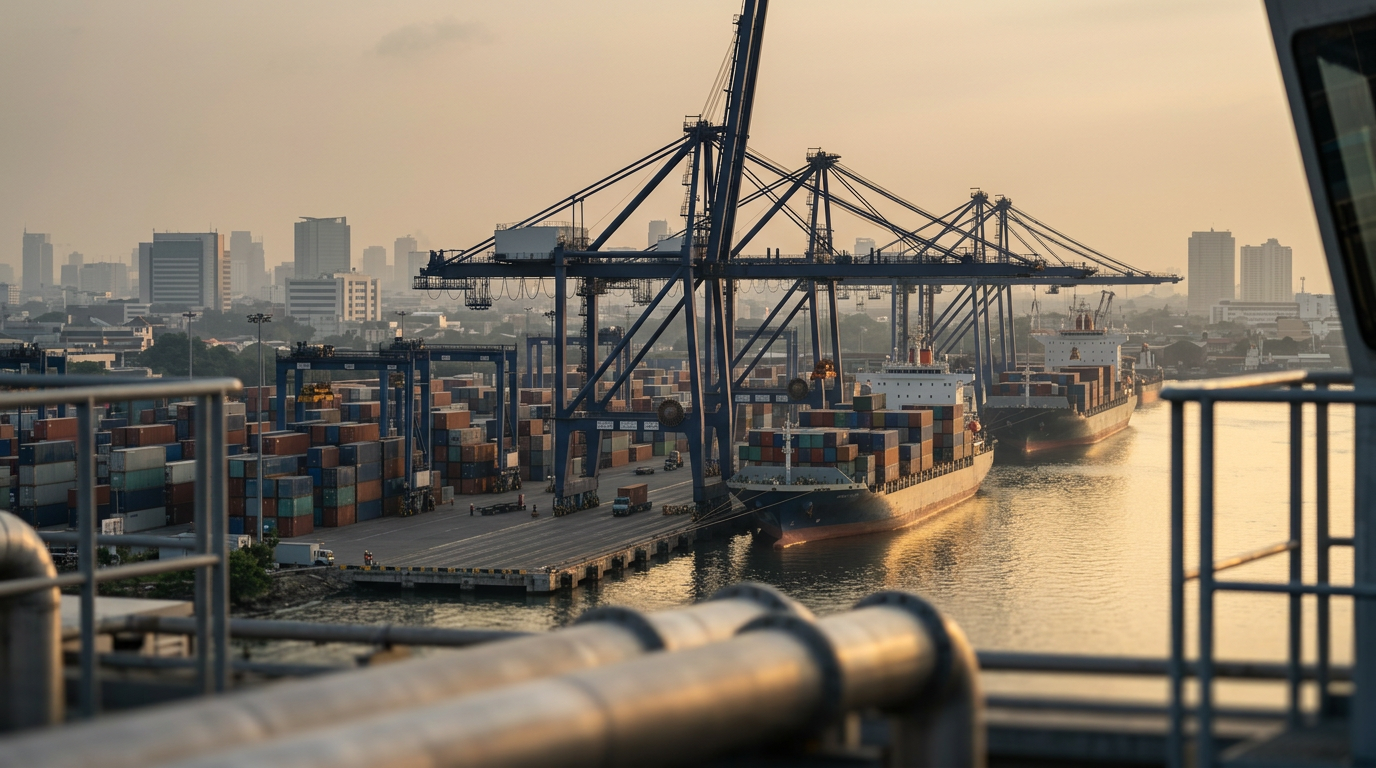
 Bets on Infrastructure to Reduce the Cost of Friction
A new expressway connecting the Mekong Delta to Long Thanh International Airport is a tangible sign of Vietnam's focus on institutional reliability.
 Indonesia
's Commodity Data Platform Aims to Manage Trade Dependency
Indonesia's new commodity export monitoring platform is a step toward managing trade dependency, a structural feature of ASEAN's relationship with China.
 Vietnam
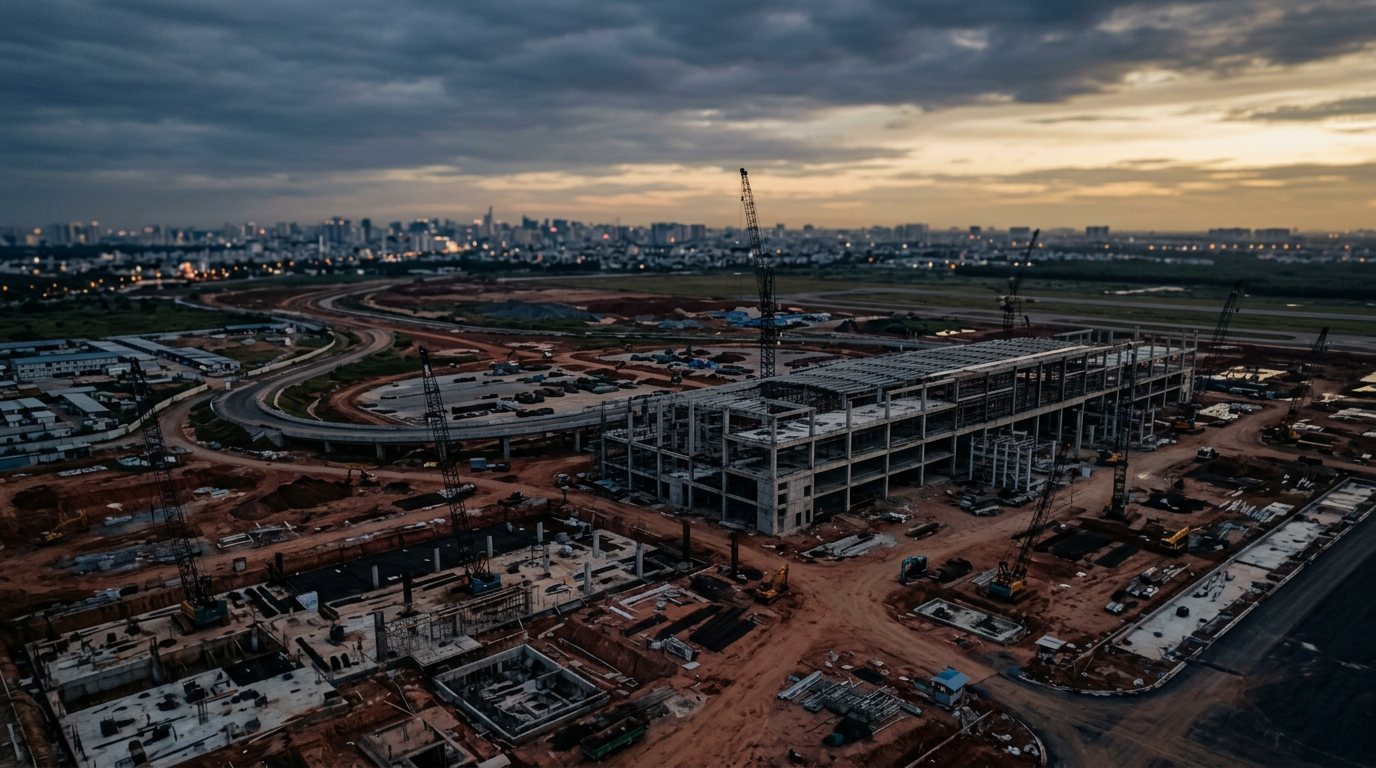
The Price of Hesitation in Airport Development
Vietnam's decision to delay the Long Thanh airport opening to 2026 highlights the tension between ambitious infrastructure goals and the practical challenges of execution, a key theme in regional development.
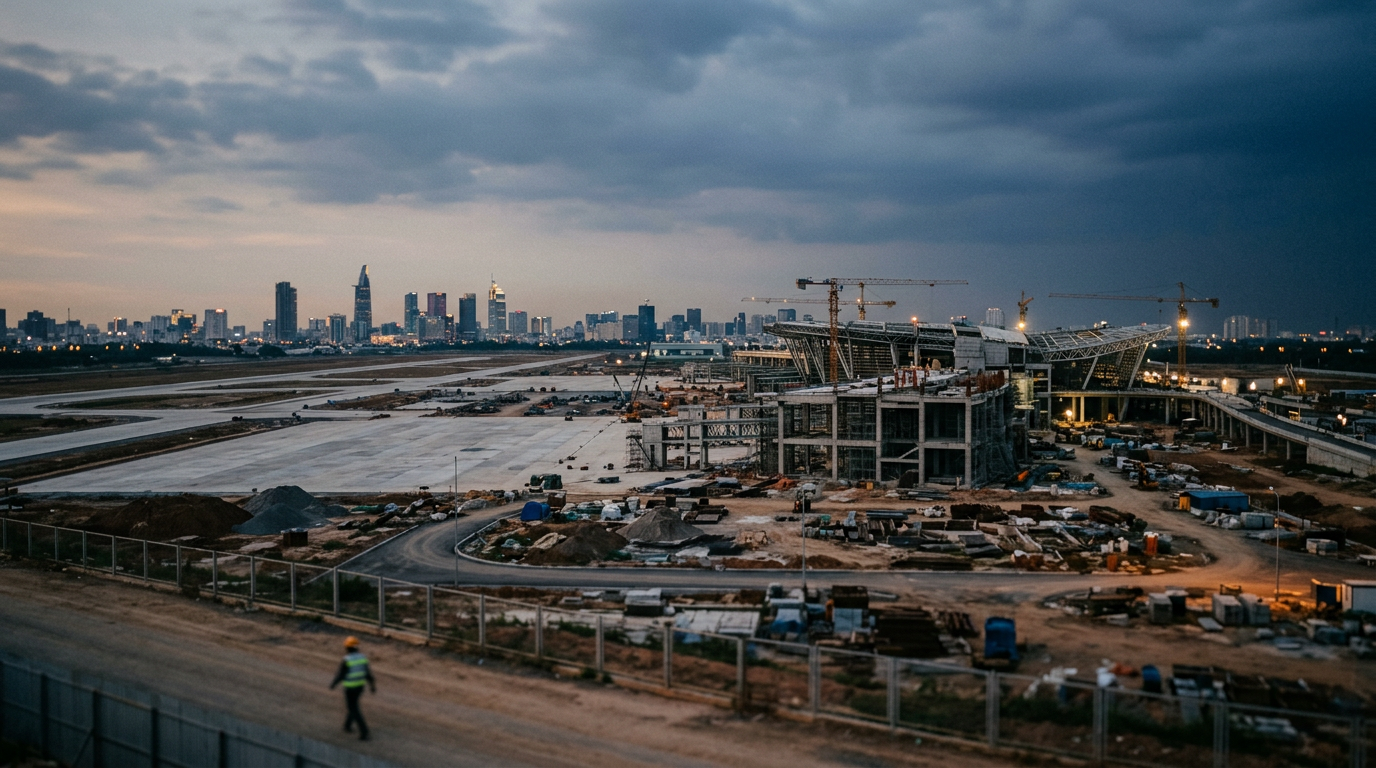 Vietnam
's Delayed Airport is a Costly Lesson in State Capacity
The new international airport in Ho Chi Minh City is a needed infrastructure upgrade, but its delays highlight a deeper challenge for Vietnam: the institutional capacity to deliver complex projects on time.
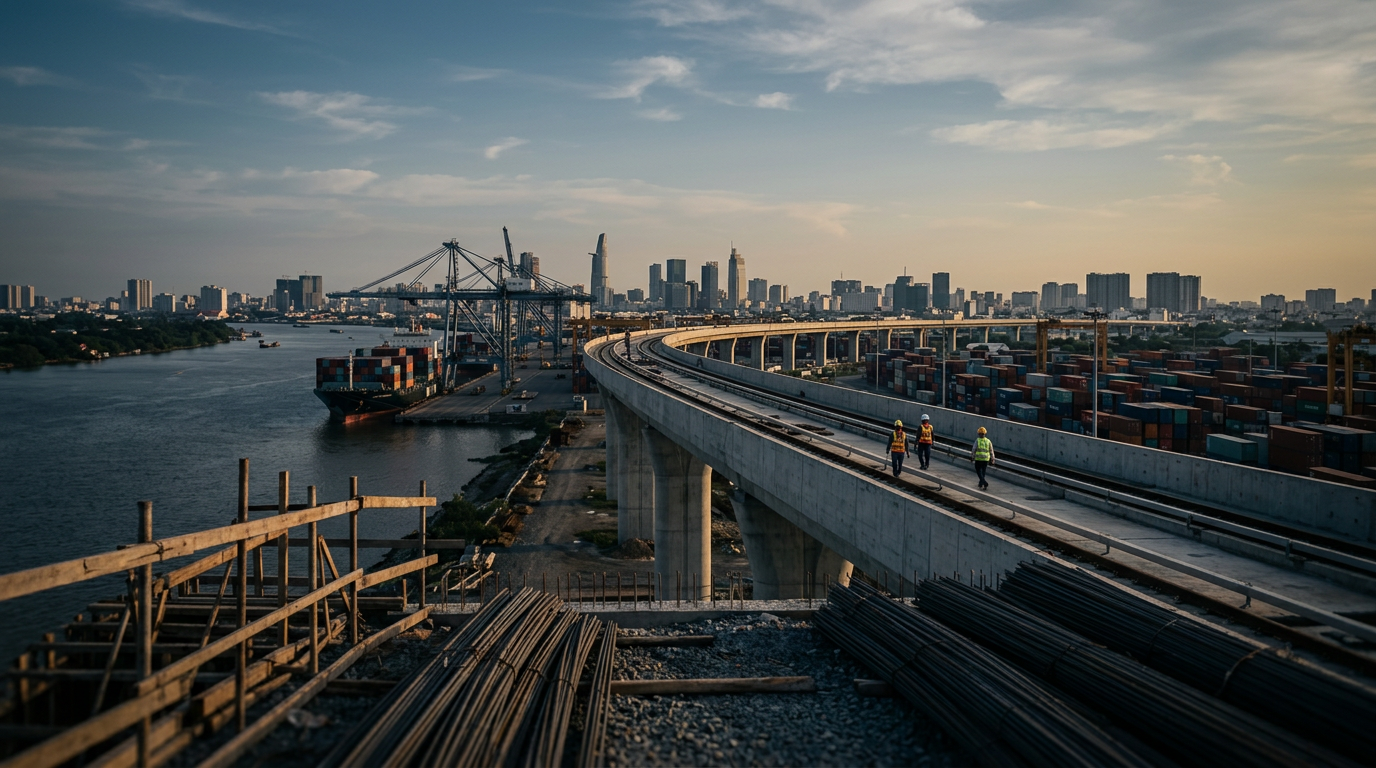 Vietnam
 Delays Long Thanh Airport, Exposing Institutional Friction
Vietnam's decision to delay the first phase of Long Thanh International Airport to 2026 highlights the immense difficulty of executing large-scale infrastructure projects, a theme central to ASEAN's growth story.
 Vietnam
's Airport Delays and the High Cost of Friction
Delayed infrastructure projects, such as airport expansions, impose significant economic costs. For Vietnam, completing these projects is not just about adding capacity, but about demonstrating institutional reliability.
 Vietnam
's High-Tech FDI Ambitions Meet a Talent Bottleneck
FDI announcements travel quickly. Realised flows depend on the slower work of land, permits, power and talent reaching the ground. For Vietnam, the talent gap is now the primary constraint on its high-tech ambitions.
 Thailand
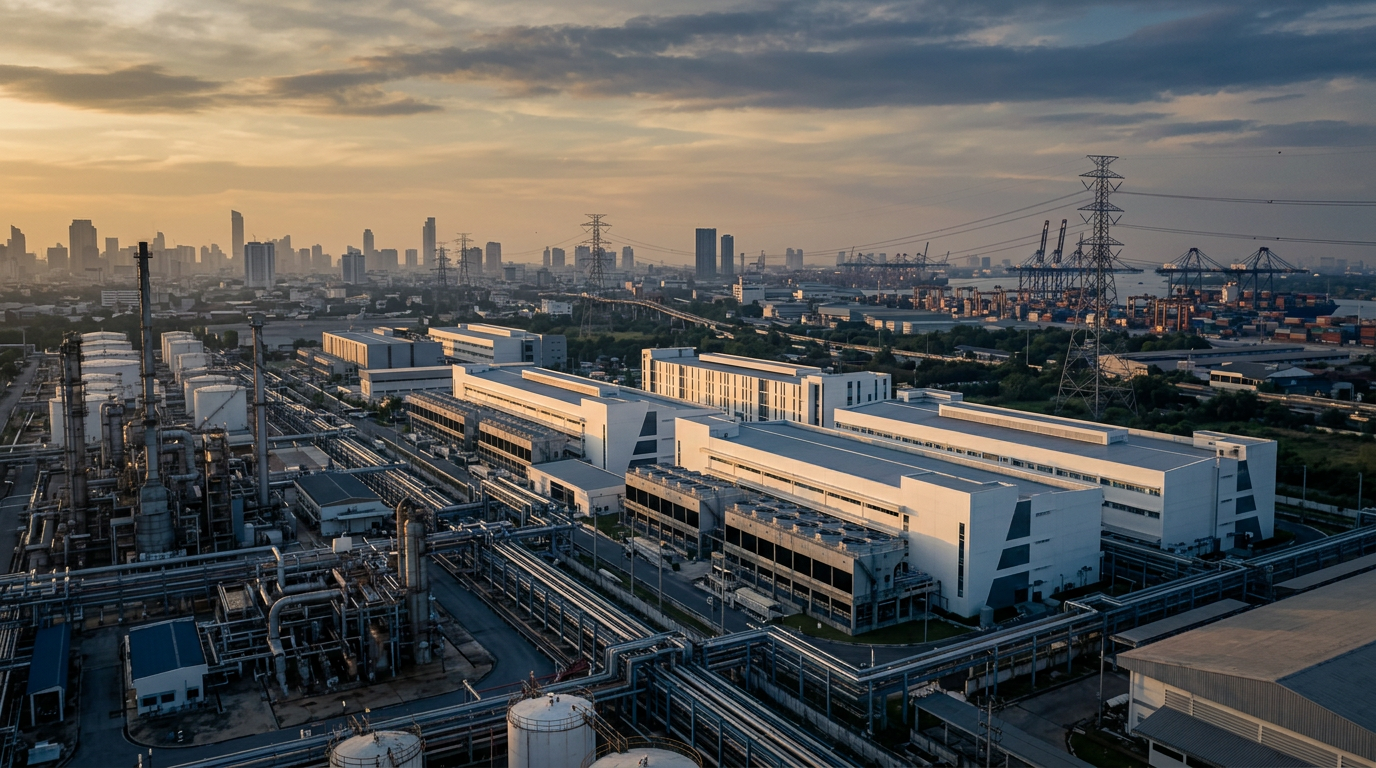
's Data Center Boom and the Industrial Squeeze
A rapid rise in demand for advanced semiconductors from data centers and AI applications is creating supply challenges for the oil and gas industry in Thailand.

 Malaysia
 Delays, Singapore Dollars
The delay of the Johor Bahru-Singapore RTS Link highlights the persistent gap between investment announcements and on-the-ground execution in Southeast Asia.
 Thailand
: Beyond the FDI Announcement
Thailand is making a serious bid to become a regional semiconductor hub, but the real work begins after the press releases. Scale matters only when institutions can turn it into investable depth.
 Philippines
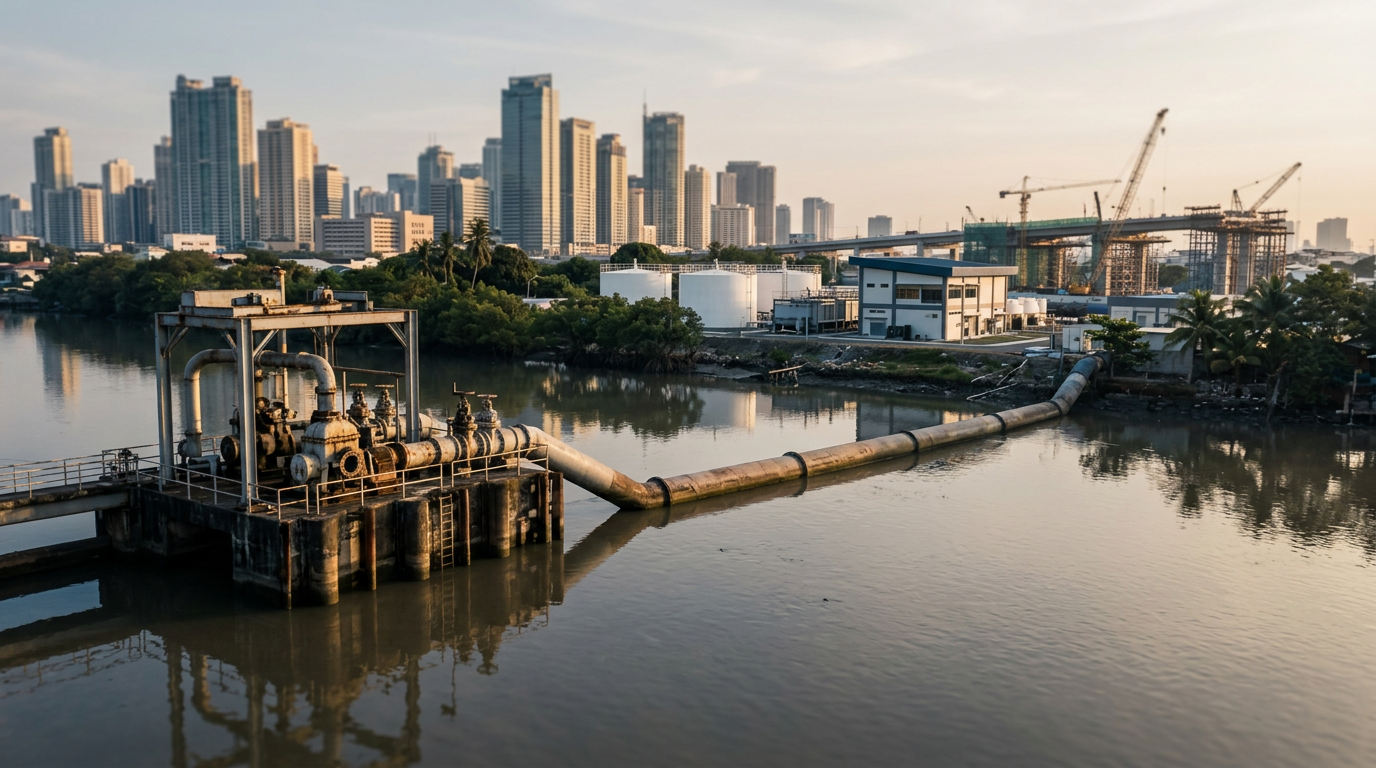
The Price of Water: Capital and State Capacity in the Philippines
A planned P1.8 billion share offer by Tubig Pilipinas highlights the deep connection between private capital and the state's ability to deliver basic infrastructure like clean water.
 Vietnam
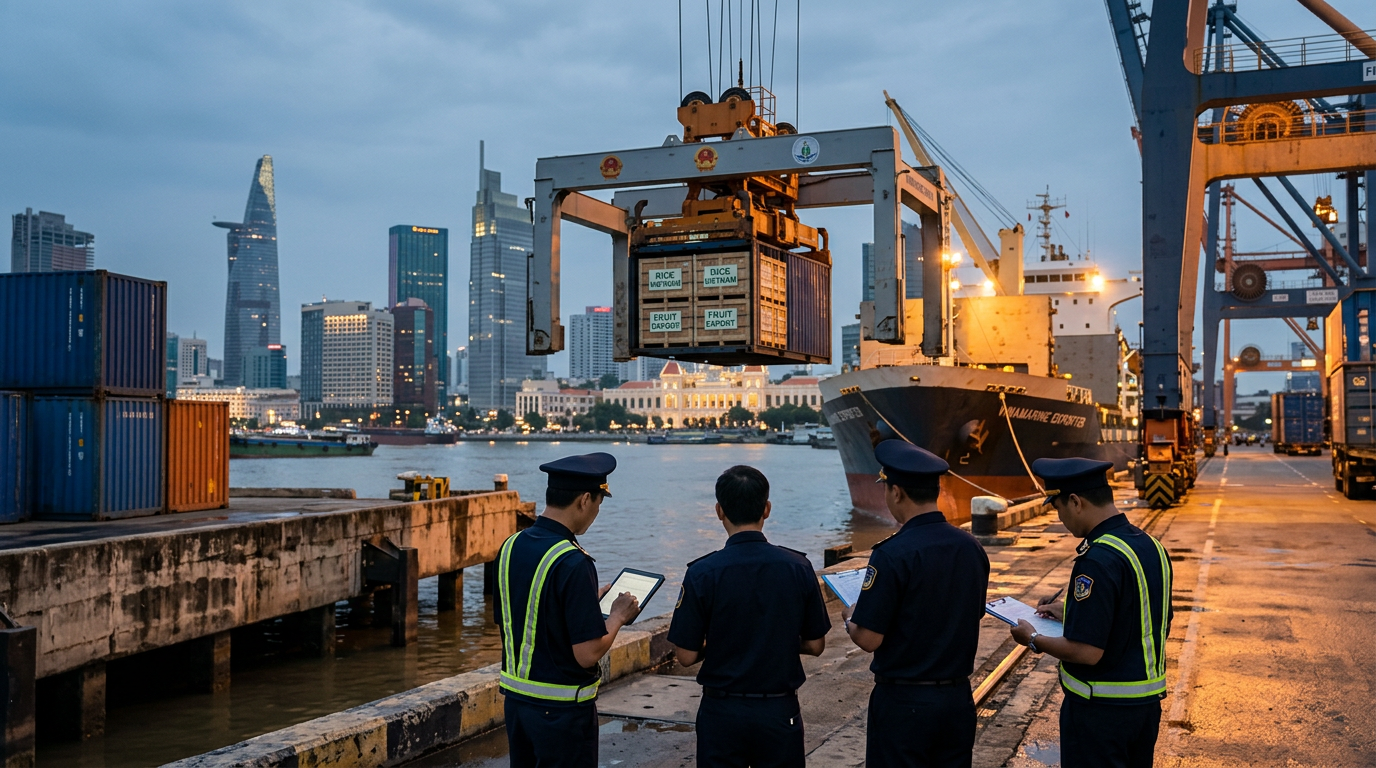
's Agri-Export Ambitions Depend on Institutional Depth
Vietnam's ambitious agricultural export targets for the end of 2026 highlight the critical link between investment announcements and the on-the-ground reality of institutional execution.
 Thailand
 Port Upgrades Test Institutional Capacity
To absorb new investment in ports and logistics, Thailand will need to match its ambitions with world-class institutional execution.
 Thailand
, Maersk, and the FDI Litmus Test
Thailand is courting Maersk for a landmark port investment, but turning this interest into reality will depend on the hard work of matching capital to infrastructure and talent.
 Thailand
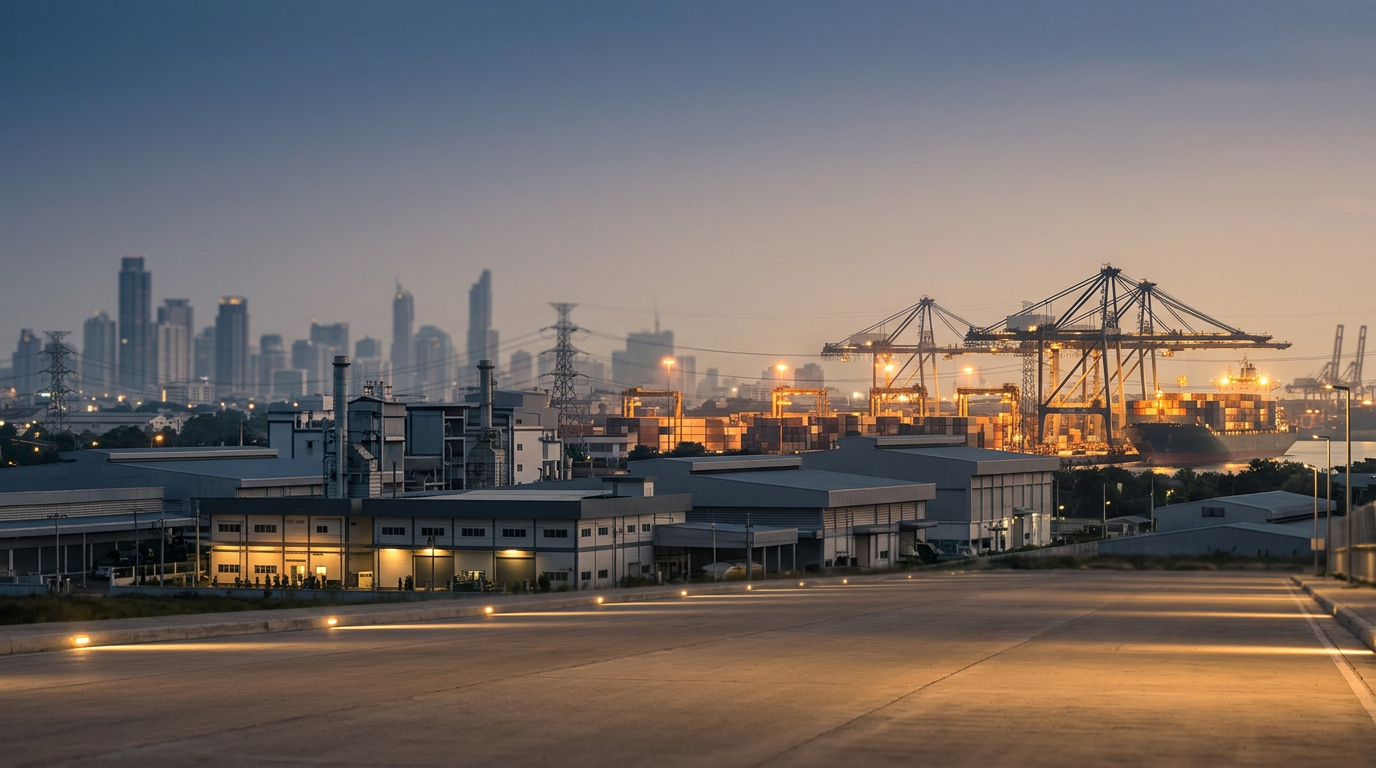
 Speeds Up FDI Approvals. What Happens Next?
Thailand is accelerating regulatory approvals for major industrial projects. Execution on land, power, and talent will determine if announced FDI becomes realised investment.
 Thailand
 Bets on Execution to Win Foreign Investment
Thailand is fast-tracking regulatory approval for USD 3.66 billion in strategic industrial investment, a classic ASEAN contest where institutional execution, not just incentives, will determine the winner.
 Indonesia
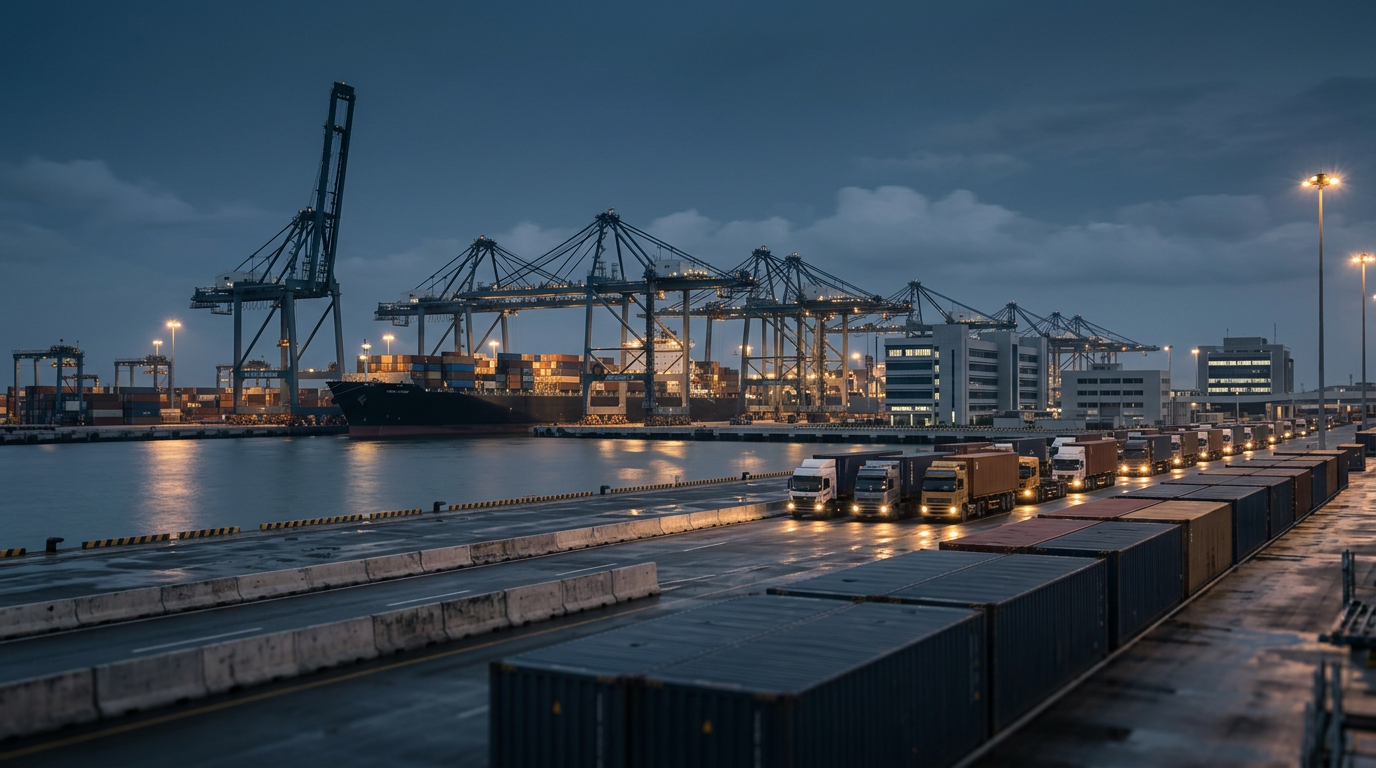
's Commodity Single Door: A Step Toward Managed Dependency?
Indonesia is centralizing its commodity export system. This move is a practical example of an ASEAN state managing its deep trade relationship with China.
 Philippines
Sovereign AI needs more than model launches
ASEAN nations are launching national AI strategies, but the real test is who controls the compute, data, and digital identity rails that power the economy.
 Indonesia
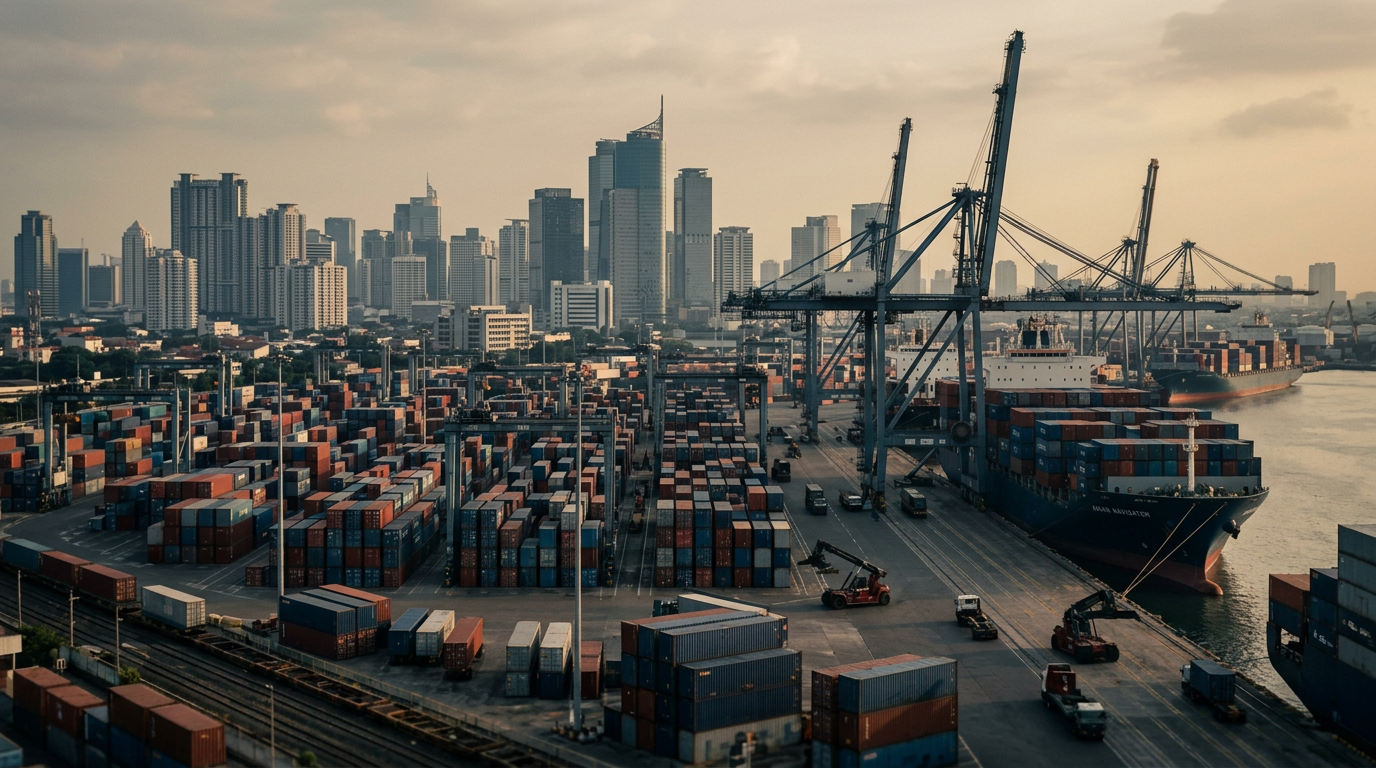
's Single-Door Export System Aims to Deepen Trade Control
Jakarta is launching a new export system for key commodities by year-end, a move that reflects a broader ASEAN trend of managing trade dependencies and asserting strategic control over supply chains.
 Indonesia
From New York to Nusantara: Gulf Capital Meets Indonesian Institutions
Foreign direct investment from the Gulf is welcome, but Indonesia's institutional capacity to absorb it is the decisive factor. Announcements travel at the speed of news, but capital flows at the speed of trust and execution.
 Vietnam
's Tax Plan Tests Its Institutional Capacity
Vietnam is considering a tax overhaul to shift investment towards technology and R&D. While this is a positive signal for upgrading its economy, the real test lies in the execution and the capacity of its institutions to translate policy into tangible outcomes for local firms.
 Vietnam
 Weighs Tax Changes To Deepen Its Supply Chain Role
Vietnam is considering a tax overhaul to help local firms integrate into global supply chains. Realised FDI flows depend on the slower work of turning policy into permits, power, and talent on the ground.
 Indonesia
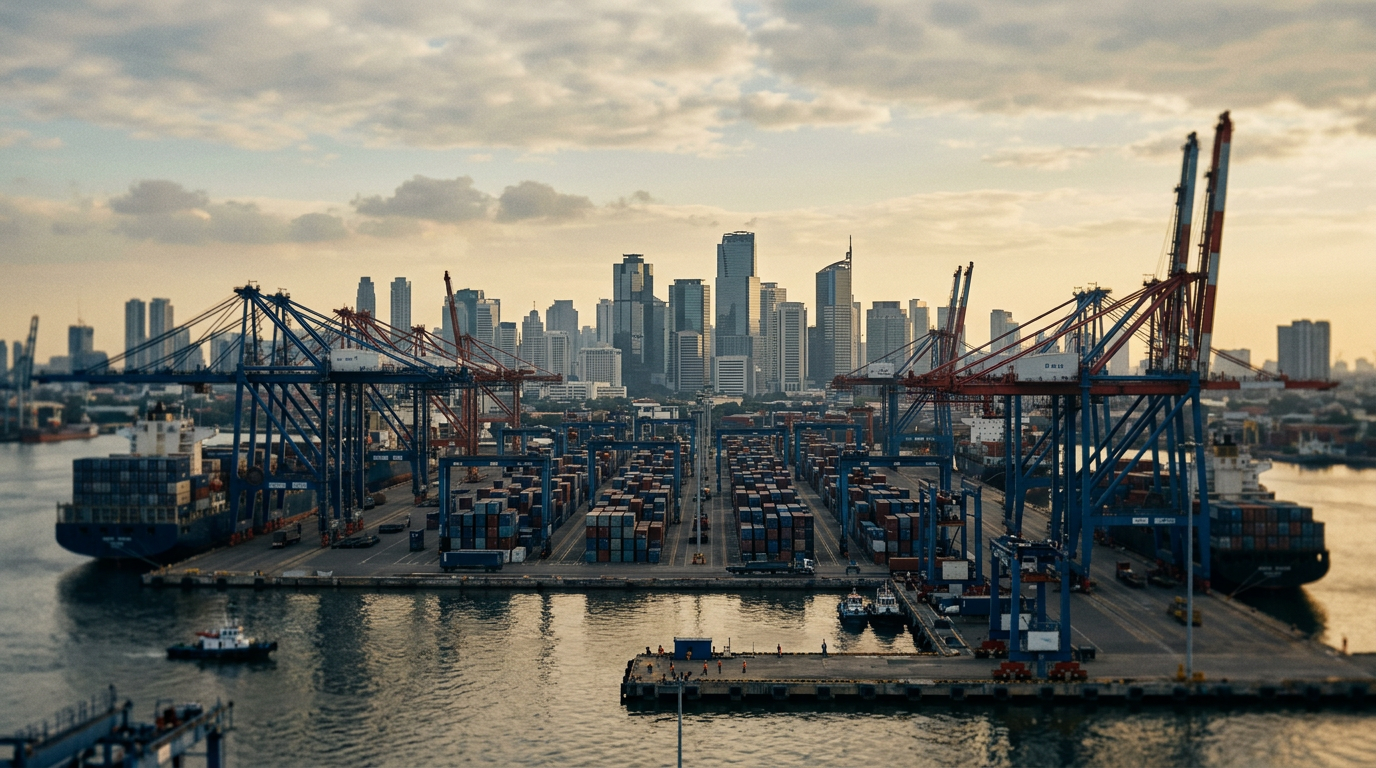
 Turns to the Gulf for FDI. Can Institutions Keep Up?
Jakarta is courting Gulf capital for its infrastructure and energy ambitions. Success depends on the slower work of turning headline announcements into realised investment on the ground.
 Indonesia
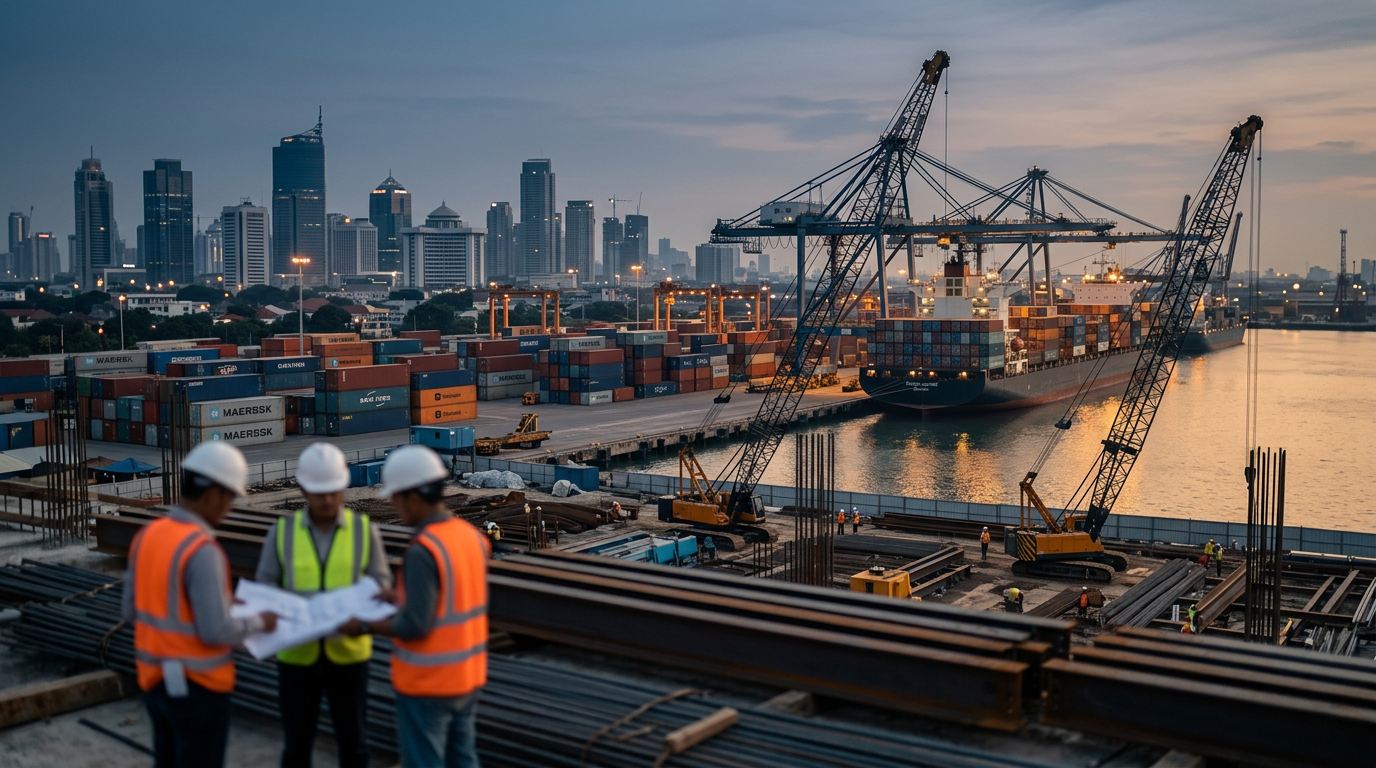
From New York to Nusantara: Gulf Capital Meets Indonesian Institutions
Foreign ministers of ASEAN and the Gulf Cooperation Council met in New York, but the real work of turning investment promises into projects on the ground in Indonesia is just beginning.
 Singapore
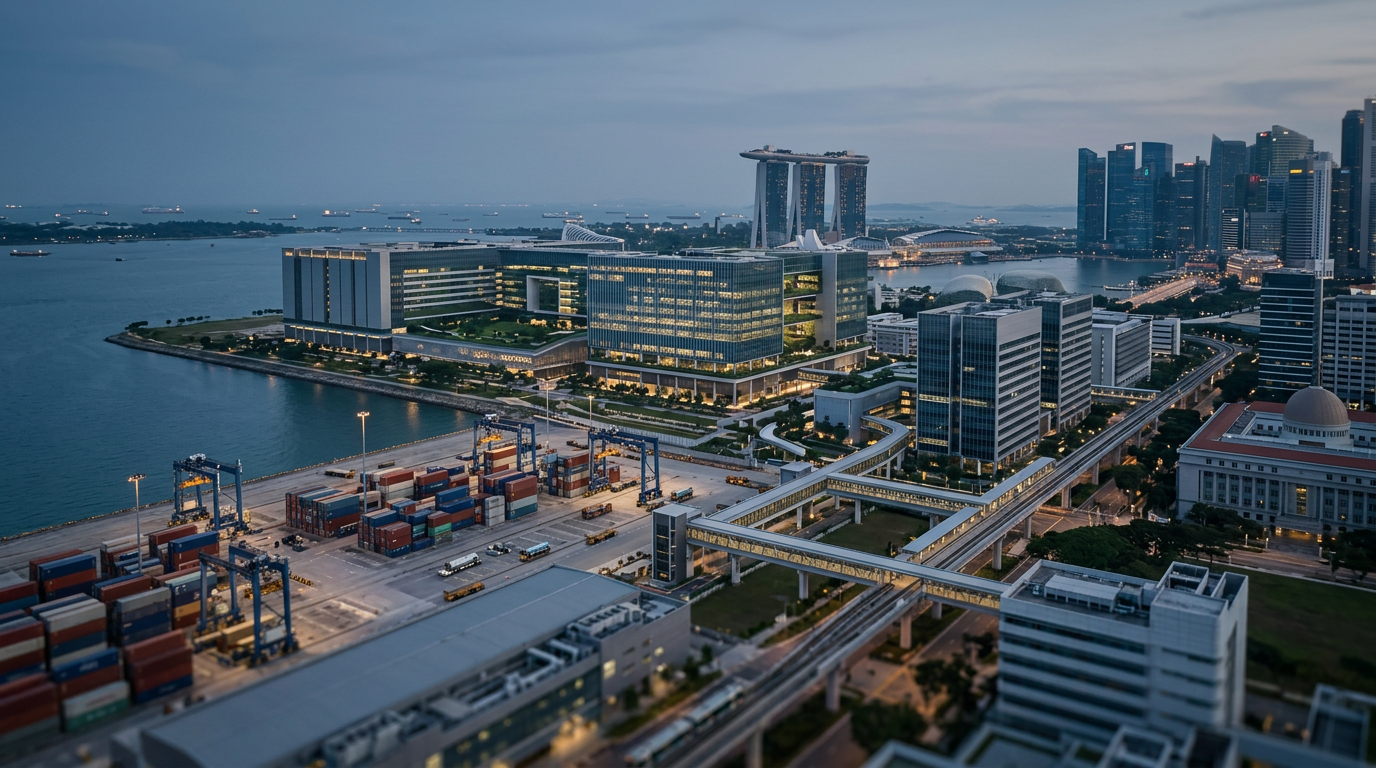
, AI, and ASEAN's Industrial Future
A jump in Singaporean factory output, driven by AI demand, shows how high-value manufacturing can take root. Yet the wider ASEAN region must still focus on the slower work of building institutional capacity to translate investment announcements into realised flows on the ground.
 Singapore
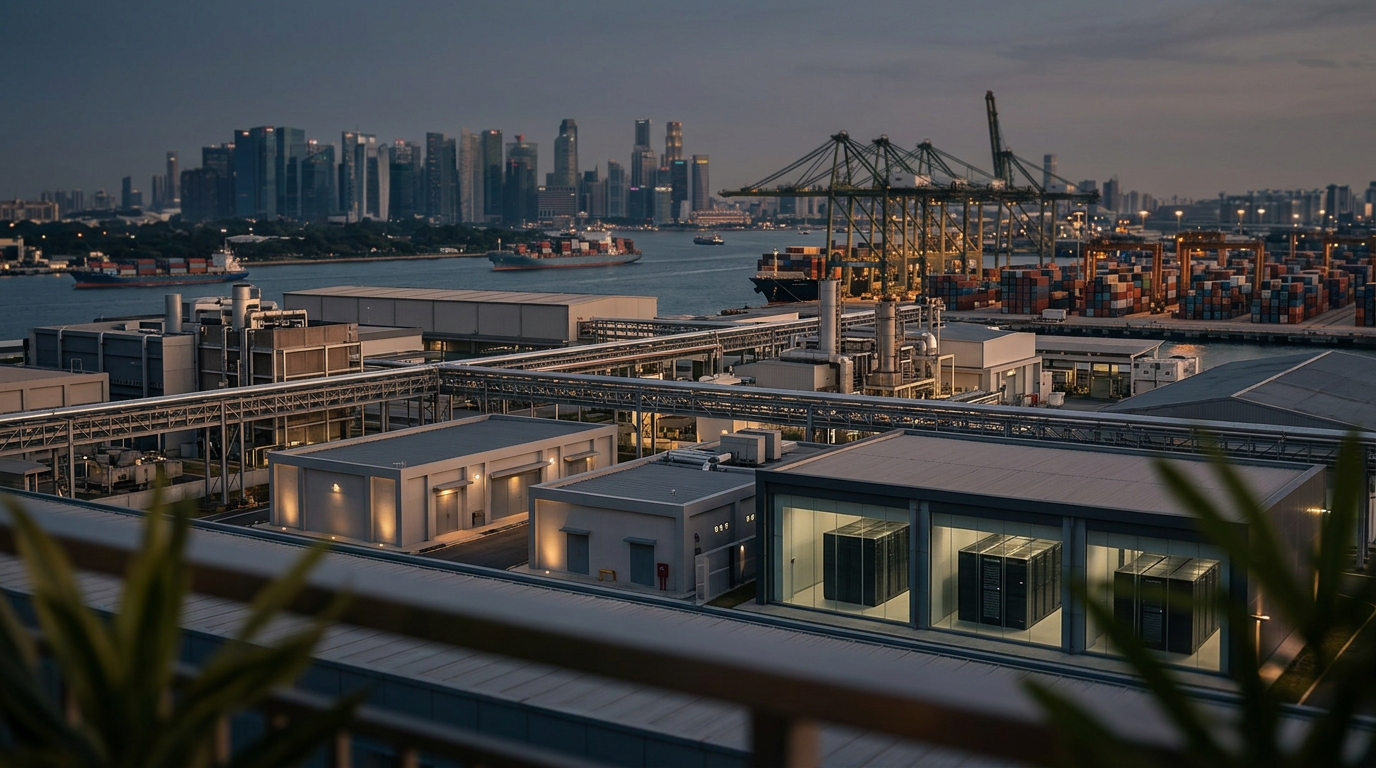
, AI, and ASEAN's Next Manufacturing Shift
Singapore's industrial surge from AI demand shows its institutional strengths. Can its ASEAN neighbors follow the same playbook?